There are stories the earth keeps not in words, but in layers—pressed quietly beneath time, waiting for a moment when chance and curiosity meet. In the slow language of stone, even absence can speak, and when something appears where it was never expected, it feels less like discovery and more like a whisper from a different version of the past.
Such a whisper has emerged from Africa, where scientists have uncovered 18-million-year-old ape fossils in a location that challenges long-held assumptions about early primate evolution. The find does not simply add a new chapter; it gently rearranges the pages that came before it.
Traditionally, early ape fossils from this period—known as the Miocene epoch—have been associated with dense forest regions, environments thought to provide the canopy and resources necessary for their survival. But this new discovery places them in a more open, arid landscape, suggesting that these ancient primates may have been more adaptable than previously believed.
The fossils, described as belonging to an early ape species, were found in a region not typically linked to such remains. While details continue to be studied, researchers note that the surrounding geological evidence points to a habitat with fewer trees and more varied terrain—conditions that would have required different behaviors, movement patterns, and possibly even dietary adaptations.
This shift in setting carries broader implications. If early apes could inhabit and navigate less forested environments, it may reshape how scientists understand the evolutionary pathways that eventually led to modern apes and humans. Flexibility, rather than specialization, may have been one of their defining traits.
The discovery also underscores how incomplete the fossil record remains. Much of what is known about early primates is built from scattered finds, each one a fragment of a much larger picture. When a fossil appears outside expected patterns, it does not necessarily overturn established knowledge—but it invites reconsideration, encouraging scientists to widen the lens through which the past is viewed.
Researchers involved in the study emphasize caution. A single site, however significant, cannot fully redefine evolutionary history. Further excavations, comparative analysis, and peer-reviewed research will be needed to understand how this population fits within the broader lineage of early apes.
Still, there is a quiet significance in the unexpected. Discoveries like this remind us that evolution is rarely linear or confined to a single environment. It unfolds across shifting landscapes, shaped by opportunity as much as constraint.
For now, the fossils rest not just as remnants of ancient life, but as markers of possibility—suggesting that the story of early apes, like the terrain they once crossed, may be more varied than once imagined.
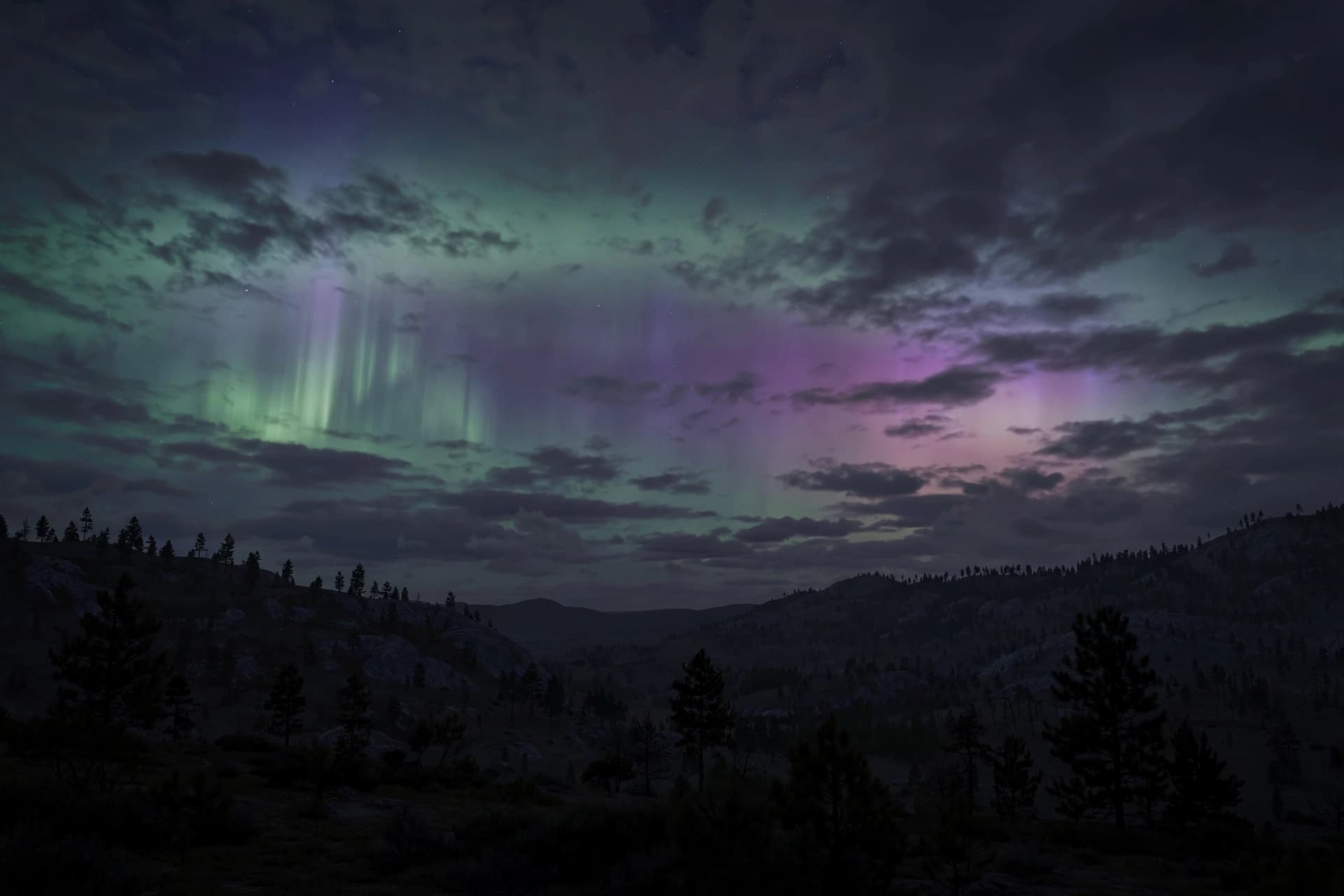
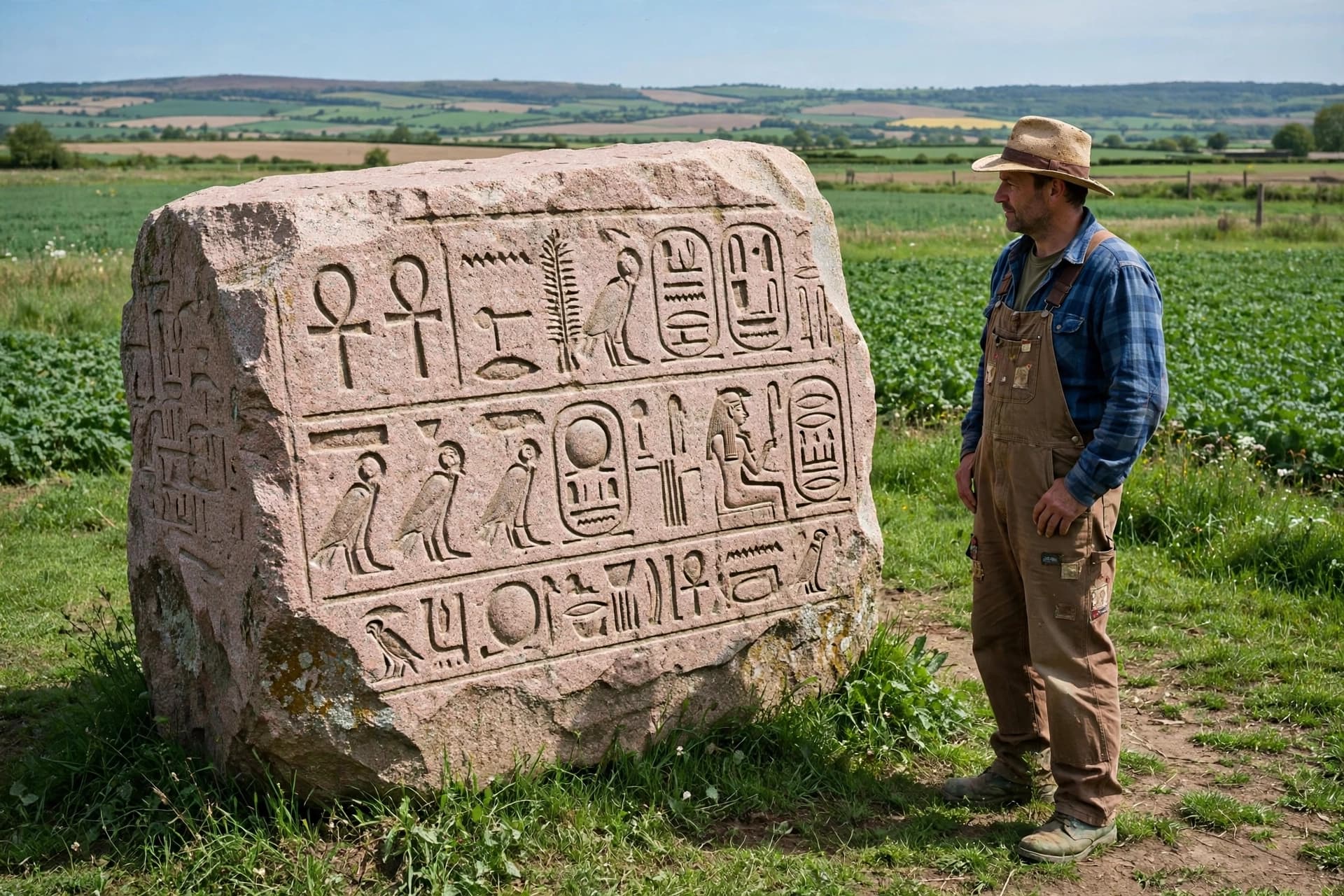
AI Image Disclaimer Visuals are created with AI tools and are not real photographs.
Source Check Credible coverage exists from:
Reuters BBC The Guardian Nature National Geographic
Published by Banx Network. This article is part of the Banx decentralized media programme, powered by the BXE token on the XRP Ledger.