There are landscapes that carry memory not in words, but in silence—in the slow shaping of earth, in the quiet rise and fall of ground that seems, at first glance, unmoving. Beneath certain horizons, time does not pass in days or years, but in millennia, folding history into layers that wait patiently to be read. In such places, even stillness can be a kind of motion, subtle and deliberate.
In southern Japan, one of the world’s largest volcanic calderas has begun to draw renewed attention from scientists. Formed by a massive eruption approximately 7,300 years ago, the Kikai Caldera has long been considered a powerful reminder of Earth’s capacity for transformation. Today, new research suggests that this ancient system may be slowly refilling with magma—an observation that invites both curiosity and careful study.
A caldera of this scale is not simply a crater, but the result of a collapse following an immense volcanic eruption. In the case of Kikai, that eruption was among the most significant in the region’s history, dispersing volcanic material across wide areas and reshaping the surrounding environment. Since then, the system has remained largely quiet, its activity subdued beneath the ocean’s surface.
Recent surveys, however, have revealed signs of change. Using advanced imaging techniques and seismic data, researchers have identified a growing magma reservoir beneath the caldera. This does not suggest imminent activity, but rather a gradual process—one that unfolds over long periods, often imperceptible without careful measurement. The magma appears to be accumulating, forming what scientists describe as a dome-like structure beneath the seafloor.
Such findings are approached with measured attention. Volcanic systems are complex, and the presence of magma does not necessarily indicate that an eruption will occur. Instead, it points to a system that remains active at a fundamental level, continuing to evolve even after thousands of years of relative quiet. In this sense, the caldera is less a dormant feature and more a living system, shaped by processes that operate on timescales far beyond immediate observation.
The study of Kikai also reflects broader efforts in volcanology to understand how large-scale eruptions develop and how magma systems behave over time. By examining these slow changes, scientists hope to refine models that can better anticipate volcanic activity, not only in Japan but in similar systems around the world. Each data point contributes to a more nuanced understanding of how Earth’s interior expresses itself at the surface.
There is also a quiet interplay between past and future in this research. The eruption that formed the caldera is part of the geological record, its effects preserved in layers of ash and altered landscapes. The current observations, meanwhile, belong to an ongoing narrative—one that is still being written through continuous monitoring and analysis.
For communities and observers alike, such findings are often received with a balance of interest and caution. Japan’s long experience with volcanic activity has shaped a robust approach to monitoring and preparedness, ensuring that developments are tracked with care rather than alarm. The presence of magma beneath Kikai becomes not a cause for immediate concern, but a reminder of the dynamic nature of the Earth beneath our feet.
As research continues, scientists will maintain close observation of the caldera, using a combination of seismic monitoring, geological surveys, and modeling techniques. While no immediate changes have been forecast, the evolving understanding of this system is expected to contribute to broader knowledge in the field.
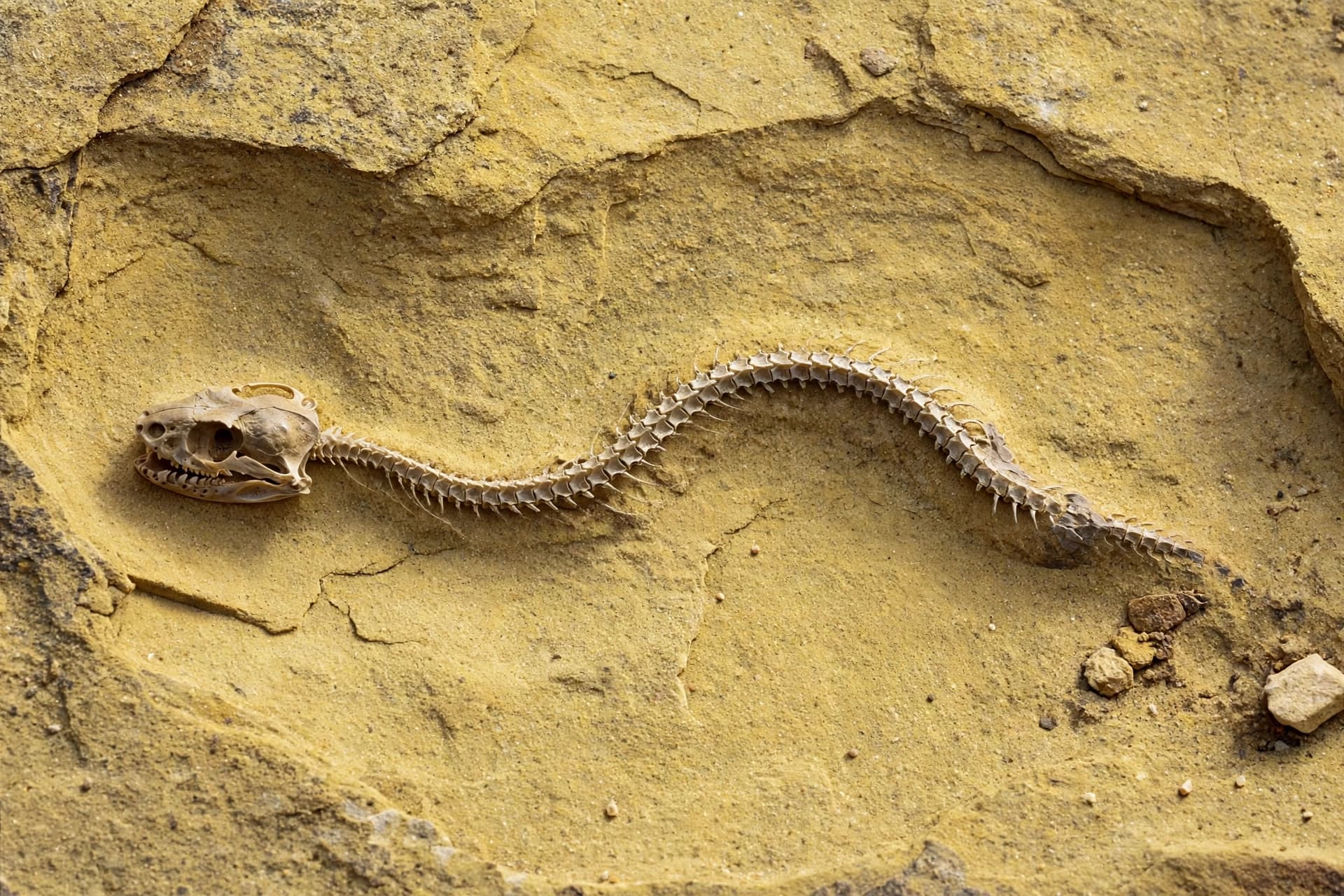
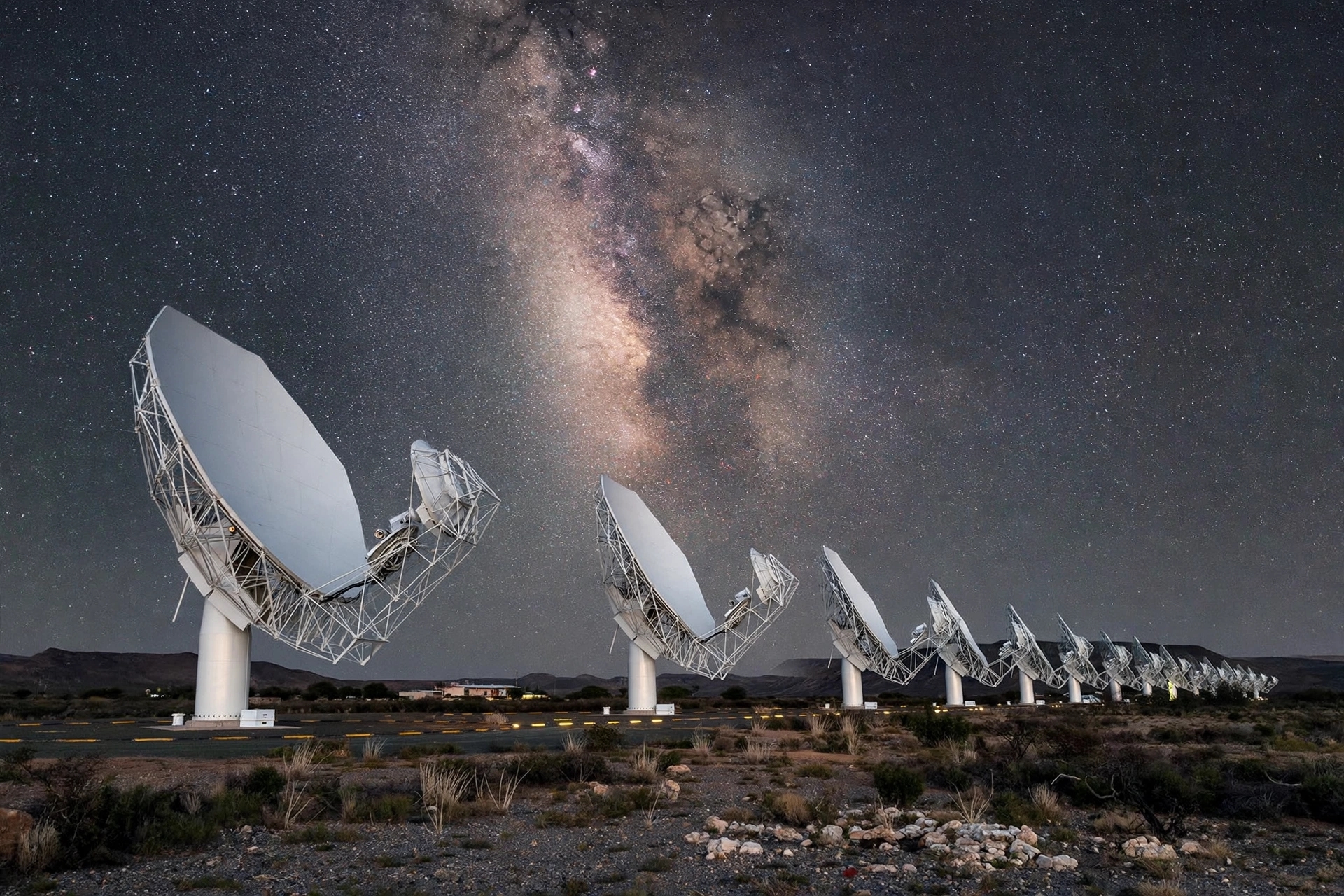
AI Image Disclaimer Images in this article are AI-generated illustrations, meant for concept only.
Source Check (Credible Media & Journals): Nature Geoscience Science The Japan Times NHK World Smithsonian Magazine
Published by Banx Network. This article is part of the Banx decentralized media programme, powered by the BXE token on the XRP Ledger.