
SCIENCE94% credibility
Between Signal and Silence: The Pattern Hidden in a Spinning Remnant
Scientists may have explained the Crab Pulsar’s “zebra stripes” as plasma interactions, shedding light on extreme physics around neutron stars.
2 min read

Scientists may have explained the Crab Pulsar’s “zebra stripes” as plasma interactions, shedding light on extreme physics around neutron stars.

Antarctic sea ice grew for decades due to complex climate factors, but has recently declined sharply as warming oceans and shifting conditions take hold.

Scientists обнаруж unusual underground structures beneath the Great Salt Lake; their origin is unclear but may involve sediment, minerals, or tectonic processes.

Deep mantle structures may have limited early Earth melting, challenging the idea of a fully molten primordial magma ocean.

A newly discovered psilocybin mushroom species challenges existing theories of fungal evolution, suggesting a more complex evolutionary history.

Extracellular RNA may persist in disinfected drinking water longer than expected, complicating how scientists interpret microbial activity.

120-meter stone structures off France’s coast, dating back 7,000 years, are likely human-made and may have been used for fishing or coastal activities.

Scientists say high oxygen alone doesn’t explain giant ancient insects; predation and environmental changes also shaped their size and disappearance.

Scientists say we don’t yet know how human reproduction would work in space, but research suggests it’s important for future long-term missions.

New solar research shows over 100% internal efficiency by generating multiple charges per photon, improving how sunlight is converted into electricity.
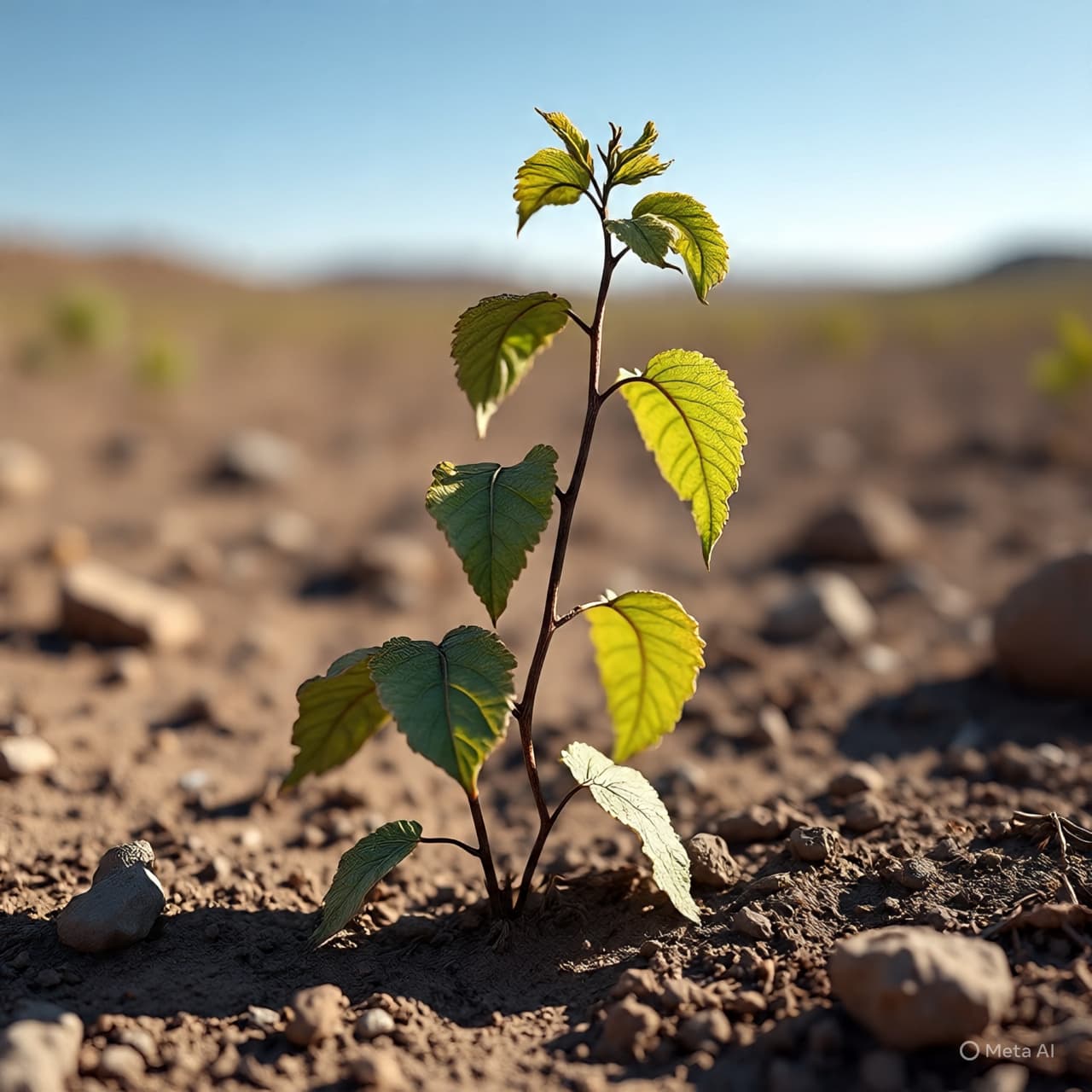
Plants can pause their growth under stress, conserving energy to survive harsh conditions and resume development when the environment improves.
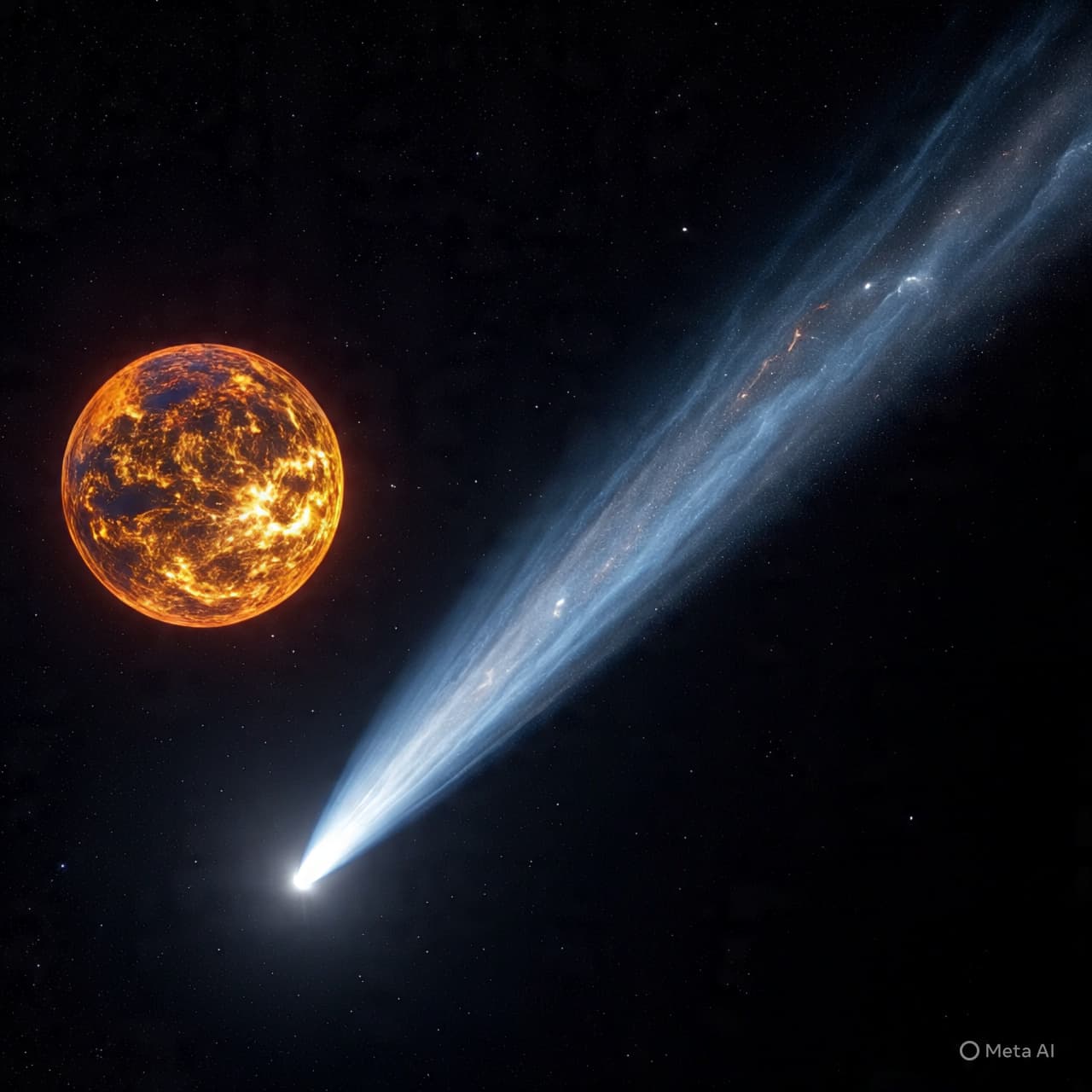
A sungrazing comet may soon appear after sunset—if it survives its close pass by the Sun, where it could either brighten dramatically or break apart.
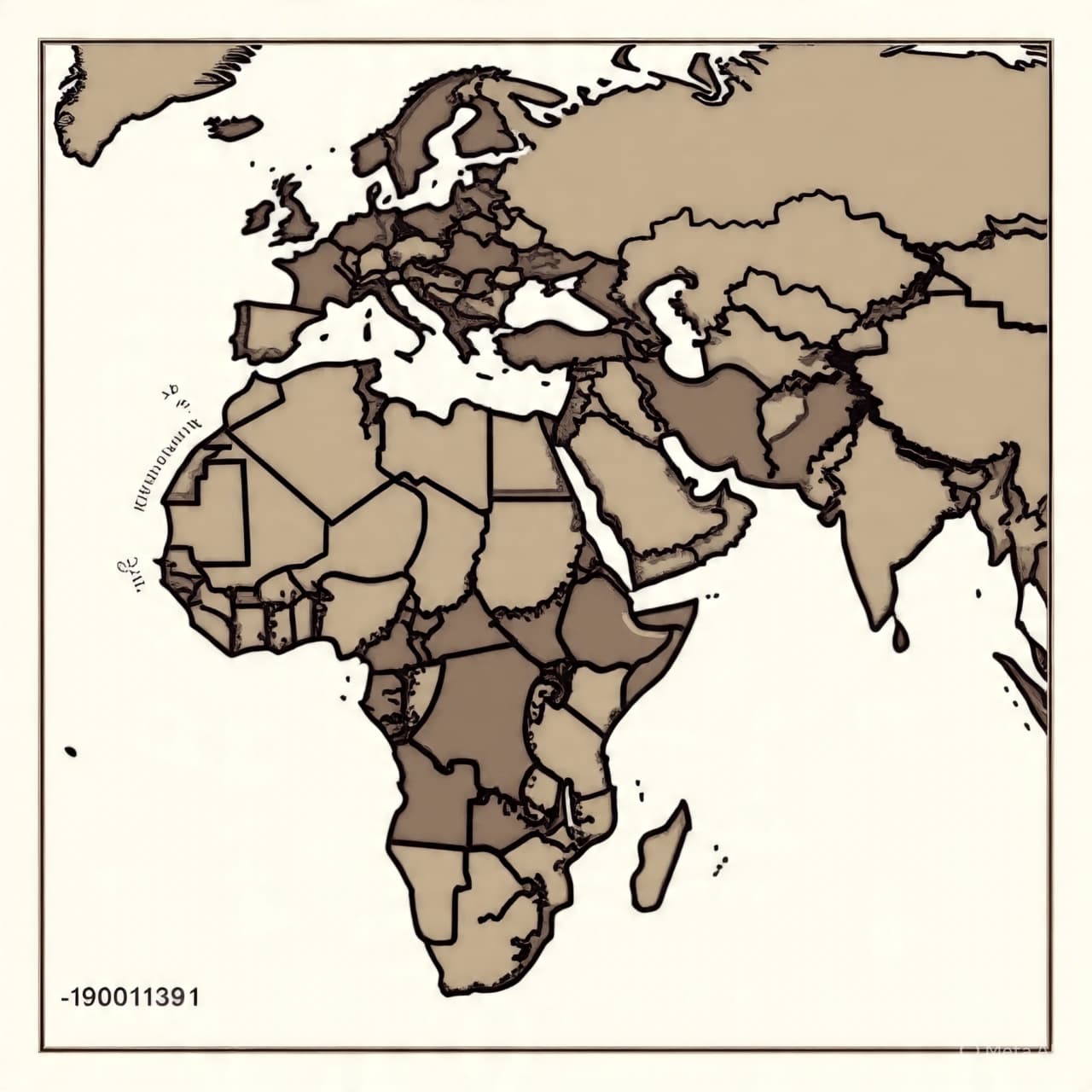
New research suggests human origins may span multiple regions across Africa, not a single location, reshaping how scientists understand early human evolution.

Scientists have created nanolasers that could enable faster, more efficient computers by using light instead of electrical signals.

New research shows cooking methods impact nutrient absorption, with some techniques boosting bioavailability while others reduce heat-sensitive vitamins.
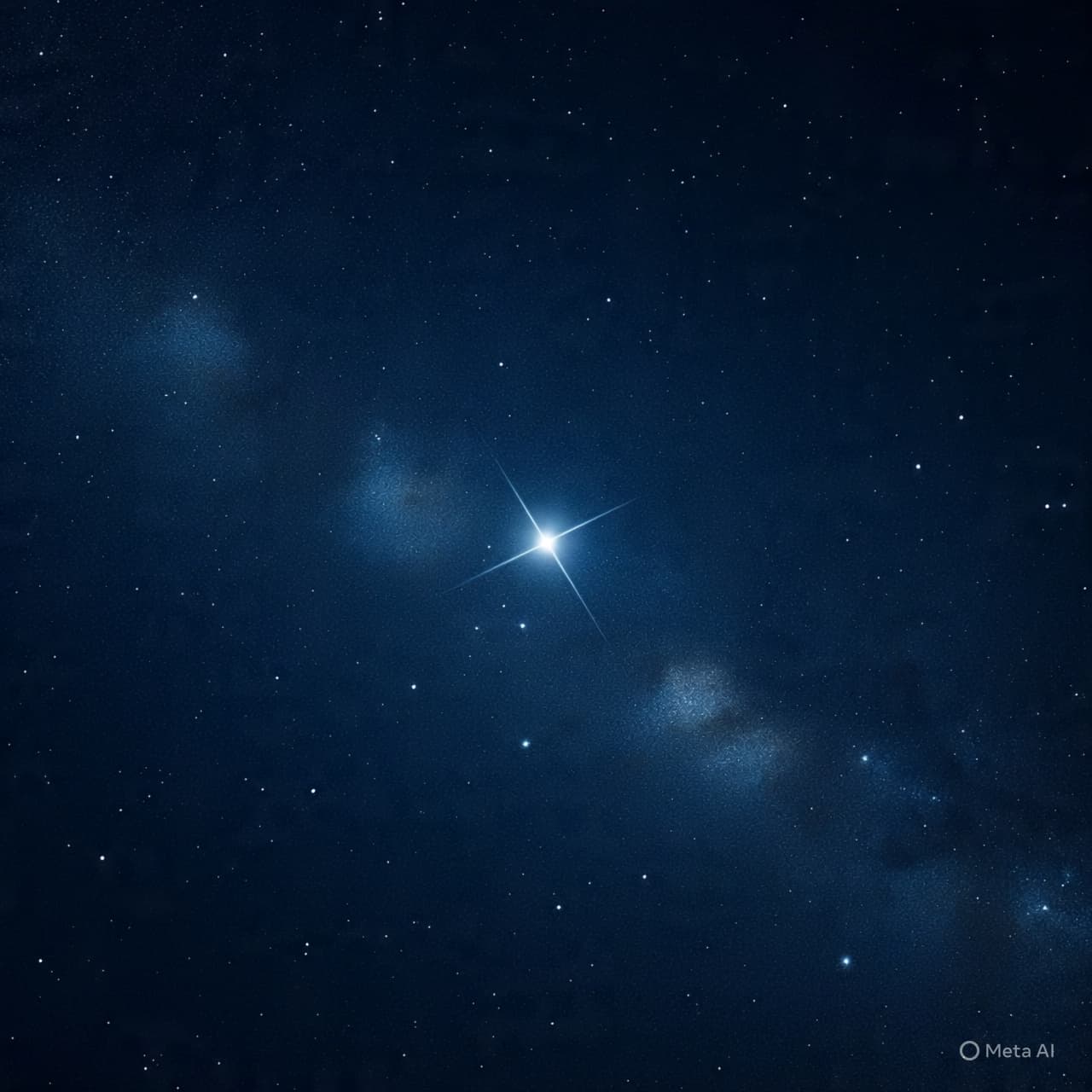
Corvus, a small southern constellation, is best seen on March 28 in the evening sky, appearing as a simple four-star shape near Hydra and Crater.
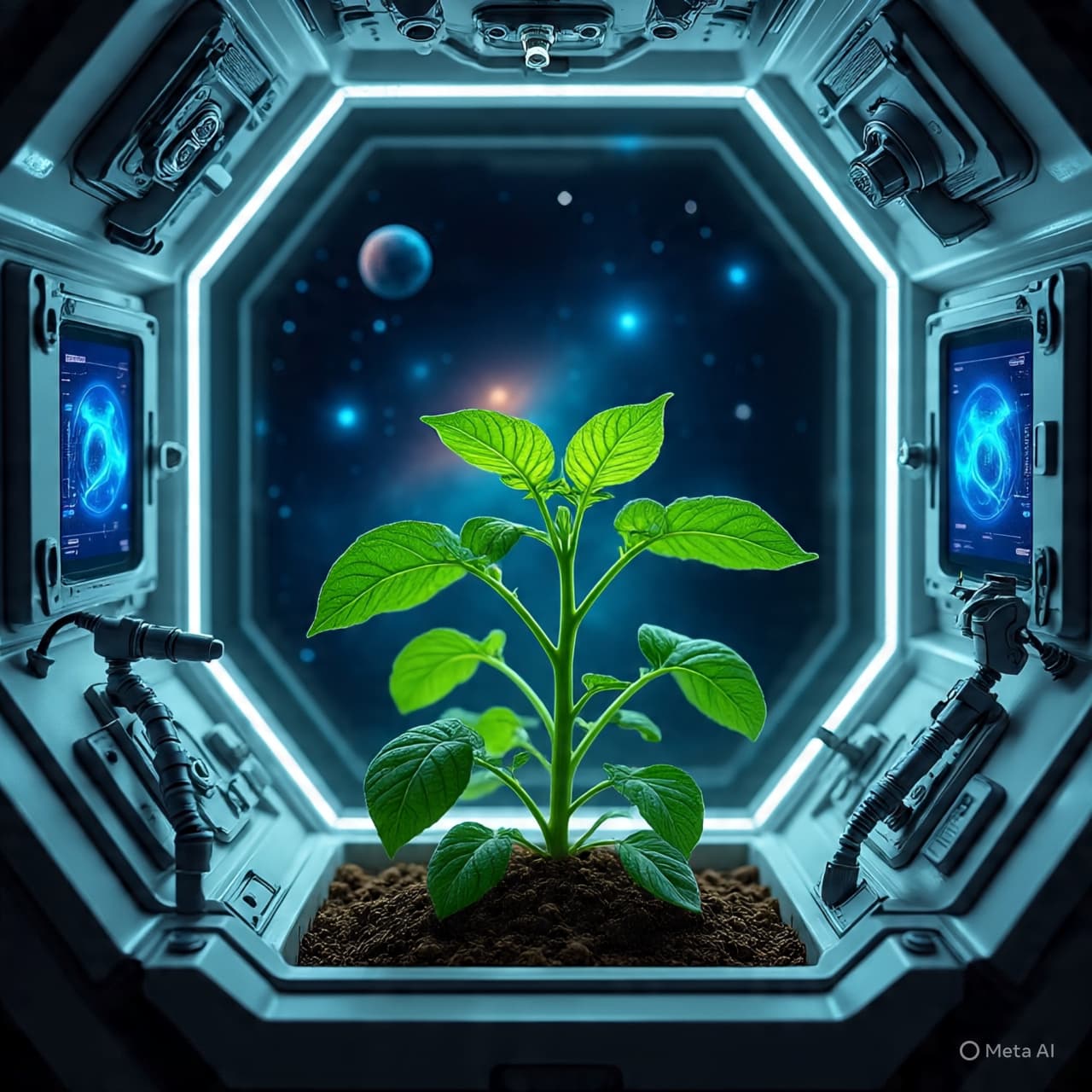
NASA’s space-grown potato sparked online reactions, but it’s part of routine research into growing food in space for future missions.
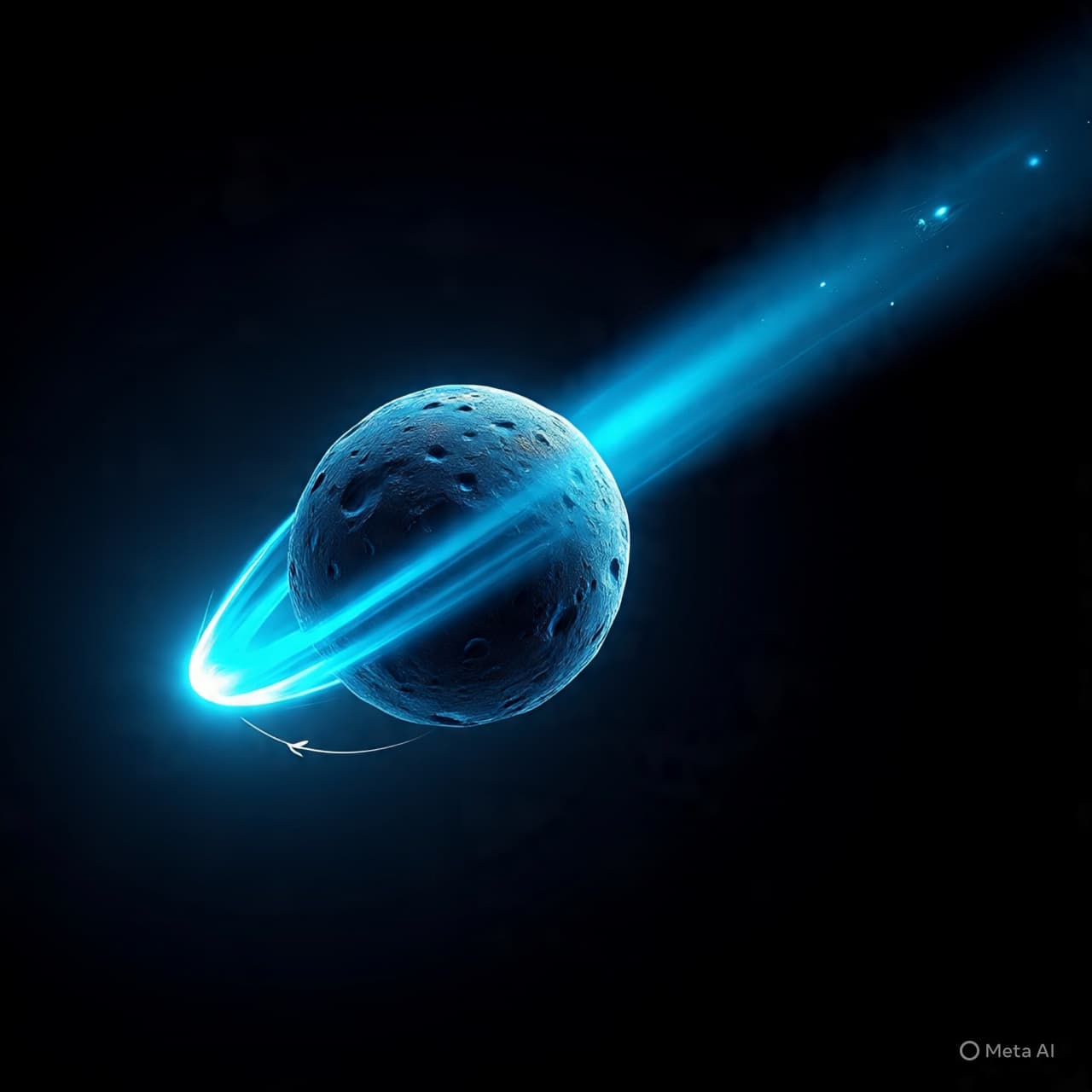
NASA found a small comet slowed its spin and reversed direction due to gas jets from solar heating, revealing new insights into comet behavior and instability.
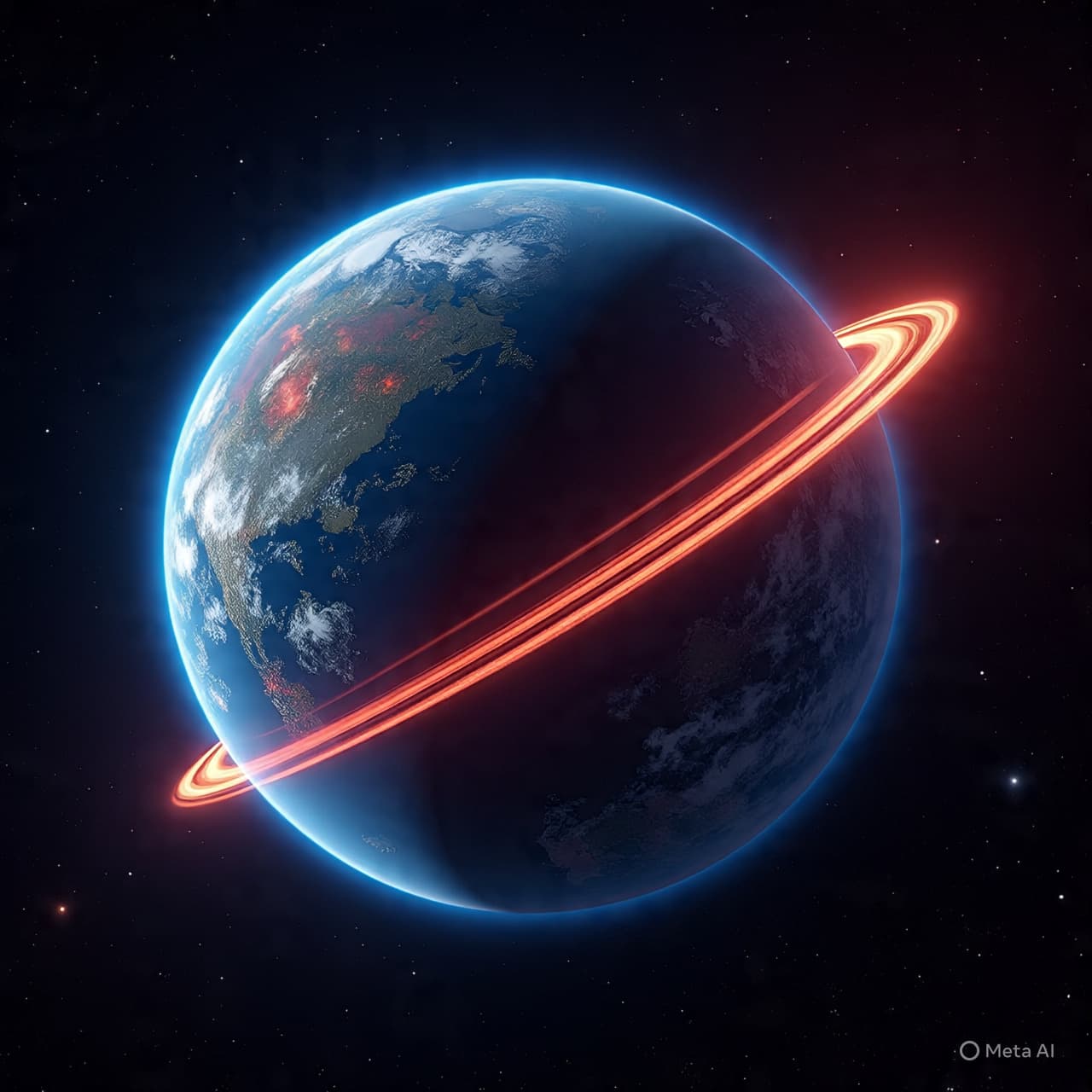
Mars-like planets near M-dwarfs may lose their atmospheres in millions of years due to radiation and stellar winds, challenging long-term habitability.

Scientists say the recent surge in fireballs is not linked to comet 3I/ATLAS, but likely due to natural variability and increased observations.
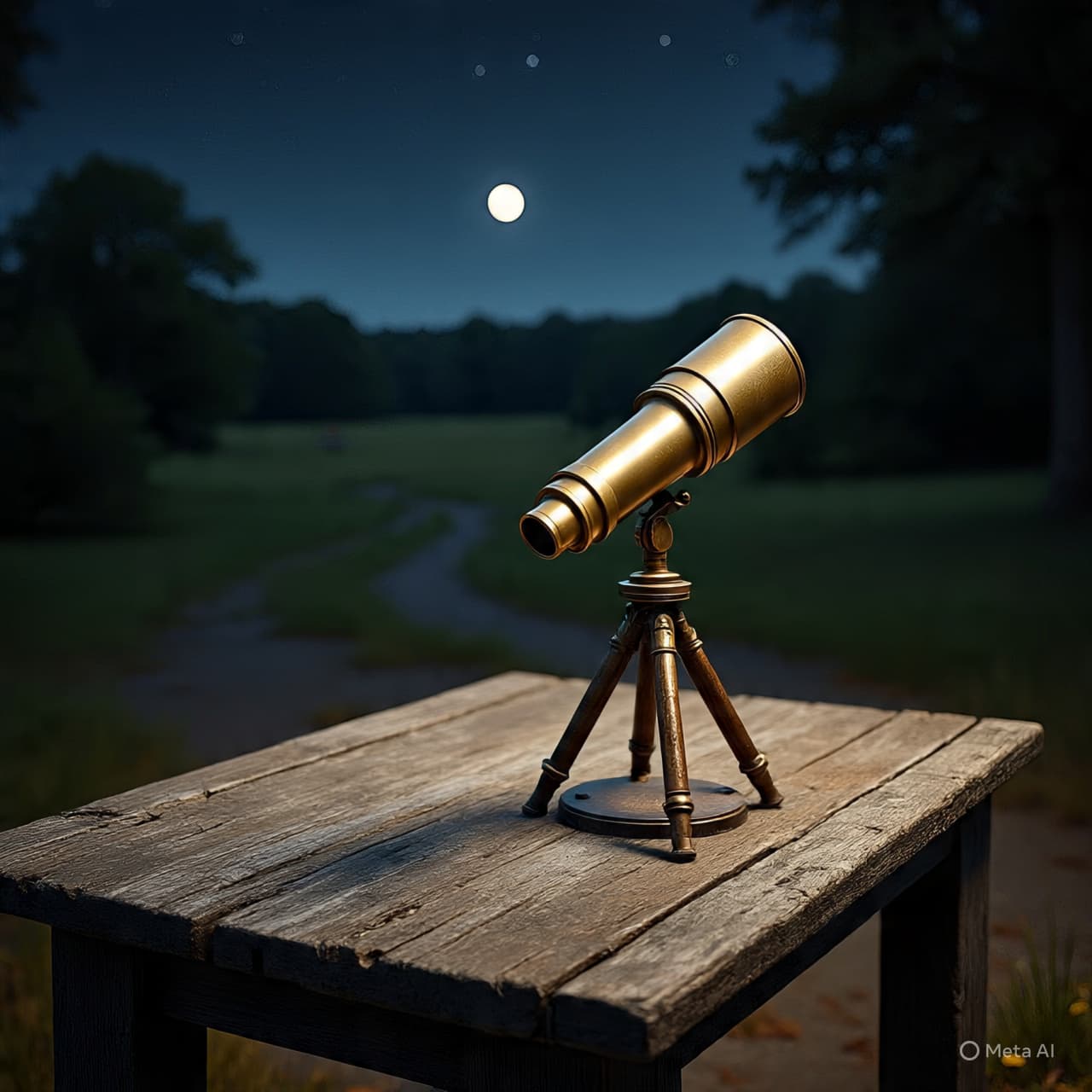
A discounted Celestron FirstScope telescope draws renewed interest, offering an accessible, beginner-friendly way to observe the Moon and bright night sky objects.

Experiments in quantum physics suggest events may occur without a fixed sequence, challenging traditional causality and offering new possibilities for quantum computing.
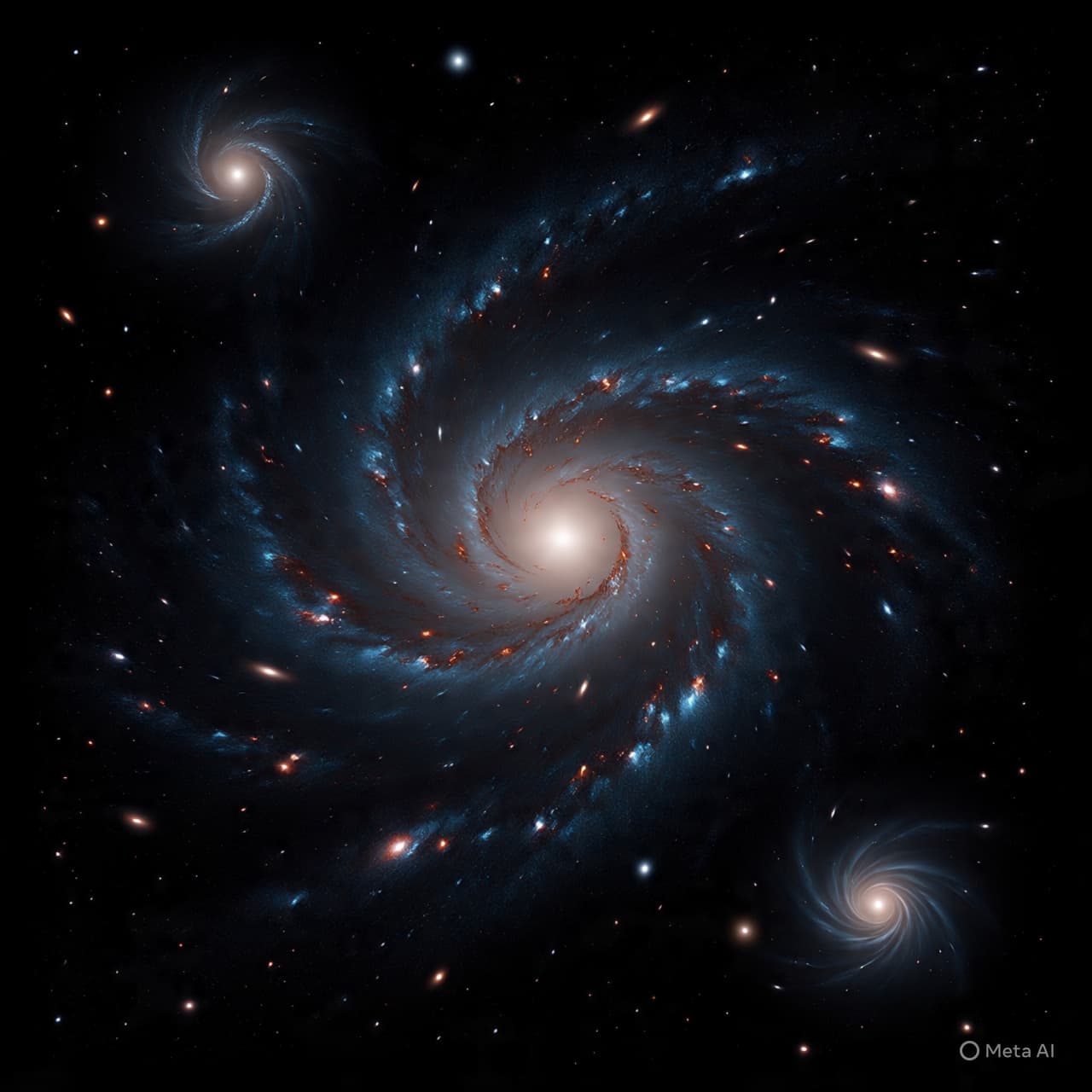
New research suggests dark matter may consist of multiple components, not a single particle, offering possible explanations for cosmic structure inconsistencies.
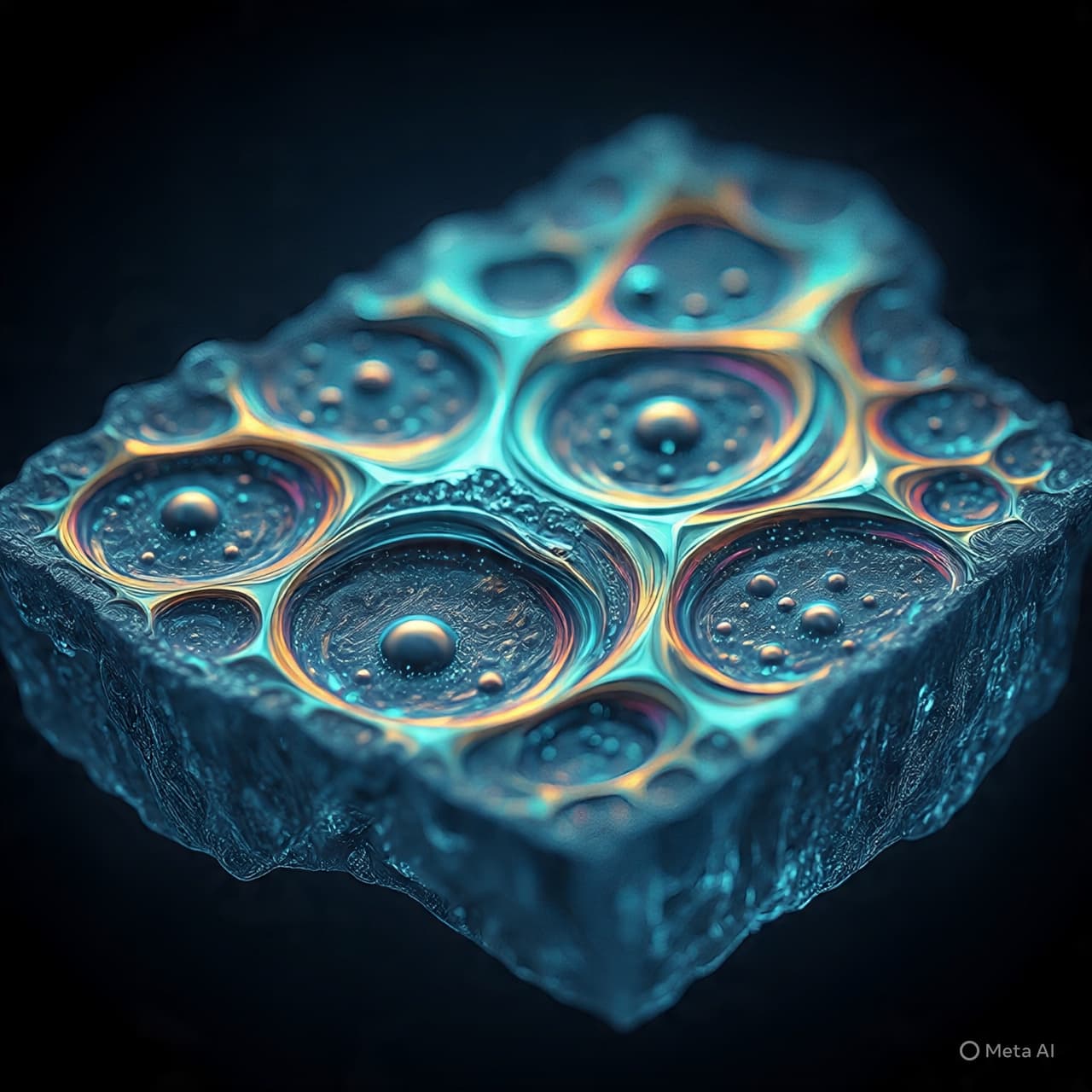
A thin quasi-liquid layer on ice surfaces controls how ice and similar materials grow, enabling molecular motion and shaping crystal formation even below freezing.