There are places where the ground feels ordinary beneath our feet—where fields stretch quietly, and the past seems to rest undisturbed. Yet, every so often, the earth offers a gentle reminder that it remembers more than it reveals. Beneath layers of soil and time, stories remain folded into silence, waiting for the moment when they can be uncovered and understood.
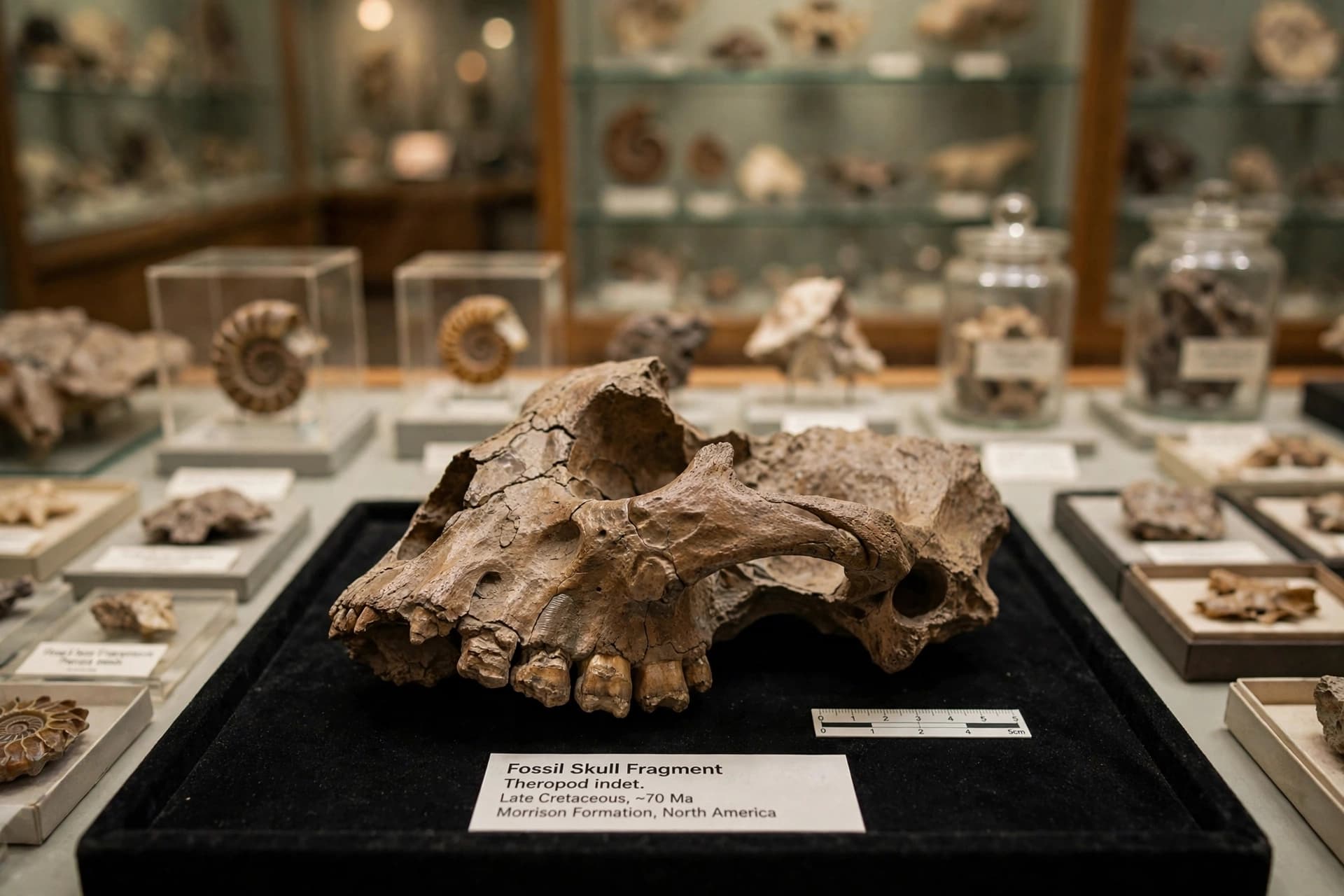
In the state of Texas, scientists have recently uncovered what is being described as a hidden graveyard dating back to the Ice Age. The discovery, made through careful excavation and analysis, reveals a collection of fossilized remains from animals that lived tens of thousands of years ago. These are not isolated finds, but part of a broader assemblage—suggesting a site where life, and its ending, gathered in ways that are only now beginning to be interpreted.
The remains include large mammals characteristic of the Ice Age, such as mammoths, ancient bison, and other now-extinct species that once moved across landscapes very different from those seen today. Their presence in a single location raises questions about how they came to rest there. Was it a natural trap, a water source that drew animals together, or the result of environmental changes that gradually concentrated life in one place?
Such sites are often referred to as “bone beds,” where the accumulation of remains offers a snapshot of a distant past. Each fossil carries clues—marks on bone, patterns of wear, and the surrounding sediment—all contributing to a larger picture of the environment and conditions of the time. Through these details, scientists can begin to reconstruct not only what species were present, but how they lived, moved, and interacted with their surroundings.
The Ice Age itself was a period marked by shifting climates, advancing and retreating ice sheets, and changing ecosystems. In regions like Texas, which lay beyond the reach of major glaciers, the effects were still significant. Cooler temperatures and altered rainfall patterns shaped the vegetation and the availability of resources, influencing the behavior and distribution of animals.
What makes this discovery particularly notable is its potential to deepen understanding of these dynamics. By studying the arrangement and condition of the fossils, researchers may be able to determine whether the animals died over an extended period or as part of a more concentrated event. Such insights can inform broader discussions about extinction, migration, and environmental stress during the late Ice Age.
There is also a quiet sense of continuity in these findings. The land that now supports modern ecosystems once held entirely different forms of life, yet the processes that shape it—climate, water, and time—remain connected across eras. The graveyard beneath Texas becomes not only a record of loss, but a point of connection between past and present.
As excavation continues, scientists are working methodically, preserving the site and documenting each discovery with care. Advances in dating techniques and analysis allow for increasingly precise interpretations, turning fragments of bone into narratives that extend across thousands of years.
In recent updates, researchers have indicated that further study of the site is ongoing, with additional findings expected as excavation progresses. The discovery is being examined within the broader context of North American Ice Age research, contributing to a growing body of knowledge about prehistoric life and environments.
AI Image Disclaimer Illustrations were produced with AI and serve as conceptual depictions.
Source Check (Credible Media & Journals): Science Nature National Geographic Smithsonian Magazine BBC News
Published by Banx Network. This article is part of the Banx decentralized media programme, powered by the BXE token on the XRP Ledger.