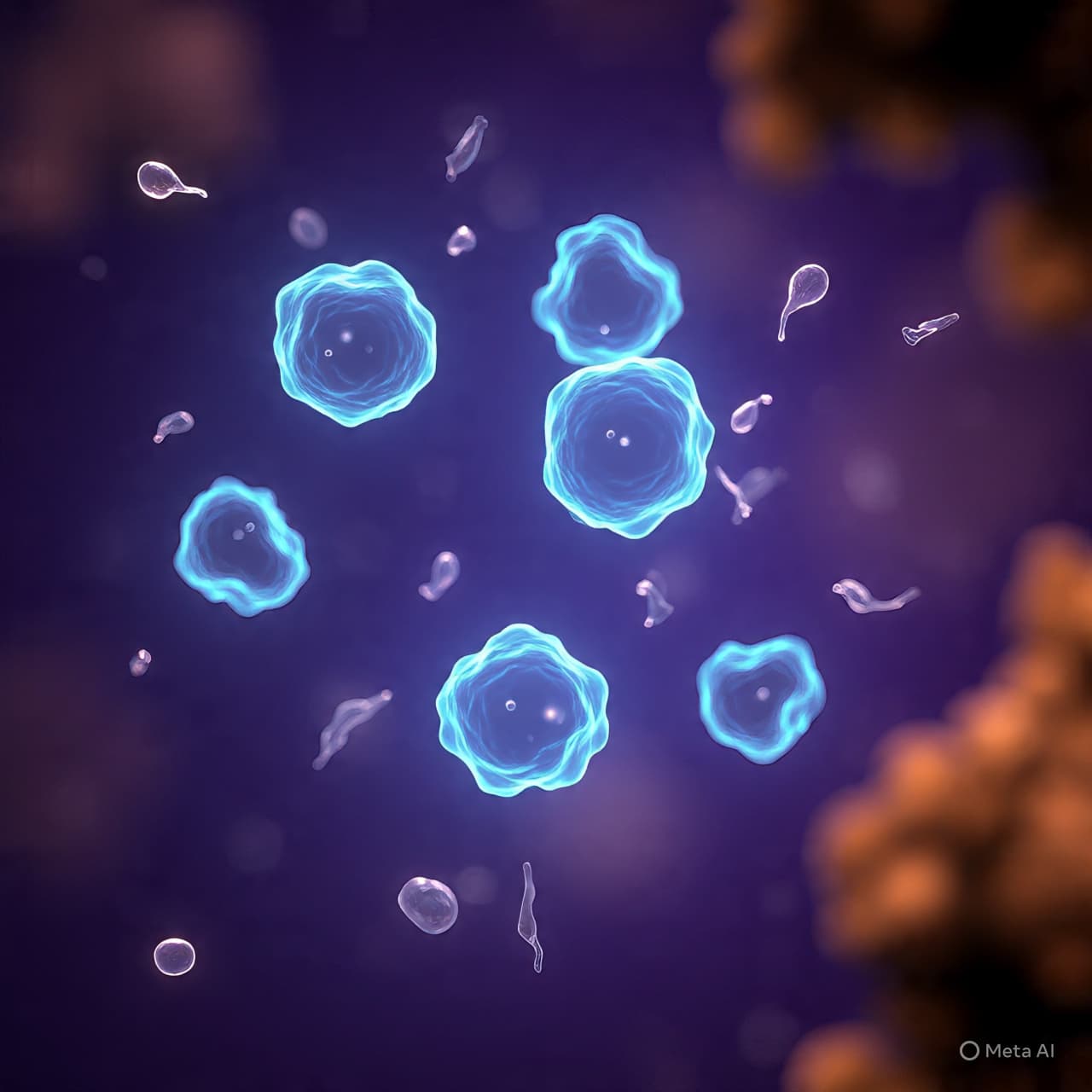
There are moments in science that resemble a quiet negotiation with nature—where progress does not come from force, but from understanding what has long been whispered beneath the surface. In the realm of medicine, few conversations are as delicate as the one between living cells and oxygen. Like travelers carrying fragile messages, therapeutic cells move through the body with purpose, yet their journey is often interrupted by an absence so fundamental it is almost invisible. Oxygen, the quiet sustainer of life, becomes both a gatekeeper and a silent obstacle in the promise of cell-based drug delivery.
In recent years, cell-based therapies have emerged as one of the most hopeful frontiers in modern medicine. From engineered immune cells targeting cancer to stem cells designed to repair damaged tissue, these living treatments offer something traditional drugs cannot: adaptability, responsiveness, and a sense of biological intelligence. Yet, their success is often shaped by the environments they enter—many of which are unexpectedly hostile. Tumors, inflamed tissues, and damaged organs frequently exist in low-oxygen conditions, known as hypoxia, where even the most advanced therapeutic cells struggle to survive, let alone perform.
The oxygen problem, as researchers have come to describe it, is not simply about scarcity. It is about timing, distribution, and balance. Cells introduced into the body may find themselves in regions where oxygen levels fluctuate unpredictably, or where blood supply is insufficient to sustain them. In such environments, their ability to release drugs, attack diseased cells, or regenerate tissue becomes compromised. What begins as a promising intervention can gradually lose its potency, not through failure of design, but through the quiet resistance of biology itself.
To address this, scientists are exploring solutions that feel almost architectural in nature—designing microenvironments that can support life where it would otherwise fade. One approach involves engineering oxygen-generating materials that can accompany therapeutic cells, releasing small, controlled amounts of oxygen over time. These materials act like portable life-support systems, extending the functional lifespan of the cells and allowing them to operate more effectively within oxygen-poor regions.
Another avenue focuses on reprogramming the cells themselves. By enhancing their metabolic flexibility, researchers aim to create cells that can adapt to low-oxygen conditions, shifting their internal processes to maintain function even when oxygen is scarce. This strategy mirrors the resilience found in certain natural systems, where organisms evolve to thrive under constraints that would challenge others.
There is also growing interest in improving how cells are delivered. Instead of releasing them into unpredictable environments, scientists are developing targeted delivery systems that guide cells to regions with more favorable oxygen levels, or that temporarily modify local conditions to make them more hospitable. In this way, delivery becomes not just a matter of placement, but of preparation—ensuring that the destination is as important as the journey itself.
Yet, as with many advances in medicine, progress unfolds gradually. Each solution brings new questions: how to balance oxygen supply without disrupting natural processes, how to ensure safety over extended periods, how to scale these innovations beyond controlled laboratory settings. The challenge is not only technical, but philosophical—how to work with the body’s complexity rather than against it.
What emerges from this ongoing effort is a quiet but meaningful shift in perspective. Cell-based therapies are no longer seen as standalone interventions, but as participants in a broader biological ecosystem. Their success depends not only on their design, but on the environments they inhabit and the conditions they encounter.
As research continues, the oxygen problem may come to be understood less as a barrier and more as a guide—an invitation to refine how therapies are conceived and delivered. In this evolving landscape, solutions are shaped not by overcoming nature, but by learning to move in rhythm with it. And perhaps, in that gentle alignment, the full promise of cell-based drug delivery will find its breath.
AI Image Disclaimer Visuals are created with AI tools and are not real photographs.
Source Check (Credible Media & Journals): Nature Biotechnology Science Translational Medicine Nature Reviews Drug Discovery The Lancet MIT Technology Review
Published by Banx Network. This article is part of the Banx decentralized media programme, powered by the BXE token on the XRP Ledger.