There are stories that do not begin with light, but with something quieter—something that existed before illumination found its way across the universe. Long before stars gathered themselves into brilliance, before galaxies traced their spirals across the dark, there were signals—faint, persistent, and patient. They moved without spectacle, carrying within them the earliest hints of a cosmos still learning how to shine.
To speak of a signal from before the stars is to step into a time often called the cosmic dawn, or even earlier, the so-called “dark ages” of the universe. This was a period after the Big Bang when matter had cooled enough to form neutral hydrogen, yet before the first stars ignited. It was not an absence, but a waiting—a vast expanse filled with subtle interactions, where radiation and matter began to settle into patterns that would shape everything to come.
Scientists today are attempting to listen to echoes from that era, searching for what is known as the 21-centimeter signal—a faint radio wavelength emitted by hydrogen atoms. This signal, stretched and softened by billions of years of cosmic expansion, offers a rare opportunity to understand conditions before the first starlight appeared. It is not a message in the traditional sense, but rather a trace, a signature left behind by processes too distant to observe directly.
Detecting such a signal is no simple task. It requires instruments of remarkable sensitivity, often placed in remote locations where human-made interference is minimal. Radio telescopes scan the sky with quiet persistence, filtering through layers of noise—from our own galaxy, from distant sources, and from the instruments themselves. What researchers seek is not brightness, but contrast—a subtle difference that suggests the presence of something ancient and fundamental.
Recent efforts have brought cautious excitement. Experiments such as EDGES and ongoing projects with next-generation radio arrays have reported hints of signals that may correspond to this early epoch. If confirmed, these findings could offer insights into how the first structures formed, how matter and radiation interacted, and how the universe transitioned from darkness into light. Some interpretations even suggest that these signals might carry clues about unknown aspects of physics, including the nature of dark matter.
Yet, the process of confirmation remains deliberate. Signals so faint are easily mistaken, and the line between discovery and uncertainty is carefully maintained. Scientists continue to refine their methods, cross-checking observations and developing more advanced instruments capable of isolating these elusive traces with greater confidence.
What makes this pursuit particularly compelling is not only what it might reveal, but how it reshapes our sense of time. To detect a signal from before the stars is to look not just across distance, but across epochs—to engage with a universe that existed in a state fundamentally different from what we see today. It invites a quieter form of understanding, one that acknowledges how much of existence unfolded before there was anything to illuminate it.
There is also a kind of humility in this work. The signals being sought are not dramatic bursts or visible events, but faint imprints that require patience to perceive. They remind us that knowledge does not always arrive in clarity; sometimes, it emerges gradually, through careful listening and sustained attention.
In the broader landscape of astronomy, research into these early signals continues to expand. International collaborations are developing new observatories, both on Earth and in concept for the far side of the Moon, where radio silence could provide an even clearer window into the distant past. Data analysis techniques are evolving, and theoretical models are being refined to better interpret what these signals might mean.
As of now, scientists remain engaged in verifying and deepening these observations. The search for signals from before the stars is ongoing, with future findings expected to clarify current uncertainties and open new lines of inquiry.
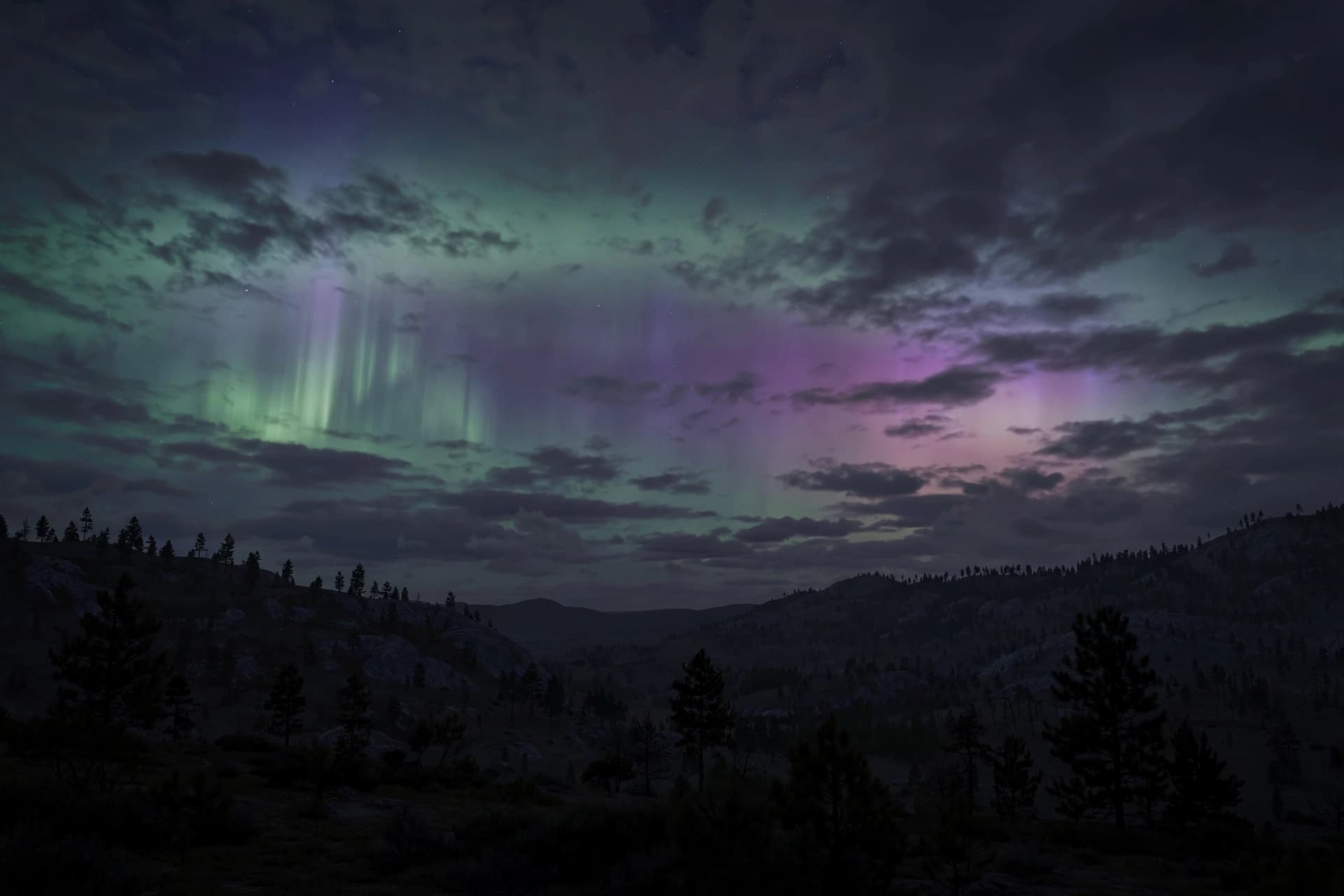
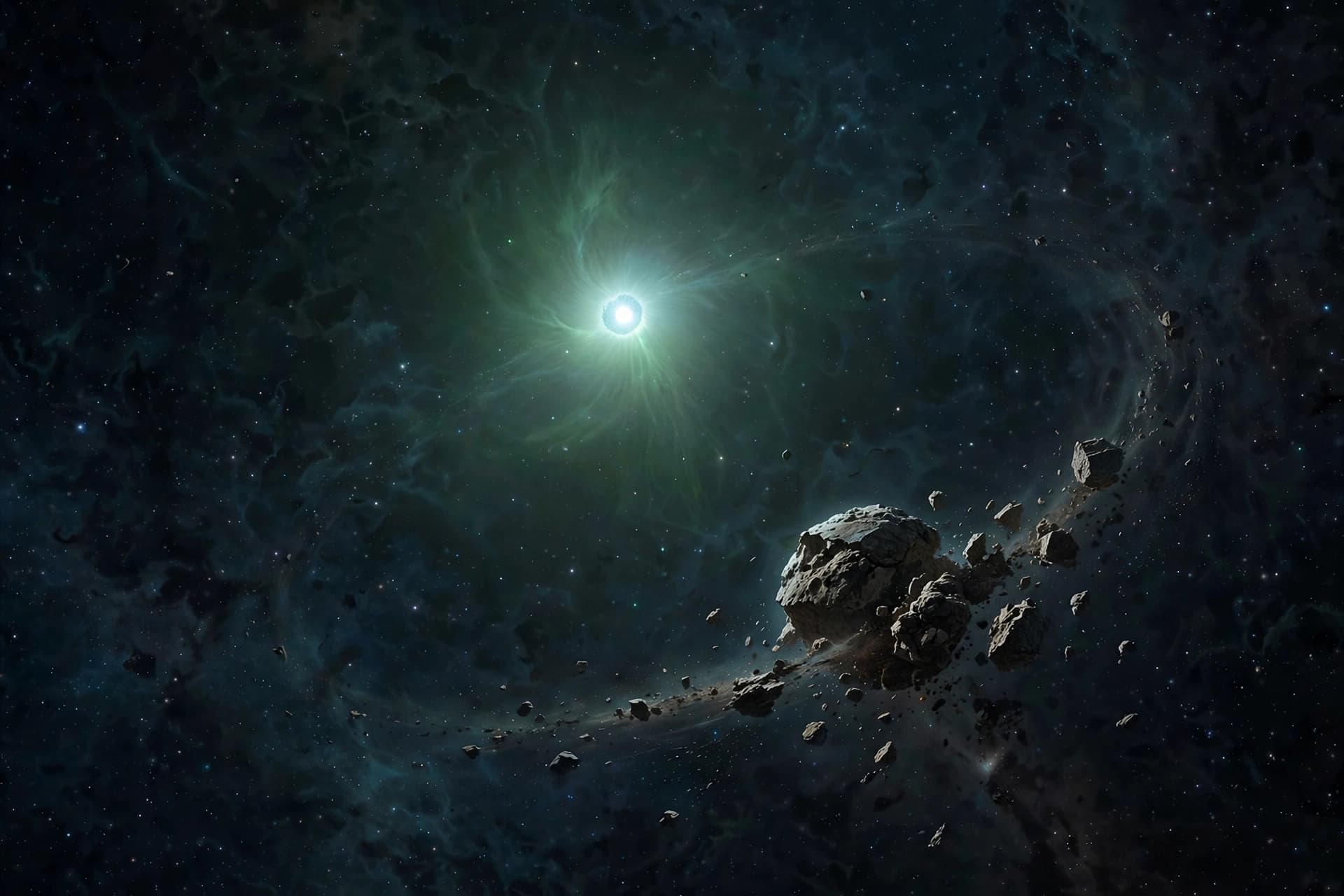
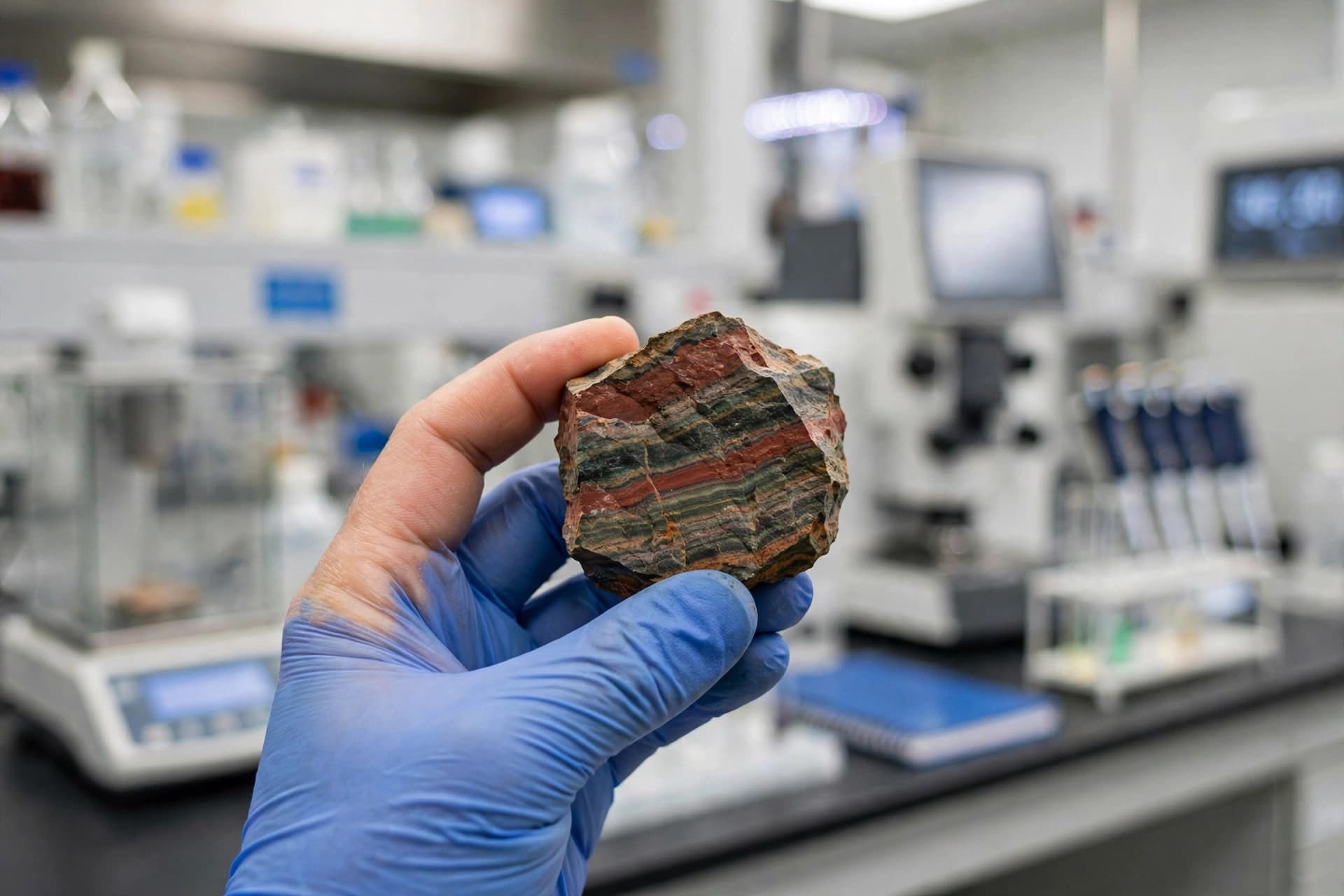
AI Image Disclaimer Graphics are AI-generated and intended for representation, not reality.
Source Check (Credible Media & Journals): NASA European Space Agency Nature Astronomy Scientific American Space.com
Published by Banx Network. This article is part of the Banx decentralized media programme, powered by the BXE token on the XRP Ledger.