There is a quiet dignity in partnership, especially when it involves reaching for the stars. For decades, Canada has been a steadfast ally in space exploration, contributing its renowned robotic expertise to international efforts. Now, as NASA’s Artemis II mission prepares to carry astronauts around the Moon, Canadian technology is once again playing a pivotal role. This collaboration is not merely a logistical arrangement but a testament to the power of shared ambition and technical excellence. It reminds us that even in the vastness of space, no nation journeys alone.
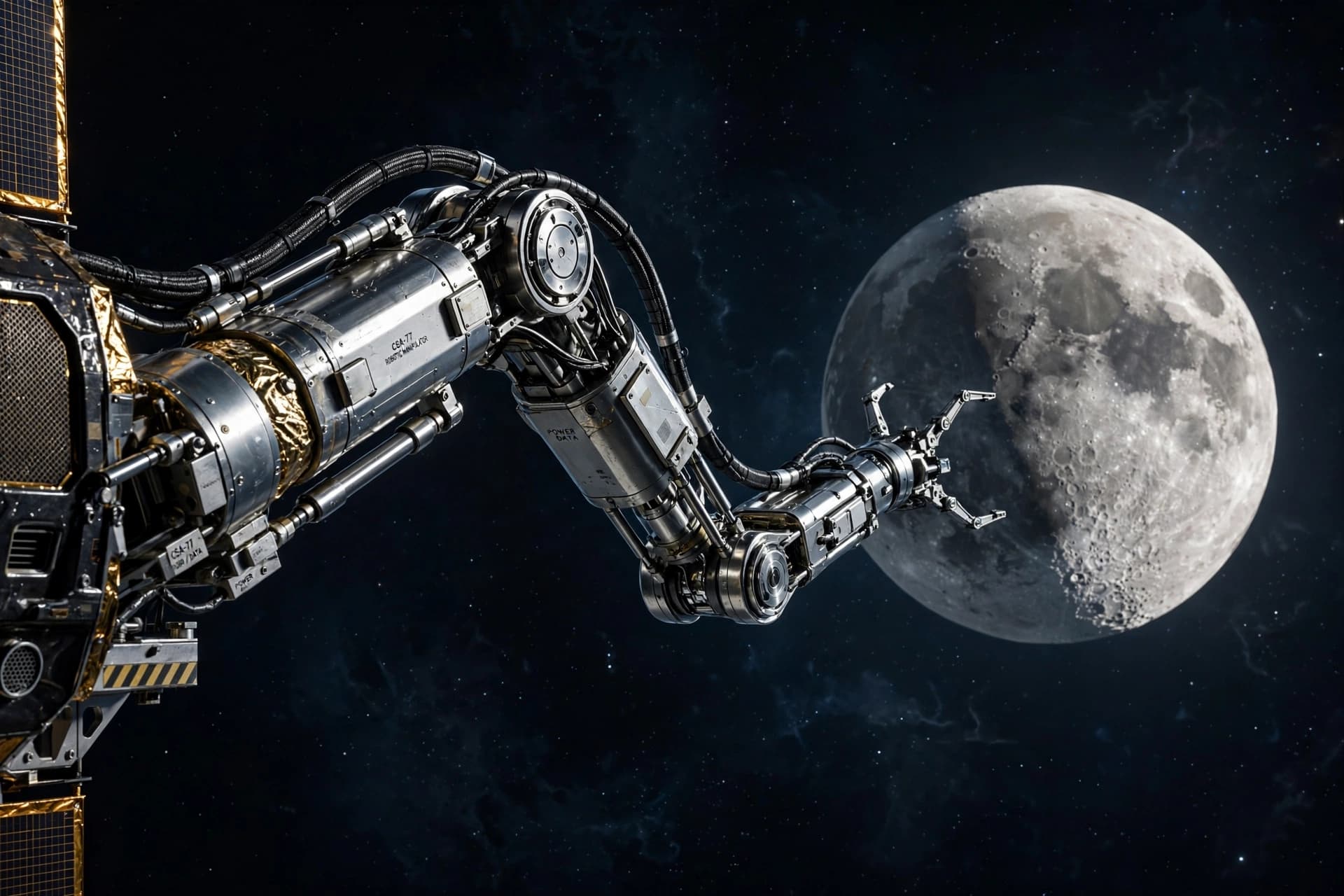
The cornerstone of Canada’s contribution is the Canadarm3, a sophisticated robotic system designed for the Lunar Gateway, the planned space station that will orbit the Moon. While Artemis II is a flyby mission that does not yet dock with the Gateway, the success of this flight paves the way for future missions where Canadian robotics will be essential. The Canadarm3 represents a leap forward in autonomy and precision, capable of performing maintenance and assisting astronauts in the harsh environment of deep space. Its development reflects years of innovation by Canadian engineers and scientists.
This technological partnership has earned Canada a seat at the table, literally and figuratively. Canadian Space Agency astronaut Jeremy Hansen joined the Artemis II crew, becoming the first non-American to fly around the Moon. His presence is a direct result of Canada’s commitment to providing critical hardware for the Artemis program. It is a reciprocal relationship, where technical contribution translates into human opportunity, allowing Canadians to participate in historic milestones of exploration.
The legacy of Canadian robotics in space is well-established, from the original Canadarm on the Space Shuttle to Canadarm2 on the International Space Station. Each iteration has built upon the last, refining capabilities and earning trust among international partners. The transition to lunar operations presents new challenges, including greater distances and communication delays. Canadarm3 is designed to meet these challenges, offering a level of independence that previous arms did not require.
For the Canadian aerospace industry, this involvement stimulates growth and innovation. Contracts related to the Artemis program support jobs and research across the country, fostering a new generation of engineers and technicians. It demonstrates how space exploration can drive economic benefits on Earth, creating a ripple effect that extends beyond the laboratory. The investment in space technology is an investment in national capability and global standing.
Beyond the hardware, there is a symbolic value to this collaboration. It signals a commitment to peaceful, cooperative exploration of the cosmos. In a world often divided by terrestrial concerns, the joint effort to return to the Moon offers a narrative of unity. Canada’s role, though smaller in scale than that of the United States, is disproportionately significant in terms of expertise and reliability. It is a reminder that size does not dictate impact.
As Artemis II launches, the eyes of the world will be on the crew and their spacecraft. But those who look closely will see the subtle imprint of Canadian ingenuity in the systems that support them. It is a quiet pride, one that comes from knowing that a piece of home is helping to guide humanity back to the Moon. This mission is not just about reaching a destination; it is about strengthening the bonds that make such journeys possible.
The Canadian technology aboard NASA’s lunar mission represents more than just hardware; it embodies a spirit of collaboration and innovation. As Artemis II marks a new chapter in space exploration, Canada’s contributions ensure that the journey is shared, safe, and successful. It is a proud moment for a nation that continues to punch above its weight in the final frontier.
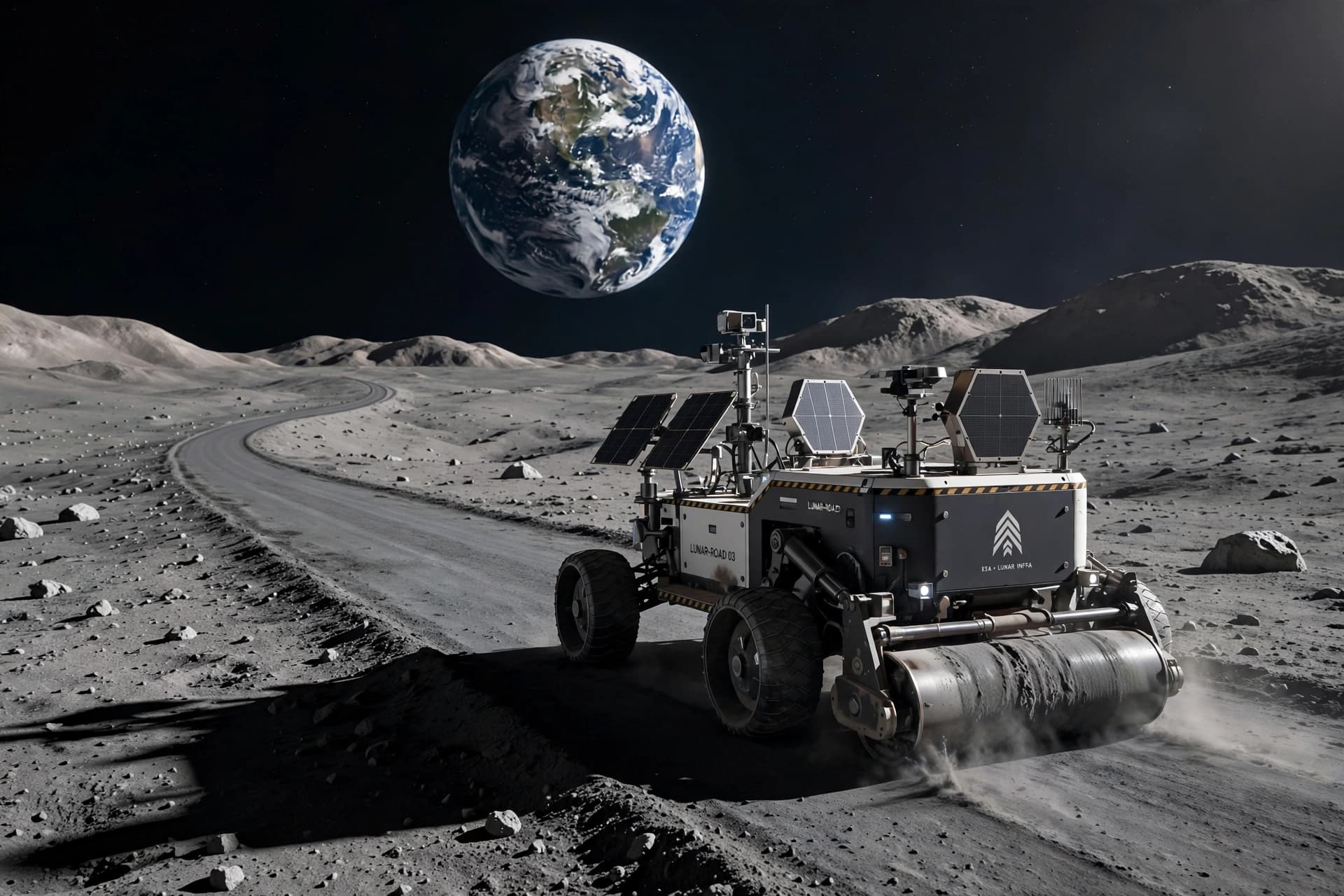
AI Image Disclaimer: The visual elements in this article are AI-generated illustrations depicting space robotics and lunar missions, not actual photographs of the Canadarm3 or Artemis II crew.
Sources: Canadian Space Agency NASA CBC News
Published by Banx Network. This article is part of the Banx decentralized media programme, powered by the BXE token on the XRP Ledger.