In the heart of Europe, beneath the bustling activity of a construction site in the Czech Republic, history lay dormant, waiting to be uncovered. Workers digging for a new development stumbled upon a treasure trove of the past: a massive collection of Ice Age mammoth bones. This accidental discovery has transformed a routine excavation into a archaeological marvel, offering a tangible connection to a time when giants roamed the land. It is a reminder that the past is never far beneath our feet, preserved in the earth’s quiet layers.
The site, located near the town of Brno, yielded thousands of bone fragments belonging to woolly mammoths. Paleontologists estimate that the remains represent dozens of individuals, suggesting that this location may have been a natural trap or a hunting ground used by early humans. The sheer volume of the find is rare, providing a rich dataset for studying the behavior, health, and extinction of these iconic creatures. Each bone tells a story of survival in a harsh, glacial world.
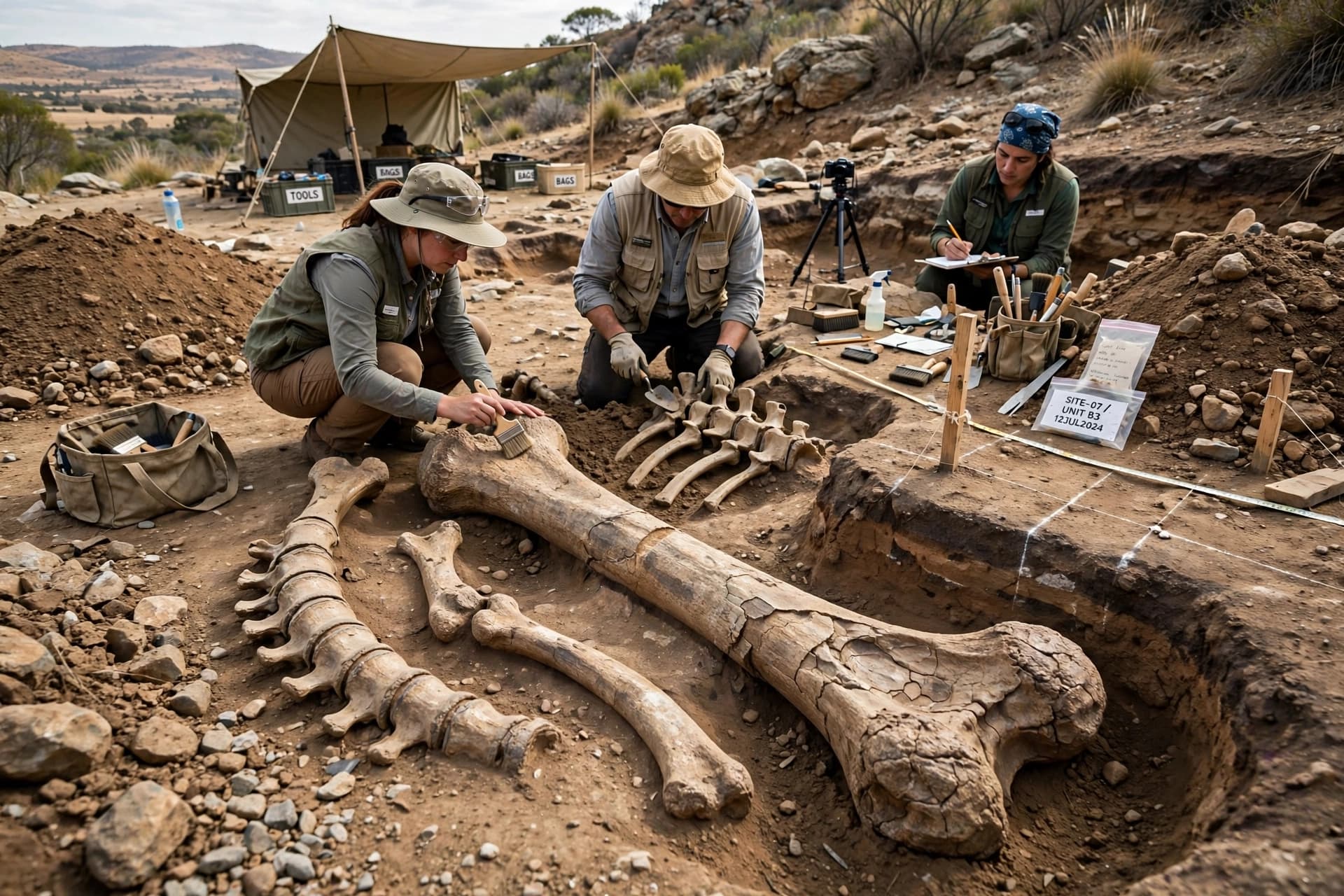
The discovery has prompted a temporary halt to construction activities, allowing experts to carefully excavate and document the site. This collaboration between developers and scientists highlights the importance of preserving cultural heritage amidst urban expansion. It demonstrates that progress and preservation can coexist, with careful planning and mutual respect. The bones are being cleaned, cataloged, and analyzed to unlock their secrets.
For researchers, the find offers insights into the ecosystem of the Late Pleistocene era. By studying the isotopes in the bones, scientists can reconstruct the diet and migration patterns of the mammoths. They can also determine the climate conditions at the time, helping to understand how environmental changes contributed to their demise. This data adds nuance to our understanding of extinction events and ecological resilience.
The presence of human tools or cut marks on the bones could also reveal details about early human interactions with megafauna. If evidence of hunting is found, it would provide valuable information about the subsistence strategies of prehistoric communities in Central Europe. Such findings help to piece together the puzzle of human evolution and adaptation in challenging environments.
Public interest in the discovery has been significant, with locals and tourists eager to catch a glimpse of the excavation. It serves as an educational opportunity, sparking curiosity about paleontology and local history. Museums and schools are already planning exhibits and programs to share the significance of the find. It brings science out of the lab and into the community, fostering a sense of shared heritage.
As the excavation continues, the anticipation builds for what else might be found. Each layer of soil removed reveals more of the narrative, connecting the present to the deep past. The mammoth bones are not just relics; they are messengers from a distant time, inviting us to reflect on our place in the long history of life on Earth.
The unearthing of mammoth bones in the Czech Republic is a remarkable event that bridges archaeology and modern development. It offers a unique window into the Ice Age, enriching our knowledge of prehistoric life. As the bones are studied and preserved, they will continue to educate and inspire, reminding us of the enduring legacy of the natural world.
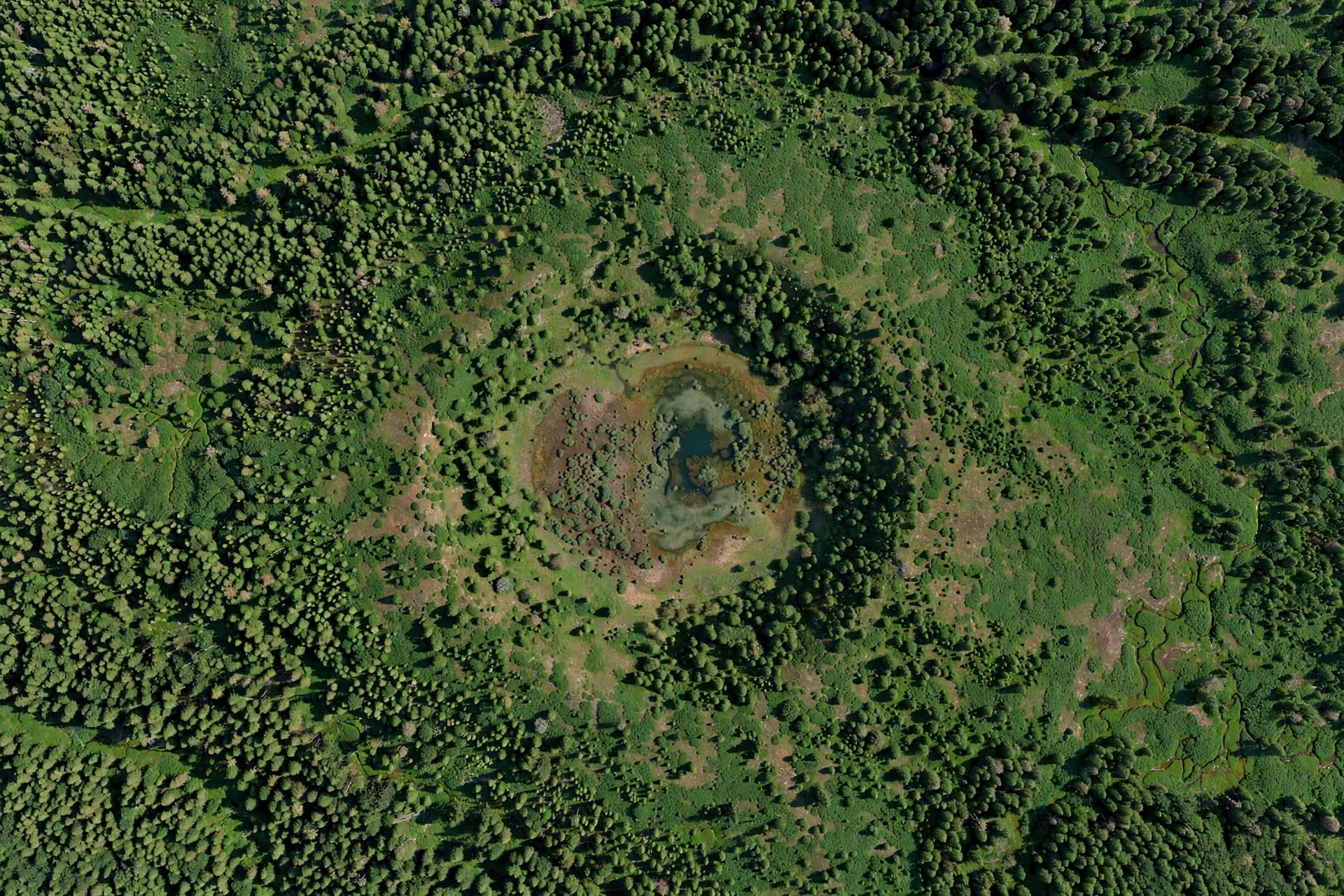
AI Image Disclaimer: The visuals in this article are AI-generated illustrations of archaeological sites and prehistoric scenes, not actual photos from the Czech construction site.
Sources: The Prague Post Archaeology Magazine Czech News Agency
Published by Banx Network. This article is part of the Banx decentralized media programme, powered by the BXE token on the XRP Ledger.