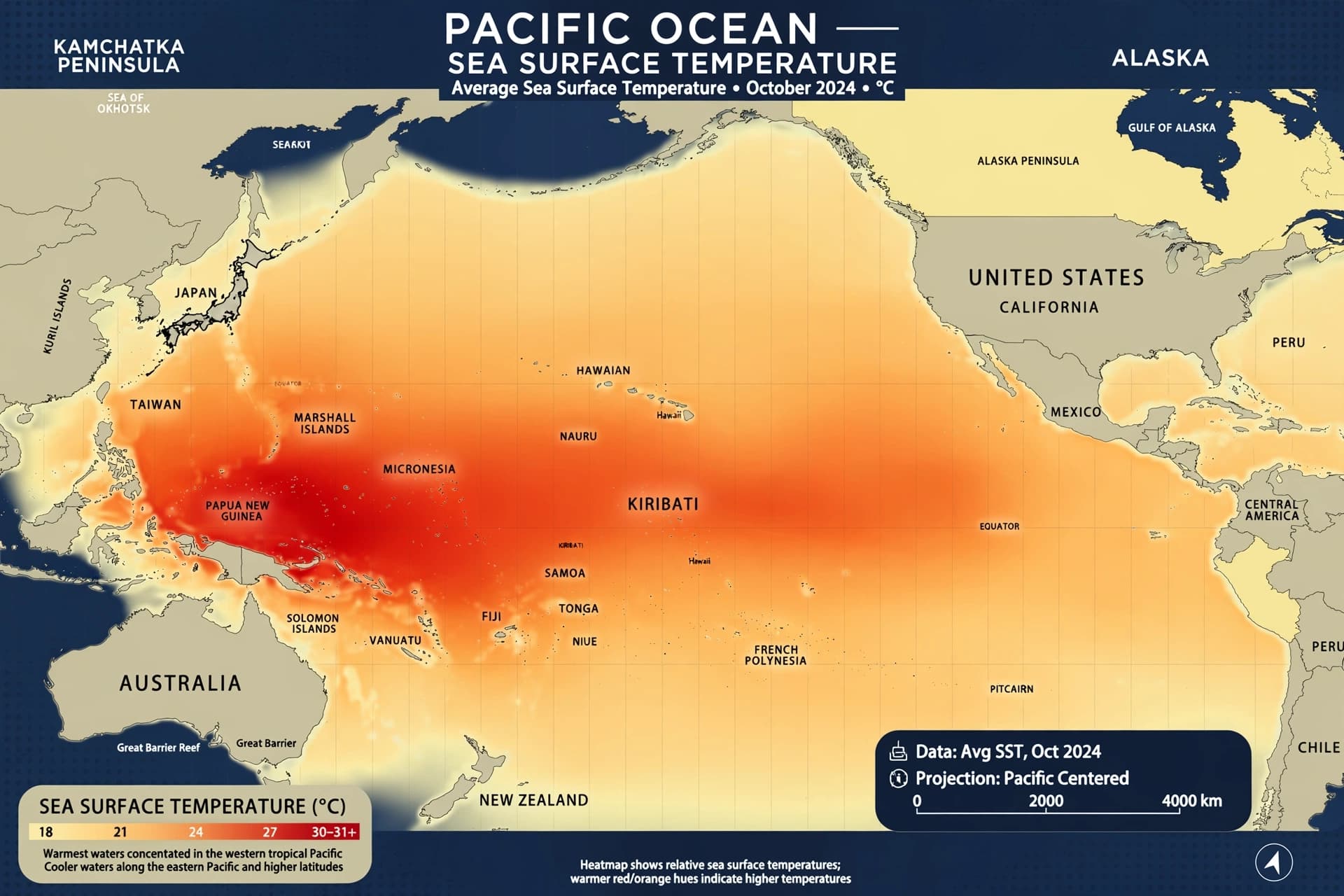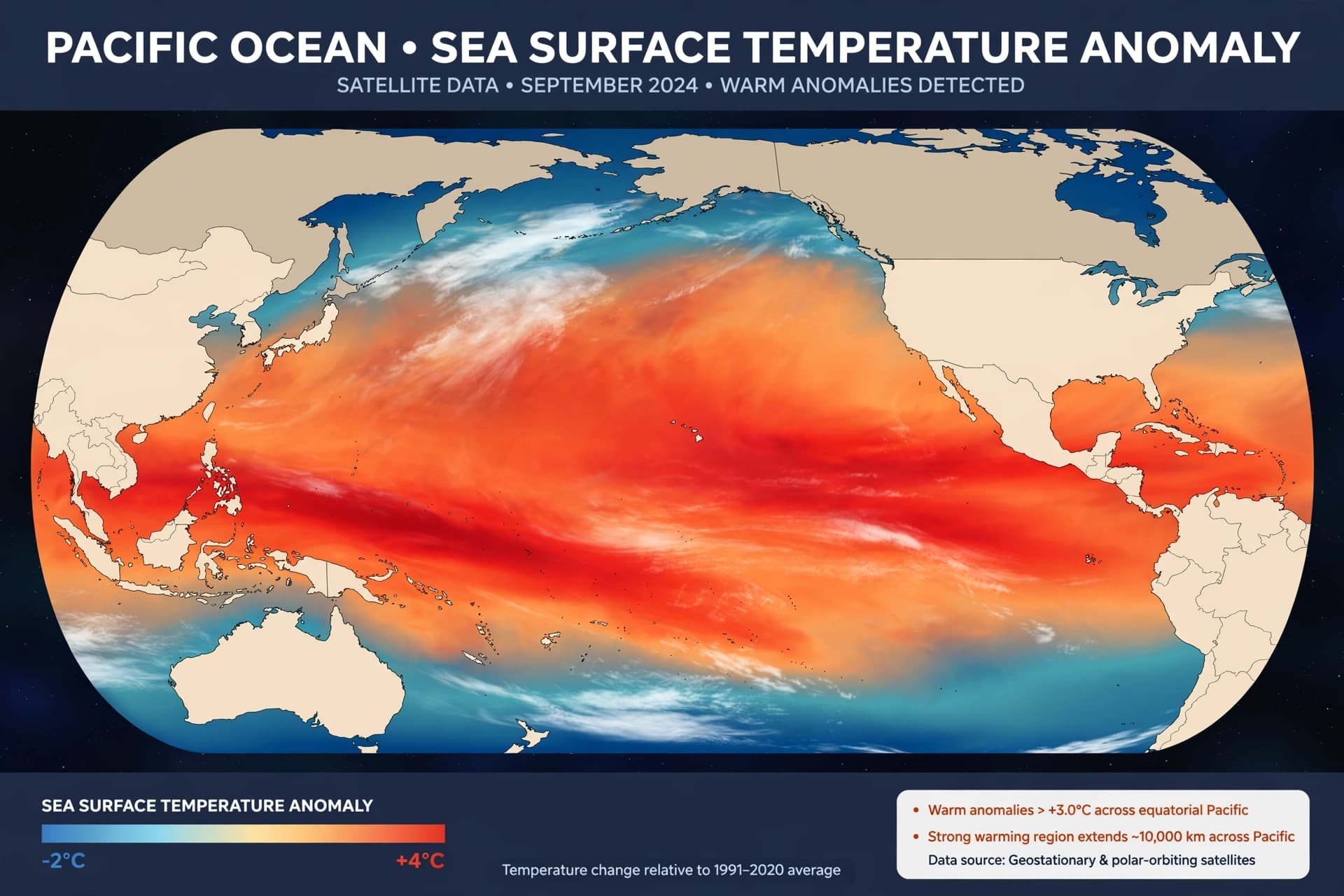
From the silent vantage point of space, Earth appears as a serene blue marble, yet beneath its calm exterior, powerful forces are constantly at work. In recent months, satellites have captured a dramatic surge in ocean temperatures across the tropical Pacific, signaling the return of El Niño. This climate phenomenon, known for its ability to reshape weather patterns worldwide, is not merely a shift in temperature but a profound reorganization of the planet’s energy balance. The data streaming from orbit offers a unique perspective on how deeply interconnected our atmospheric and oceanic systems truly are.
The latest observations reveal a significant warming of sea surface temperatures in the central and eastern Pacific, a hallmark of El Niño conditions. These changes are visible not only in thermal maps but also in the height of the ocean surface, which rises as warm water expands and moves eastward. For scientists, these satellite readings are crucial for understanding the timing and intensity of the event. The precision of modern instruments allows for real-time monitoring, providing early warnings that can help communities prepare for potential impacts.
El Niño’s influence extends far beyond the Pacific Ocean. It disrupts global weather patterns, often leading to increased rainfall in some regions and severe droughts in others. The current surge has already begun to affect marine ecosystems, altering nutrient supplies and impacting fish populations. These ecological shifts serve as a reminder of the delicate balance that sustains life in the oceans. As the climate warms due to human activity, the behavior of El Niño may become more unpredictable, adding complexity to future forecasts.
The role of satellites in tracking these changes cannot be overstated. They provide a comprehensive view that ground-based stations cannot match, covering vast areas of the ocean with consistent accuracy. This global perspective is essential for distinguishing between natural variability and long-term climate trends. By analyzing decades of data, researchers can identify patterns that help improve predictive models, offering better insights into how El Niño interacts with other climate drivers.
For coastal communities, the implications of a strong El Niño are significant. Higher sea levels and stronger storms can lead to flooding and erosion, threatening infrastructure and livelihoods. Early detection allows for proactive measures, such as reinforcing defenses and adjusting agricultural practices. The information provided by satellites empowers decision-makers to act with greater confidence, reducing vulnerability and enhancing resilience in the face of climate variability.
Beyond immediate weather effects, El Niño plays a role in the global carbon cycle. Changes in ocean temperature and circulation affect the amount of carbon dioxide absorbed by the sea. During strong El Niño events, the ocean’s capacity to absorb carbon may decrease, potentially accelerating atmospheric warming. Understanding this feedback loop is critical for accurate climate modeling and for developing strategies to mitigate greenhouse gas emissions.
As the event continues to evolve, scientists remain vigilant, monitoring every shift in temperature and wind patterns. The data collected during this period will contribute to a deeper understanding of Earth’s climate system. It highlights the importance of continued investment in space-based observation technologies, which serve as our eyes on the planet’s health. Each measurement adds to the growing body of knowledge that helps us navigate a changing world.
The surge in El Niño’s power, as revealed by satellite data, underscores the dynamic nature of our planet. It serves as a reminder of the intricate connections between ocean, atmosphere, and life. By leveraging technology to monitor these changes, we gain the insights needed to adapt and protect our communities, ensuring a more resilient future in the face of climate challenges.
AI Image Disclaimer: The visual representations in this article are AI-generated illustrations depicting satellite views of ocean temperatures and climate patterns, not actual raw data images from specific missions.
Sources: NASA Earth Observatory European Space Agency (ESA) NOAA Climate.gov
Published by Banx Network. This article is part of the Banx decentralized media programme, powered by the BXE token on the XRP Ledger.