The climate system is a complex web of interactions, where subtle shifts in ocean temperatures can ripple across the globe. El Niño, a periodic warming of the Pacific Ocean, is one of the most influential of these shifts. This year, the developing El Niño has surprised scientists by reaching record-breaking intensity weeks before its expected peak. This early surge invites reflection on the unpredictability of natural cycles and the increasing urgency of understanding our changing climate.
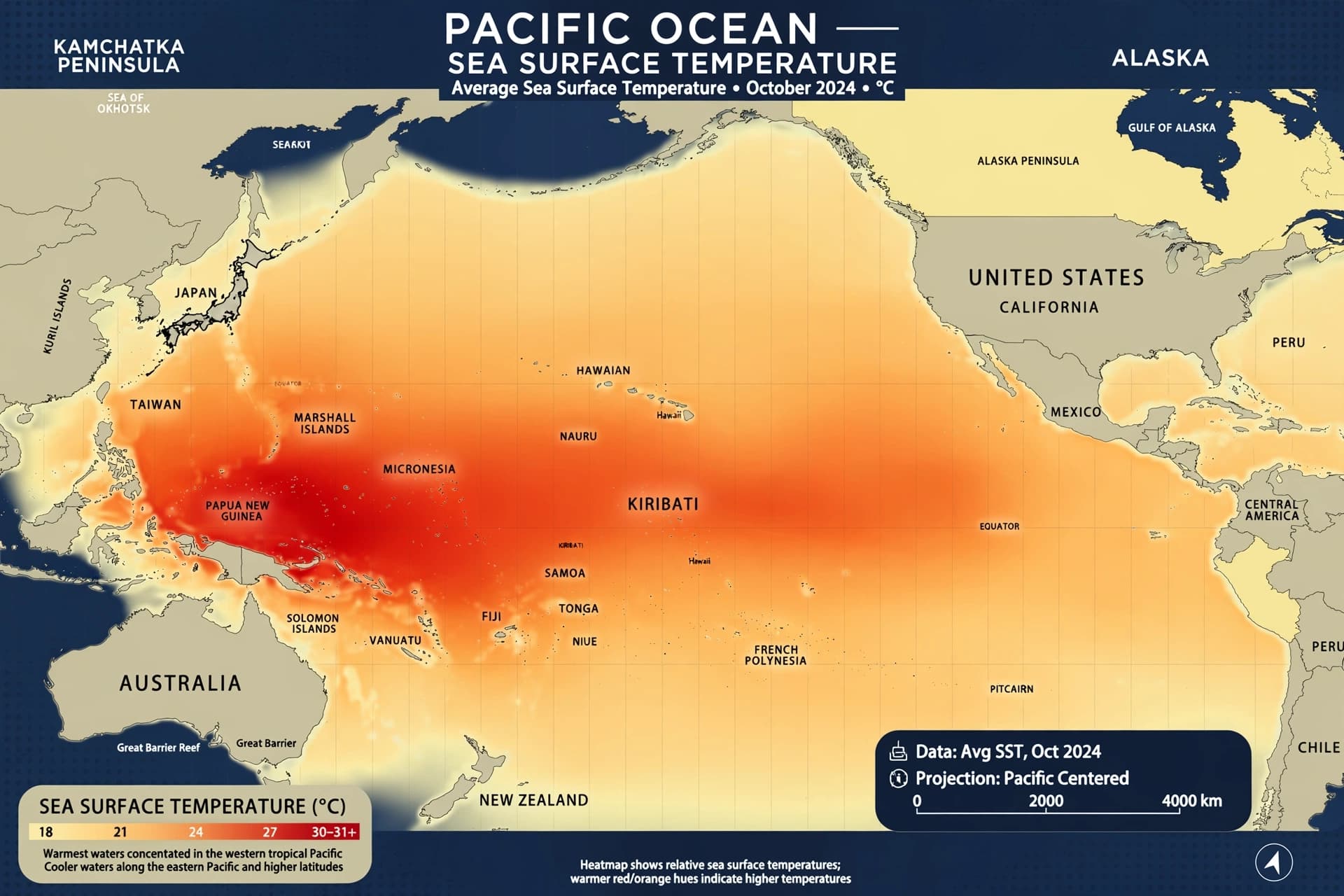
Measurements from the Niño 3.4 region, a key indicator of El Niño strength, show anomalies that surpass previous records set in 2015-2016. This "Super El Niño" has developed with remarkable speed, driven by a combination of weakened trade winds and accumulated heat in the equatorial Pacific. For climatologists, this data is both fascinating and concerning, as it challenges existing models and predictions. The early peak suggests that the event may have prolonged effects on global weather patterns.
The implications of such a strong El Niño are far-reaching. Historically, these events have been linked to increased rainfall in some regions and severe droughts in others. In the Americas, it can lead to wetter conditions in the southern United States and drier weather in the Amazon. In Asia and Australia, the risk of drought and bushfires often increases. As this El Niño strengthens, communities worldwide are bracing for these potential impacts, adjusting agricultural practices and water management strategies.
Global temperatures are also expected to rise in response to this oceanic warming. El Niño releases heat from the ocean into the atmosphere, contributing to short-term spikes in global average temperatures. Scientists warn that this could push 2026 and 2027 to new thermal highs, exacerbating the long-term trend of global warming. This intersection of natural variability and human-induced climate change creates a complex challenge for policymakers and environmentalists.
Despite the concerns, there is value in the data this event provides. Each El Niño offers insights into how the climate system responds to extreme conditions. By studying this record-breaking event, researchers can refine their models, improving future forecasts. This knowledge is crucial for developing adaptation strategies that protect vulnerable populations and ecosystems. It is a reminder that science is an ongoing process of learning and adjustment.
For the general public, the news of a record-strong El Niño may feel abstract, but its effects are tangible. From higher grocery prices due to crop failures to increased energy costs from extreme weather, the impacts touch daily life. Awareness of these connections encourages individuals and communities to support sustainable practices and advocate for climate action. It is a collective responsibility to mitigate the risks associated with such powerful natural phenomena.
As the El Niño approaches its peak, the world watches with a mix of anticipation and caution. Meteorological agencies continue to monitor ocean temperatures and atmospheric conditions, providing updates that guide decision-making. The coming months will reveal the full extent of this event’s influence, shaping weather patterns and ecological responses across the globe.
The emergence of the strongest El Niño on record is a significant milestone in climate science. It underscores the dynamic nature of our planet and the need for continued vigilance and research. As we navigate the impacts of this event, the focus remains on adaptation, resilience, and the pursuit of a deeper understanding of Earth’s climate systems.
AI Image Disclaimer: Images accompanying this article are AI-generated conceptual visualizations of ocean temperature patterns and climate data, not actual scientific maps or satellite imagery.
Sources: Carbon Brief The Climate Brink CNN Climate
Published by Banx Network. This article is part of the Banx decentralized media programme, powered by the BXE token on the XRP Ledger.