Space exploration is often defined by the machinery that carries us there, but its true frontier lies within the human body. As NASA prepares for the Crew-13 mission, the focus extends beyond orbital mechanics to the biological resilience of astronauts. This mission serves as a living laboratory, investigating how prolonged exposure to microgravity affects human health and performance. It is a profound inquiry into the limits of human adaptability, essential for our future journeys to the Moon and Mars.
The Crew-13 mission will carry a suite of experiments designed to monitor physiological changes in real-time. Researchers will track bone density loss, muscle atrophy, and cardiovascular adjustments as the crew lives and works in space. These data points are critical for understanding the long-term risks of spaceflight. By studying these effects, scientists can develop countermeasures, such as specialized exercise routines and nutritional plans, to keep astronauts healthy on longer missions.
Beyond physical health, the mission also examines cognitive performance and psychological well-being. Isolation, confinement, and the stress of high-stakes operations can impact mental sharpness and team dynamics. NASA employs various tools to assess reaction times, decision-making abilities, and mood states. Understanding these factors is vital for ensuring mission success and crew safety, particularly as missions become more autonomous and distant from Earth.
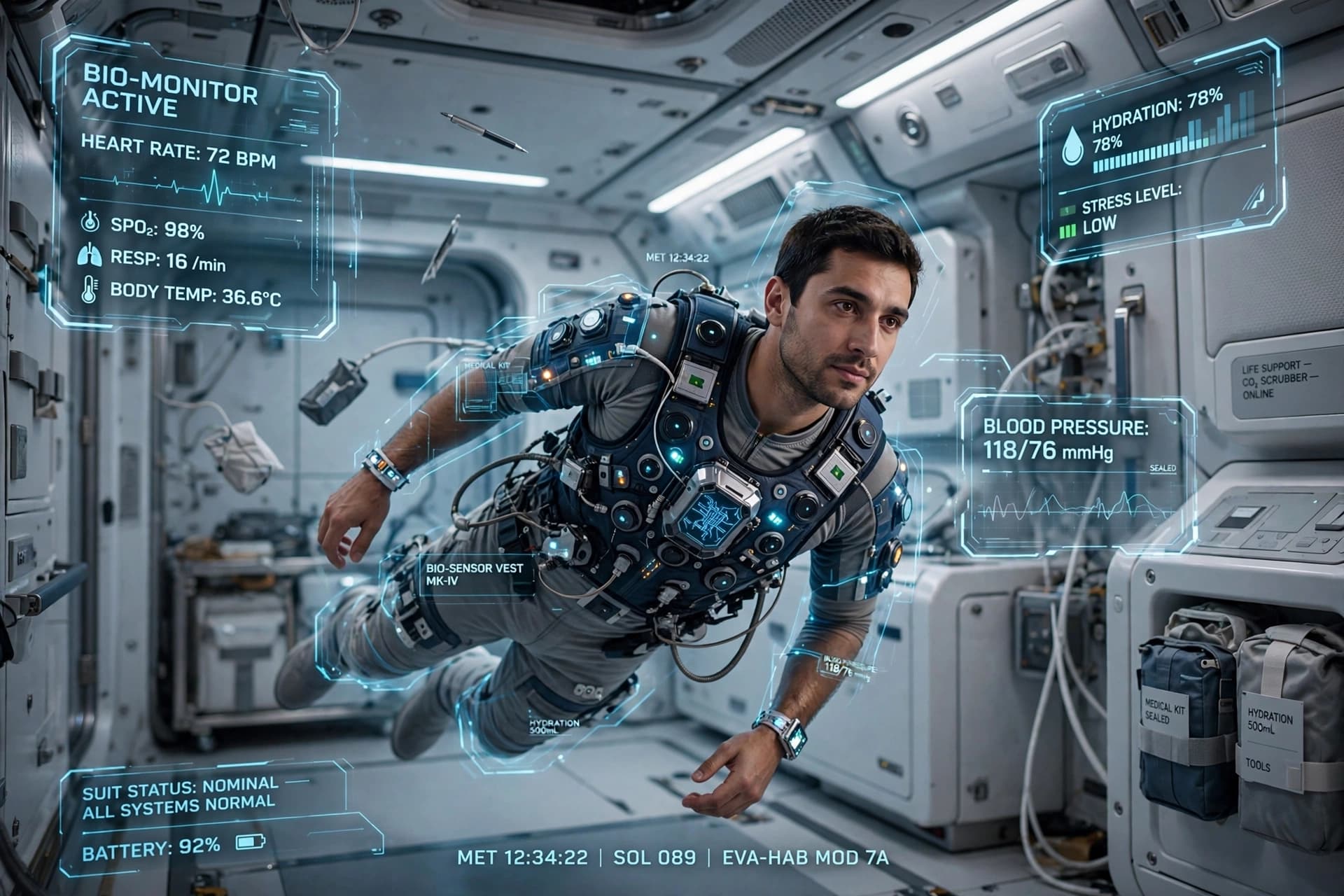
The technological advancements used in these studies are noteworthy. Wearable sensors and non-invasive imaging techniques allow for continuous monitoring without disrupting daily tasks. This integration of health tech into space operations represents a significant leap forward. It mirrors developments in terrestrial medicine, where remote patient monitoring is becoming increasingly common. Space, in this sense, acts as a catalyst for medical innovation that benefits everyone.
For the public, these studies offer a relatable connection to space exploration. Everyone understands the challenges of maintaining health under stress. Seeing astronauts undergo similar struggles humanizes them, transforming them from distant heroes into relatable individuals pushing their limits. It fosters empathy and interest in the scientific process, highlighting the personal cost and courage involved in space travel.
The findings from Crew-13 will contribute to a growing database of human spaceflight physiology. Each mission adds layers of understanding, refining models of how the body adapts to extreme environments. This cumulative knowledge is the foundation for future deep-space exploration. Without it, ambitions to colonize other worlds would remain mere fantasies, ungrounded in biological reality.
Collaboration is key to this research. NASA works with international partners and academic institutions to analyze the data. This global effort ensures that best practices are shared and that scientific rigor is maintained. It underscores the idea that space exploration is a collective human endeavor, requiring diverse expertise and shared goals.
NASA’s focus on human health during the Crew-13 mission highlights the biological challenges of space travel. By studying physiological and psychological impacts, scientists aim to ensure astronaut safety and enable future deep-space exploration. This research is a crucial step toward making humanity a multi-planetary species.
AI Image Disclaimer: The visuals in this article are AI-generated artistic interpretations of astronauts and medical monitoring in space, not actual photographs from the Crew-13 mission.
Sources: NASA Official Website Space.com Scientific American
Published by Banx Network. This article is part of the Banx decentralized media programme, powered by the BXE token on the XRP Ledger.