The fossil record is a fragmented library, with many pages torn or missing. For decades, paleontologists have puzzled over certain aspects of dinosaur biology, relying on indirect evidence and educated guesses. Now, a remarkable discovery has added a new chapter to this story. Scientists have identified a unique dinosaur artifact, preserved in exquisite detail, that offers direct answers to a long-standing biological riddle. This find is not just a new specimen; it is a key that unlocks a deeper understanding of how these ancient creatures lived and functioned.
The artifact in question is a preserved soft-tissue structure, possibly related to respiratory or reproductive systems, which rarely survives the fossilization process. Most dinosaur fossils consist of bone and teeth, leaving soft tissues to decay. However, under exceptional conditions, such as rapid burial in fine sediment, these delicate structures can be mineralized and preserved. This particular specimen provides a rare glimpse into the internal anatomy of a dinosaur, bridging the gap between skeletal reconstruction and biological reality.
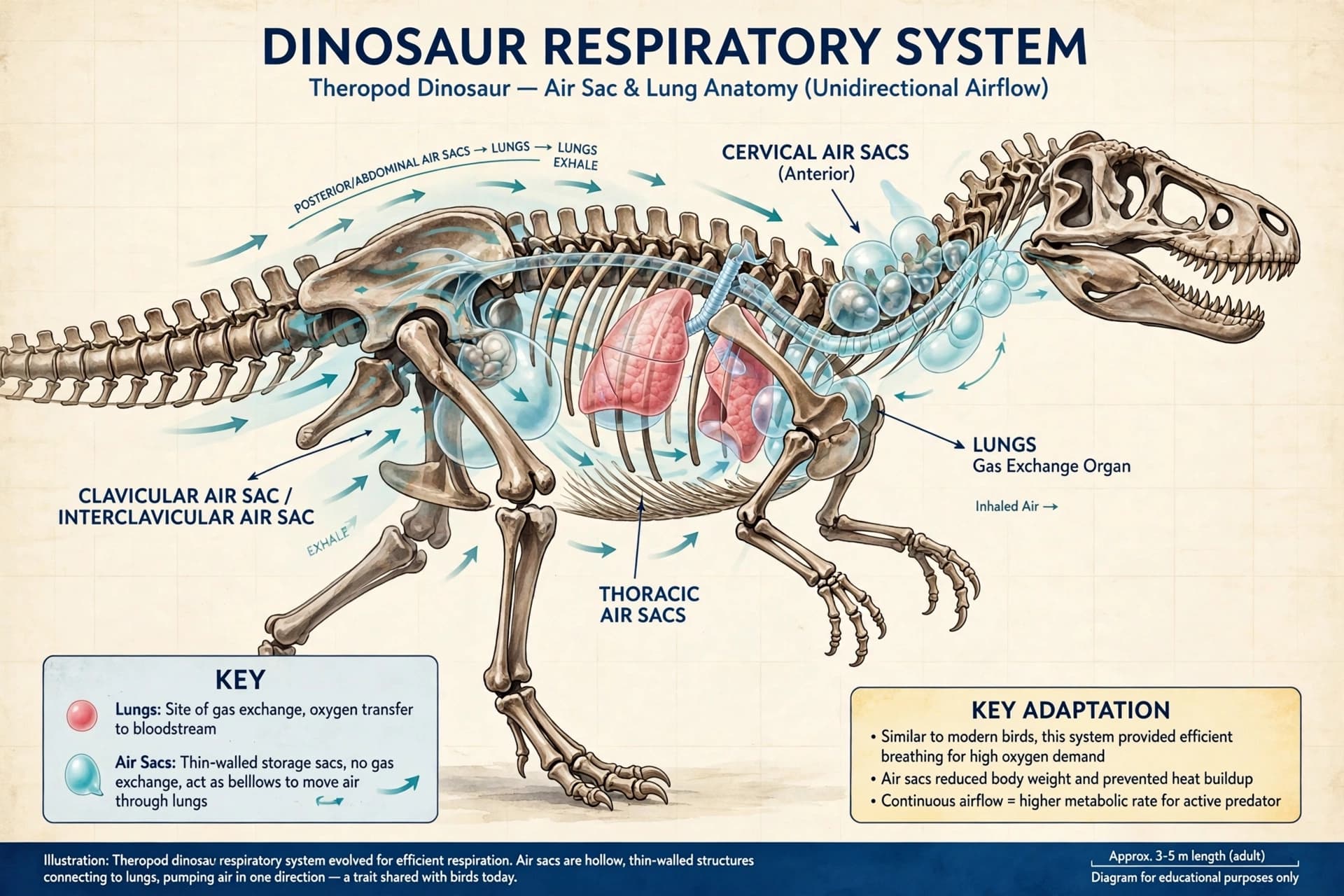
The "major riddle" it addresses concerns the efficiency of dinosaur metabolism. For years, debate has raged over whether dinosaurs were cold-blooded like reptiles or warm-blooded like birds and mammals. The newly discovered structure shows features consistent with high-efficiency gas exchange, similar to the air sacs found in modern birds. This suggests that at least some dinosaurs possessed a sophisticated respiratory system capable of supporting high metabolic rates.
This finding aligns with growing evidence that dinosaurs were active, dynamic animals rather than sluggish behemoths. It supports the theory that they occupied diverse ecological niches, requiring varying levels of energy expenditure. By providing physical evidence of their internal physiology, the artifact moves the conversation from speculation to substantiation. It allows scientists to model dinosaur behavior with greater accuracy.
The discovery was made using advanced imaging techniques, including synchrotron scanning, which allows researchers to see inside fossils without damaging them. This technology has revolutionized paleontology, revealing details that were previously invisible. It highlights the intersection of biology and technology, where modern tools unlock ancient secrets. The artifact is a testament to the power of interdisciplinary science.
For the public, the discovery reignites the imagination. Dinosaurs are perennial favorites, and any new insight into their lives captures widespread interest. This find humanizes them in a way, showing that they were complex organisms with specialized adaptations. It invites people to look at museum skeletons with new eyes, imagining the flesh and blood that once animated them.
The implications extend to evolutionary biology. By understanding how dinosaurs evolved efficient respiratory systems, we gain insights into the origins of birds. The link between theropod dinosaurs and modern avians is strengthened by this evidence, showing a clear trajectory of physiological innovation. It is a reminder that evolution is a continuous process of adaptation and refinement.
The discovery of a unique dinosaur artifact provides crucial evidence regarding dinosaur metabolism and physiology. It resolves a long-standing debate and highlights the value of advanced imaging in paleontology. As we continue to uncover these ancient secrets, our picture of the Mesozoic world becomes ever clearer and more vibrant.
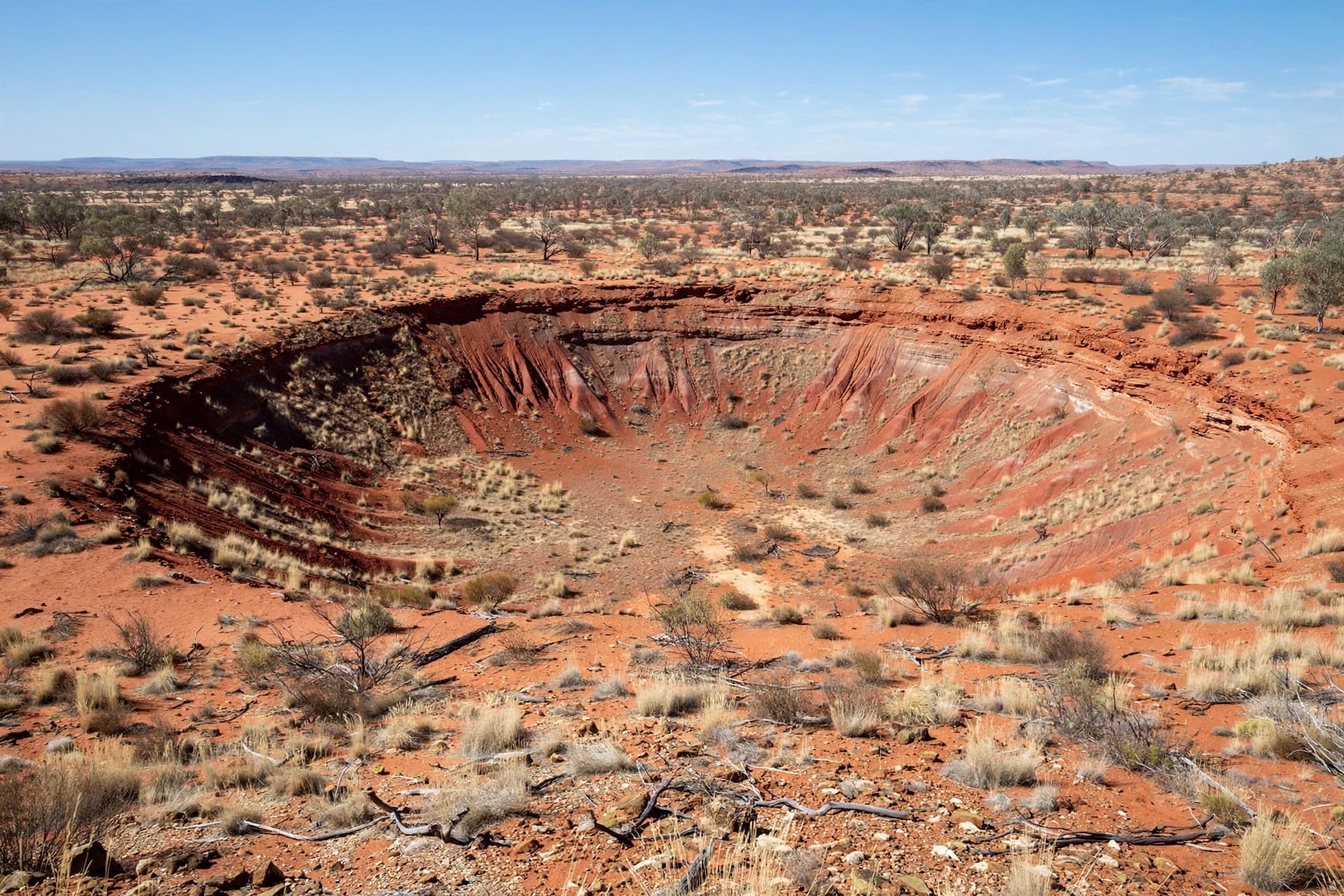
AI Image Disclaimer: The visuals in this article are AI-generated artistic interpretations of dinosaur anatomy and fossil preservation, not actual photographs of the specific artifact or excavation site.
Sources: Nature Communications Smithsonian Magazine Live Science
Published by Banx Network. This article is part of the Banx decentralized media programme, powered by the BXE token on the XRP Ledger.