
BUSINESS94% credibility
Grounded by Guilt: The Pilot Imposter
Dallas Pokornik, a Toronto man, pleaded guilty to wire fraud for posing as a pilot to secure over 200 free flights on U.S. airlines, highlighting security gaps.
2 min read

Dallas Pokornik, a Toronto man, pleaded guilty to wire fraud for posing as a pilot to secure over 200 free flights on U.S. airlines, highlighting security gaps.

New U.S. customs rules and tariffs under the Trump administration are disrupting Canadian exports, creating uncertainty for businesses and prompting retaliatory measures from Canada.

Russia and Ukraine exchanged overnight strikes, resulting in the destruction of a WHO-confirmed medical warehouse in Dnipro, raising concerns about humanitarian aid safety.
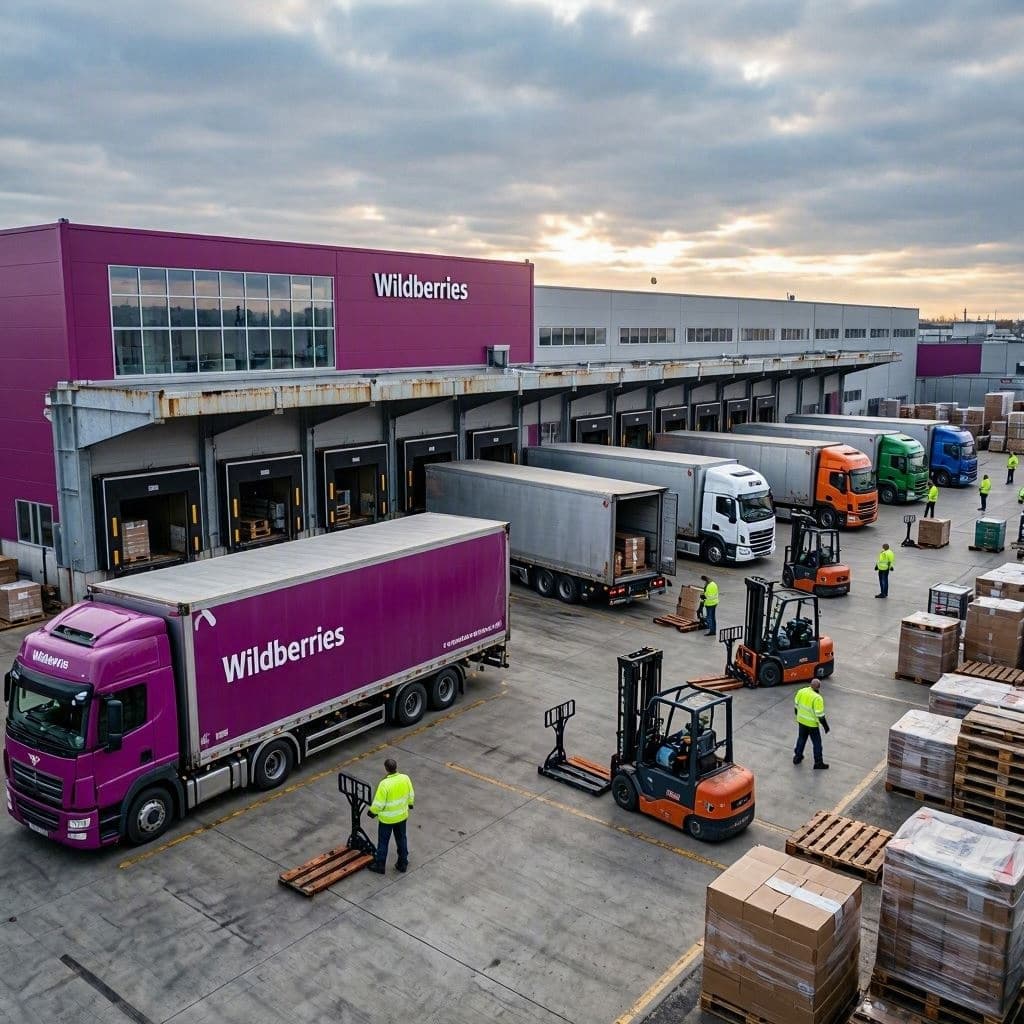
Wildberries, Russia’s largest online retailer, faces significant economic and logistical challenges due to the ongoing conflict in Ukraine, impacting its operations and supply chains.
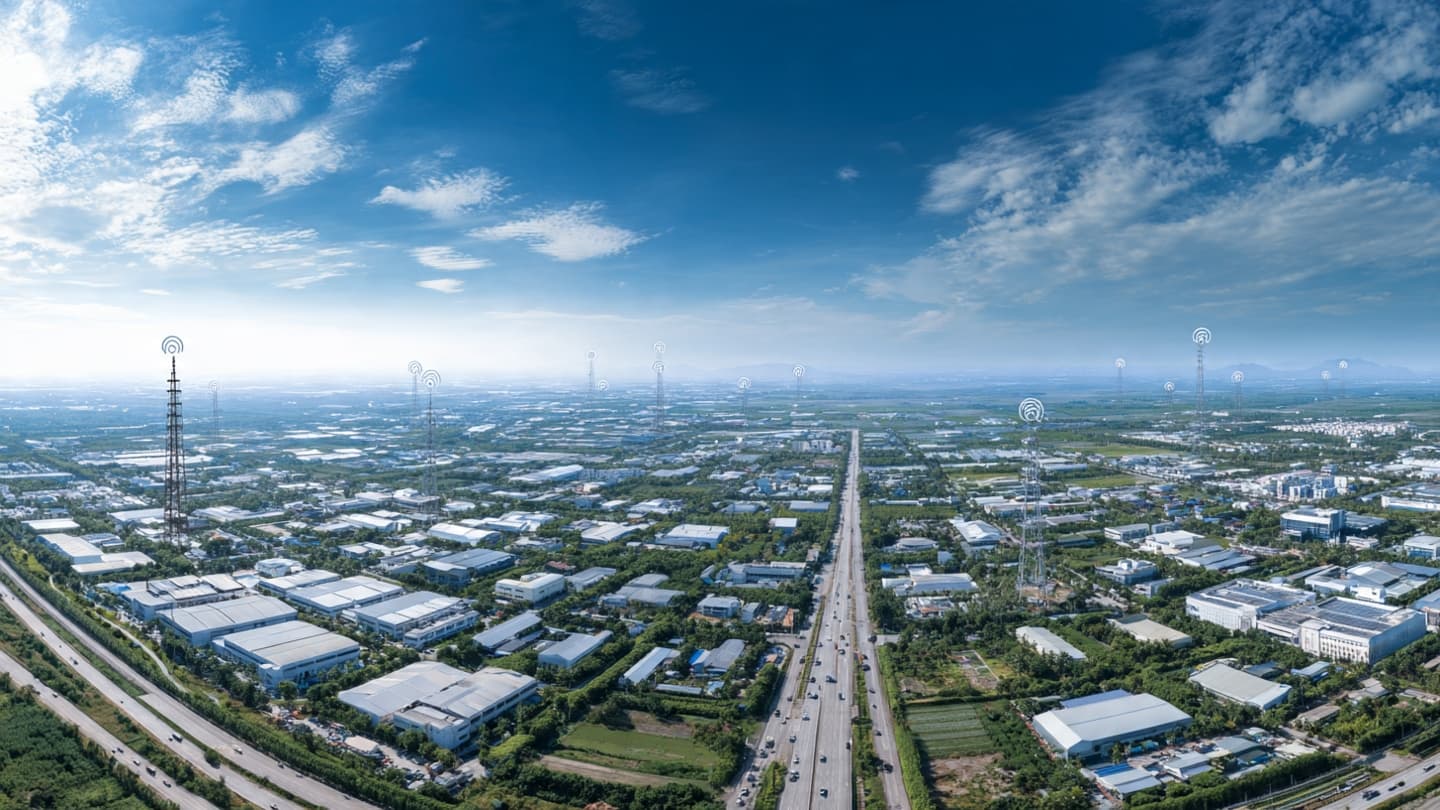
Thailand's 2026 investment surge highlights a broader digital transformation linking AI, data centers, electronics, manufacturing, energy, and skilled workers.
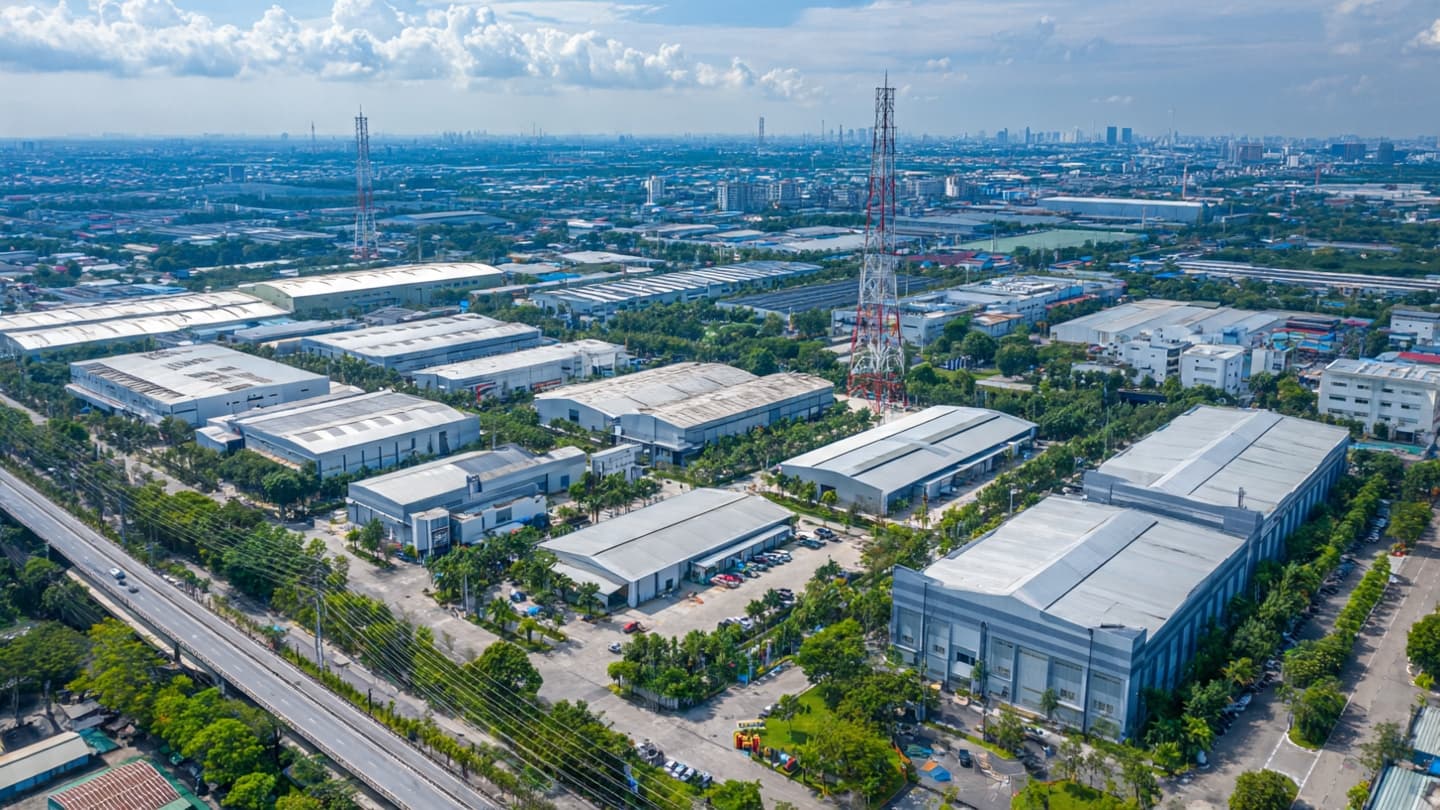
Thailand is seeking to distribute new digital infrastructure beyond Bangkok as data centers and technology investment create demand for new industrial locations.
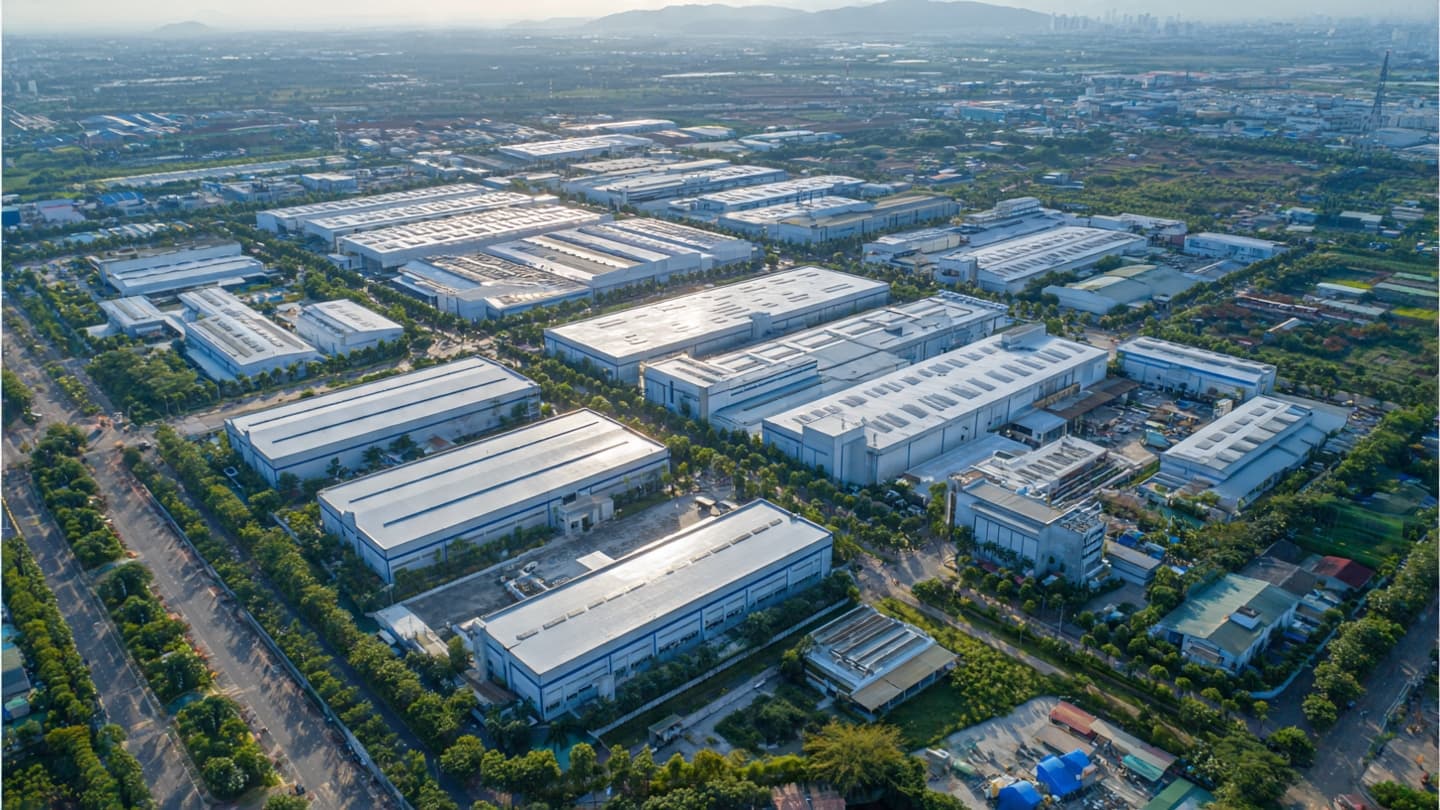
Thailand attracted 1.473 trillion baht in investment applications in the first half of 2026, led by digital and electronics projects.
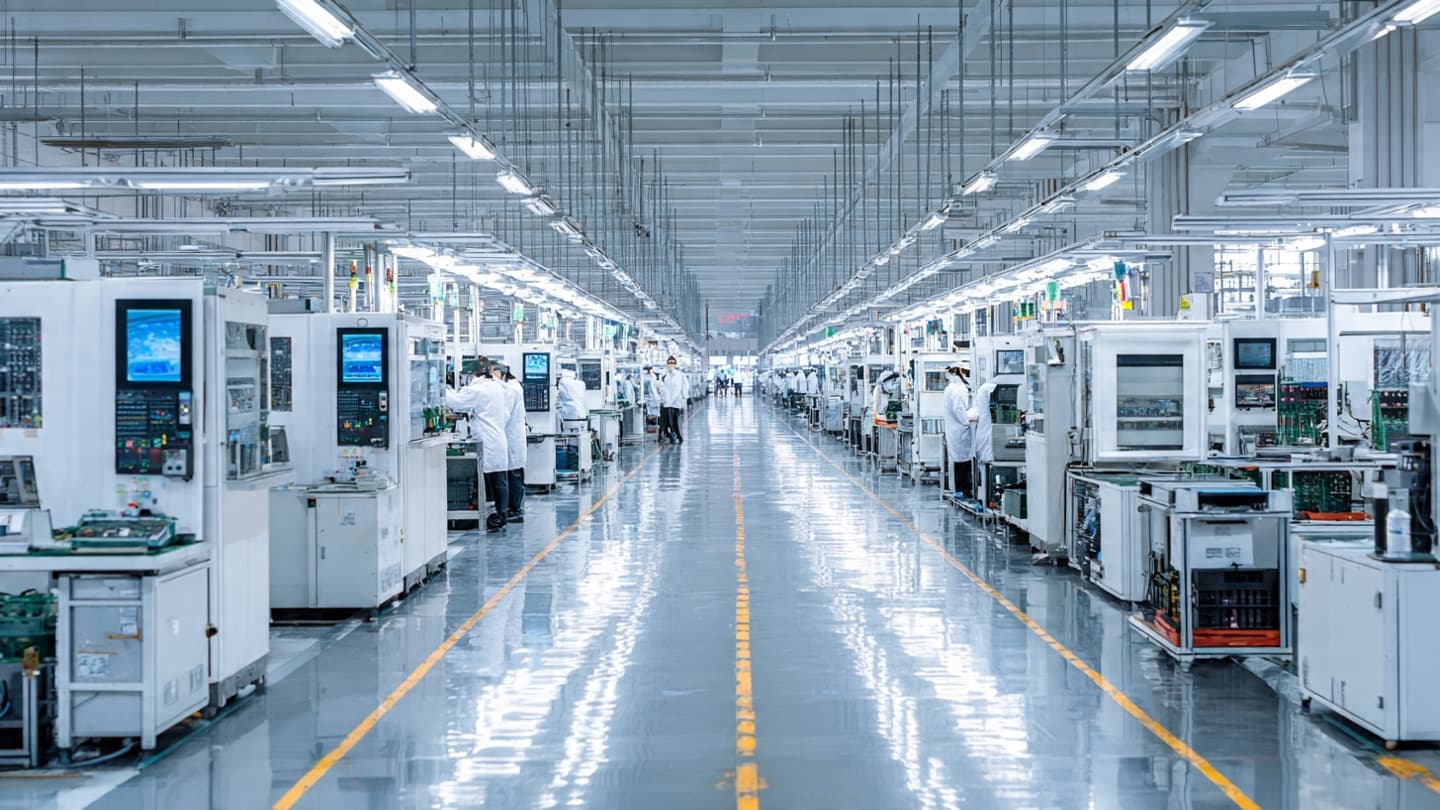
Thailand is gaining a stronger role in the AI supply chain through power, cooling, optical, networking, server, and storage equipment.
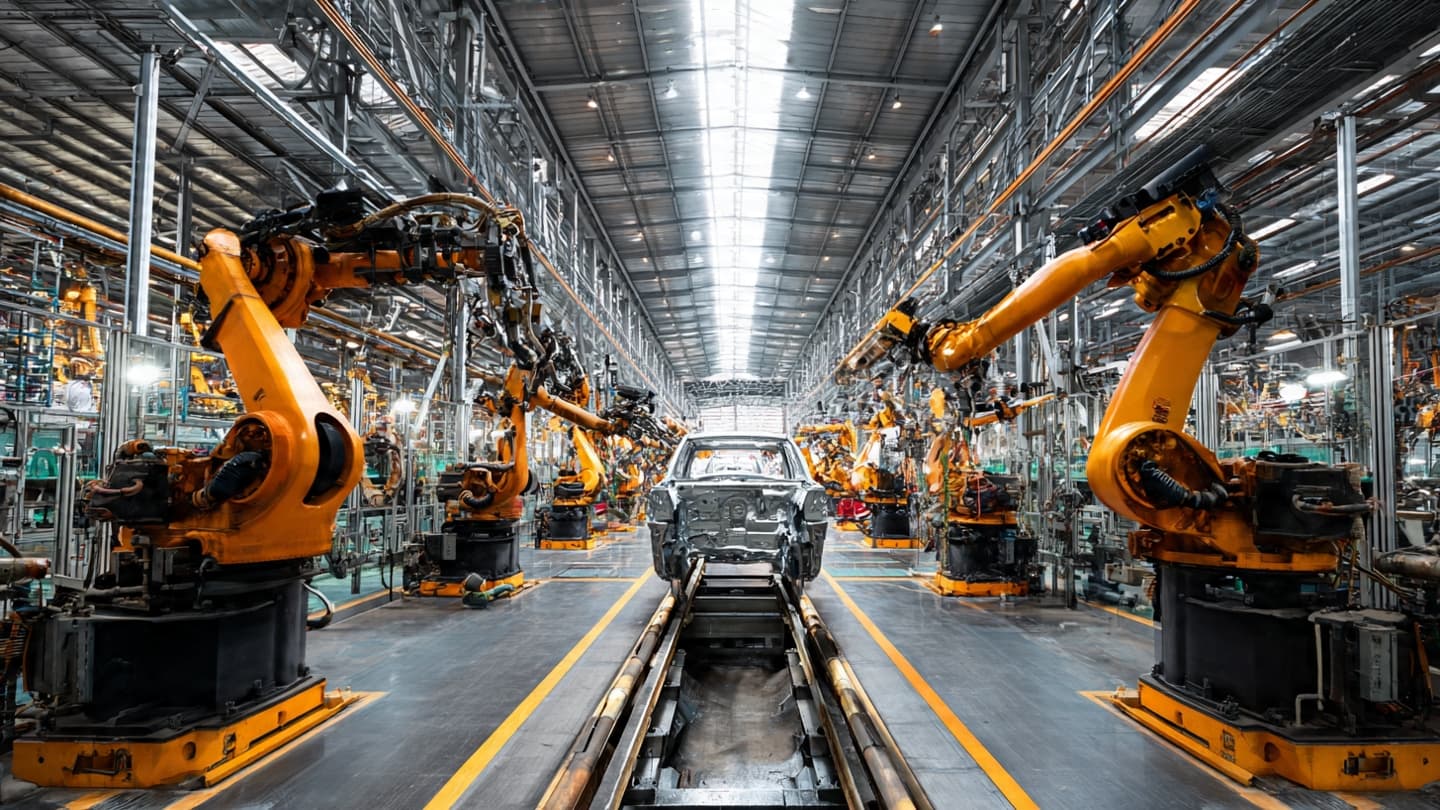
Thailand is expanding industrial robotics and automation as manufacturers seek greater productivity, precision, and competitiveness in regional supply chains.

Thailand's expanding data-center sector is increasing demand for reliable electricity, encouraging greater attention to renewable energy and sustainable infrastructure.
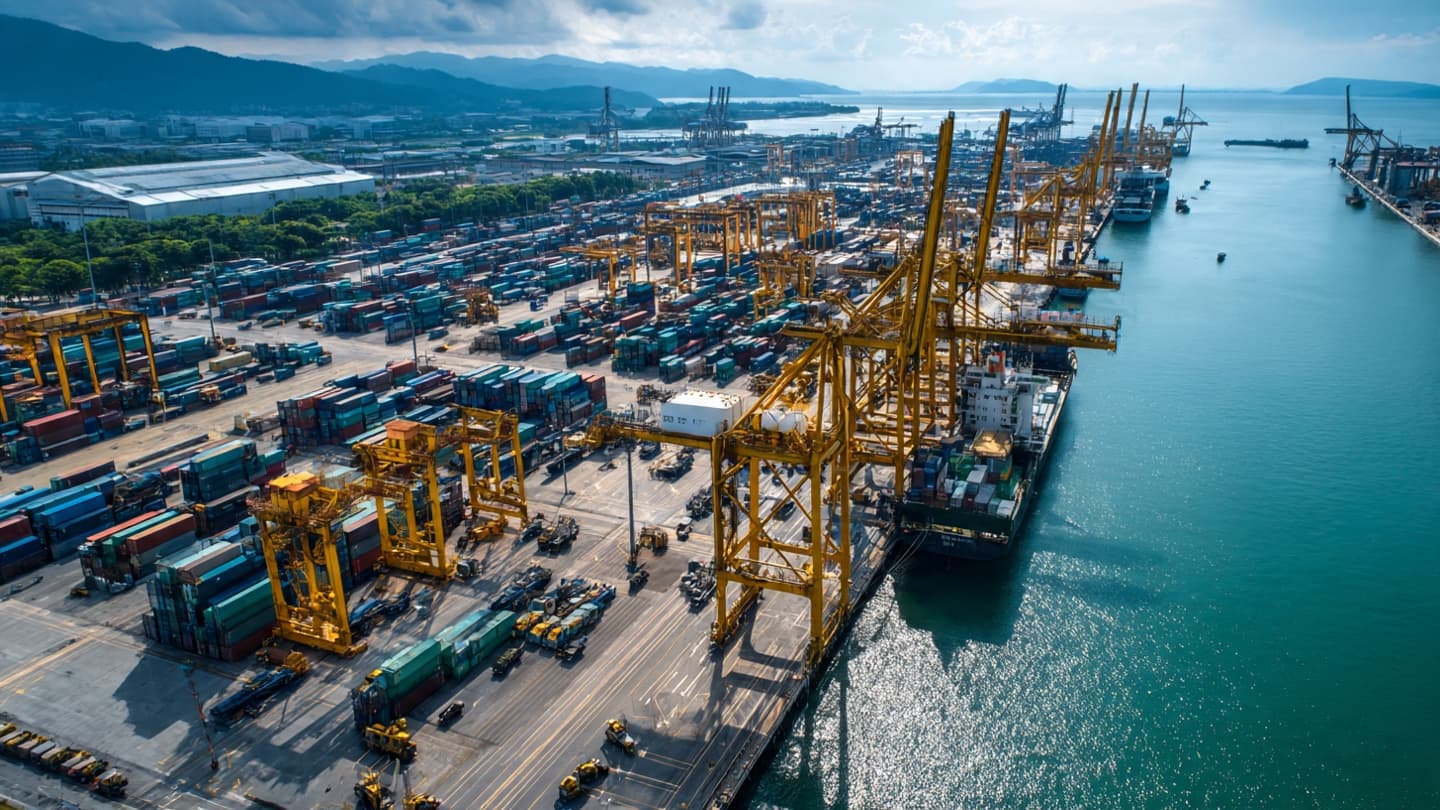
Thailand is exploring digital and AI technologies for maritime operations as ports and shipping companies seek greater efficiency and connectivity.
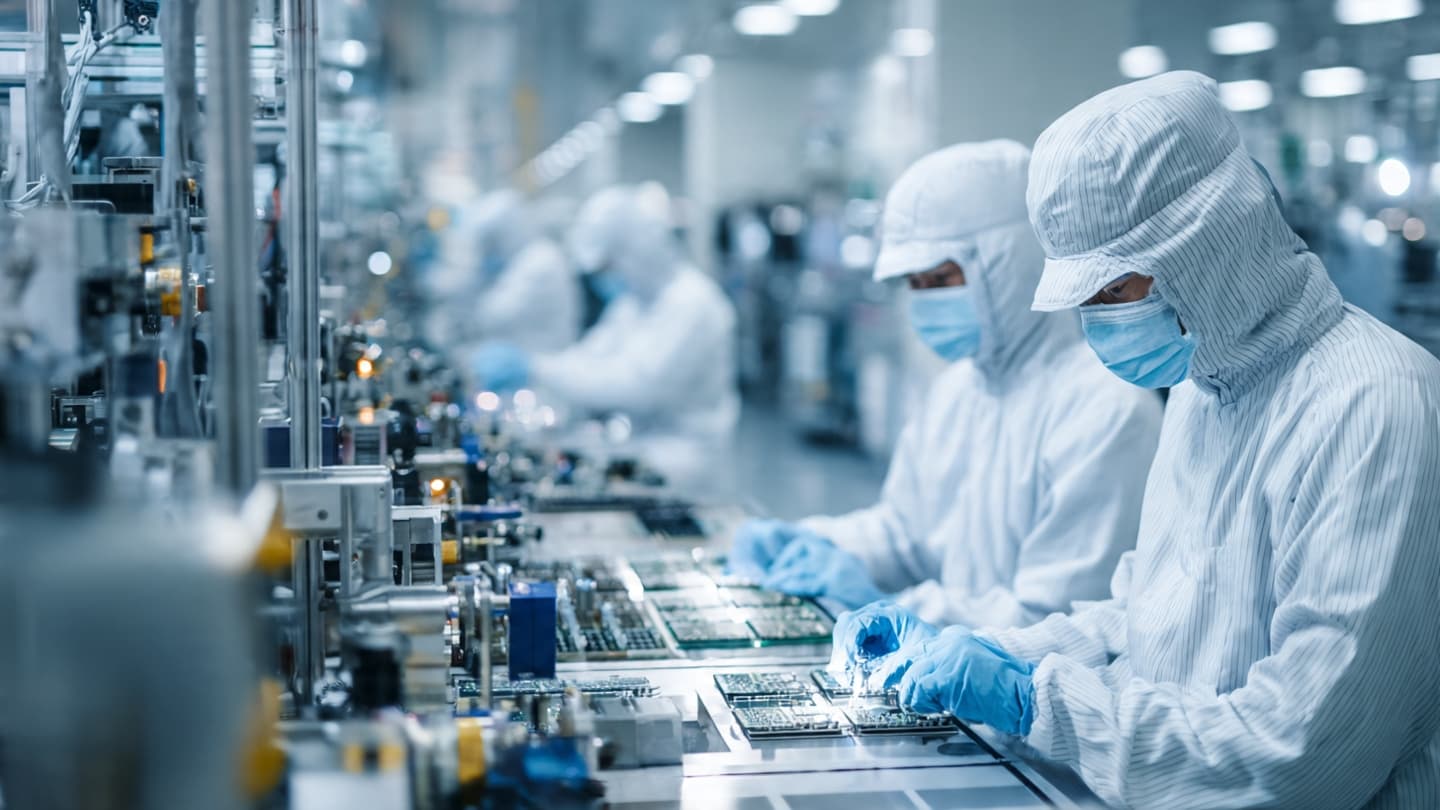
Thailand is pursuing a larger semiconductor role by attracting higher-value investment, developing skilled workers, and expanding research, design, testing, and advanced electronics.

Thailand is strengthening its electronics industry as demand for AI hardware, data-center equipment, advanced components, and connected technologies continues to rise.
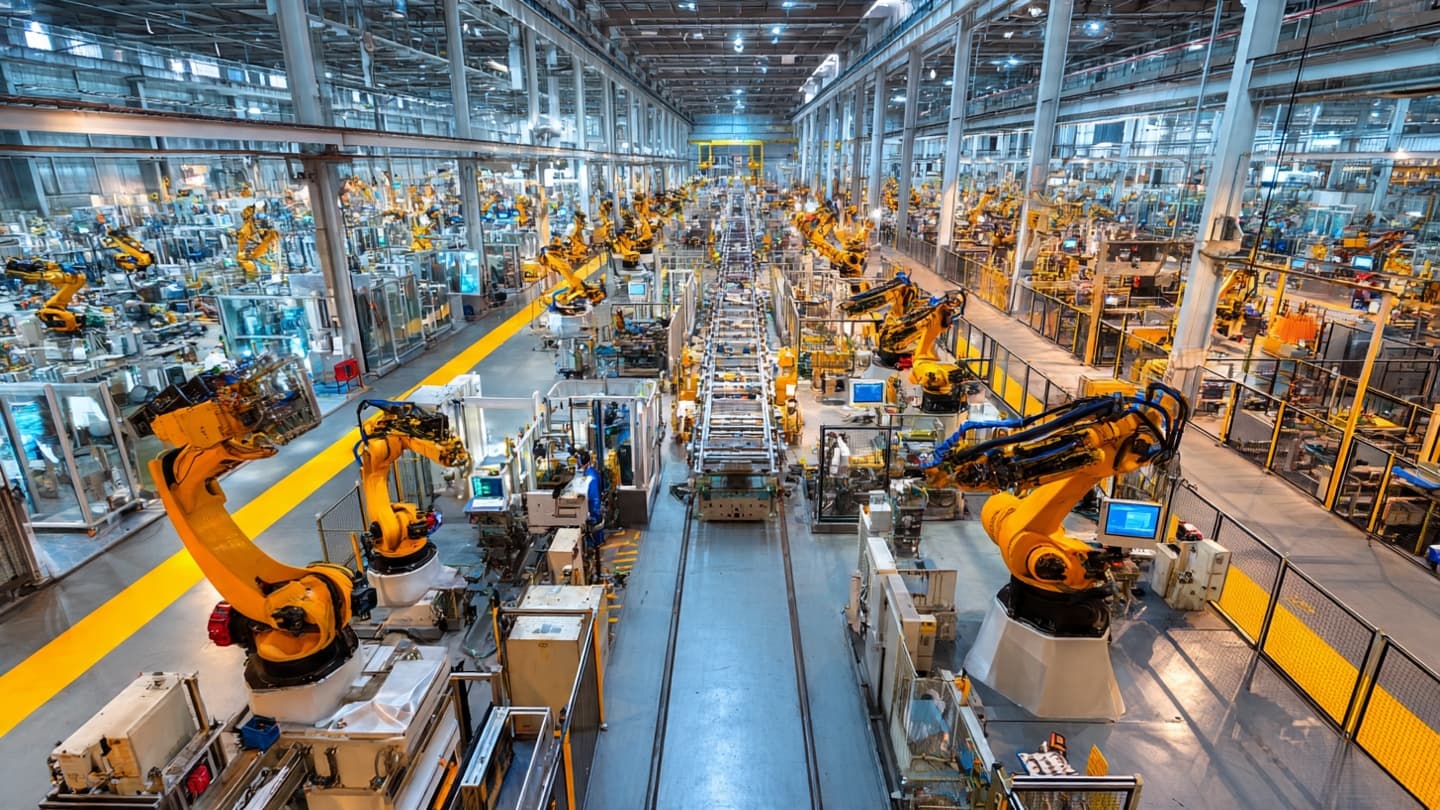
Thailand's manufacturing sector is increasingly adopting AI and automation to improve productivity, quality control, maintenance, and supply-chain efficiency.

Thailand's fintech sector continues expanding through digital payments, mobile banking, financial platforms, and new technology connecting consumers with financial services.

Thailand's expanding e-commerce sector is adapting to stronger digital-commerce rules as online shopping, payments, and platform services continue to grow.
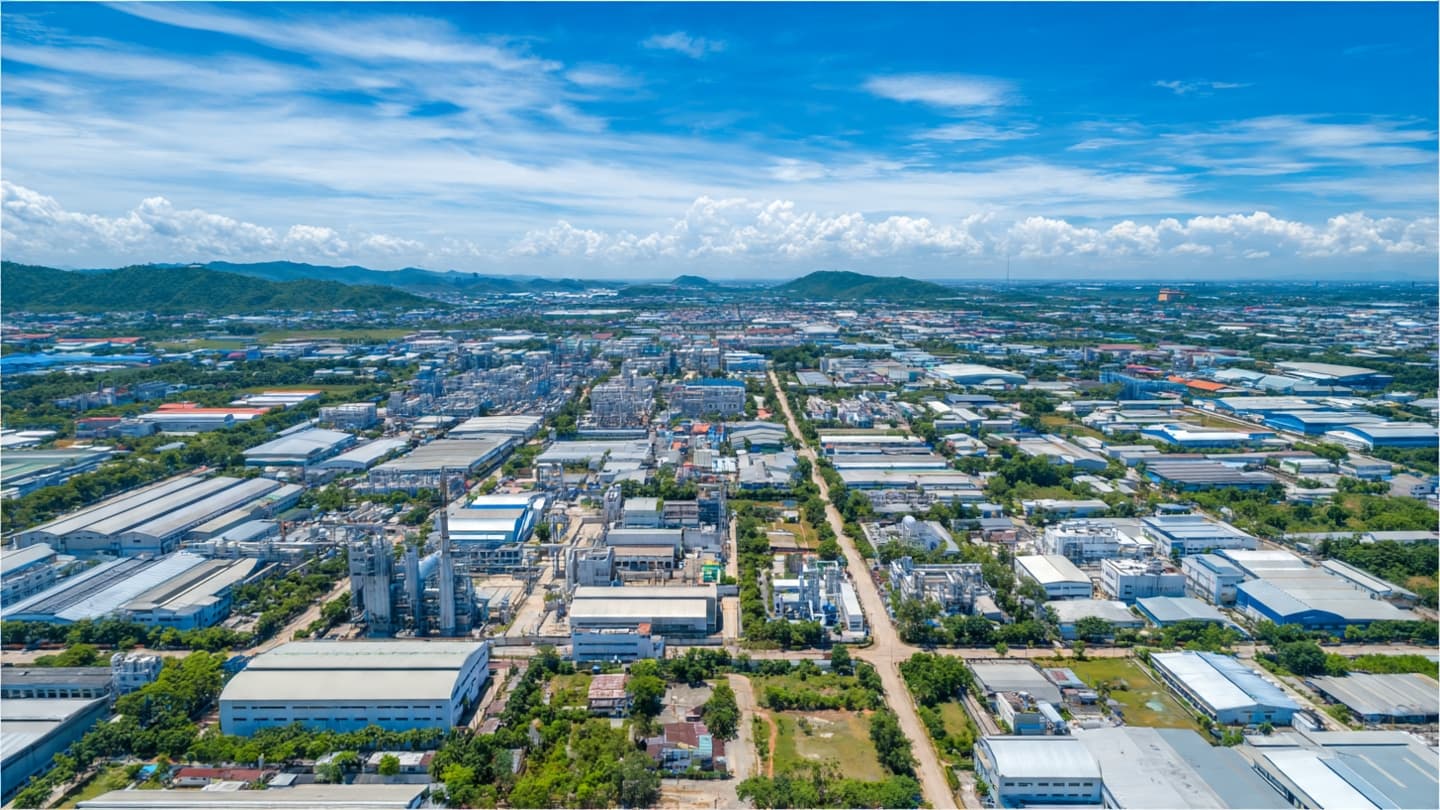
Thailand's growing digital investment is connecting data centers, electronics manufacturing, cloud services, and traditional industries within a broader technology ecosystem.
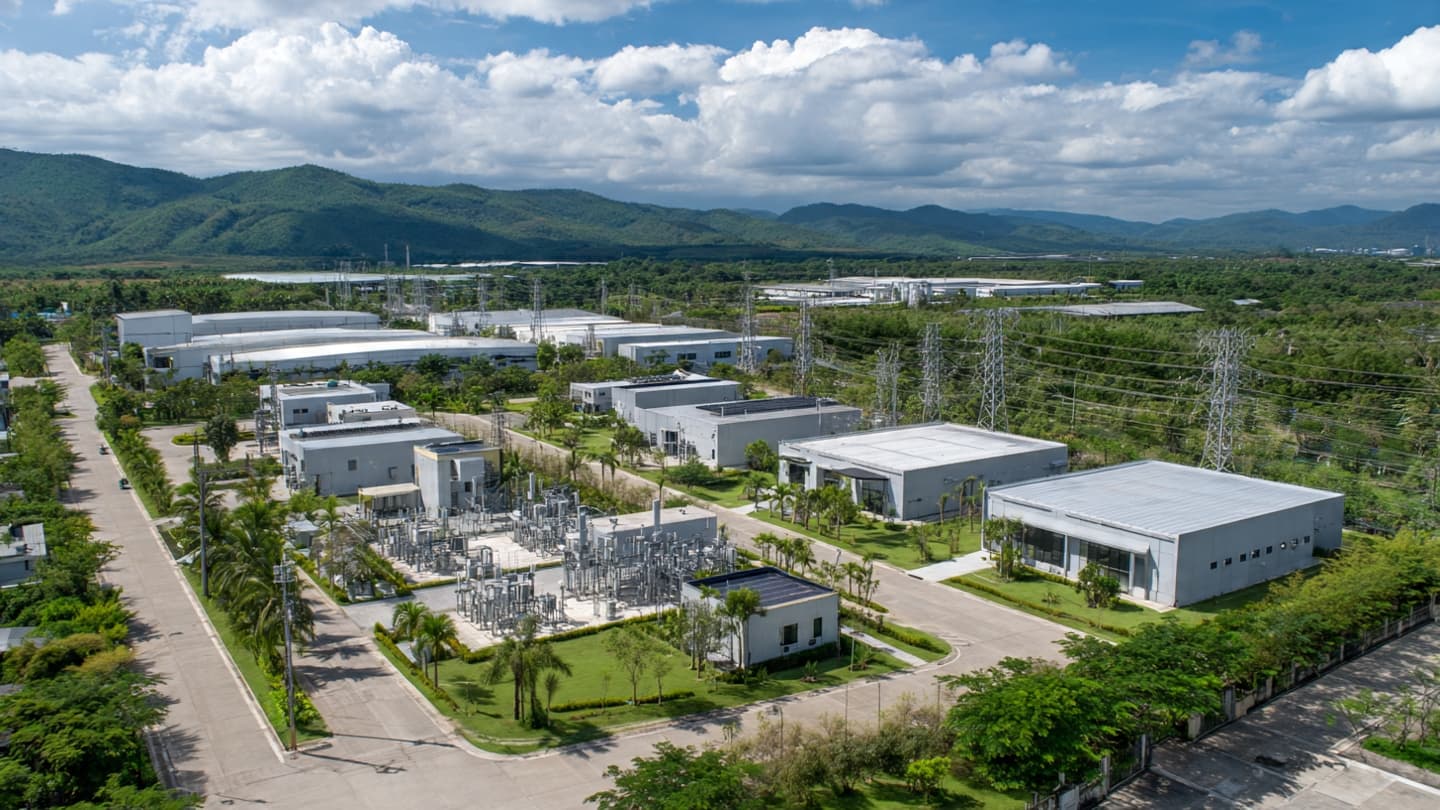
Thailand's data-center investment is expanding rapidly, strengthening its position in Southeast Asia's digital infrastructure and AI ecosystem.
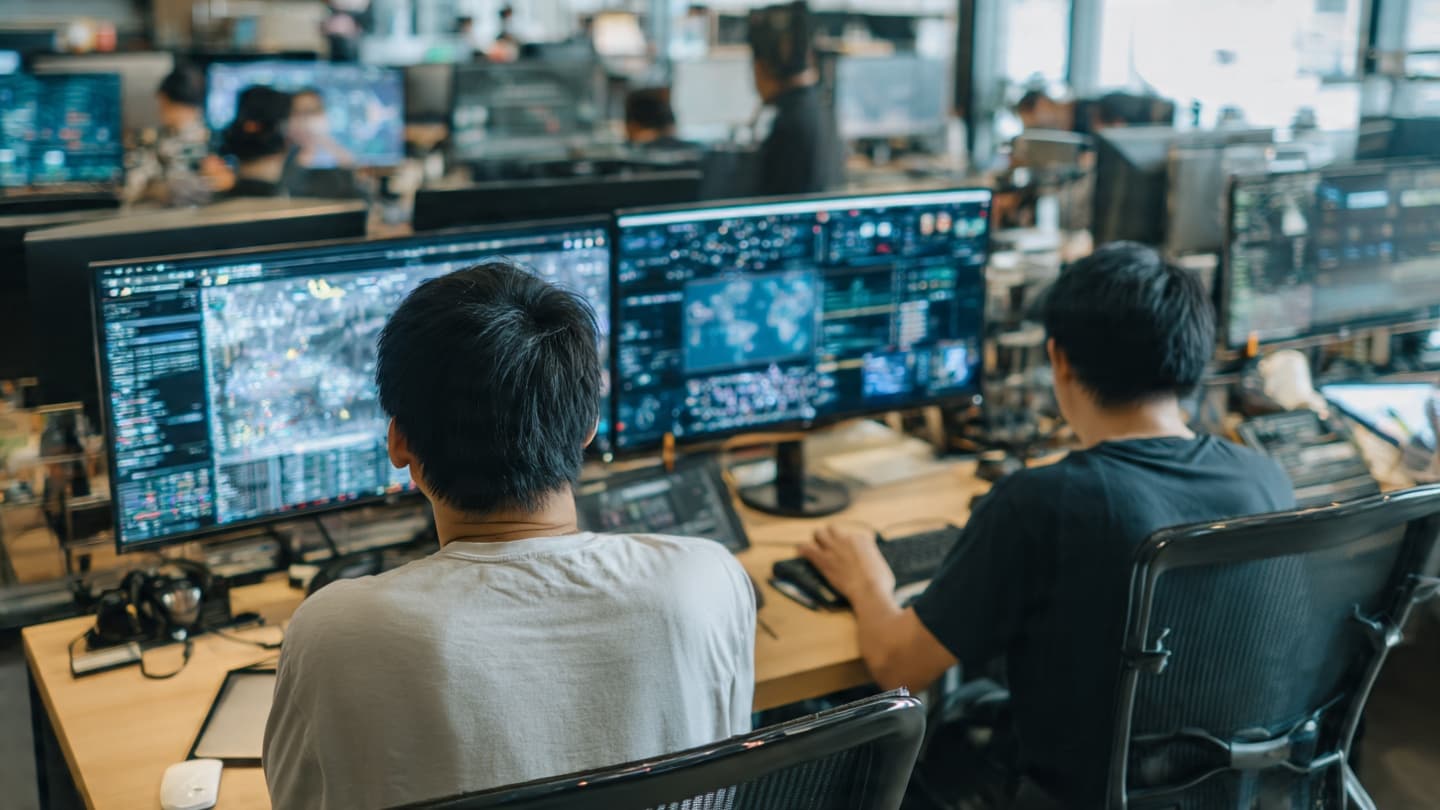
Thailand's technology rules are evolving around AI, cybersecurity, fintech, and digital platforms as digital business and investment continue expanding.
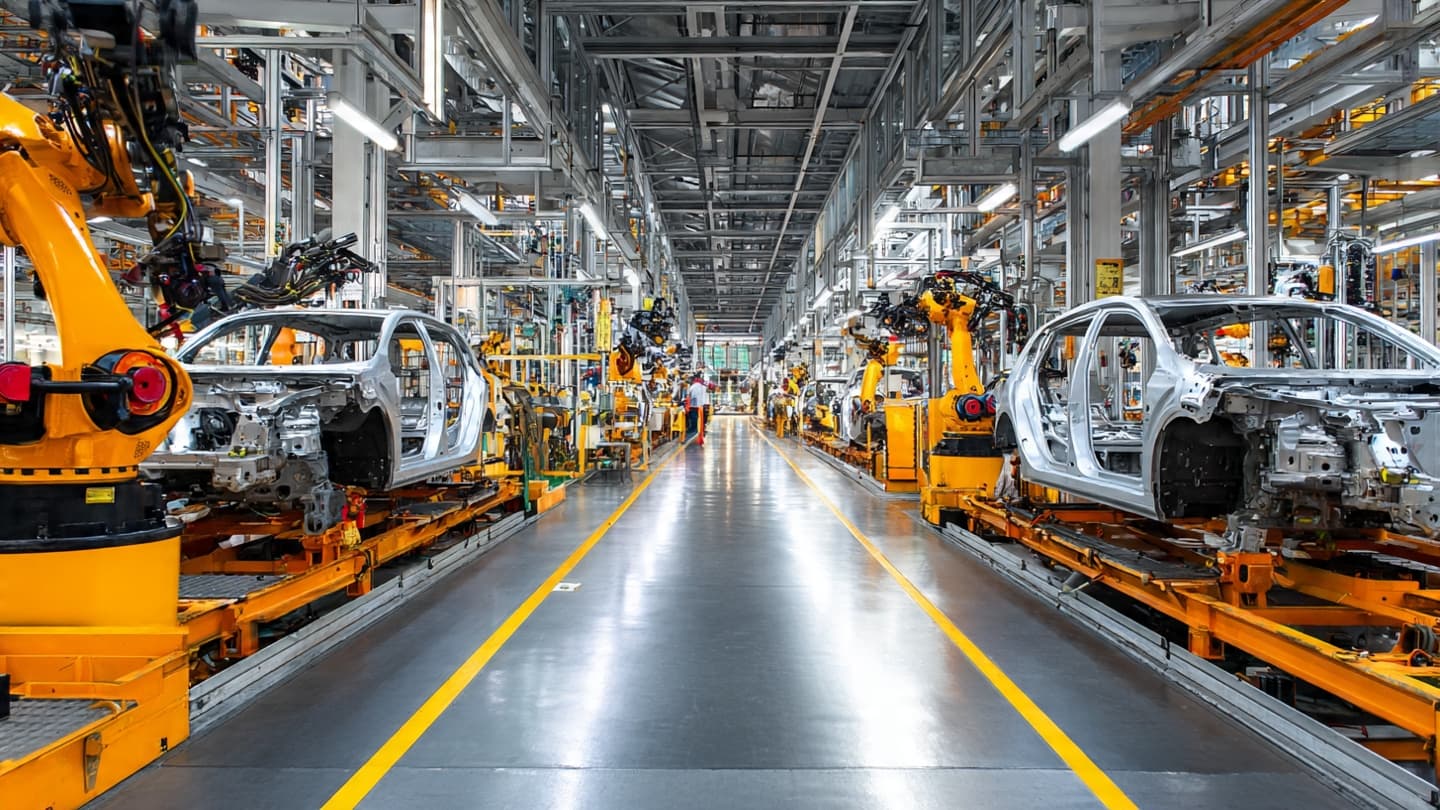
Mitsubishi Motors plans to invest 16 billion baht in Thailand by 2030, focusing on electric vehicle technology and production.
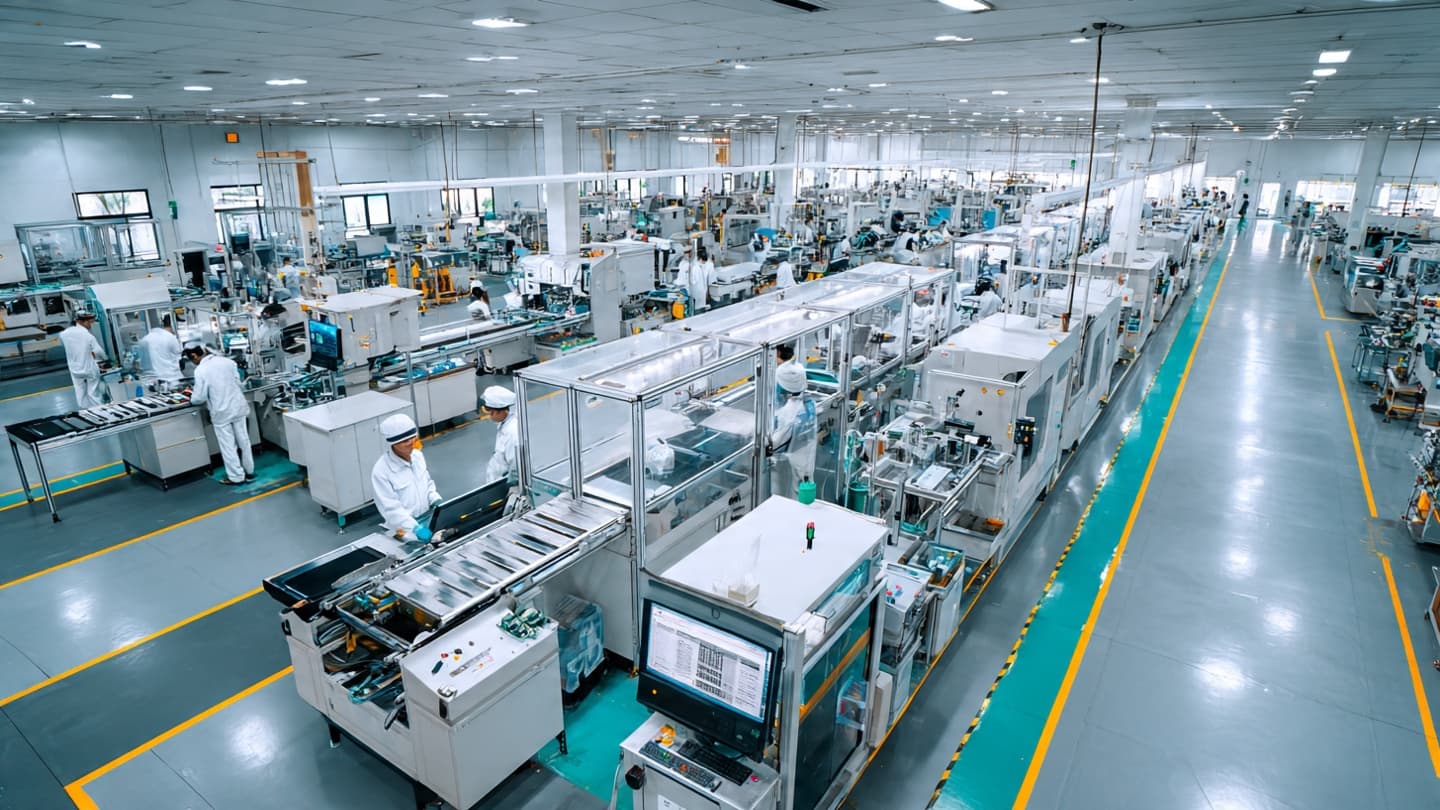
Thailand approved nine investment projects worth $1.99 billion in July, covering AI, advanced electronics, aviation, clean energy, and food.
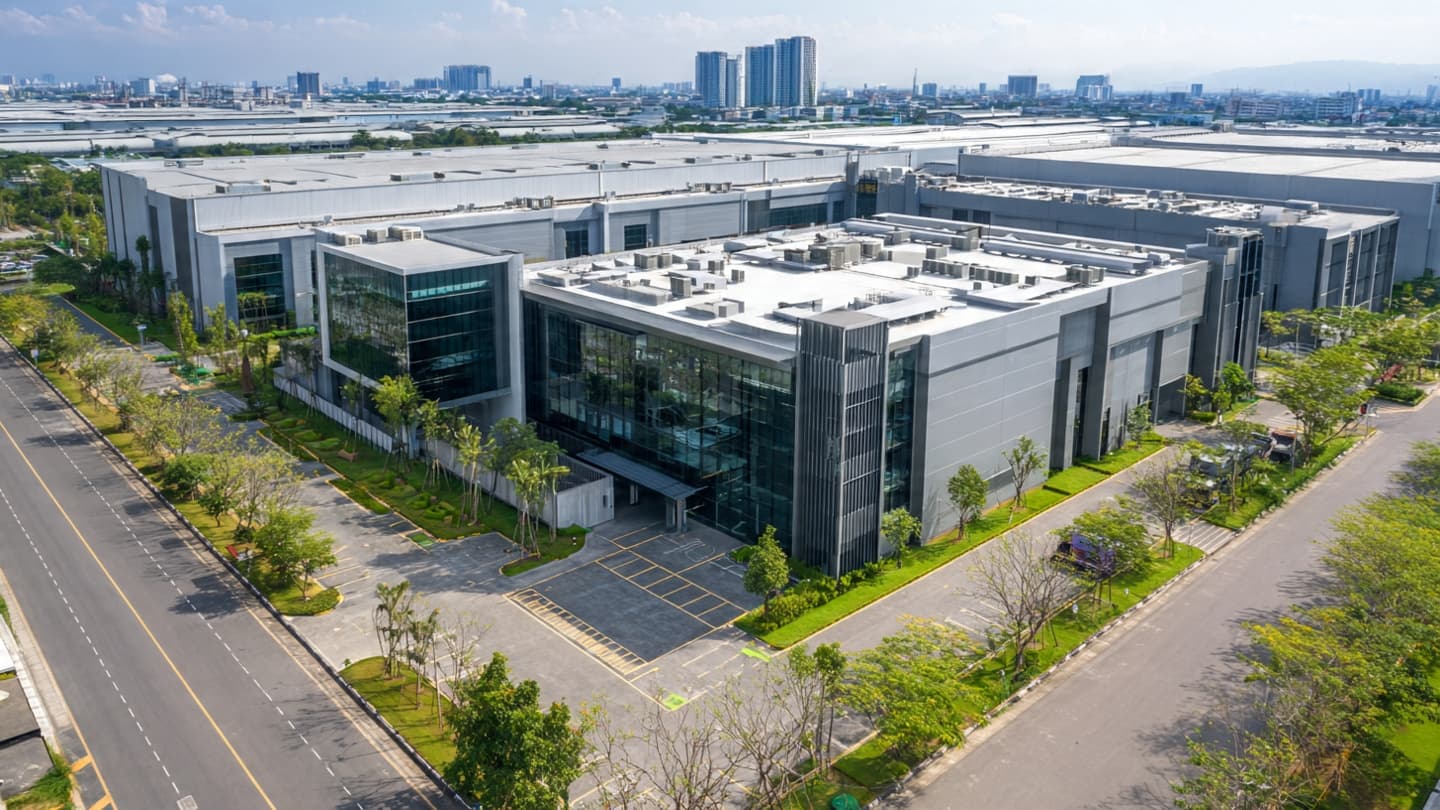
Thailand is tightening data-center investment screening as AI demand increases pressure on electricity, water, environmental resources, and infrastructure.
Shein’s Vietnam warehouse trial reportedly underperformed, pushing the fast-fashion giant to double down on China operations.
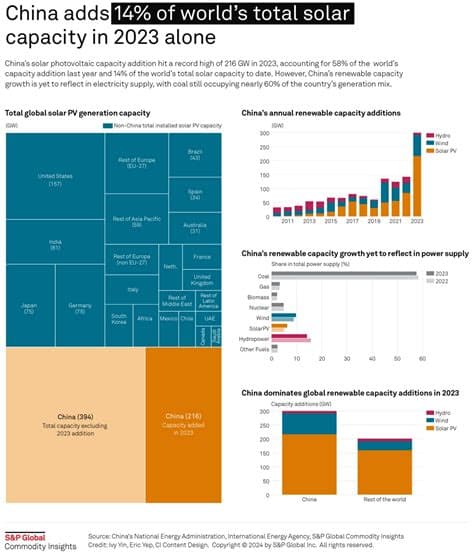
China’s growing PV presence is increasingly threatened by India’s rapid solar expansion, reshaping China’s strategy.