The border between Canada and the United States is often described as the longest undefended line in the world, a symbol of peaceful cooperation and deep economic integration. Yet, beneath this veneer of stability lies a complex web of regulations that can shift with the political winds. Recently, new customs rules introduced by the Trump administration have sent ripples of uncertainty through Canadian export sectors. These measures, aimed at tightening enforcement and addressing perceived trade imbalances, threaten to disrupt long-standing supply chains. It is a moment that invites reflection on the fragility of international commerce and the resilience required to navigate it. The hum of trucks crossing the bridge now carries a note of caution.
The new rules include heightened scrutiny of imports, particularly in sensitive sectors such as dairy, automotive, and aluminum. Additionally, the imposition of significant tariffs on specific Canadian goods has raised costs for exporters, making their products less competitive in the U.S. market. For many small and medium-sized enterprises, these changes are not just statistical adjustments but existential challenges. They face the daunting task of reconfiguring supply chains, finding new markets, or absorbing higher costs. The unpredictability of the policy environment adds another layer of stress to an already complex operational reality.
Canadian government officials have responded with a mix of diplomacy and retaliation. Counter-tariffs on U.S. goods have been implemented to protect domestic industries and signal resolve. However, this tit-for-tat approach risks escalating into a broader trade war, with consequences for consumers on both sides of the border. Prices for everyday items may rise, and investment decisions may be delayed as companies wait for clarity. The economic interdependence that has benefited both nations for decades is now under strain.
For workers in export-heavy regions, the anxiety is palpable. Industries in Ontario and Quebec, which rely heavily on cross-border trade, are watching closely for signs of slowdowns. Job security is tied to the health of these trade relationships, and any disruption can have ripple effects throughout local communities. Labor unions and business associations are calling for stable policies that prioritize long-term growth over short-term political gains. Their voices add weight to the debate, highlighting the human cost of economic friction.
Despite the challenges, there are opportunities for adaptation. Some Canadian firms are exploring diversification, looking to Europe and Asia for new partnerships. Others are investing in innovation to create higher-value products that can withstand tariff pressures. This resilience is a testament to the ingenuity of the Canadian business community. Yet, the preference remains for open and predictable trade with their largest partner.
As negotiations continue, the hope is for a resolution that restores balance and confidence. Dialogue between Ottawa and Washington is essential to finding common ground. The shared history and cultural ties between the two countries provide a foundation for cooperation, even in times of disagreement. The goal is to ensure that the border remains a bridge, not a barrier.
Trump’s new customs rules and tariffs pose significant challenges to Canadian exports, creating uncertainty for businesses and workers. As both nations navigate this economic tension, the focus remains on finding sustainable solutions through dialogue. The hope is for a return to stable and mutually beneficial trade relations.
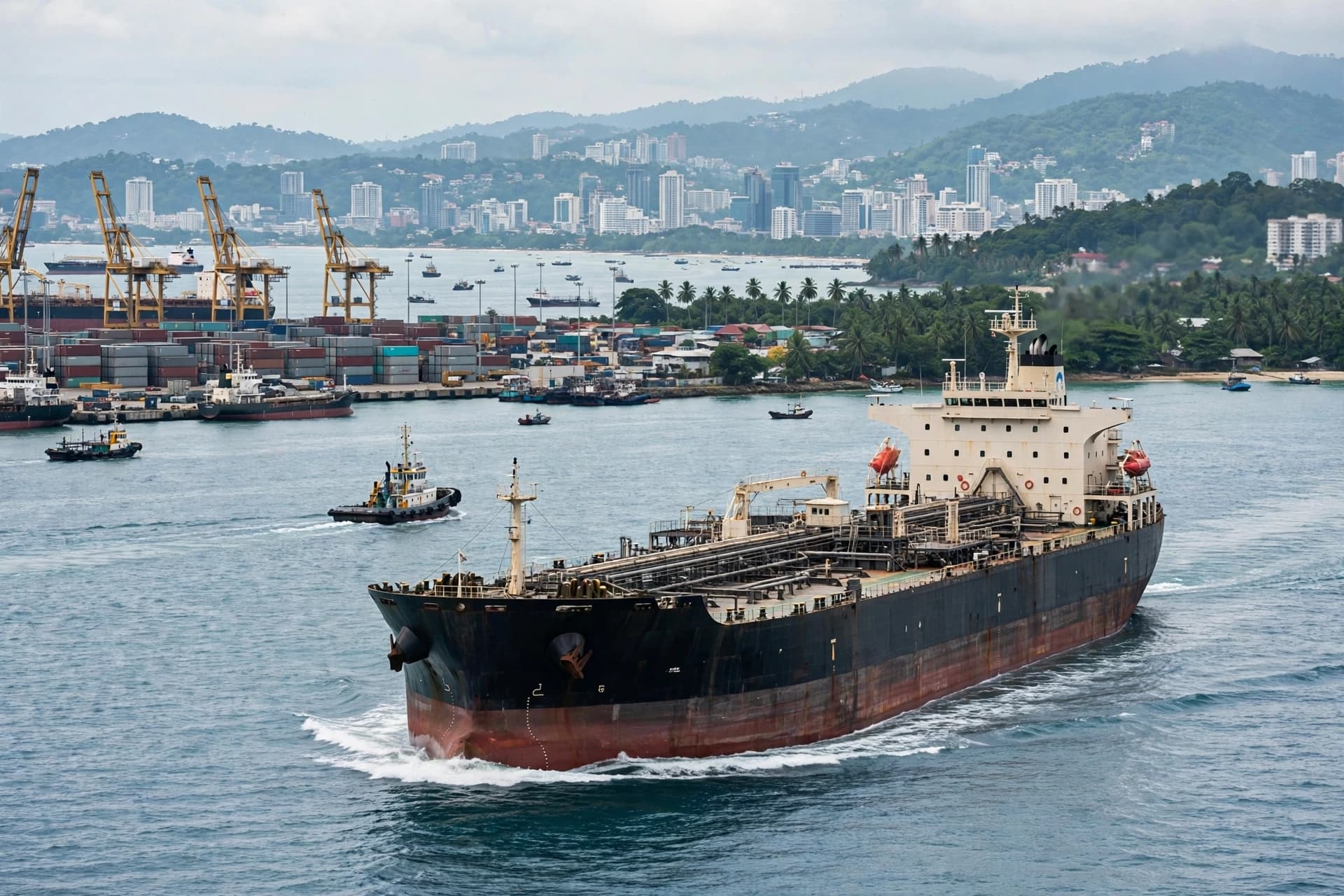
AI Image Disclaimer: The visual elements accompanying this report are AI-generated interpretations designed to reflect the economic and political context of the story.
Sources: National Post Blakes Law Wiley Law
Published by Banx Network. This article is part of the Banx decentralized media programme, powered by the BXE token on the XRP Ledger.