A factory can change without becoming unrecognizable. The same production floor may still contain workers, conveyors, machines, and materials, yet the rhythm inside can be transformed when robots begin carrying out precise tasks alongside people.
Thailand's manufacturing sector is increasingly adopting robotics and automation as companies respond to rising competition, labor challenges, and the need for greater production efficiency.
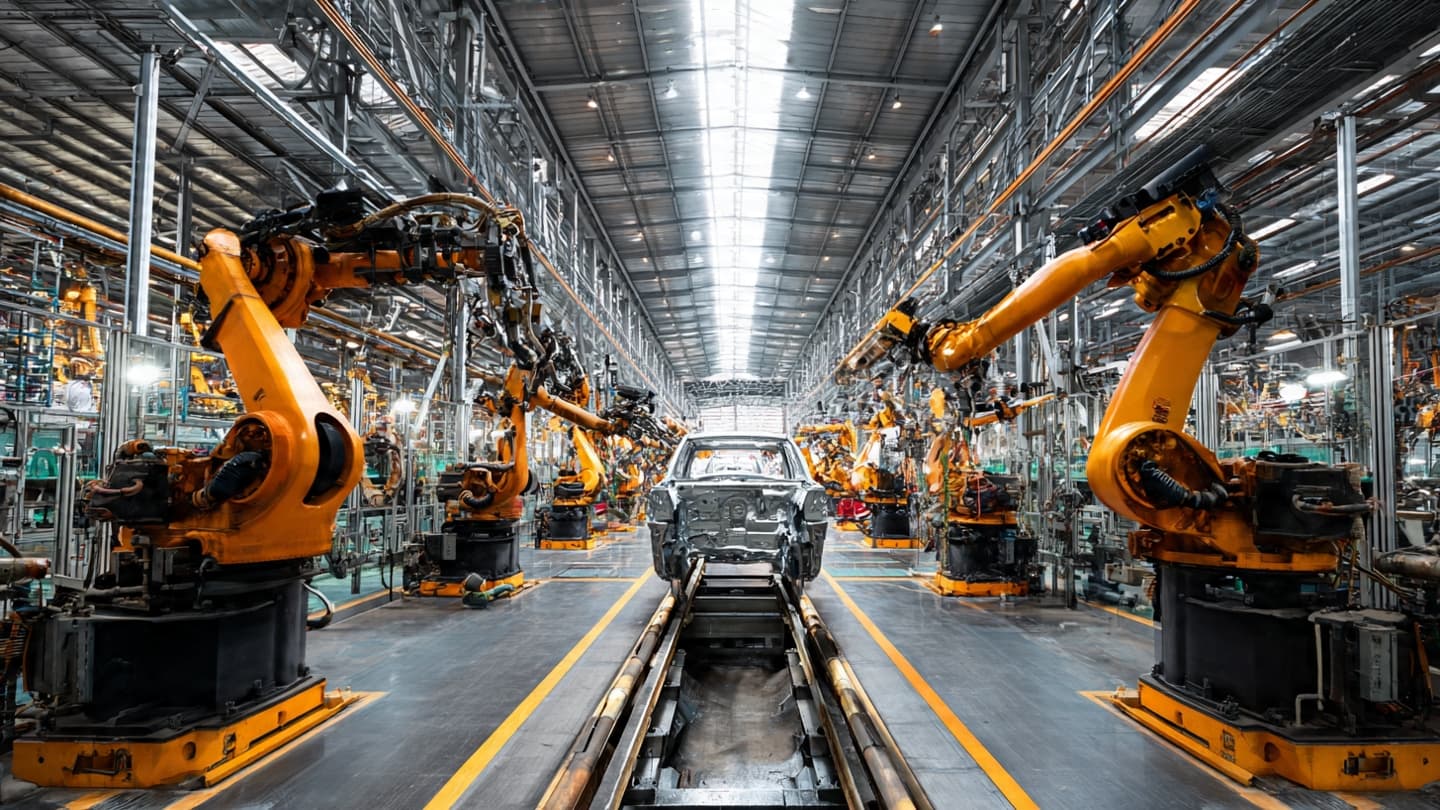
Robots can perform repetitive tasks with consistent precision. In automotive manufacturing, for example, automated systems can handle welding, painting, assembly, and material movement, while workers oversee production and manage more complex operations.
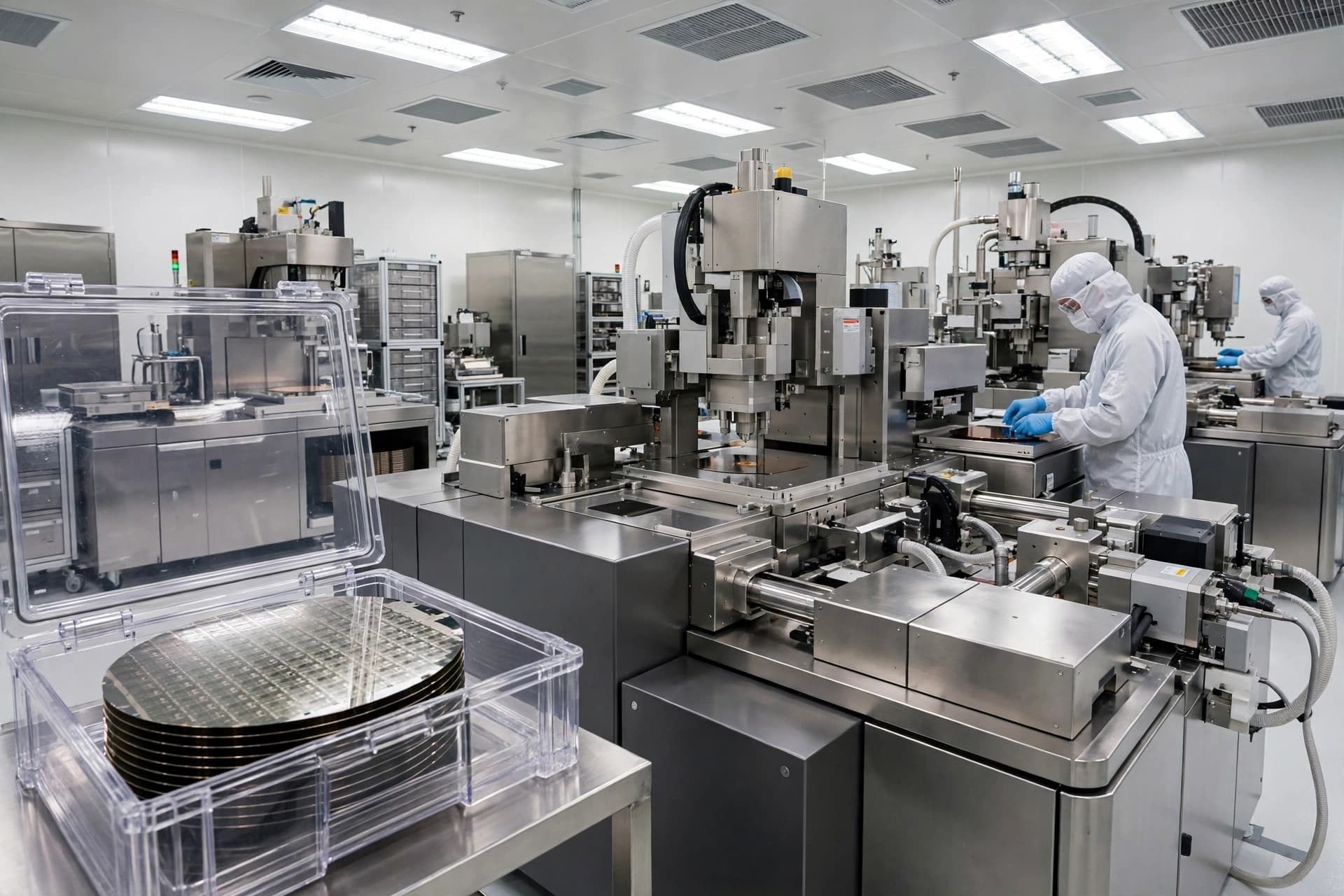
Electronics factories can use robotics for delicate assembly, inspection, and packaging. Combined with machine vision and artificial intelligence, automated systems can identify defects and monitor production quality at high speed.
The technology is becoming increasingly accessible beyond the largest multinational manufacturers. As costs decline and specialized robotics providers expand, smaller and medium-sized businesses can consider automation for selected parts of their operations.
For Thailand, this development is connected to the country's ambition to move toward higher-value manufacturing. Advanced production systems can increase efficiency while allowing factories to handle more complex products.
The transition also changes the skills required from workers. Technical knowledge, programming, equipment maintenance, and data analysis become more valuable as machines become more sophisticated.
This does not necessarily mean a simple replacement of people by machines. In many factories, the relationship is more complementary. Robots handle repetitive or physically demanding tasks while human workers remain responsible for supervision, troubleshooting, quality decisions, and process improvement.
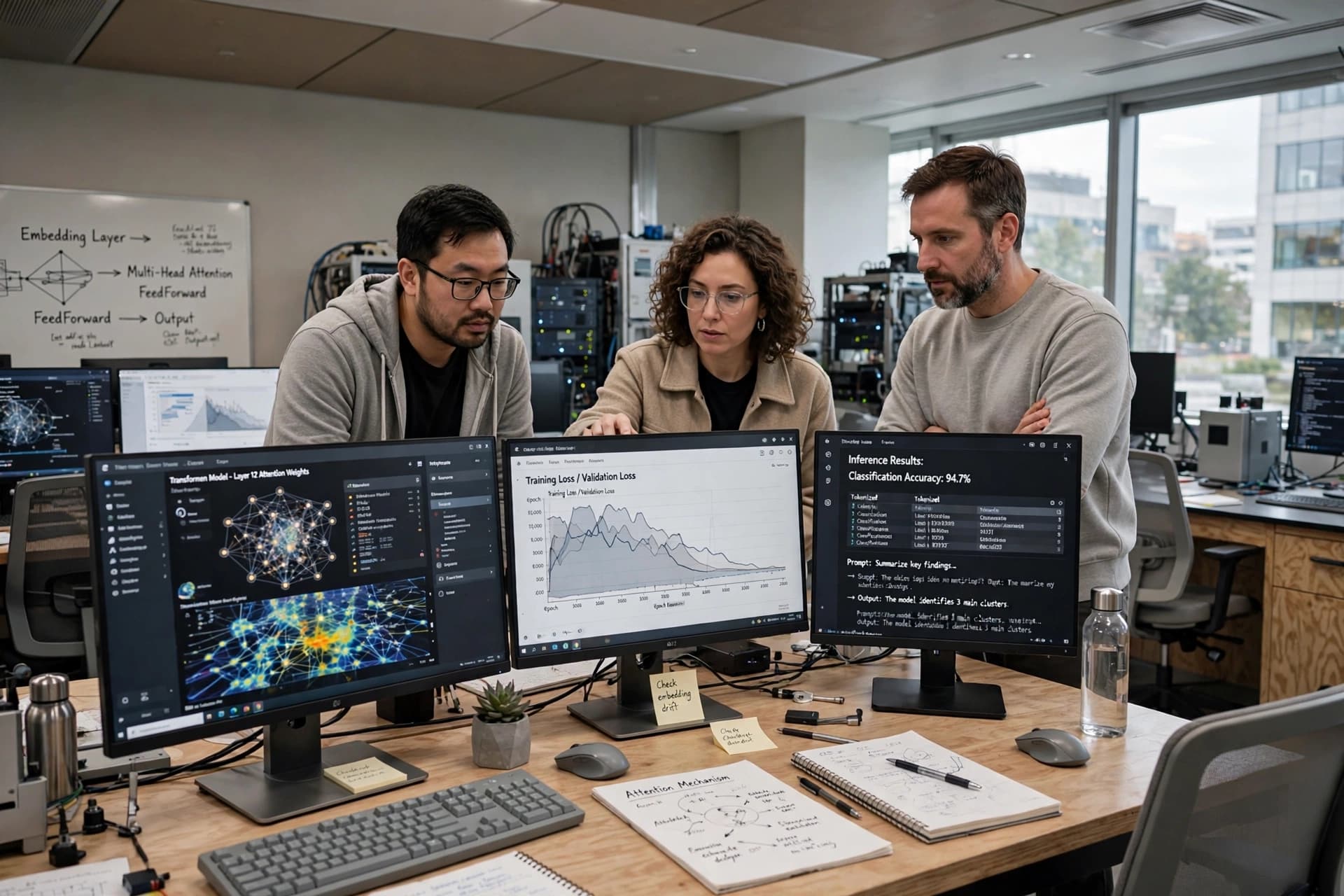
Artificial intelligence adds another dimension. A robotic system connected to AI can potentially adapt to changing conditions, recognize objects, analyze production data, and improve its performance over time.
Thailand's growing investment in advanced electronics and digital infrastructure provides a foundation for this development. The same industrial ecosystem supporting data centers and electronics can also support automation technologies used in factories.
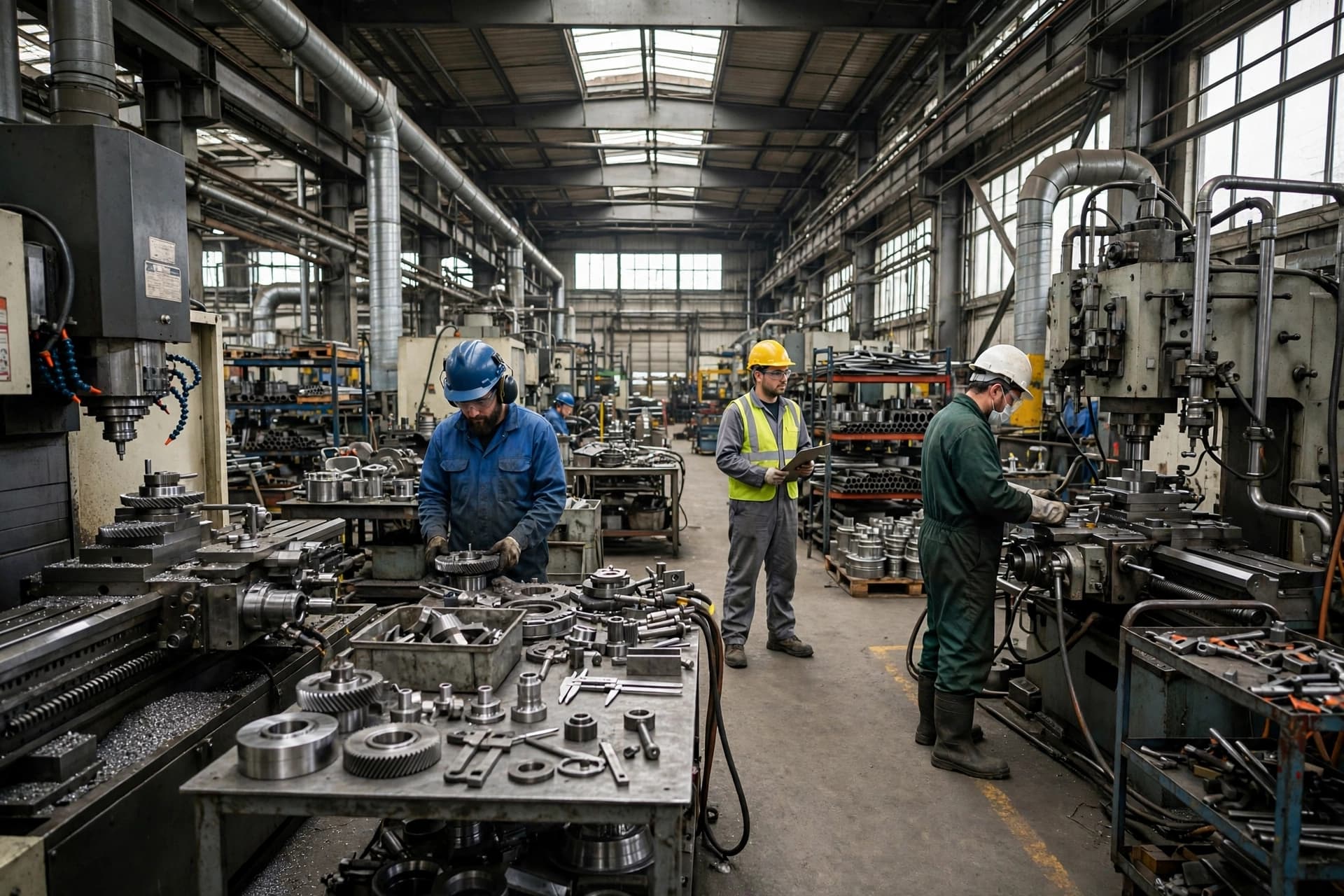
The transformation will not happen equally across every company. Some businesses will move quickly, while others may continue using conventional systems because of investment costs or operational constraints. But the direction is increasingly visible: Thailand's factories are becoming more automated, more connected, and more dependent on the relationship between human skill and machine precision.
AI Image Disclaimer Illustrations were created using AI and are intended as conceptual representations of robotics and automation in Thailand.
Sources Thailand Board of Investment The Nation Thailand Reuters
Published by Banx Network. This article is part of the Banx decentralized media programme, powered by the BXE token on the XRP Ledger.