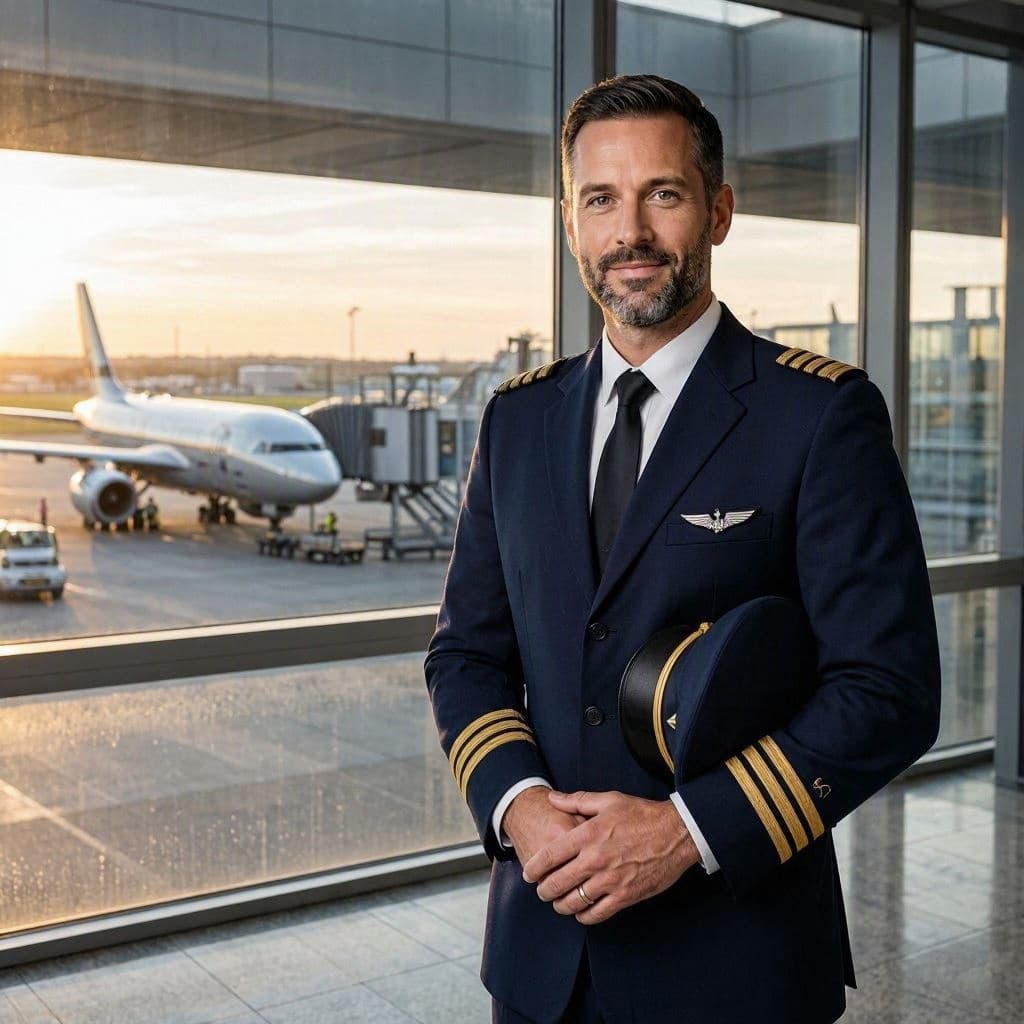
The allure of the skies has long captivated the human imagination, symbolizing freedom and adventure. For one Toronto man, this fascination took a deceptive turn, leading him to impersonate a commercial airline pilot to secure hundreds of free flights. Dallas Pokornik’s recent guilty plea in a U.S. federal court marks the end of a four-year scheme that baffled industry insiders and raised questions about security protocols. This story invites reflection on the trust we place in uniformed professionals and the lengths some will go to exploit it. It is a narrative of ambition gone astray, grounded in the reality of legal consequences.
Pokornik, a former flight attendant, allegedly used his knowledge of airline operations to pose as a pilot and even a flight attendant for major U.S. carriers. Over several years, he booked more than 200 tickets without paying, traveling extensively across North America and beyond. His ability to bypass verification systems highlights gaps in internal controls, prompting airlines to review their employee identification processes. The scheme was not just about saving money but perhaps about the status and access associated with the role.
The investigation began when discrepancies in booking patterns caught the attention of airline security teams. Federal authorities in Hawaii led the probe, eventually indicting Pokornik on wire fraud charges. He was arrested in Panama in late 2025, bringing an international dimension to the case. The extradition process and subsequent legal proceedings underscored the seriousness with which such fraud is treated. Justice, though delayed, was ultimately served through cross-border cooperation.
For the airlines involved, the incident was a embarrassment but also a learning opportunity. Major carriers have since tightened their verification procedures, ensuring that employee travel benefits are monitored more closely. The cost of the free flights, while significant, pales in comparison to the reputational risk. Protecting the integrity of the brand is paramount in the competitive aviation industry.
Pokornik’s background as a former employee adds a layer of complexity to the case. It suggests that insider knowledge can be a double-edged sword, providing both opportunity and temptation. His actions betray the trust placed in him by his former colleagues and employers. This breach of professional ethics serves as a cautionary tale for those in positions of access.
As he faces sentencing, the focus shifts to restitution and prevention. The legal system will determine the appropriate penalty, but the broader lesson is about vigilance. Consumers and employees alike are reminded that shortcuts often lead to dead ends. Integrity remains the most valuable currency in any profession.
Dallas Pokornik of Toronto has pleaded guilty to wire fraud for posing as a pilot to obtain free flights. His case highlights vulnerabilities in airline security and the importance of ethical conduct. As sentencing approaches, the aviation industry continues to strengthen its safeguards against such deception.
AI Image Disclaimer: The visual elements accompanying this report are AI-generated interpretations designed to reflect the legal and aviation context of the story.
Sources: U.S. Department of Justice CBC News The Guardian
Published by Banx Network. This article is part of the Banx decentralized media programme, powered by the BXE token on the XRP Ledger.