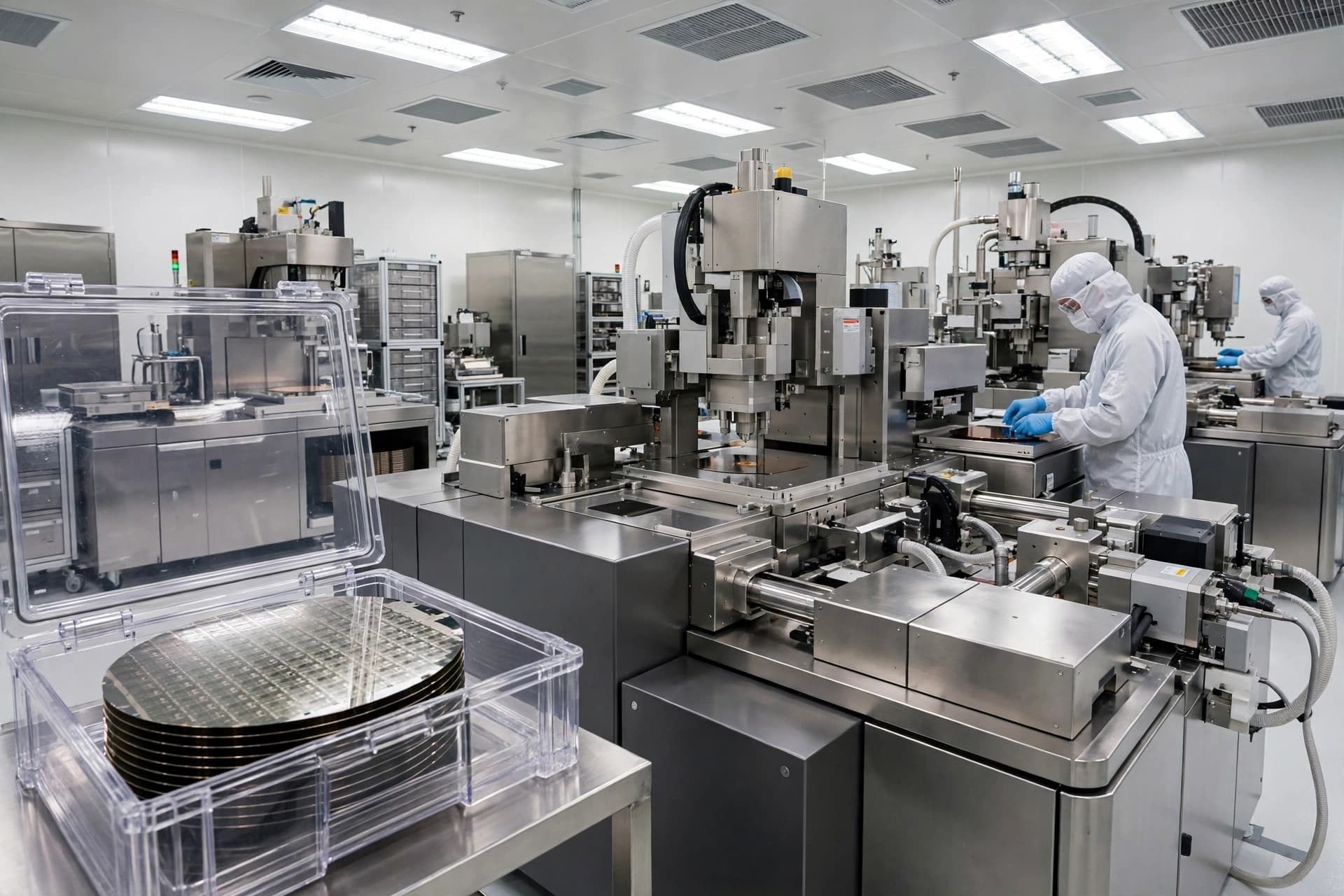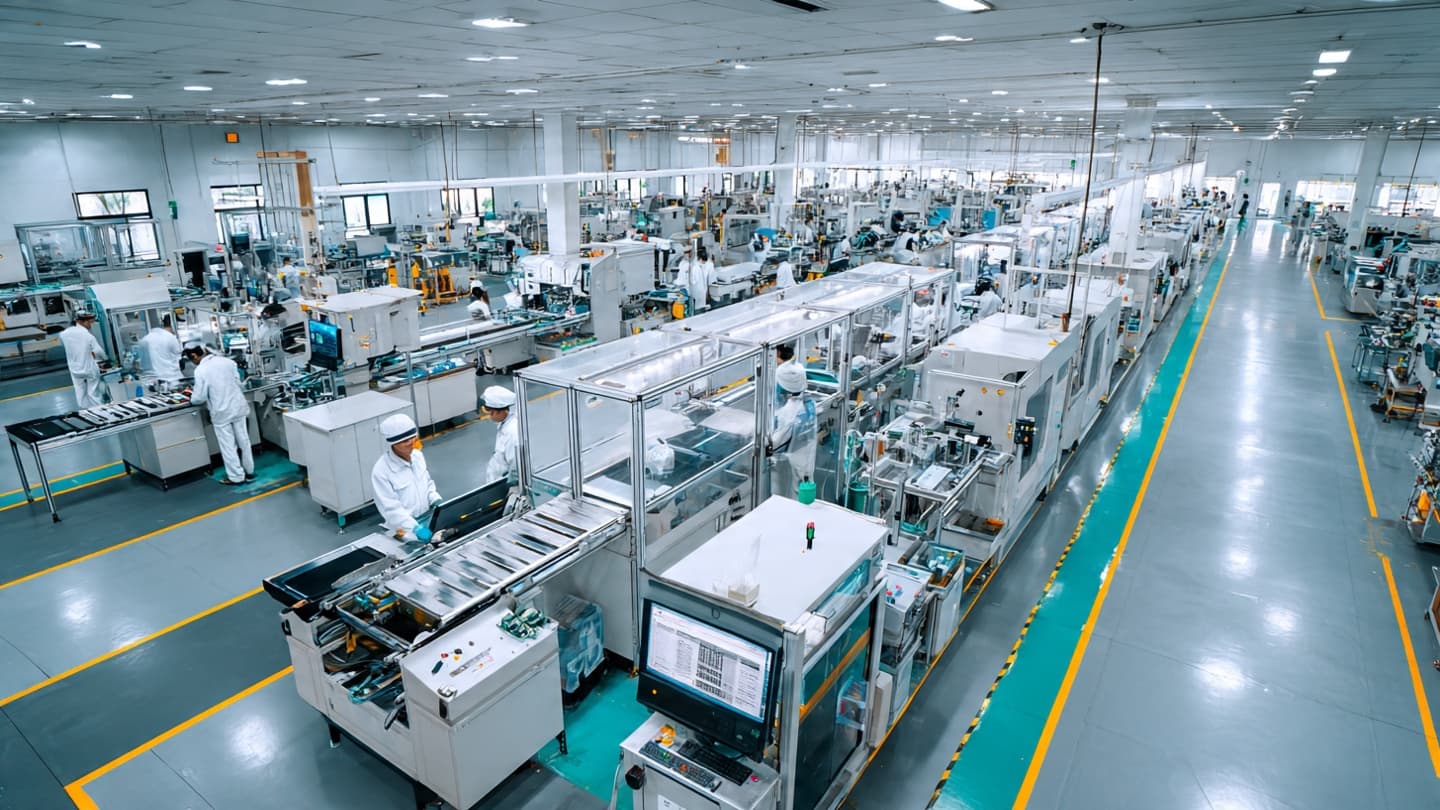
Along Thailand's industrial corridors, the sound of manufacturing is beginning to carry a different rhythm. Traditional factories remain part of the landscape, but beside them are new forms of investment centered on artificial intelligence, advanced electronics, clean energy, aviation, and increasingly sophisticated production.
In July, Thailand approved nine major investment projects with a combined value of $1.99 billion, or about 66.3 billion baht. The projects span several high-value sectors and reflect continuing efforts by multinational companies to establish or expand production capacity in Southeast Asia.
Artificial intelligence and advanced electronics occupy an important place within that investment picture. The sectors are closely connected to the wider growth of computing infrastructure, where demand for processors, electronic components, networking equipment, storage systems, and specialized machinery continues to increase.
Thailand's attraction is partly rooted in its existing industrial capabilities. Decades of manufacturing have created supply chains, transportation networks, engineering expertise, and a workforce familiar with large-scale production. Those foundations can make the country appealing as companies reconsider where different parts of their supply chains should be located.
The current investment cycle is also broader than technology alone. Aviation, clean energy, and food industries are among the areas represented in the newly approved projects. Together, they illustrate an economy attempting to attract investment across several industries while moving toward higher-value production.
For advanced electronics, the timing is significant. Artificial intelligence has created new demand throughout the technology supply chain, from computing components to the infrastructure supporting data centers. Thailand is increasingly positioning its electronics sector within this larger regional movement.
Clean energy introduces another layer. As industrial facilities and data centers consume more electricity, companies are paying greater attention to energy availability and sustainability. Investment in cleaner power and energy-related infrastructure can therefore become connected to the expansion of technology manufacturing.
The industrial landscape is consequently becoming more interconnected. An electronics facility depends on logistics and energy, while a data center depends on electronics, telecommunications, construction, and power systems. Investment in one sector can therefore create demand in several others.
For local suppliers and workers, the significance of such projects may ultimately be measured by how deeply they become connected to the domestic economy. New factories can create jobs and opportunities, but the longer-term effect depends on training, supplier development, technology transfer, and the ability of Thai businesses to participate in increasingly sophisticated production networks.
The $1.99 billion approved in July offers another glimpse of that transition. Artificial intelligence and advanced electronics are appearing alongside aviation, clean energy, and food as Thailand seeks to attract investment into industries capable of linking its established manufacturing base with the changing requirements of the regional and global economy.
AI Image Disclaimer The accompanying visuals were produced with AI and are intended as conceptual illustrations of Thailand's evolving industrial landscape.
Sources The Nation Thailand Thailand Board of Investment Reuters
Published by Banx Network. This article is part of the Banx decentralized media programme, powered by the BXE token on the XRP Ledger.