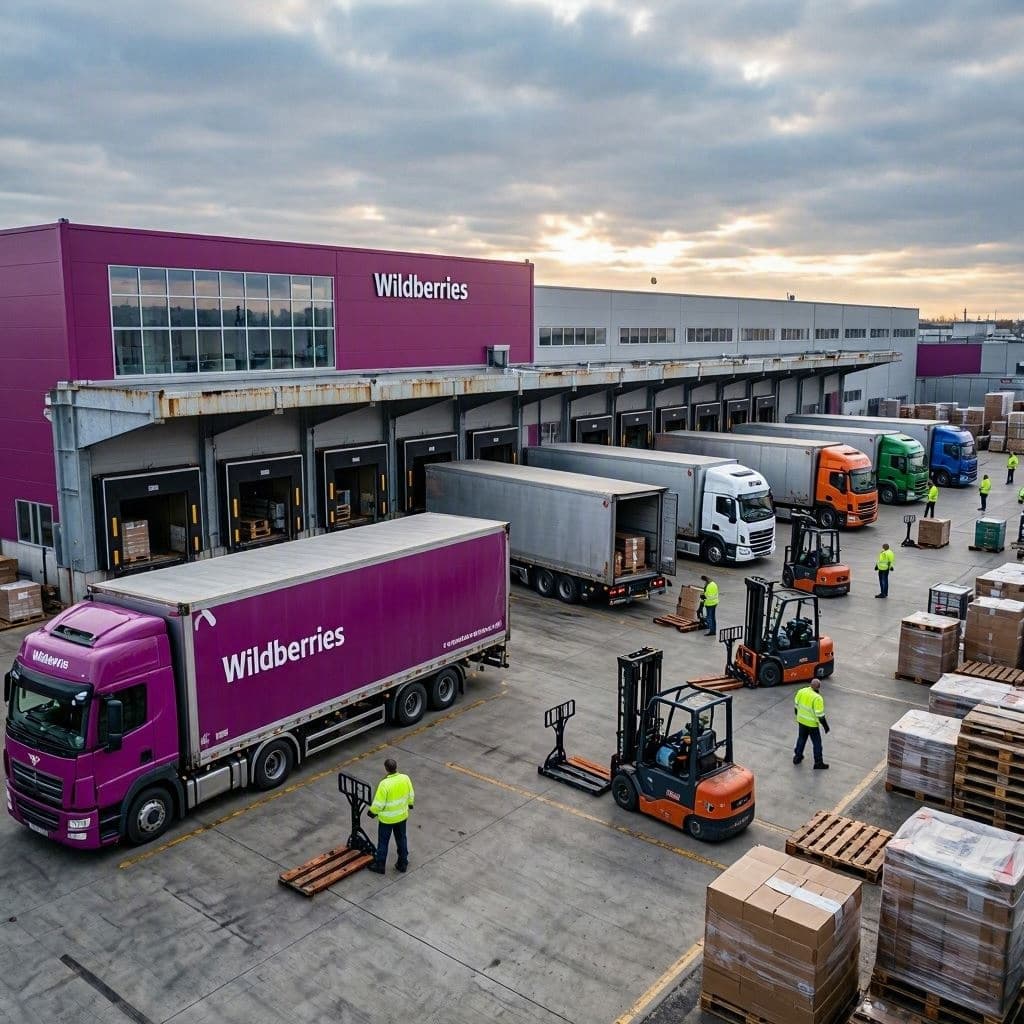
In the vast digital expanse of the Russian internet, one name has risen to dominate the landscape of commerce: Wildberries. What began as a modest online clothing retailer has evolved into a logistical titan, weaving itself into the daily lives of millions across Russia and neighboring countries. Yet, this corporate success story is now unfolding against a backdrop of geopolitical turbulence. As the conflict in Ukraine continues, Wildberries has found itself in the crosshairs, not just of market competition, but of physical and economic repercussions. It is a narrative that blends the ambition of entrepreneurship with the harsh realities of war, reminding us that no business is an island in a connected world.
Founded by Tatyana Bakalchuk, Wildberries grew rapidly by leveraging a unique model of pickup points rather than home delivery, making it accessible even in remote regions. This strategy fueled explosive growth, turning the company into a household name and a major employer. For years, it operated with relative independence, focusing on expansion and efficiency. However, the onset of the conflict in Ukraine has introduced new variables, disrupting supply chains and altering consumer behavior. The company’s reliance on international brands and logistics networks has become a vulnerability in an era of sanctions and isolation.
Recent reports indicate that Wildberries’ infrastructure has been impacted by the broader economic strain caused by the war. While the company itself is not a military target, its operations are affected by the instability in the region. Supply routes have become more complex, and the availability of goods has fluctuated. Consumers face higher prices and limited choices, reflecting the wider economic contraction. The "bombardment" mentioned in recent headlines often refers to these cumulative economic pressures rather than direct military strikes on retail facilities, though the distinction can blur in public discourse.
The human element remains central to the story. Thousands of employees depend on Wildberries for their livelihoods, from warehouse workers to drivers and IT specialists. The uncertainty of the current climate poses challenges to job security and operational stability. Management has had to adapt quickly, seeking alternative suppliers and adjusting logistics to maintain service levels. This resilience is a testament to the adaptability of the Russian business sector, even under significant stress.
Critics have pointed out the ethical complexities of operating in a wartime economy. Questions arise about the source of goods, the treatment of workers, and the company’s role in sustaining normalcy amidst crisis. Wildberries has largely maintained a neutral public stance, focusing on its commercial mission. However, in a polarized environment, silence can be interpreted in various ways, adding to the scrutiny the company faces.
As the conflict persists, the future of Wildberries remains uncertain. Its ability to navigate sanctions, supply chain disruptions, and changing consumer sentiments will determine its long-term viability. The company’s journey reflects the broader economic trajectory of Russia, marked by both innovation and isolation. It is a case study in how global events reshape local industries.
Wildberries stands as a symbol of Russian e-commerce success, now tested by the rigors of geopolitical conflict. As it navigates economic challenges and supply chain disruptions, the company’s resilience will be closely watched. The hope is for stability and continued service for its millions of customers.
AI Image Disclaimer: The visual elements accompanying this report are AI-generated interpretations designed to reflect the corporate and logistical context of the story.
Sources: The Moscow Times Reuters Bloomberg
Published by Banx Network. This article is part of the Banx decentralized media programme, powered by the BXE token on the XRP Ledger.