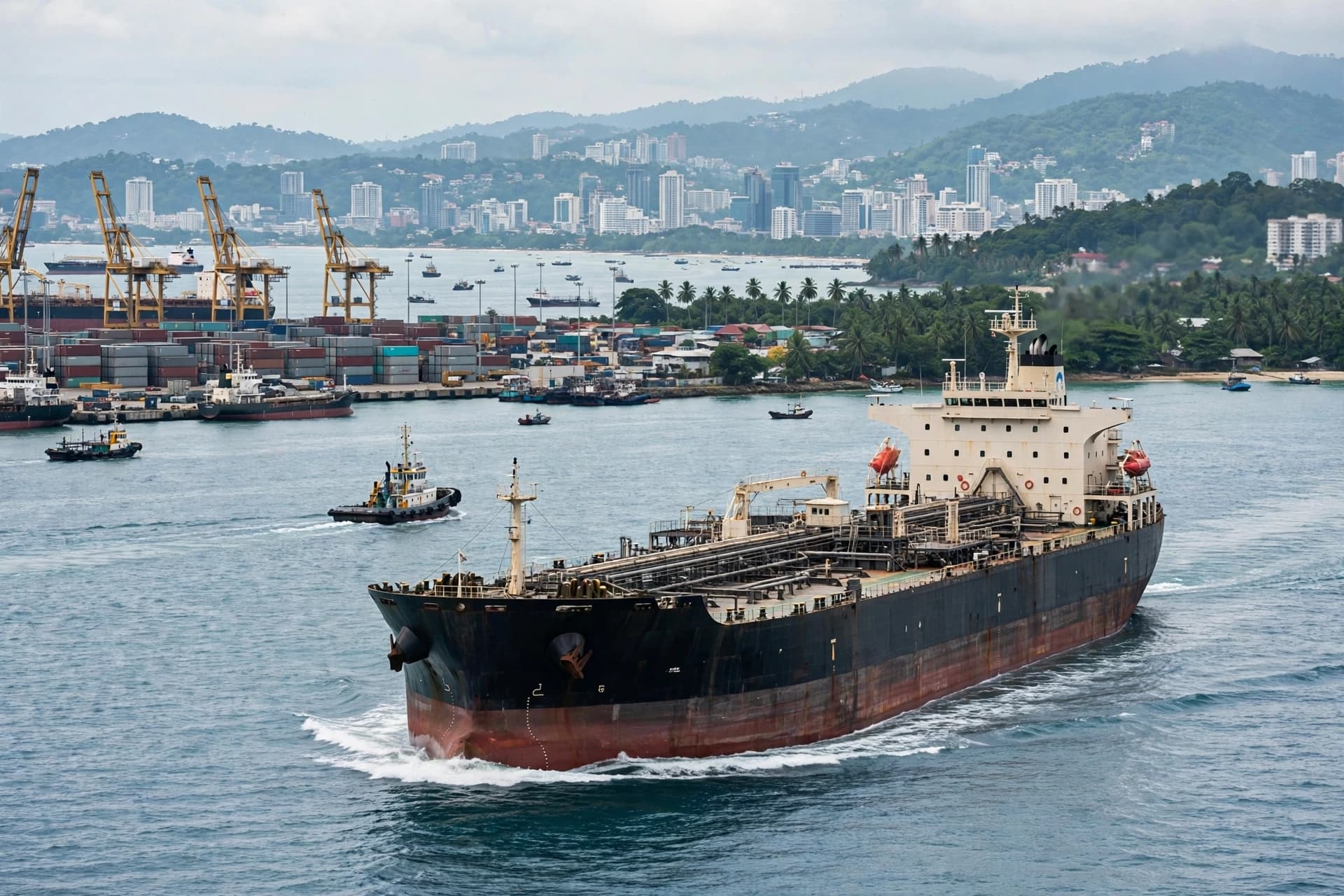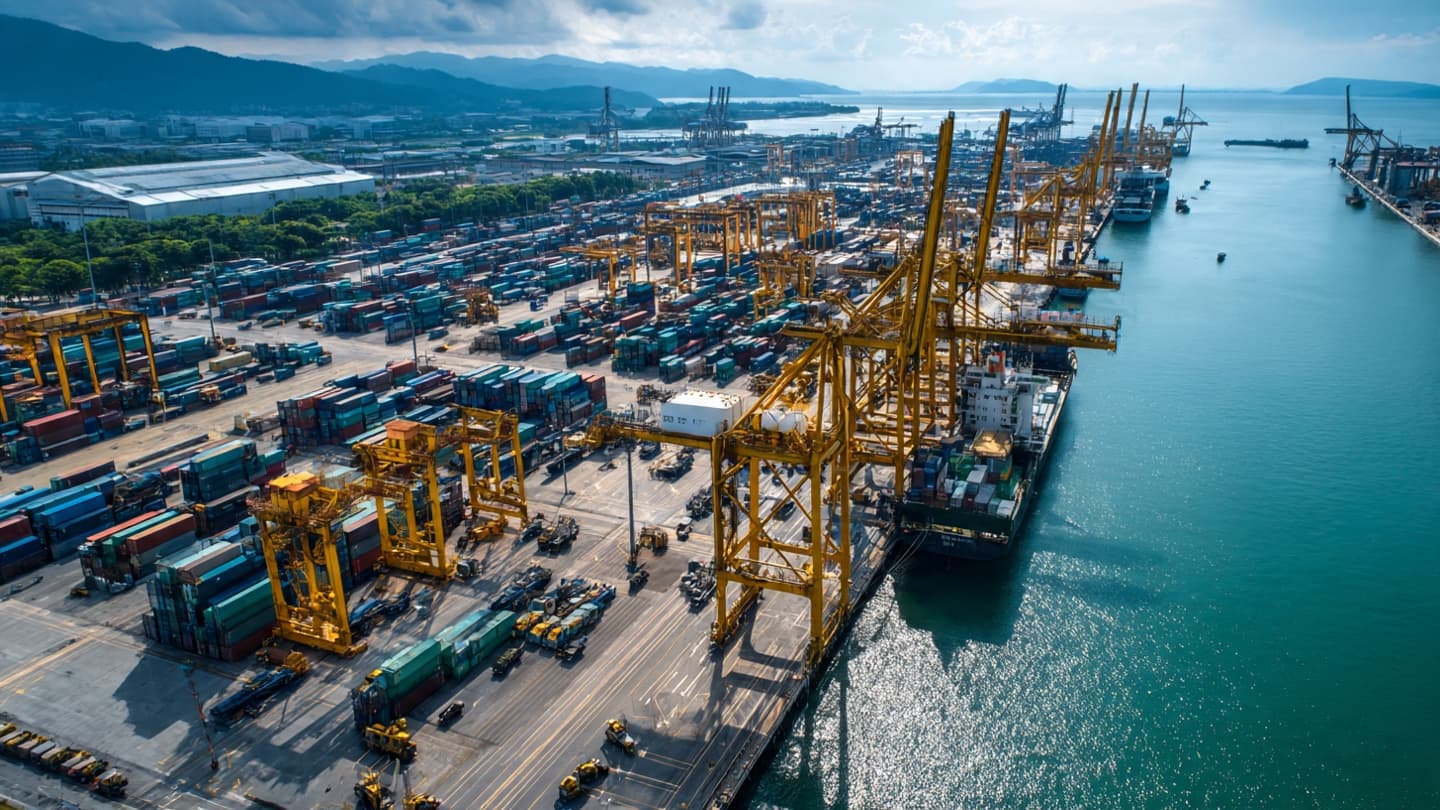
At the edge of the sea, Thailand's ports have long been places where physical goods begin and end their journeys. Containers arrive, cranes move steadily above ships, and trucks carry cargo inland. Increasingly, however, another layer of activity is taking place behind the scenes: data moving through the same ports.
Digital technology is becoming more important to Thailand's maritime sector as companies and authorities look for ways to improve logistics, manage vessels, and coordinate increasingly complex supply chains.
Artificial intelligence can contribute to several parts of this process. Systems can analyze shipping schedules, cargo movements, weather information, and port operations, potentially helping companies anticipate delays and make better use of available infrastructure.
Automation is also changing the physical environment. Modern ports can use sensors and connected equipment to monitor containers, machinery, energy consumption, and traffic patterns.
For Thailand, these technologies have particular significance because maritime trade connects the country with regional manufacturing and international markets. Automotive components, electronics, agricultural products, and manufactured goods all depend on efficient transportation networks.
Digitalization can make those networks more transparent. Businesses can track shipments, exchange documentation electronically, and coordinate deliveries across different stages of a journey.
The benefits are not limited to large shipping companies. Smaller exporters and logistics businesses can also gain from more accessible digital systems that simplify documentation, tracking, and communication.
Yet technological modernization requires investment. Ports need reliable telecommunications networks, cybersecurity systems, compatible software, and workers capable of operating increasingly digital infrastructure.
Thailand's maritime sector also sits within a wider regional competition. Singapore, Malaysia, Vietnam, and other Southeast Asian economies are investing in port infrastructure and logistics technology, making efficiency an increasingly important factor in attracting trade.
The transition from traditional port operations toward digitally connected logistics will therefore be gradual. Ships will continue to arrive, cranes will continue to move containers, and trucks will continue carrying goods. But beneath those familiar movements, data and artificial intelligence are beginning to influence how the journeys are organized.
Thailand's maritime economy is consequently entering a period in which physical infrastructure and digital intelligence increasingly share the same space. The sea remains the same, but the systems guiding commerce across it are becoming more connected.
AI Image Disclaimer The visuals are AI-generated conceptual representations of maritime technology and are not photographs of actual Thai ports or vessels.
Sources The Nation Thailand Port Authority of Thailand Reuters
Published by Banx Network. This article is part of the Banx decentralized media programme, powered by the BXE token on the XRP Ledger.