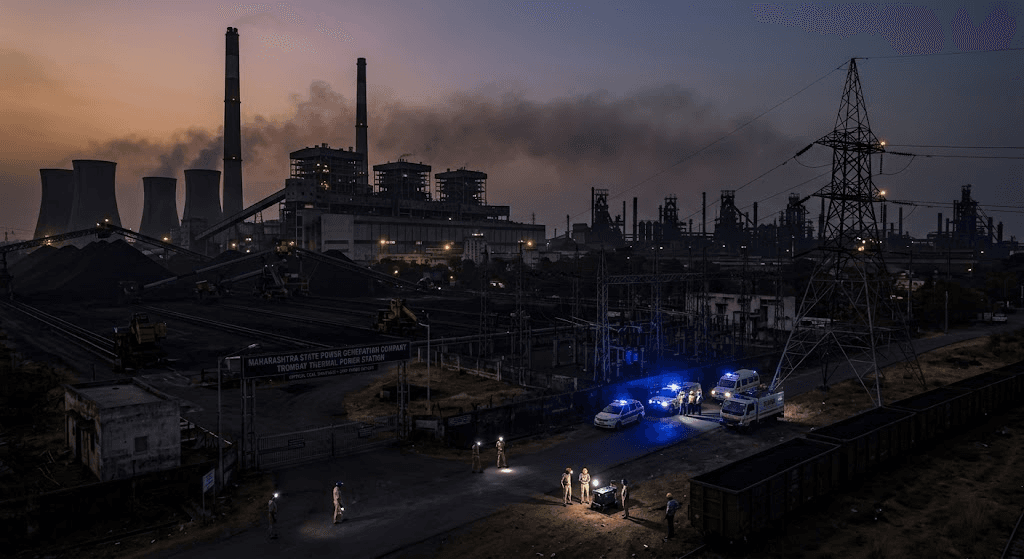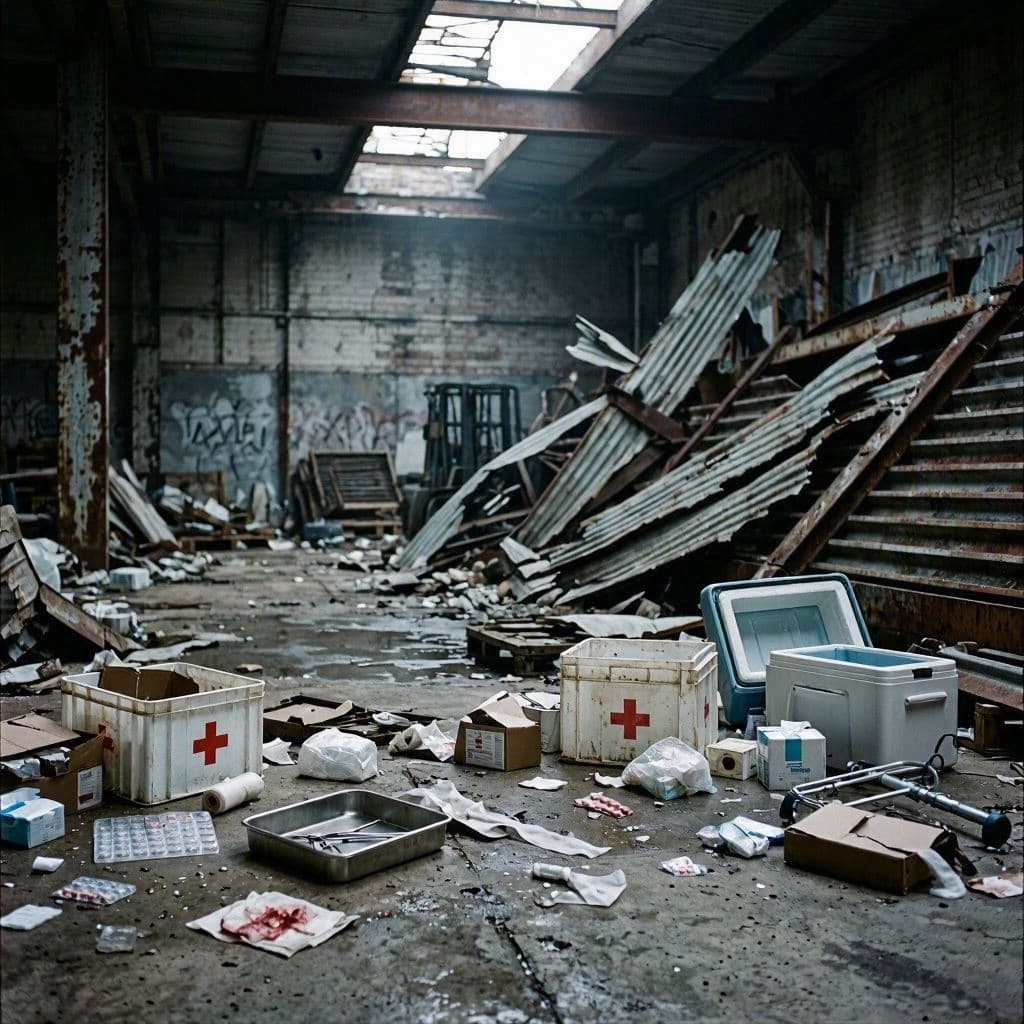
Nightfall in Ukraine often brings a tense silence, broken only by the distant hum of drones or the sudden shock of explosions. In recent days, this pattern has continued as Russia and Ukraine exchanged overnight strikes, each side targeting critical infrastructure and military assets. Amidst the chaos, a sobering confirmation emerged from the World Health Organization (WHO): a warehouse containing essential medical supplies in Dnipro was destroyed. This incident underscores the humanitarian cost of the conflict, where even neutral aid becomes collateral damage. It is a reminder that behind the strategic maneuvers lie real people facing real suffering, and that the rules of war are often tested in the darkest hours.
The strikes targeted various locations, including energy facilities and logistical hubs. In Dnipro, a major industrial city and transport hub, the attack on the warehouse disrupted the supply chain for hospitals and clinics across the region. The WHO stated that the facility held a significant quantity of medical equipment and medications intended for frontline areas. Its destruction not only represents a material loss but also a blow to the healthcare system’s ability to respond to emergencies. For patients relying on these supplies, the impact is immediate and severe.
Russian authorities have not explicitly claimed responsibility for targeting the warehouse, often stating that their strikes are aimed at military objectives. However, the proximity of such facilities to residential areas makes distinction difficult. International humanitarian law mandates the protection of medical infrastructure, and any intentional attack is considered a war crime. The WHO’s confirmation adds weight to calls for accountability, urging all parties to respect the neutrality of health services.
Ukraine’s response included retaliatory strikes on Russian territory, targeting military bases and storage facilities. This cycle of violence shows no sign of abating, with both sides digging in for a prolonged conflict. The human toll continues to mount, with civilians bearing the brunt of the escalation. Displacement, injury, and psychological trauma are widespread, creating a crisis that extends far beyond the battlefield.
International reactions have been swift, with condemnation from UN officials and human rights organizations. They emphasize the urgent need for safe corridors for aid delivery and the protection of civilian infrastructure. Diplomatic efforts to de-escalate the situation remain stalled, leaving humanitarian agencies to operate in increasingly dangerous conditions. The resilience of local workers and volunteers is remarkable, but it should not be taken for granted.
For the global community, the destruction of the warehouse is a stark reminder of the fragility of peace. It highlights the importance of upholding international law and protecting the vulnerable. As the conflict continues, the focus must remain on minimizing harm and preserving the dignity of those affected. Every strike carries a human cost, and every act of compassion matters.
The exchange of strikes between Russia and Ukraine has resulted in the destruction of a WHO-linked warehouse in Dnipro, highlighting the ongoing humanitarian crisis. As international bodies call for accountability, the need to protect medical infrastructure remains urgent. The hope is for a cessation of hostilities and the restoration of safety for civilians.
AI Image Disclaimer: Visuals associated with this article are AI-generated to illustrate the themes of conflict and humanitarian aid.
Sources: World Health Organization Reuters BBC News
Published by Banx Network. This article is part of the Banx decentralized media programme, powered by the BXE token on the XRP Ledger.