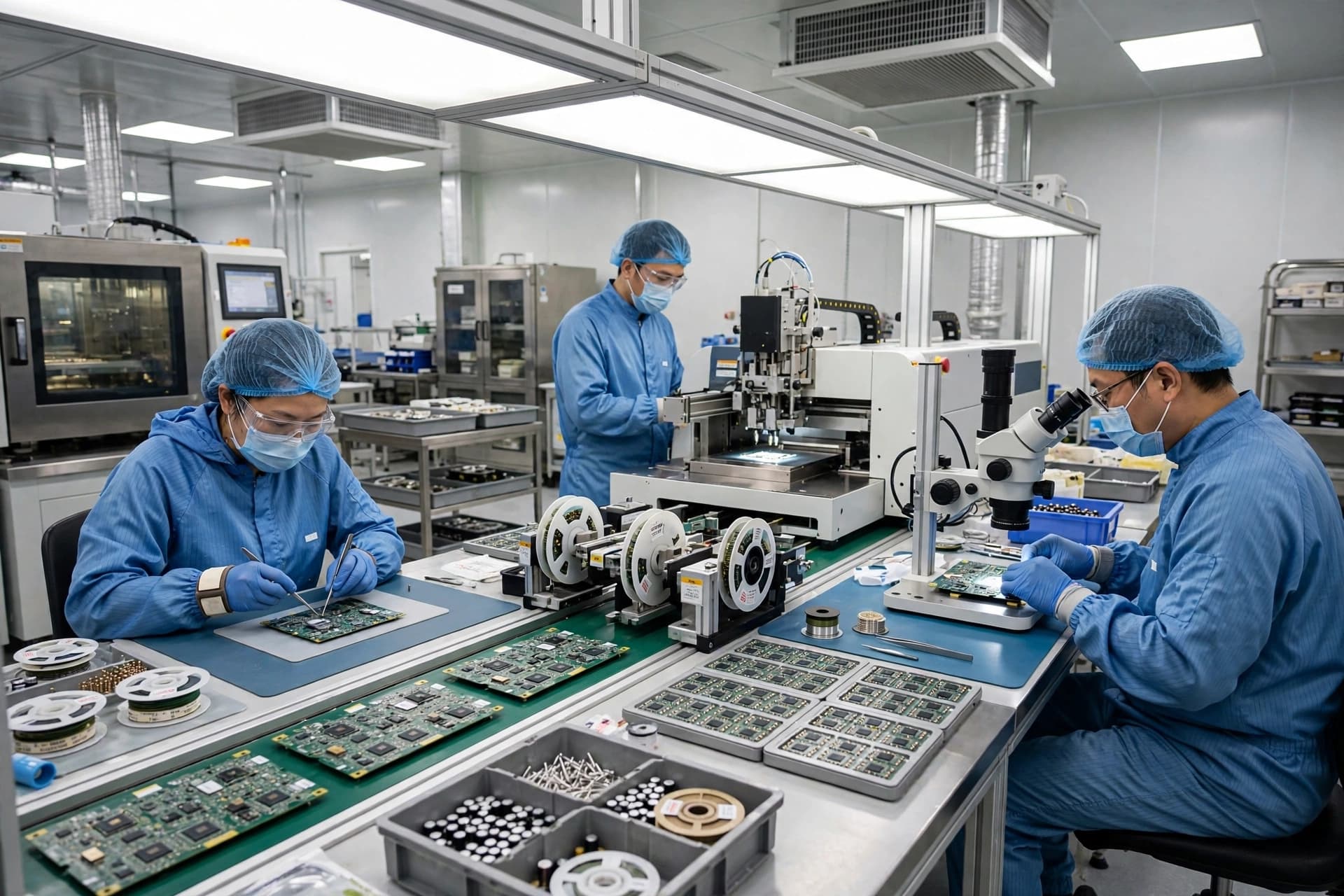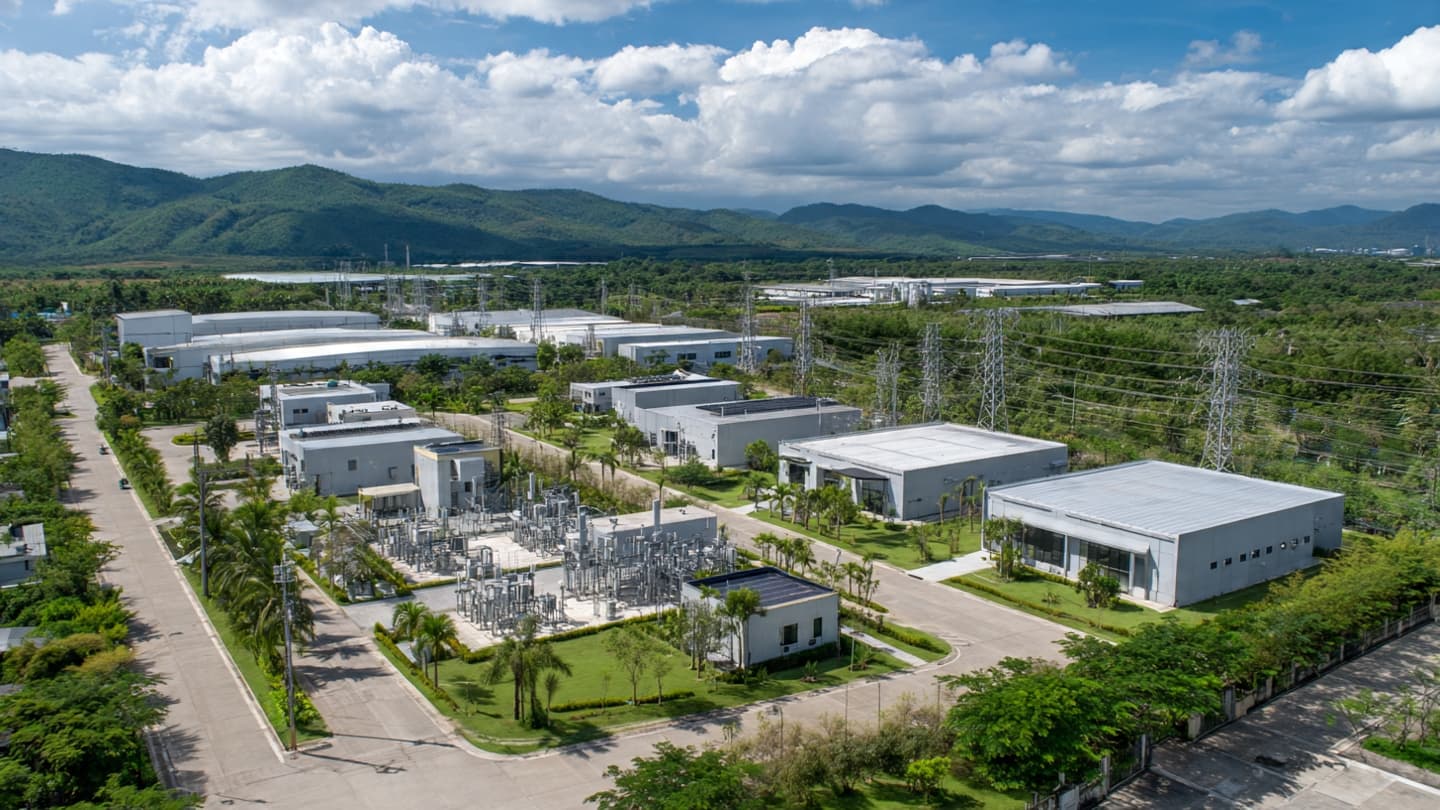
From a distance, a data center can resemble any other industrial building. Its walls are often quiet, its windows limited, and its machinery hidden from the public eye. Yet inside those structures is the computing capacity behind much of modern life. In Thailand, these facilities are becoming increasingly important landmarks in the country's technology economy.
Investment in data centers and cloud infrastructure has expanded sharply as demand for artificial intelligence increases. Companies require computing capacity not only to train advanced AI systems but also to operate the everyday applications that depend on cloud-based processing.
Thailand's investment authorities have identified digital infrastructure as one of the country's strongest areas of recent investment growth. During the first half of 2026, digital projects represented the largest share of investment applications, driven in significant part by data centers and AI-related infrastructure.
The expansion is connected to Thailand's position within Southeast Asia. The country has a large domestic market, established telecommunications networks, manufacturing capabilities, and a growing technology sector. These factors make it attractive to companies looking for additional locations for regional computing infrastructure.
Data centers also create demand beyond the technology companies that operate them. Construction firms, electrical engineers, cooling specialists, telecommunications providers, security companies, and maintenance services all become part of the surrounding ecosystem.
Energy is particularly important. Servers operate continuously, and advanced AI computing can require substantial electricity. Thailand therefore faces the challenge of ensuring that new facilities can obtain reliable power without placing excessive pressure on existing infrastructure.
Connectivity is another consideration. Data centers need fast and resilient links to other facilities, businesses, and international networks. Thailand's geographical position allows it to serve both domestic users and regional markets, provided sufficient telecommunications capacity is available.
The investment may also create opportunities for local technology companies. As data centers expand, businesses can develop services around cloud computing, cybersecurity, artificial intelligence, software, maintenance, and specialized engineering.
Still, the growth of physical digital infrastructure changes the country's industrial requirements. Thailand must increasingly think about computing capacity alongside roads, factories, ports, electricity networks, and telecommunications. Data has become another resource that requires physical foundations.
The direction is clear in the investment figures. Thailand is attracting major capital toward digital infrastructure while simultaneously strengthening its electronics and technology industries. As more data centers rise across the country, the quiet buildings behind the digital economy are becoming an increasingly visible part of Thailand's industrial transformation.
AI Image Disclaimer The images are AI-generated conceptual illustrations designed to represent data-center infrastructure and are not photographs of actual facilities.
Sources Thailand Board of Investment The Nation Thailand Reuters
Published by Banx Network. This article is part of the Banx decentralized media programme, powered by the BXE token on the XRP Ledger.