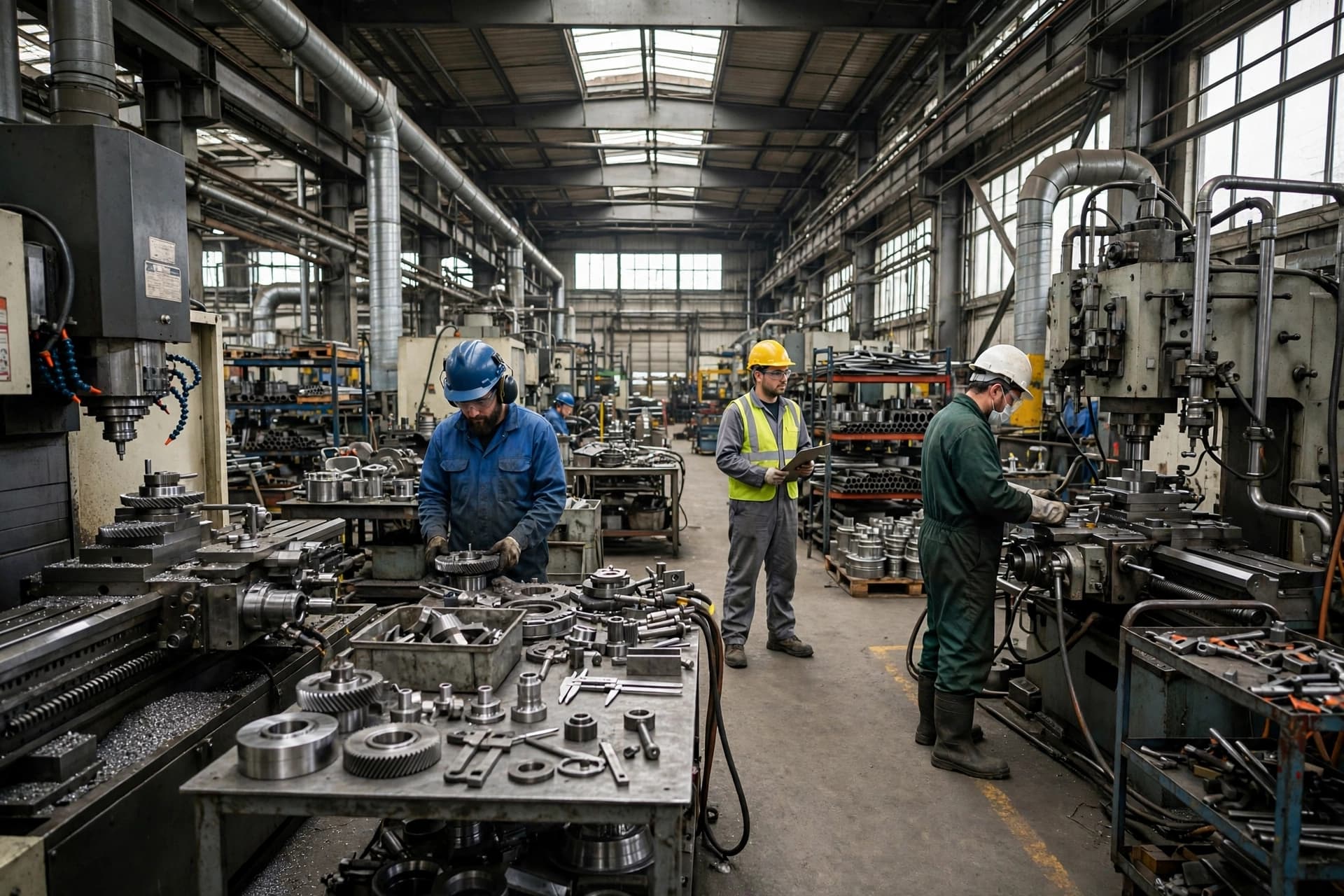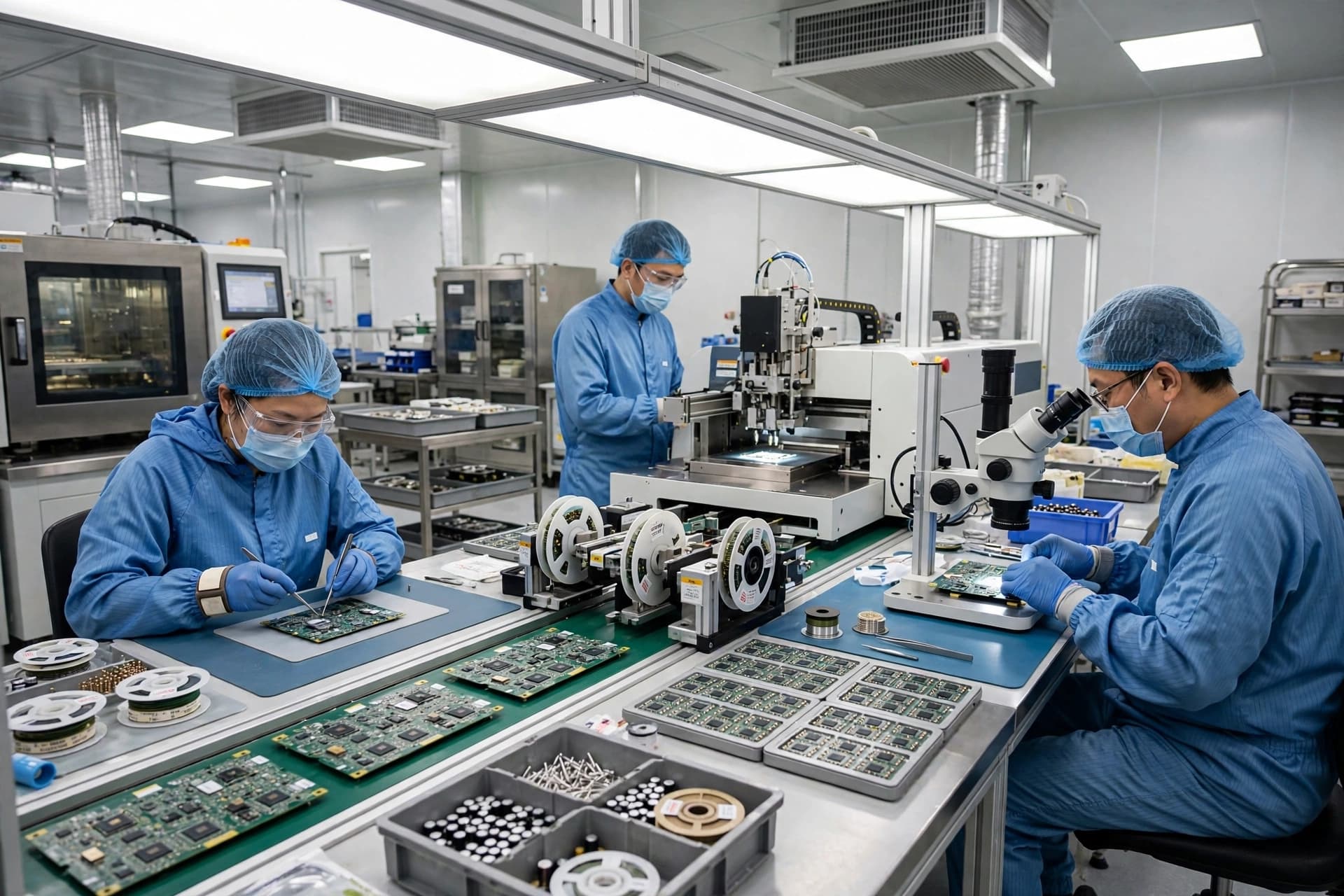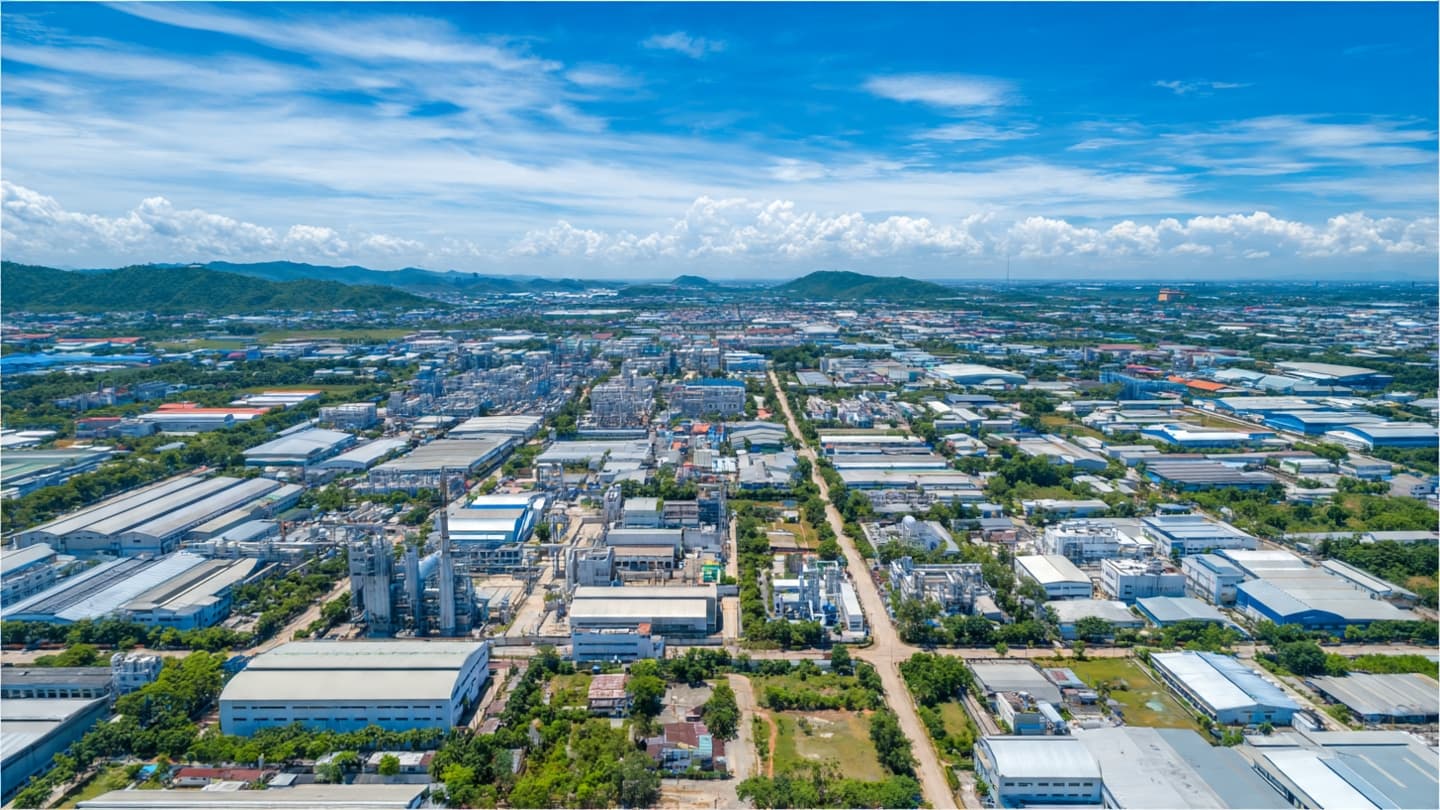
The industrial map of Thailand has always been drawn through factories, roads, ports, and production centers. Now another layer is being added: networks of servers, cloud systems, and digital infrastructure. The change is gradual, but the growing flow of investment suggests that data is becoming as important to the country's economic landscape as physical goods.
Thailand attracted $43.6 billion in investment applications during the first half of 2026, with digital infrastructure accounting for a significant portion of the total. The country's Board of Investment identified data centers and AI-related projects as major contributors to the increase.
The significance of that investment extends beyond the buildings themselves. Data centers require electronic components, energy systems, telecommunications equipment, cooling technology, security infrastructure, and specialized engineering. Each new facility therefore connects multiple industries.
Thailand's electronics sector is positioned to benefit from this connection. Companies operating in the country manufacture components used in data-center infrastructure, including power systems, networking equipment, storage, and optical technology. The growth of AI computing creates additional demand for these products.
Traditional manufacturing can also become more closely linked to digital infrastructure. Factories increasingly use cloud systems and AI-powered software to monitor production, manage inventories, predict maintenance requirements, and coordinate supply chains.
This creates a feedback loop between physical industry and digital technology. More factories adopting digital systems increase demand for computing infrastructure, while expanding digital infrastructure makes it easier for businesses to adopt cloud-based services.
For Thailand, the opportunity lies in developing an ecosystem rather than relying on isolated investment projects. The greatest economic impact may come when international companies connect with local suppliers, universities, technology firms, and skilled workers.
The challenge is developing those connections quickly enough. Technology investment can arrive with large amounts of capital, but local participation requires skills, standards, supporting businesses, and long-term relationships between investors and domestic companies.
Sustainability is also becoming part of the equation. As digital infrastructure expands, electricity demand increases, making energy planning increasingly important. Thailand is therefore considering data-center investment alongside broader questions about power, water, and environmental capacity.
The transformation is still underway, but its direction is becoming clearer. Thailand's traditional industrial economy is not disappearing; it is being connected to a growing digital layer. Factories, electronics, data centers, cloud services, and artificial intelligence are increasingly occupying the same economic landscape, giving Thailand a new role within Southeast Asia's technology-driven growth.
AI Image Disclaimer These visuals were generated using AI and are intended as conceptual representations of Thailand's digital and industrial transformation.
Sources Thailand Board of Investment The Nation Thailand Reuters
Published by Banx Network. This article is part of the Banx decentralized media programme, powered by the BXE token on the XRP Ledger.