WORLD91% credibility
Invisible Transformation: How Global Systems Redefine Economic Stability
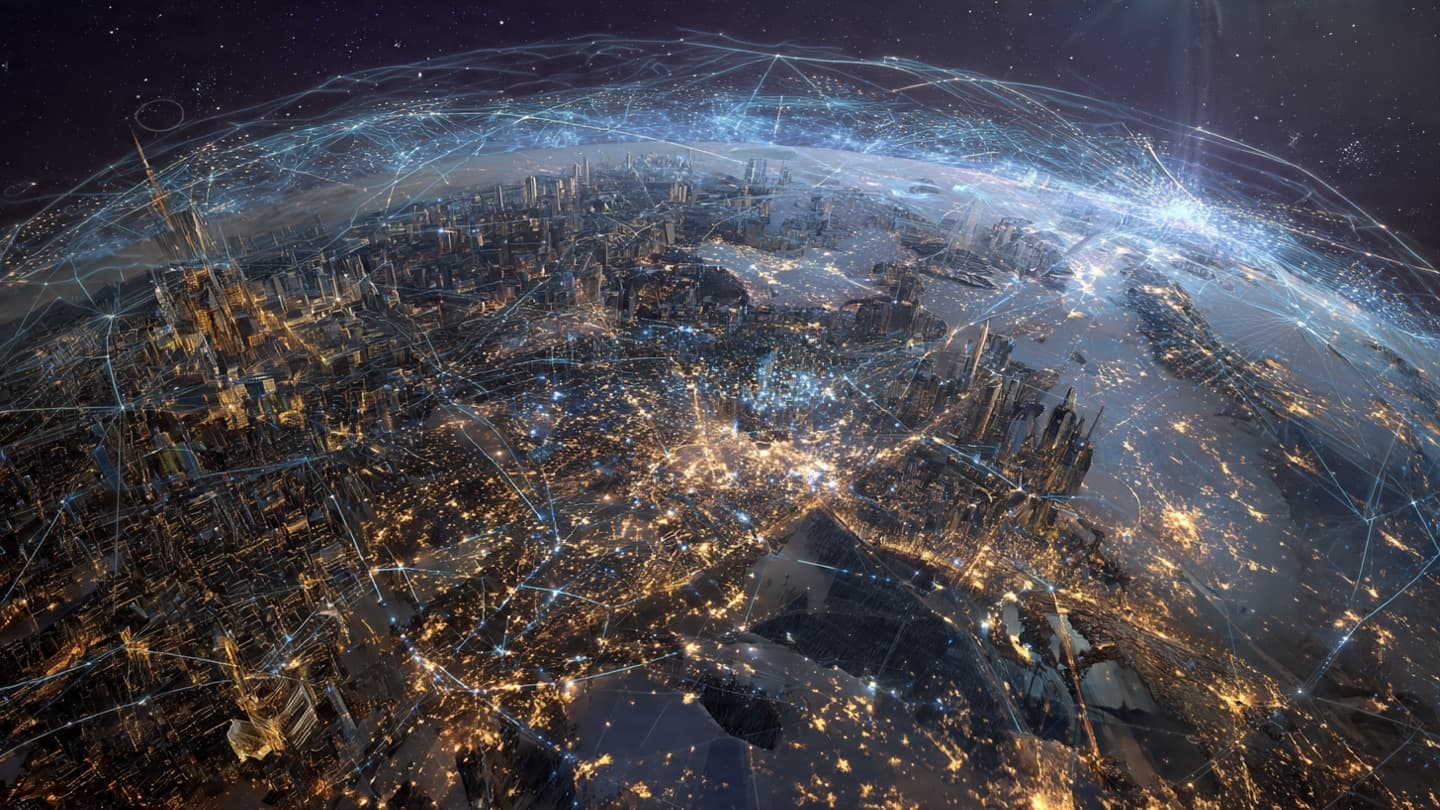
Global economies enter structural adjustment driven by energy transition, technology expansion, and shifting investment patterns.
5 min read

Global economies enter structural adjustment driven by energy transition, technology expansion, and shifting investment patterns.
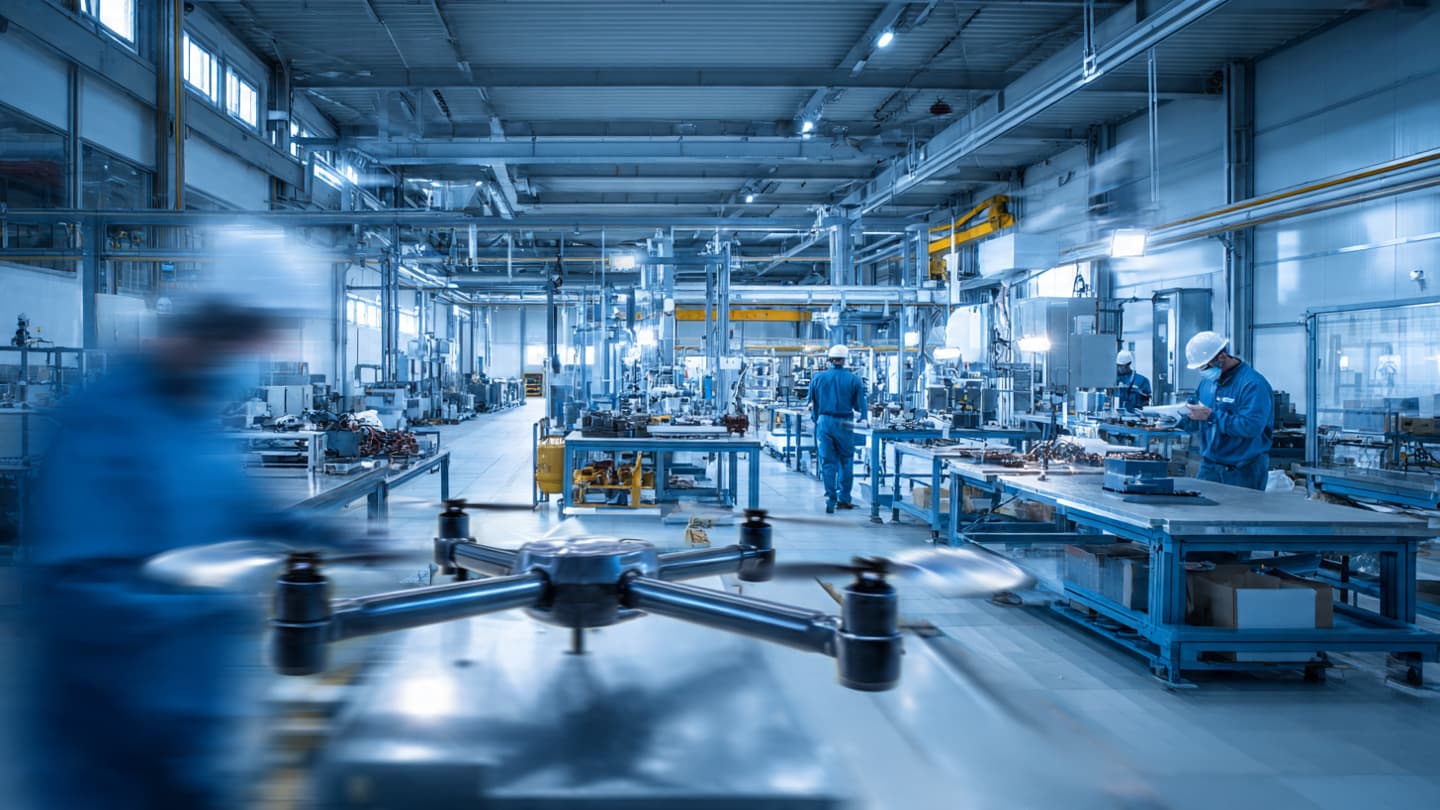
Russia faces growing financial pressure from the war as Ukraine’s expanding drone capabilities reshape battlefield dynamics and challenge traditional military advantages.

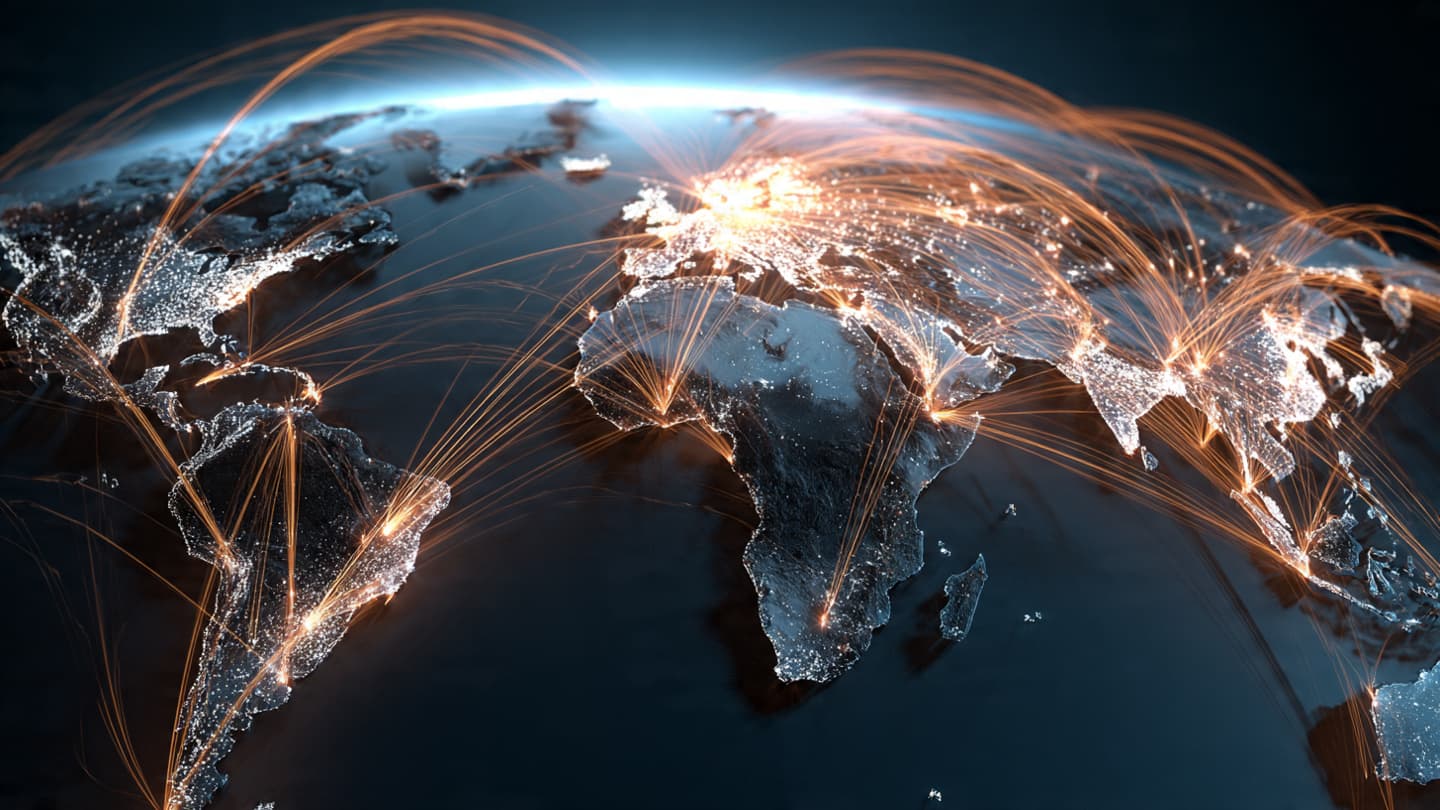
Global connectivity systems adopt multi-layered redundancy and hybrid models to ensure stable digital operations under pressure.
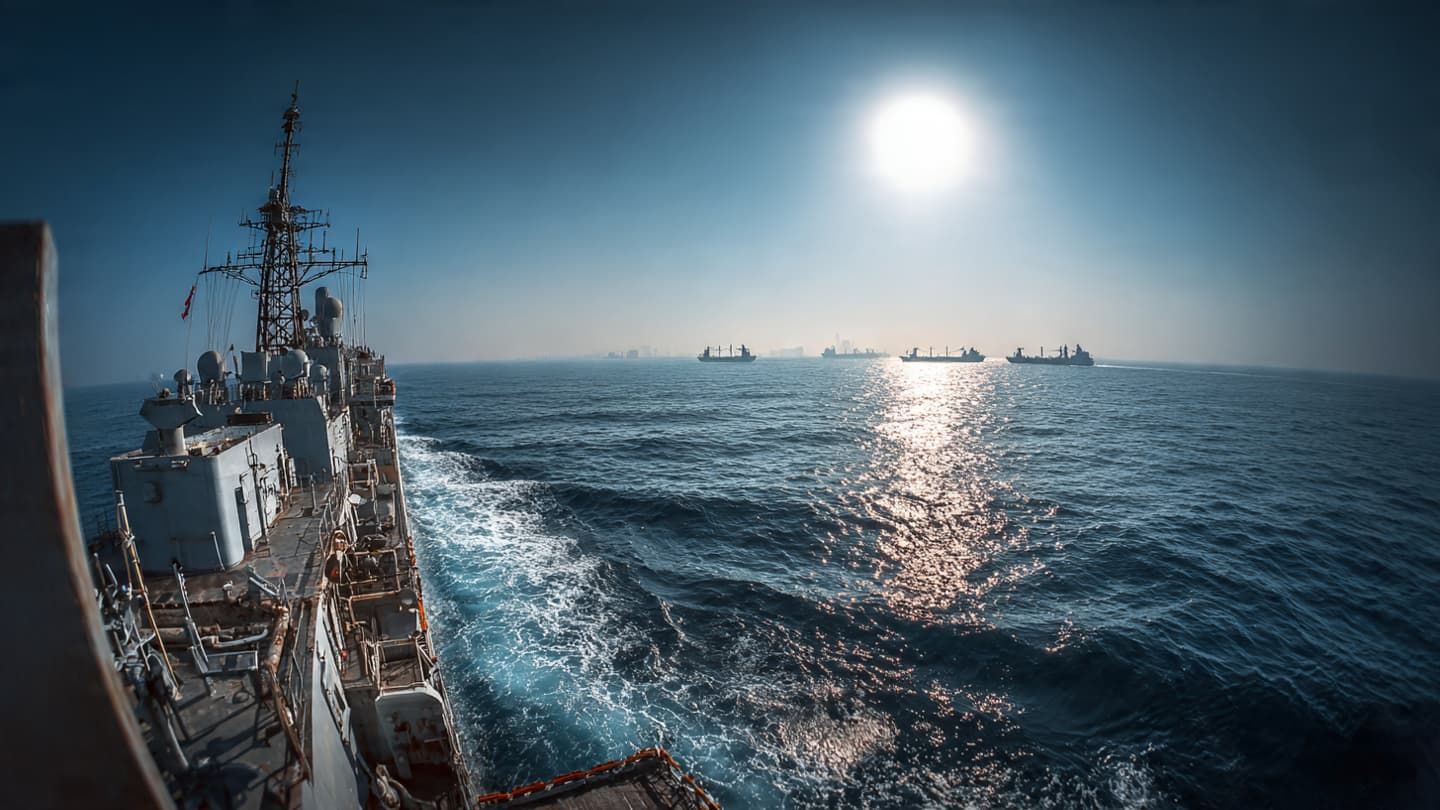
The U.S. has not confirmed reports that Iran placed mines in the Strait of Hormuz, leaving uncertainty around a waterway vital to global energy trade and regional security.
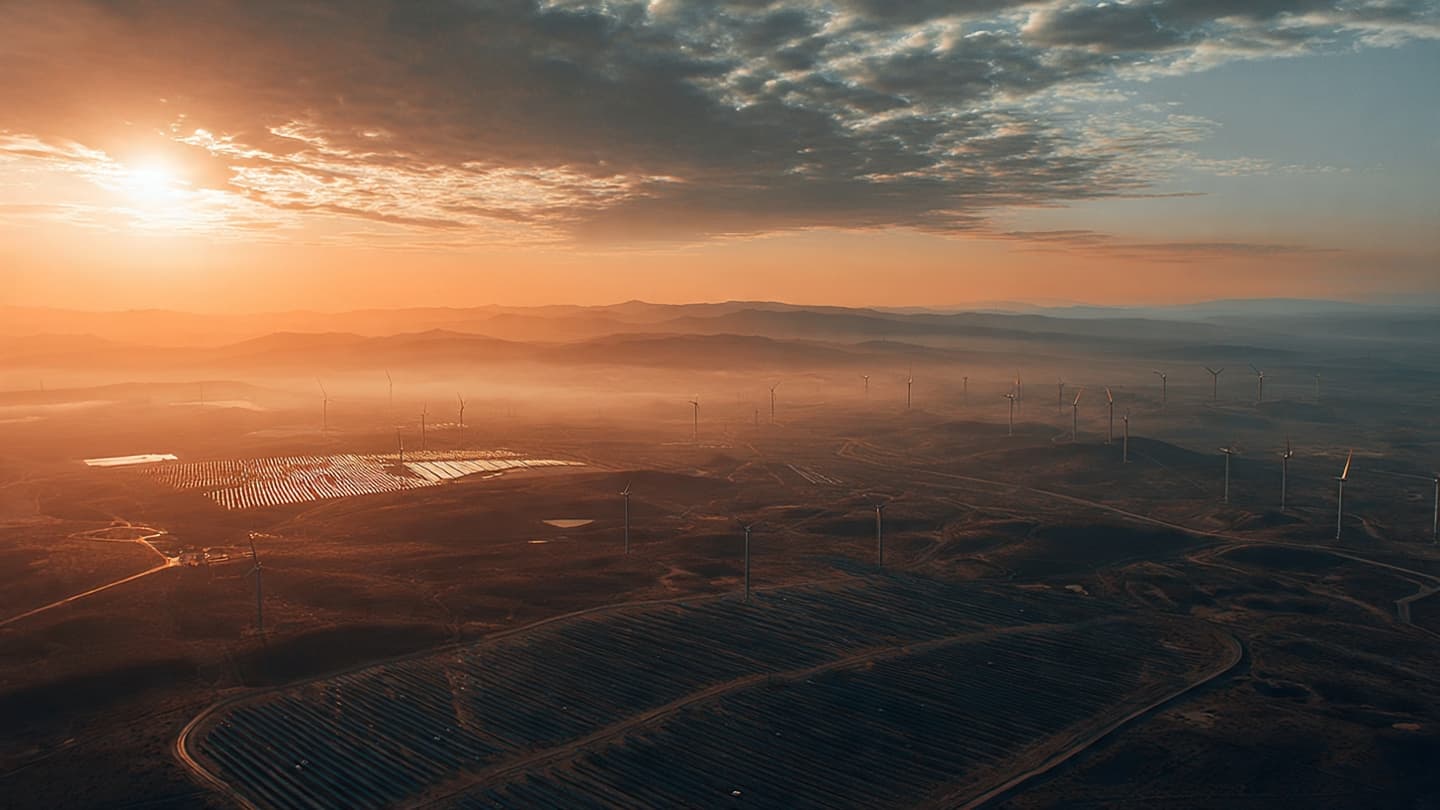
Global renewable energy expands rapidly as nations integrate sustainability into core infrastructure and long-term energy planning.
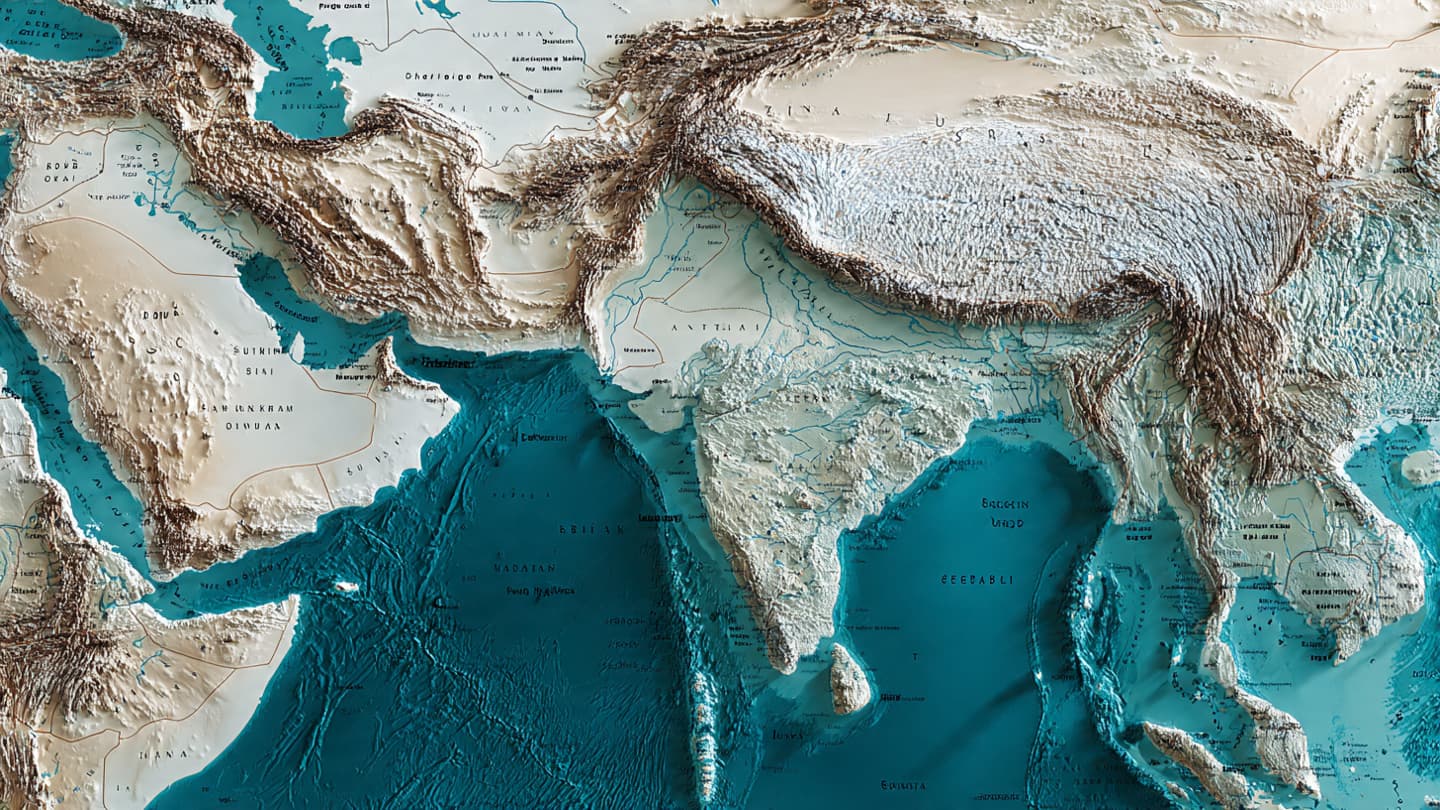
Pakistan is likely to remain outside the Abraham Accords due to strong public support for Palestinians, historical policy commitments, and careful regional diplomatic calculations.

Ukraine’s growing use of AI-powered drones against Russian supply convoys highlights how artificial intelligence is reshaping logistics and battlefield strategy in modern warfare.
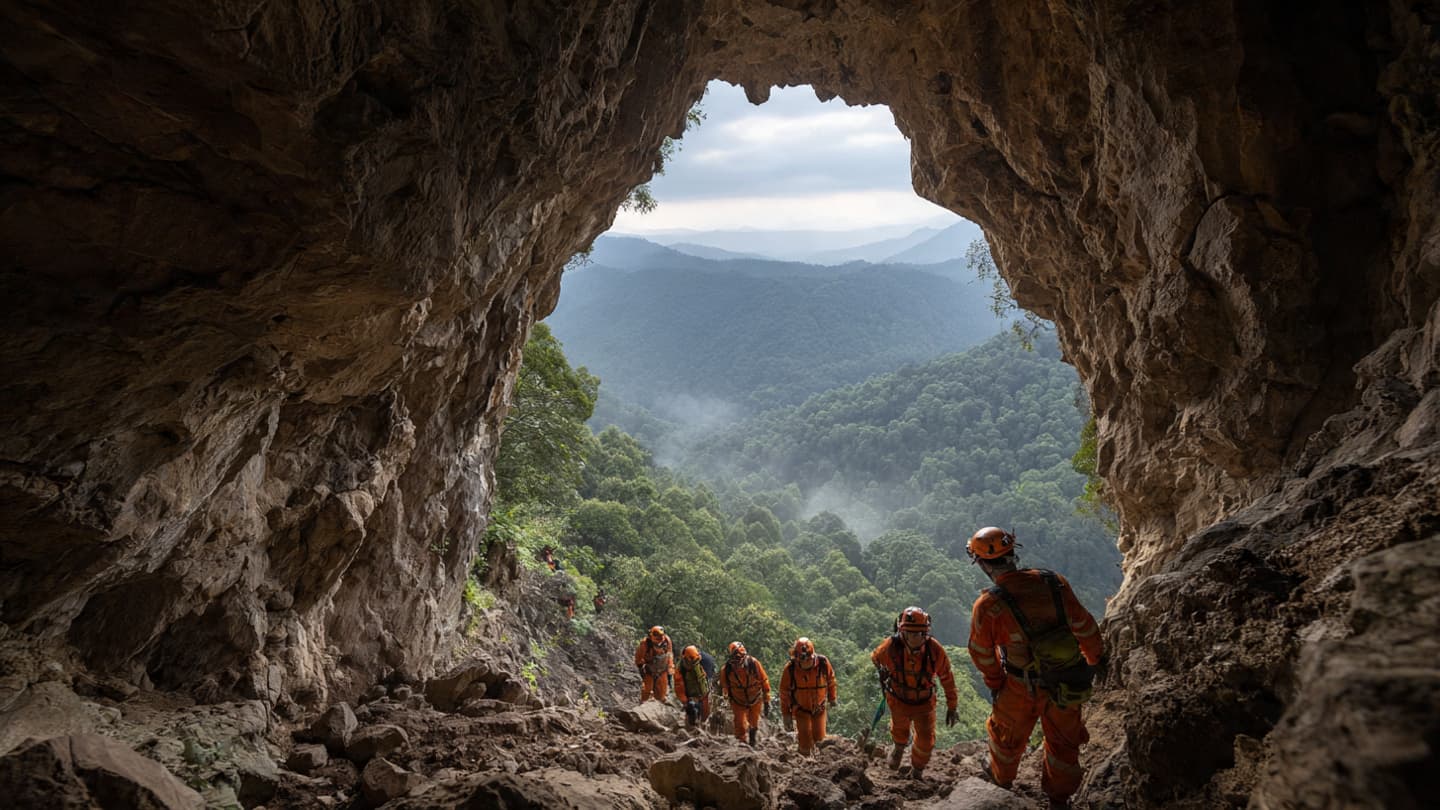
Four more gold miners were rescued from a flooded Laos cave after spending ten days trapped underground, marking a major step forward in a challenging rescue effort.
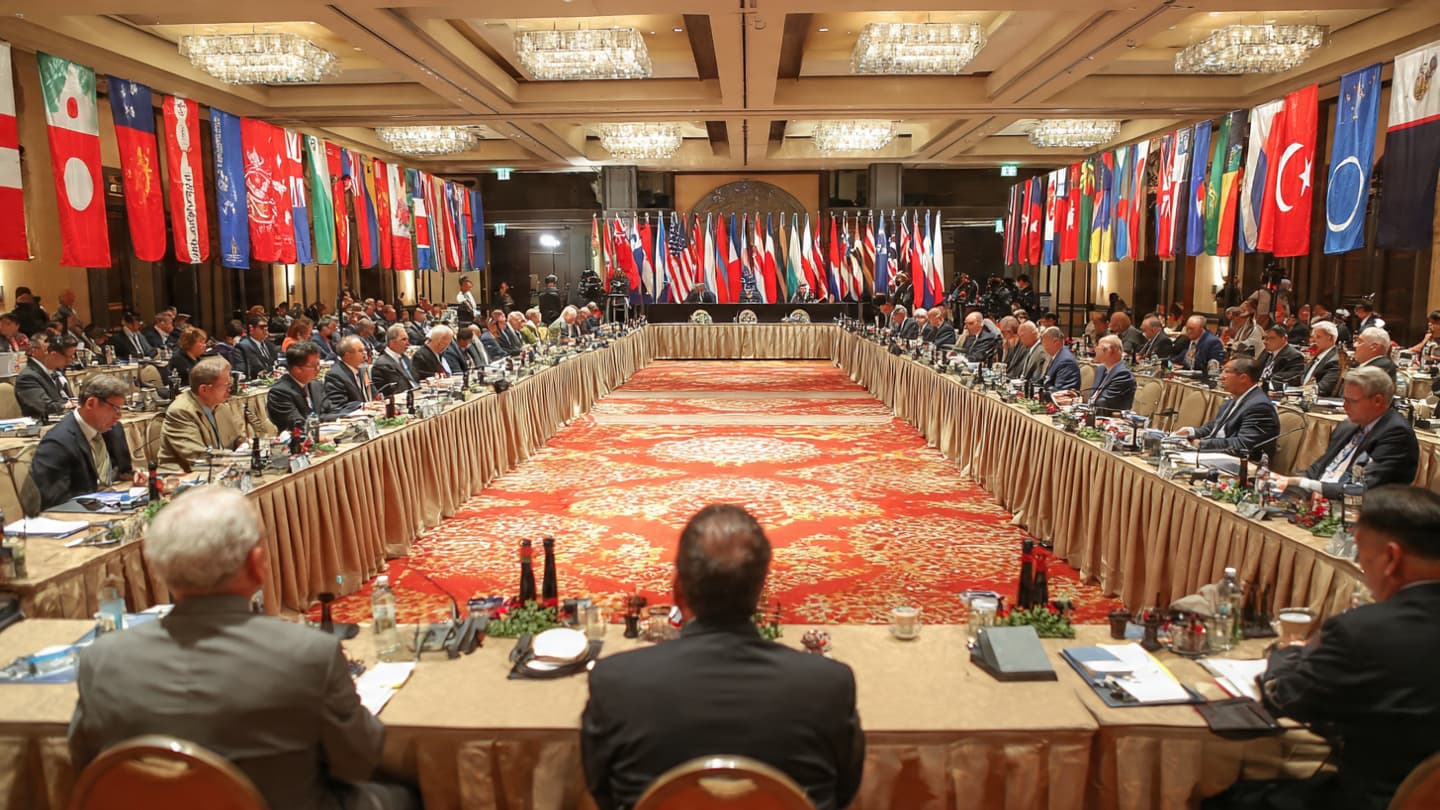
Pete Hegseth reassured Asian allies of continued U.S. commitment while urging greater defense spending, highlighting growing concerns over China’s military expansion.

A Russian drone strike inside Romania renewed European concerns about border security, resilience, and the broader consequences of a war whose effects increasingly reach beyond Ukraine.
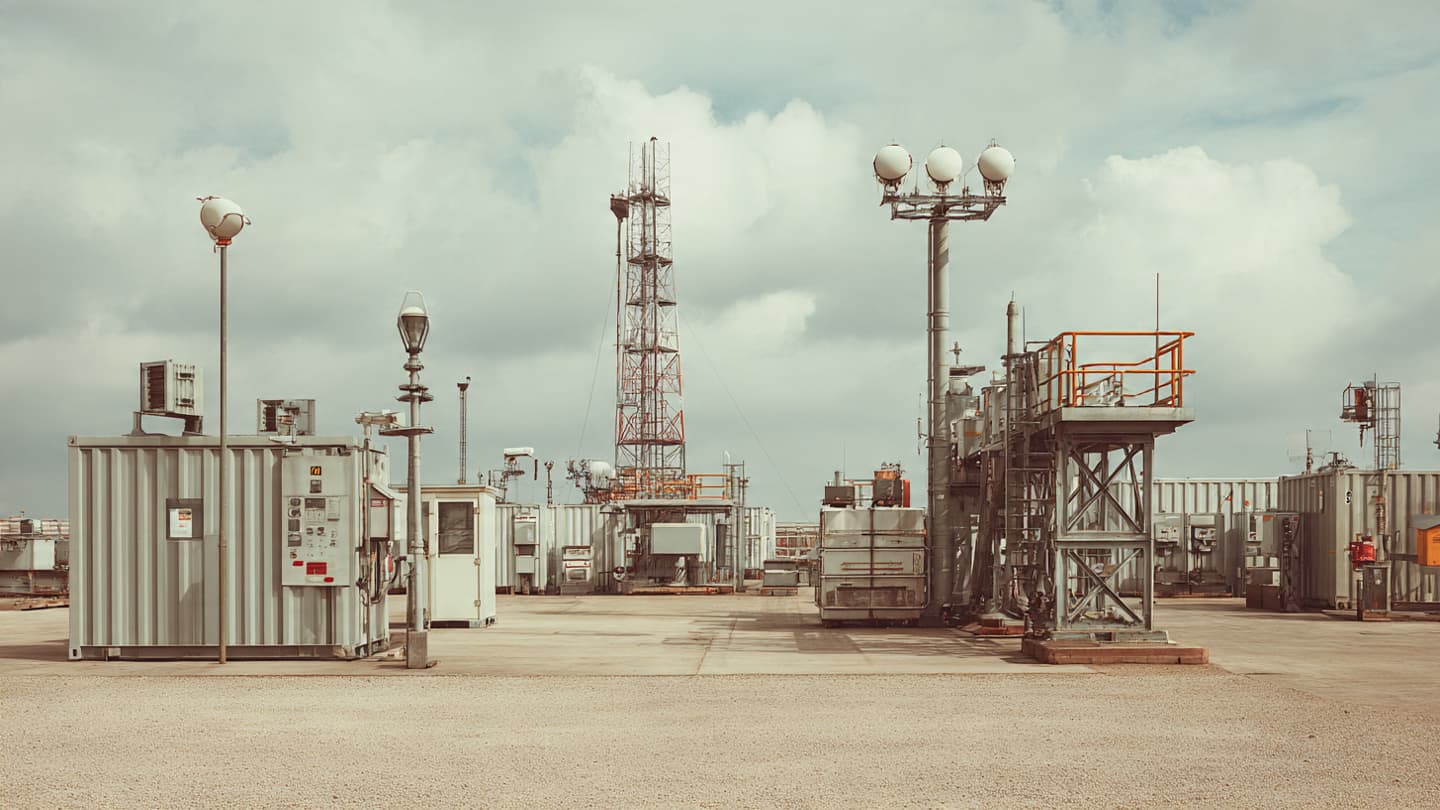
Kazakhstan has expressed willingness to store Iran’s enriched uranium if a nuclear agreement is reached, potentially giving the country a key role in future diplomatic efforts.
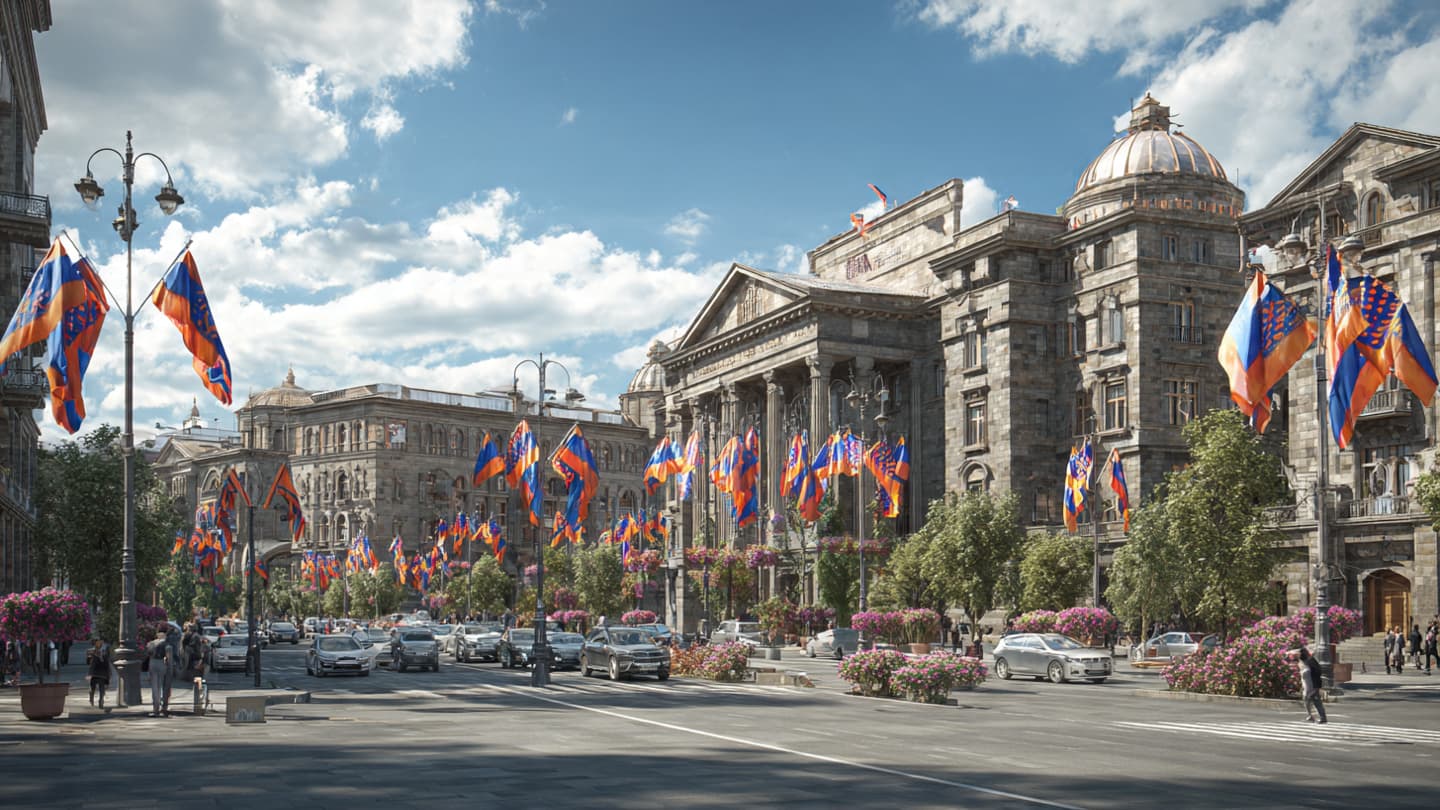
Armenia faces growing pressure from a Moscow-led economic bloc as it pursues closer ties with the European Union, highlighting a pivotal geopolitical choice.
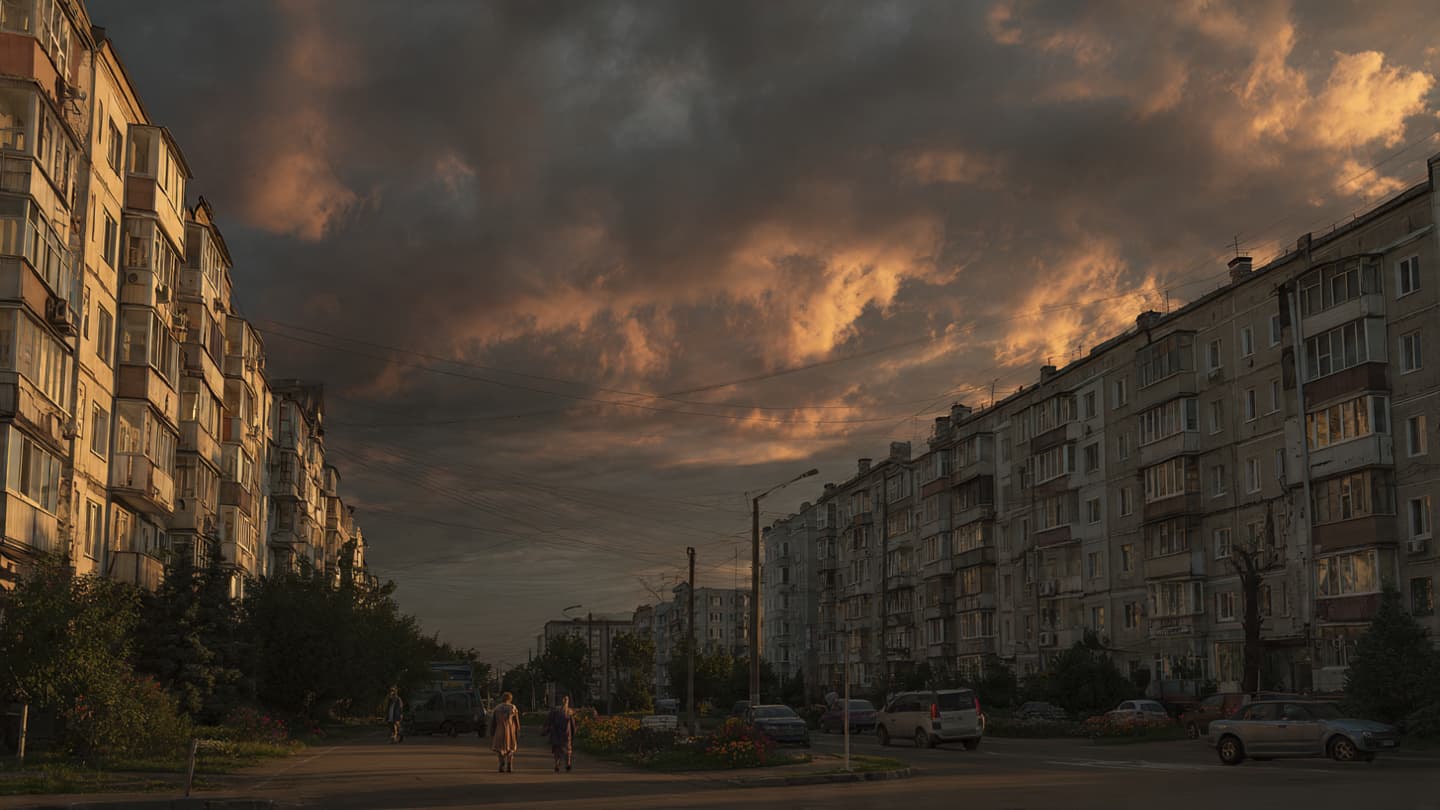
Ukraine is on heightened alert after President Zelenskyy warned of possible major Russian attacks within 24 hours, underscoring the continuing uncertainty of the war.
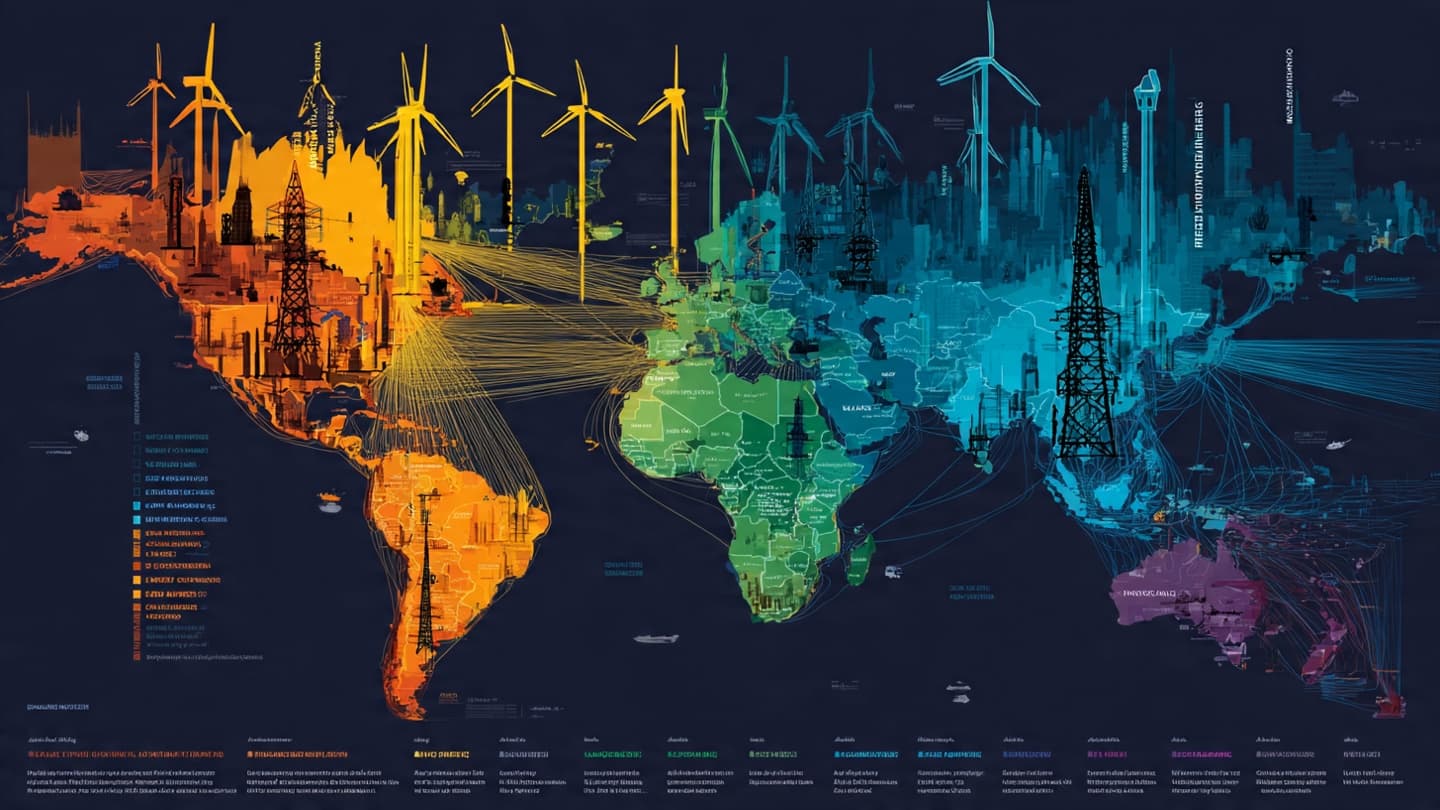
Global financial systems adjust to long-term energy volatility, shifting investment toward renewables and adapting risk models.

Global cloud systems shift toward hybrid and edge computing models to improve resilience and manage rising digital demand.

Eight students have been arrested as Kenyan authorities investigate a deadly fire at a girls' school, deepening a national conversation about school safety and accountability.
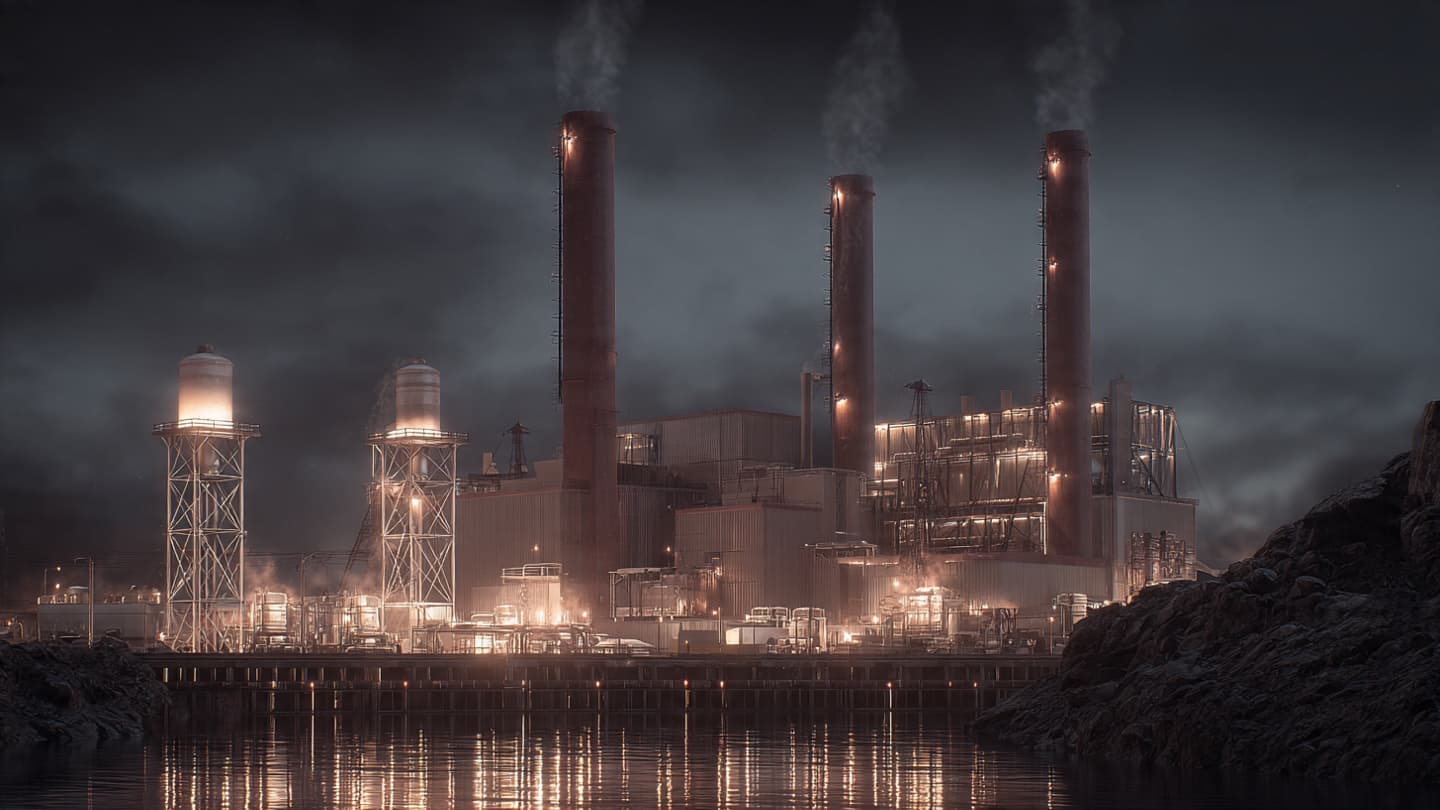
Global energy grids face rising pressure from demand and renewable transition, pushing modernization and smarter infrastructure systems.
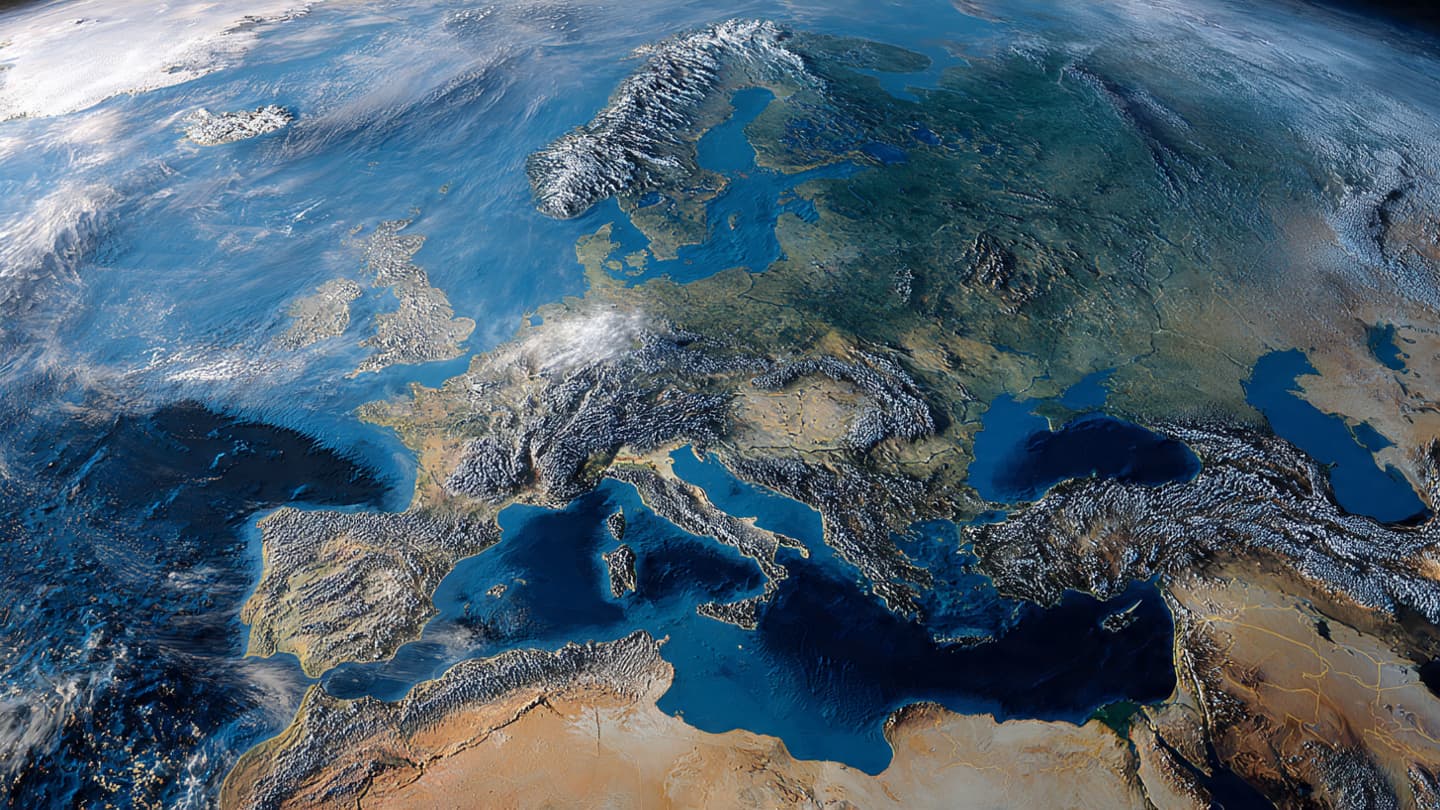
A satellite image captured Europe during a record-breaking heat wave, revealing from orbit how extreme temperatures spread across the continent and highlighting growing climate concerns.

As Ebola affects parts of Congo, experts renew warnings about disease transmission linked to contact with wild animals, highlighting the complex intersection of health, environment, and survival.
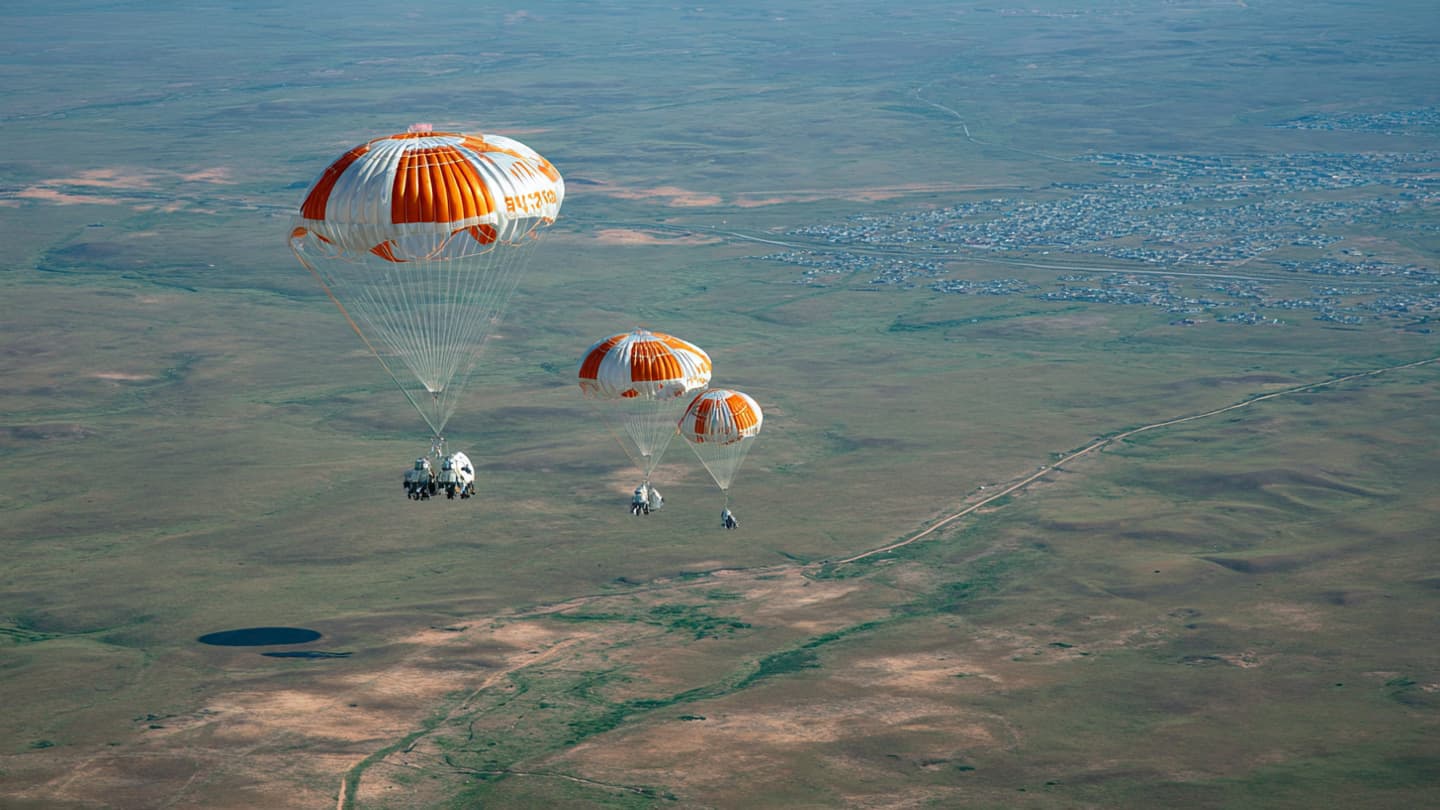
China’s Shenzhou 21 astronauts safely returned to Earth after an extended stay aboard the Tiangong space station, concluding a record-setting mission marked by scientific research and operational achievements.
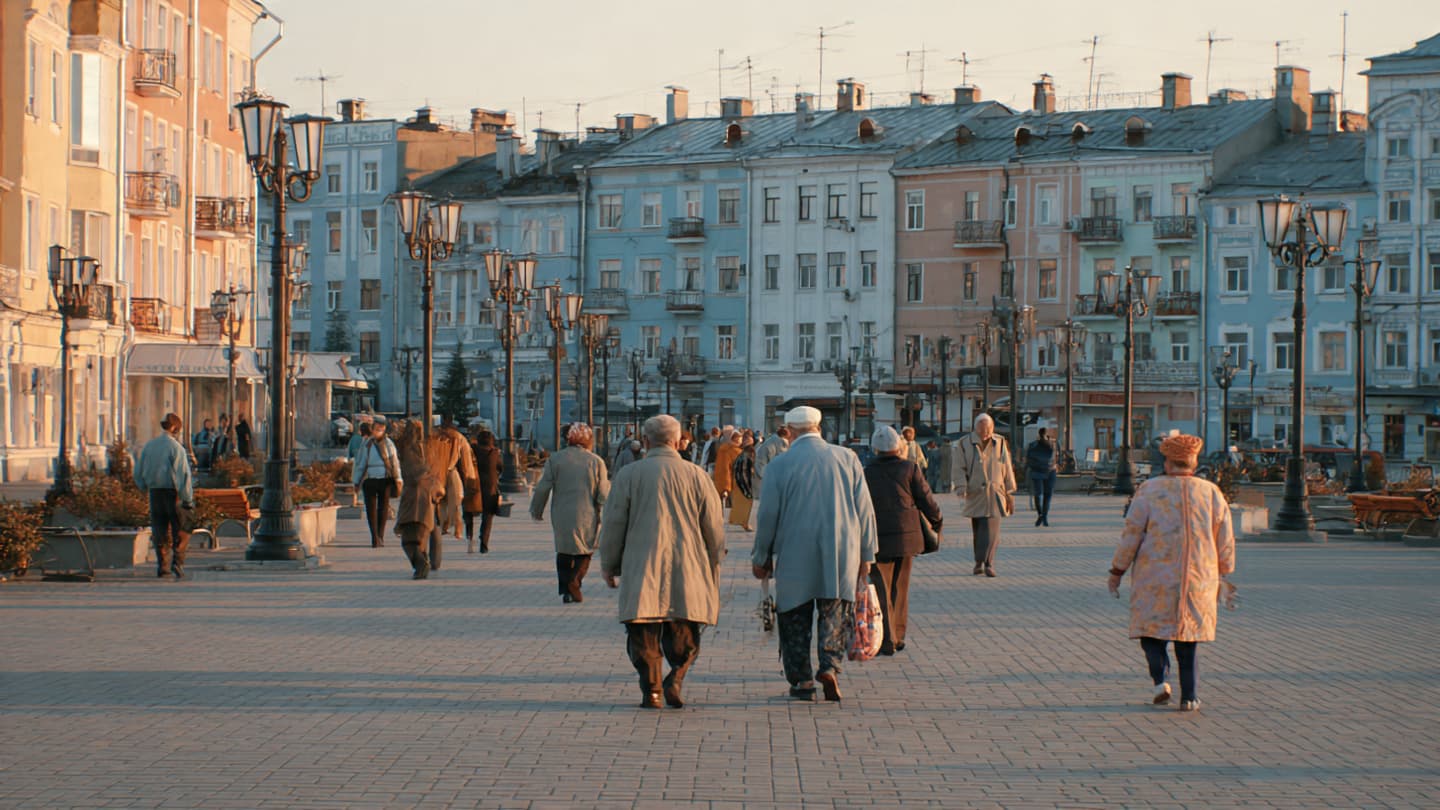
A prominent Kremlin critic argues that Russia’s war in Ukraine is increasingly creating domestic pressures, fueling debate about the long-term political and economic consequences of the conflict.
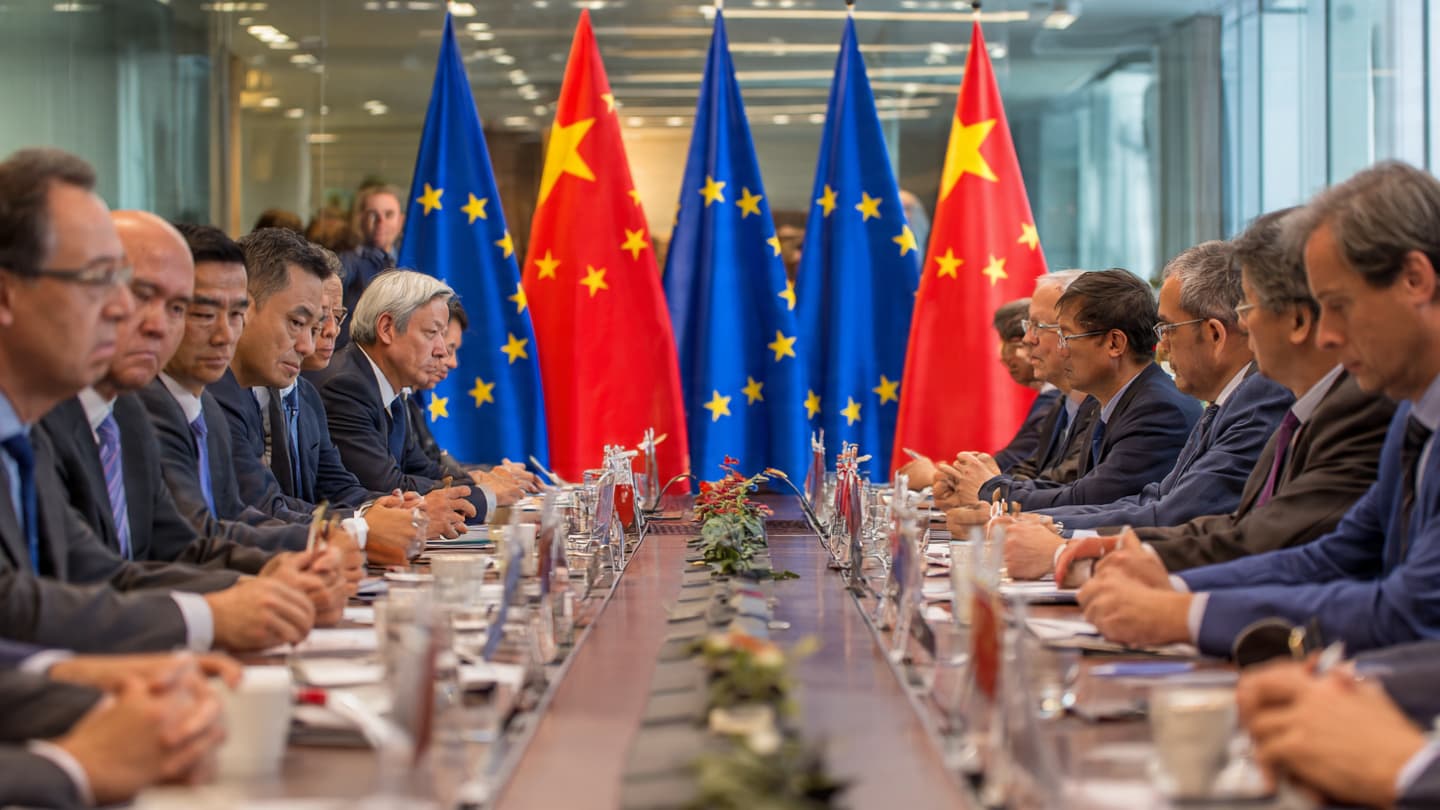
The European Union is pursuing a tougher trade approach toward China, prompting warnings of retaliation from Beijing and raising questions about the future of one of the world’s largest economic relationships.
A Canadian man admitted sending hundreds of lethal “suicide packets” worldwide, concluding a major international investigation into online networks, public safety, and accountability.
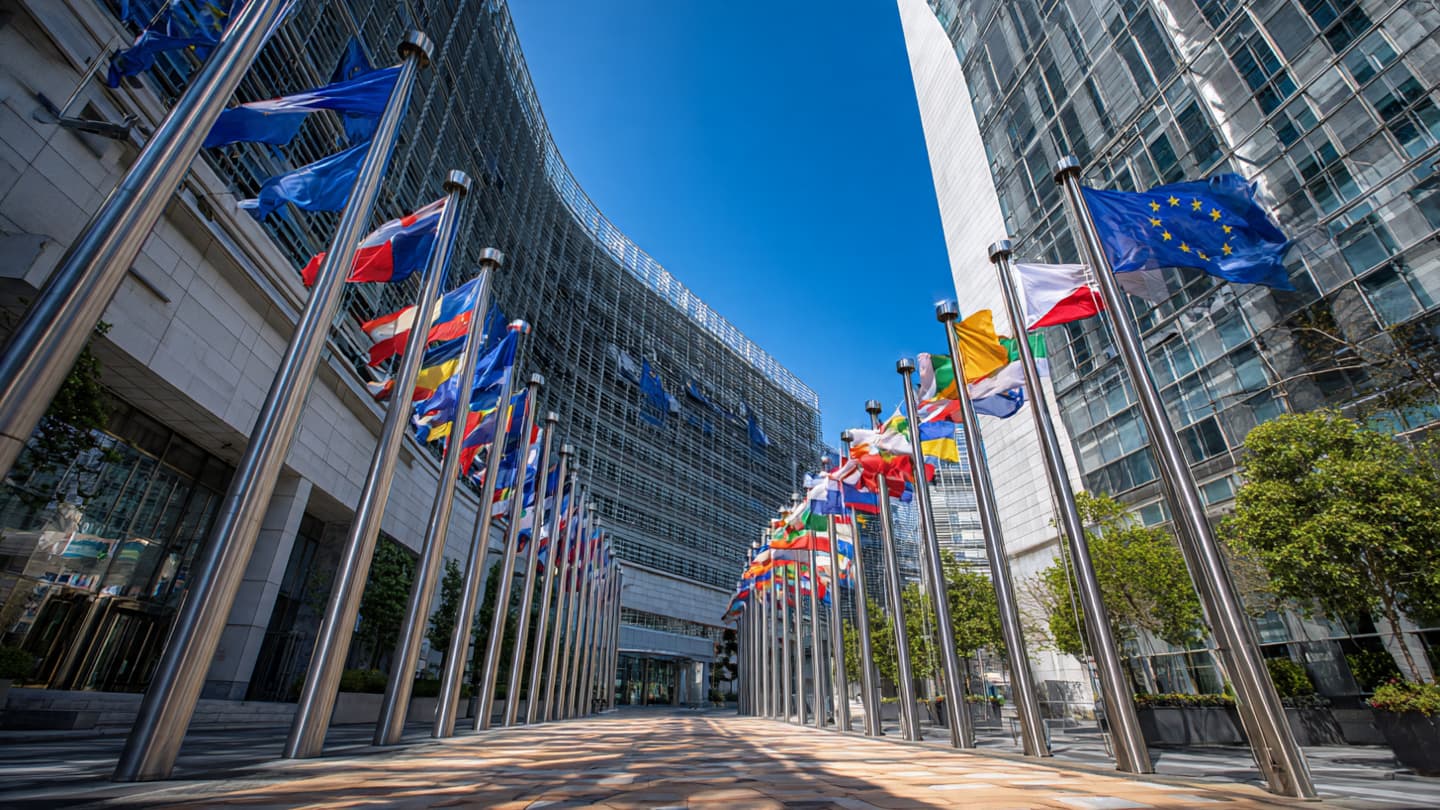
The EU will release €16.4 billion in frozen funds to Hungary after Prime Minister Péter Magyar introduced reforms, signaling a major shift in Budapest’s relationship with Brussels.