
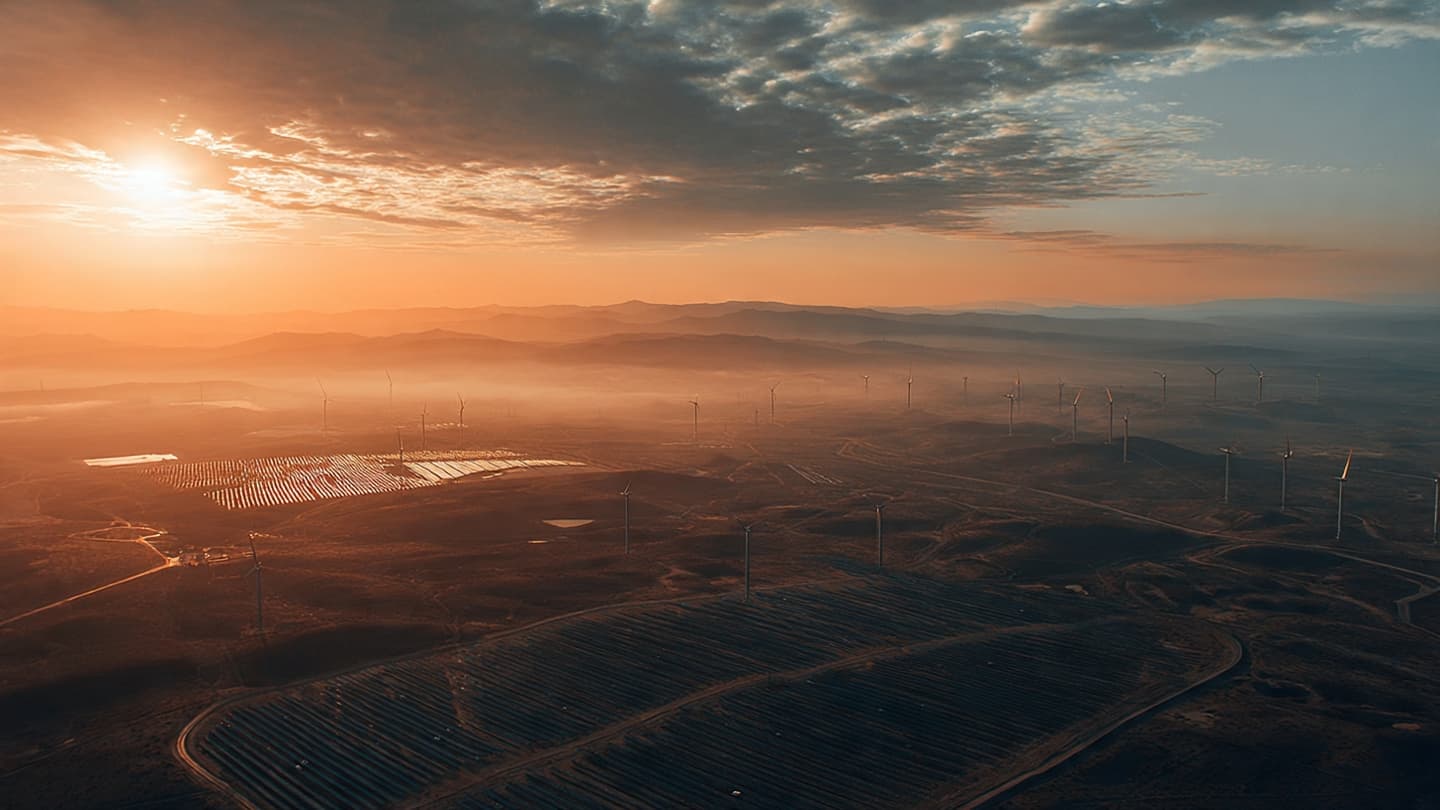
The global energy landscape is gradually shifting into a new phase where sustainability is no longer treated as a parallel goal, but as an integrated component of national planning. This transformation is unfolding quietly, yet steadily, across multiple regions.
Renewable energy projects are expanding at scale, with solar and wind installations becoming central pillars of new power generation strategies. Governments are increasingly aligning infrastructure development with long-term decarbonization targets.
This expansion is driven by two converging forces: environmental necessity and economic resilience. As traditional energy markets remain volatile, renewable systems offer a more predictable long-term cost structure.
Energy planners are focusing on grid integration challenges, ensuring that renewable sources can be reliably incorporated into existing power systems. This requires upgrades in transmission infrastructure and improved storage capacity.
Battery storage technology is playing a critical role in stabilizing supply fluctuations. These systems allow excess energy generated during peak production periods to be stored and redistributed when demand increases.
Industries are also adapting, with manufacturing and logistics sectors gradually shifting toward cleaner energy sources. While transition costs remain significant, long-term operational stability is a key motivator.
Financial institutions are increasingly prioritizing investments in renewable infrastructure, viewing it as both a climate solution and a stable long-term asset class.
In this evolving environment, renewable energy is no longer positioned as an alternative—it is becoming a structural foundation of global energy systems.
AI Image Disclaimer Visuals are created with AI tools and are not real photographs.
Source Check Reuters, Bloomberg, BBC News, The Guardian, Associated Press
Published by Banx Network. This article is part of the Banx decentralized media programme, powered by the BXE token on the XRP Ledger.

.jpg&w=3840&q=75 "US Declares Drought Disaster for Parts of Puerto Rico as Dry Conditions Persist")