There are moments in history when large questions arrive not with declarations, but with fragments.
A piece of metal falls from the sky. A distant sound interrupts the rhythm of an ordinary evening. Somewhere near a border, investigators walk through fields beneath a pale morning sun, tracing the path of an object that crossed invisible lines drawn on maps. The event itself may last only seconds, yet its echoes travel much farther.
Such was the atmosphere surrounding the recent drone incident in Romania, where a Russian drone linked to the war in neighboring Ukraine reportedly entered Romanian territory and struck near the frontier. The physical damage may have been limited compared with the destruction seen daily across Ukrainian cities and villages, but the symbolic weight proved harder to measure.
Romania occupies a unique place along the eastern edge of Europe. It is both a neighbor to the conflict and a member of NATO, standing at the intersection of regional security concerns and the wider architecture that has shaped European stability for decades. For residents living near the border, the war has never been entirely distant. Across rivers and horizons, flashes of conflict have occasionally illuminated the night sky, reminders that geography often shortens the distance between peace and unrest.
The drone’s arrival renewed questions that have lingered throughout the conflict: how easily can the turbulence of one battlefield spill beyond its intended boundaries, and how prepared are neighboring states for such moments? Military analysts have long noted that modern drones, missiles, and electronic warfare systems compress geography. What once seemed far away can suddenly appear at a nation’s doorstep.
In the days that followed, officials in Europe examined the incident not only as a technical matter but also as a signal. Discussions focused on air-defense readiness, border surveillance, and the broader challenge of protecting civilian populations from unintended or deliberate incursions. The episode became part of a wider conversation already underway across Europe, where governments have increased defense spending and strengthened security cooperation in response to the war.
Adding to the unease were comments from Russian officials suggesting that Europe should expect more such incidents as the conflict continues. Whether interpreted as warning, prediction, or political messaging, the remarks landed in a continent already navigating an era of heightened uncertainty. The war in Ukraine has repeatedly demonstrated how events on the battlefield can ripple outward, affecting energy markets, migration patterns, defense policies, and public perceptions of security.
Yet confidence, like infrastructure, is built gradually and tested unexpectedly.
For many Europeans, confidence has rested on assumptions developed over generations—beliefs that borders would remain stable, that conflict would remain contained, and that major wars belonged largely to history books. The drone incident did not overturn those assumptions overnight. Instead, it acted like a small crack appearing in a familiar wall, drawing attention to vulnerabilities that might otherwise remain unnoticed.
Romania’s response reflected the balance many European governments seek to maintain: vigilance without panic, firmness without escalation. Authorities investigated the incident, coordinated with allies, and emphasized the importance of monitoring developments along the frontier. The objective was not merely to respond to a single event but to reassure citizens that institutions remain capable of managing emerging risks.
As summer winds move across the plains and rivers of Eastern Europe, the drone itself may soon fade from headlines. The wreckage will be cataloged, reports completed, and diplomatic statements archived. Yet the deeper questions raised by its journey will likely remain.
The incident served as a reminder that modern conflicts do not always respect the neat boundaries of maps. A war can cast shadows beyond the territory where it is fought, touching neighboring nations through fragments, signals, and moments of uncertainty. In Romania, one drone became more than an isolated object crossing a border. It became a symbol of how closely connected Europe’s sense of security has become to events unfolding beyond its eastern horizon.
And sometimes, it is not the size of an incident that shapes history’s mood, but the distance its echoes travel.
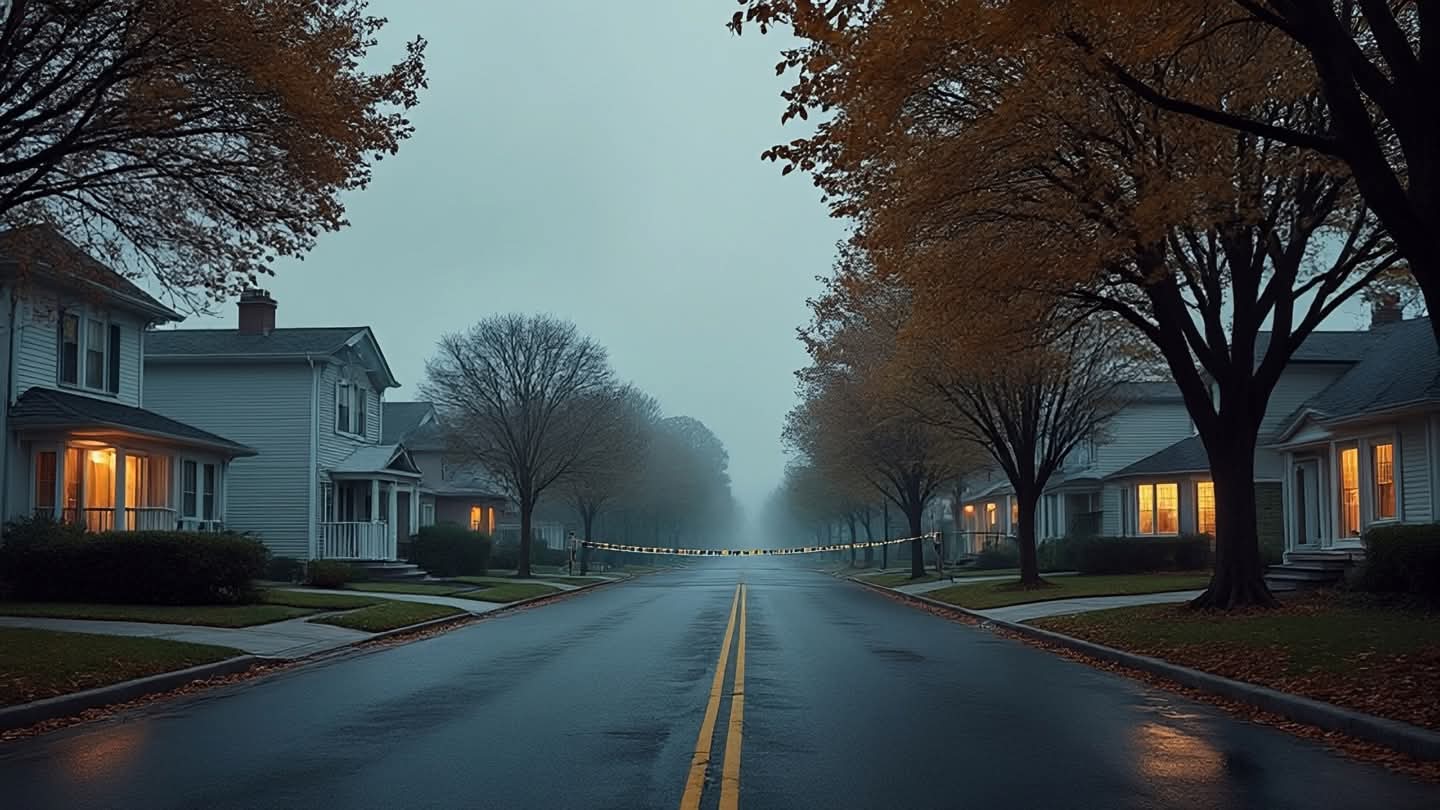
AI Image Disclaimer Illustrations were generated with AI and are intended as visual interpretations rather than documentary photographs.
Sources Reuters Associated Press NATO Romanian Ministry of Defense BBC News
Published by Banx Network. This article is part of the Banx decentralized media programme, powered by the BXE token on the XRP Ledger.