SCIENCE94% credibility
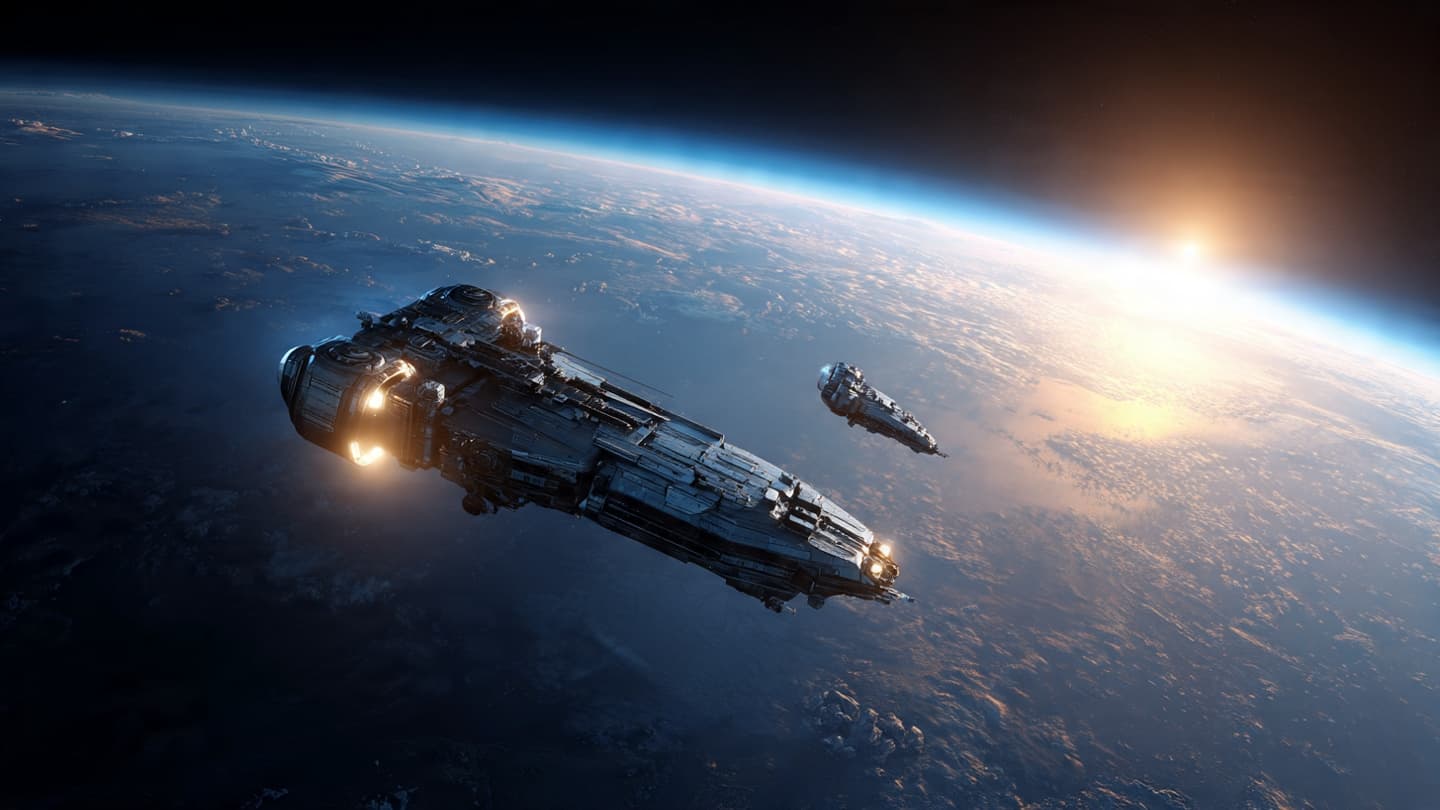
The Next Space Race Could Depend on Fuel Waiting Above Earth
NASA and Rocket Lab are advancing orbital fueling research that could help future Moon and Mars missions travel farther more efficiently.
5 min read

NASA and Rocket Lab are advancing orbital fueling research that could help future Moon and Mars missions travel farther more efficiently.
Scientists observed atoms reversing spin direction during a quantum experiment, offering new insights into particle behavior and future quantum technologies.
Scientists observed a rare 19-day solar radio emission event linked to heightened magnetic activity on the Sun’s surface.

Scientists used nuclear magnetic resonance testing to study how CO2 moves through sandstone reservoirs during oil displacement processes.
Astronomers observed dusty quasars undergoing a rare “blow-out” phase that may reveal how galaxies evolve over cosmic time.
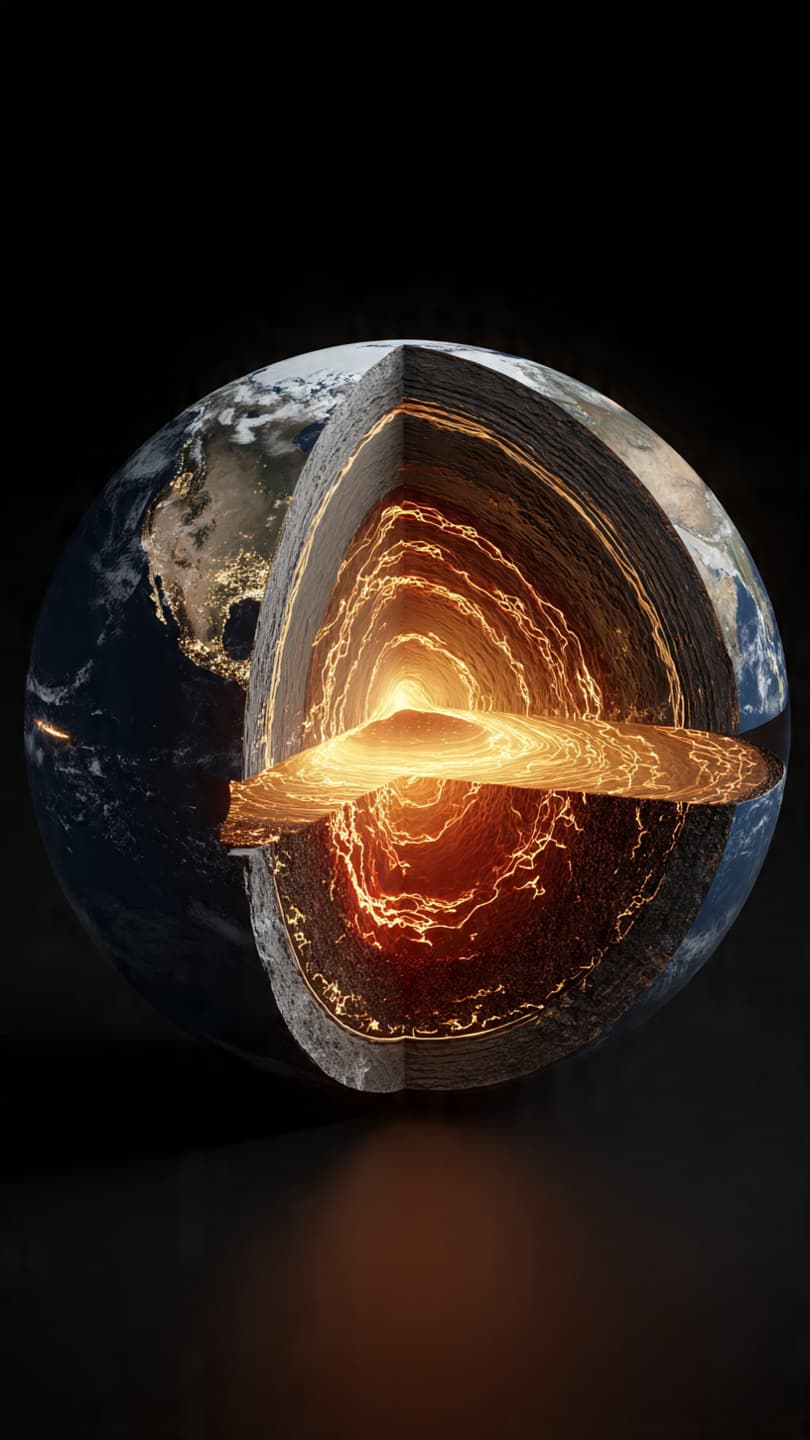
Scientists studying the so-called say new research may finally explain the enormous gravitational anomaly beneath the , a phenomenon that puzzled geophysicists for decades.
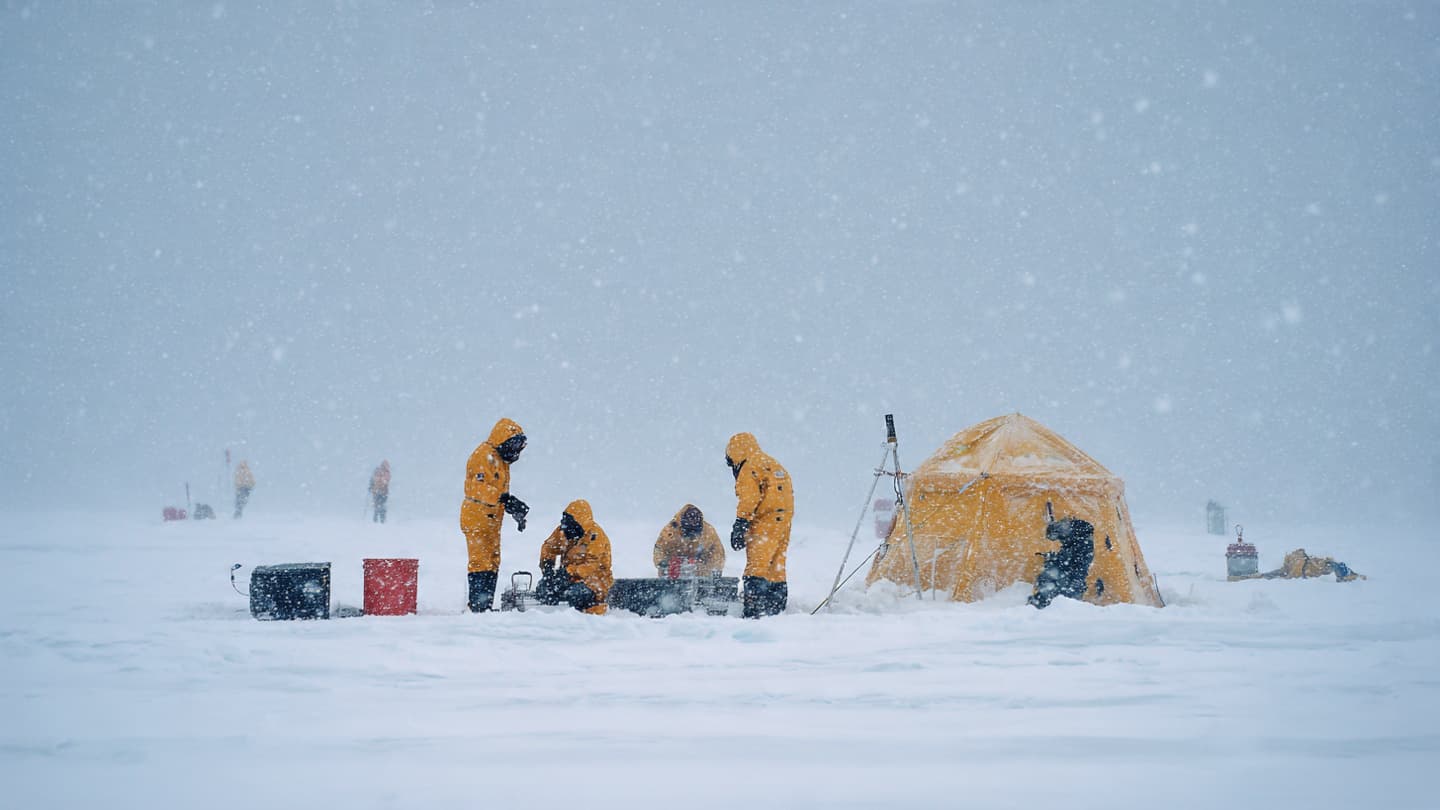
Microplastics are discovered in Antarctic ice cores, revealing global spread of plastic pollution even in remote regions.
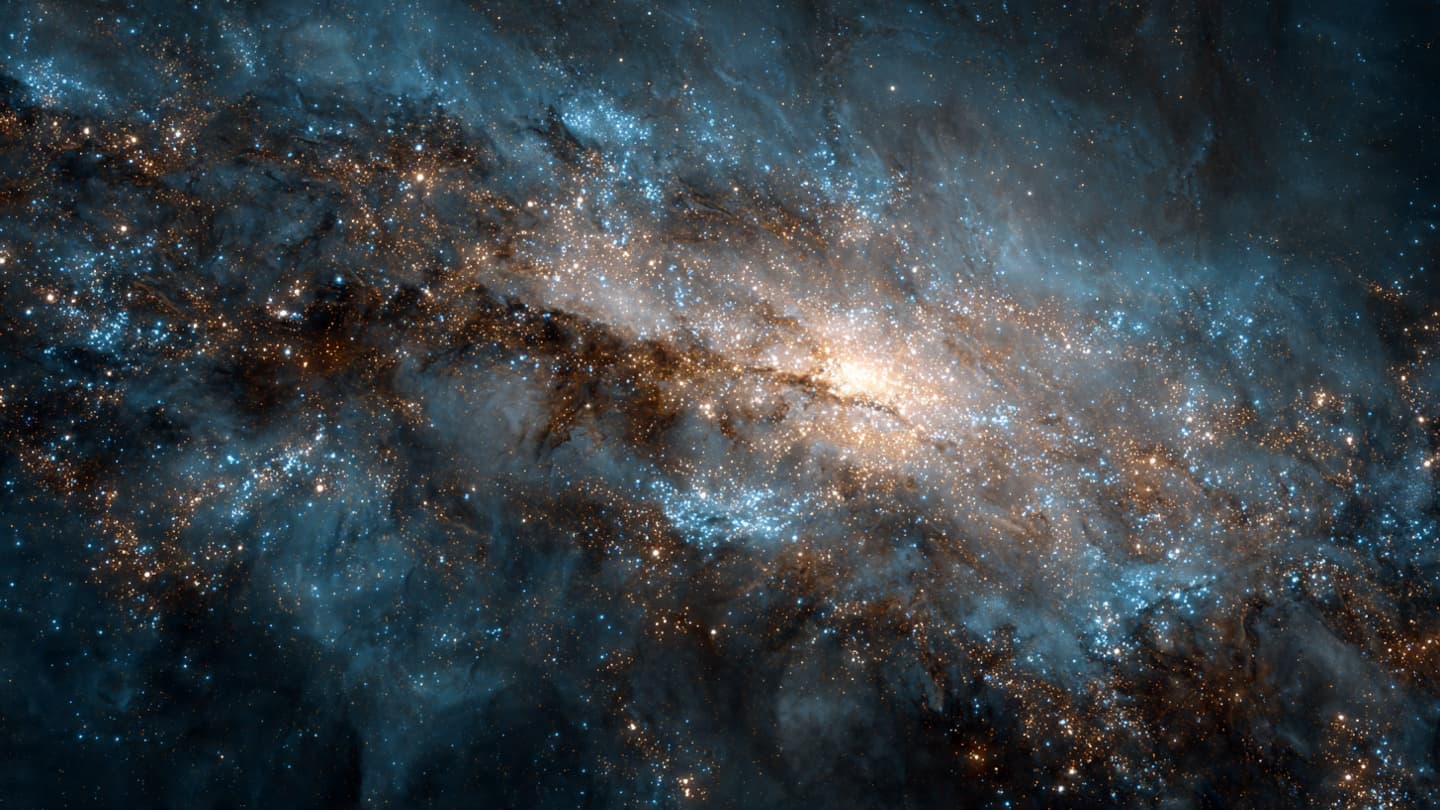
Webb Telescope observes a distant star-forming region in the early universe, offering insights into galaxy formation.
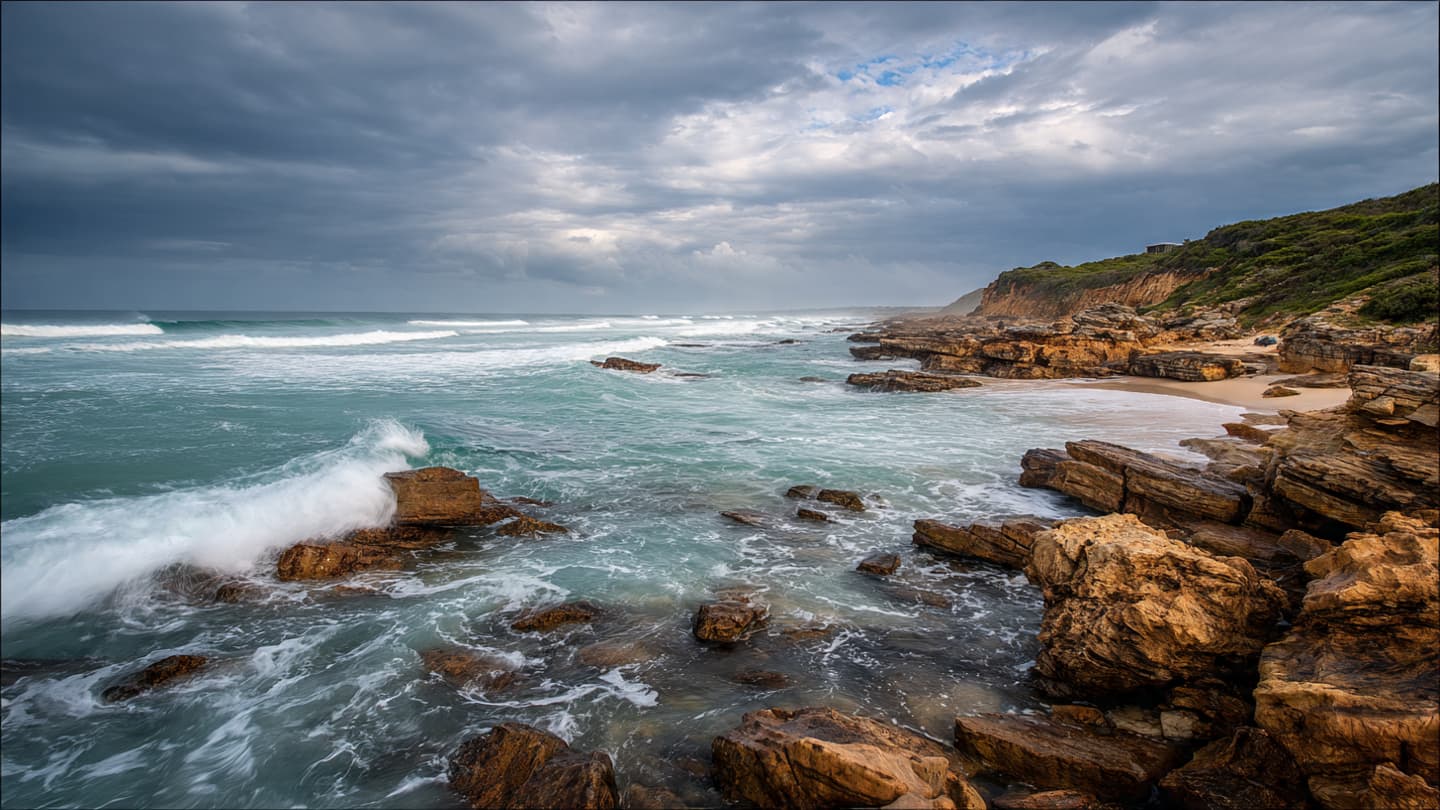
Surf warnings issued for Queensland and New South Wales as powerful four-meter waves raise coastal safety concerns.
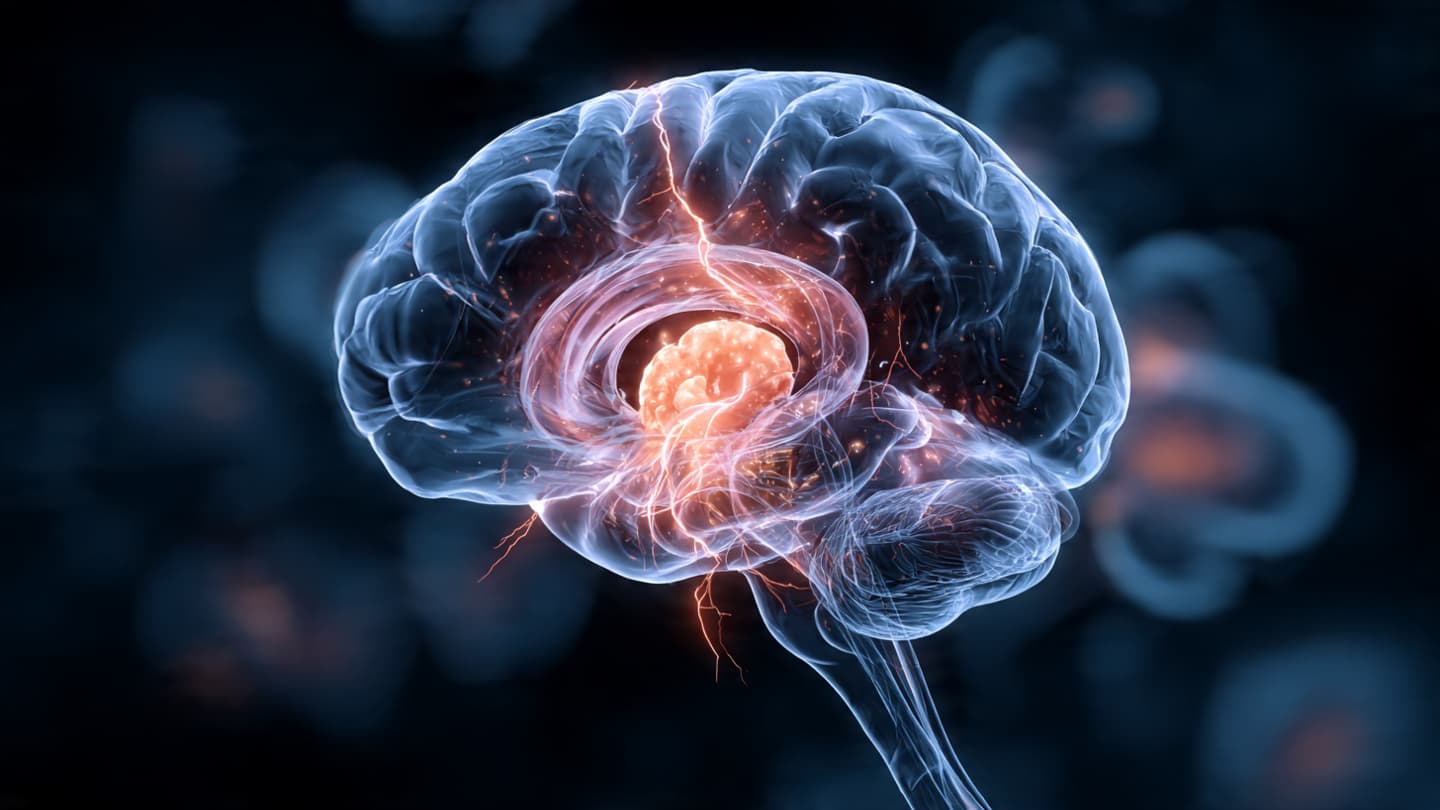
Research shows stress can reduce memory formation by affecting hippocampal brain function.
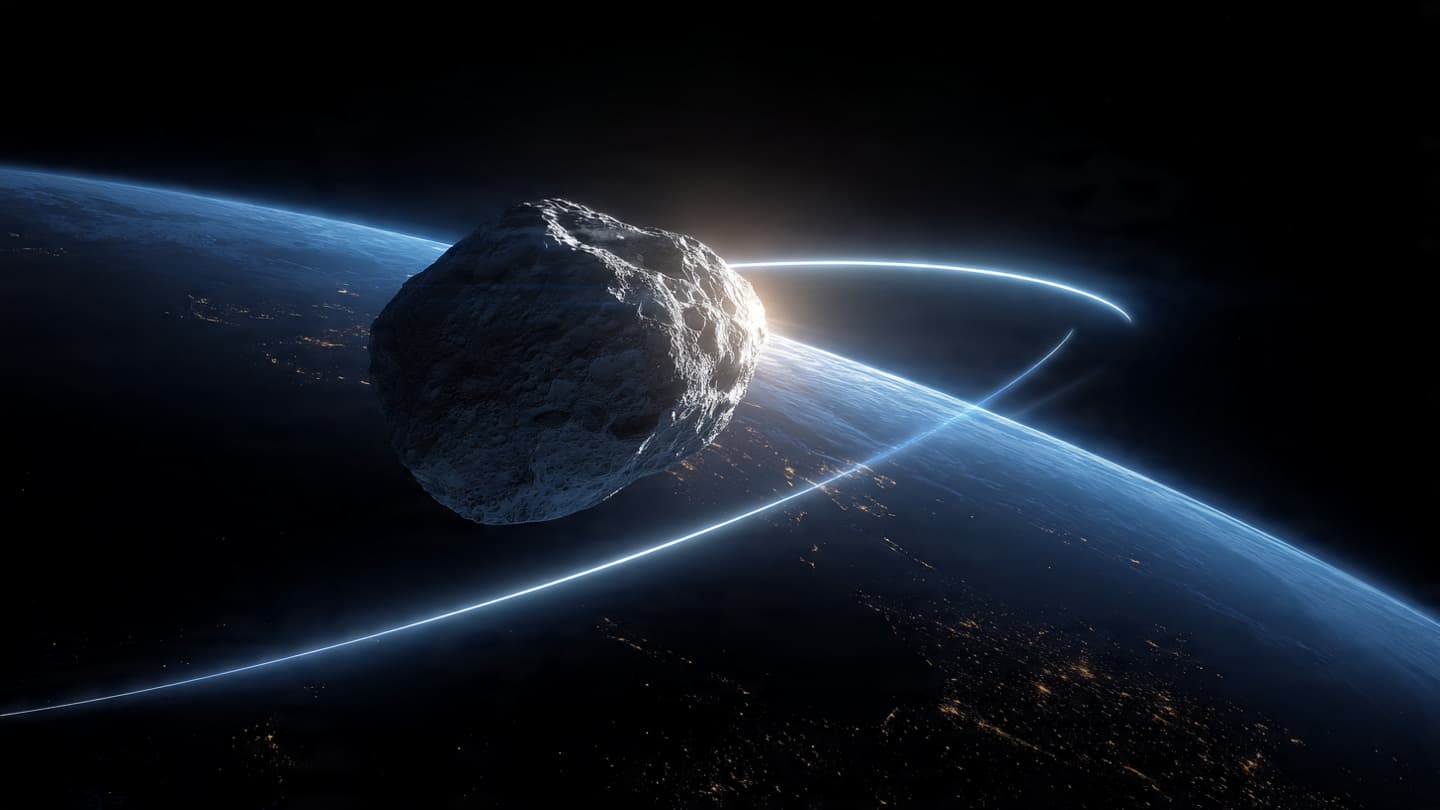
A whale-sized asteroid safely passes Earth, offering scientists valuable observational data.
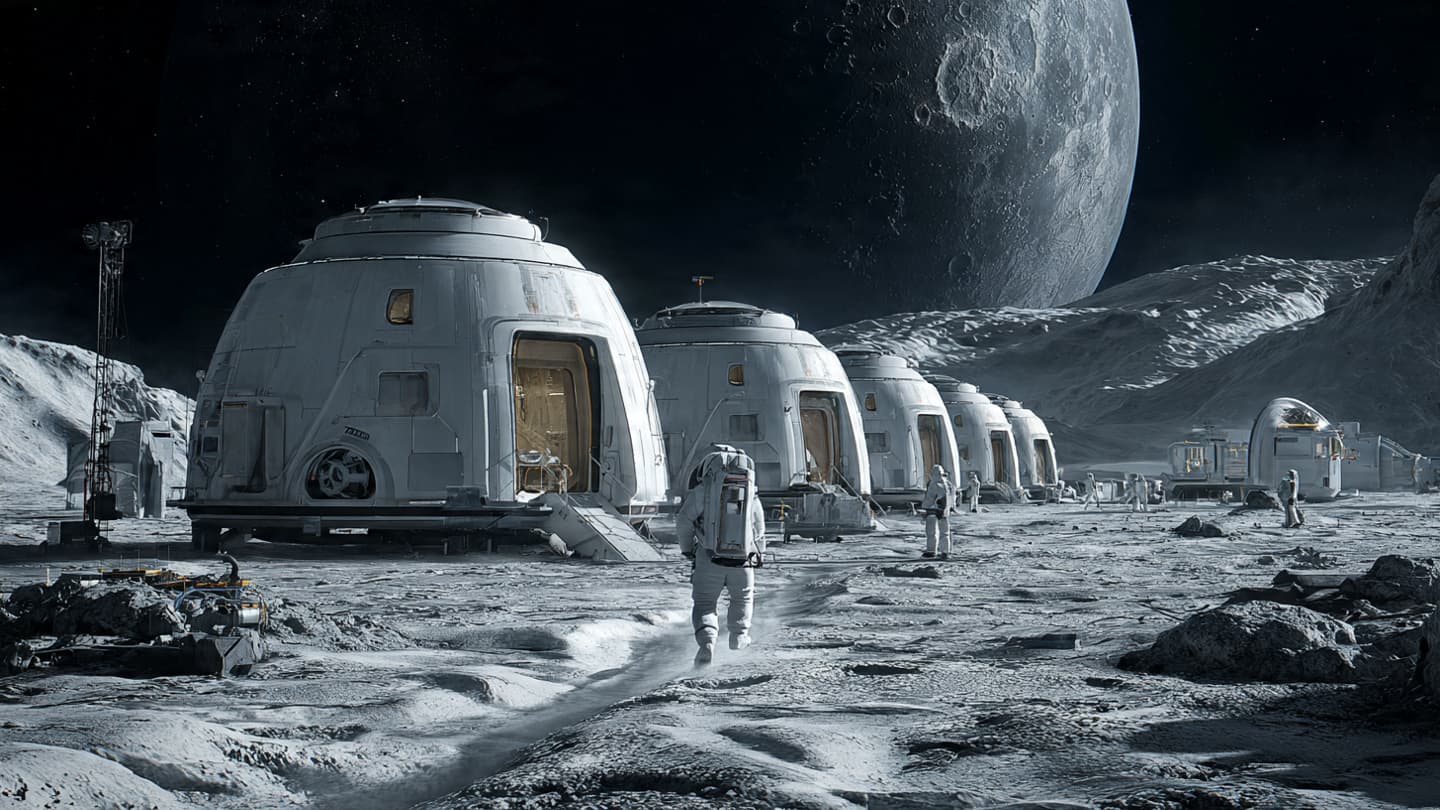
NASA advances plans for a permanent Moon base under Artemis, aiming for long-term lunar habitation.

Woolworths reportedly reintroduced a previously removed product, highlighting routine but sometimes sensitive retail decisions.

Cultural ideas about masculinity and meat consumption are being discussed in relation to climate change and dietary emissions.
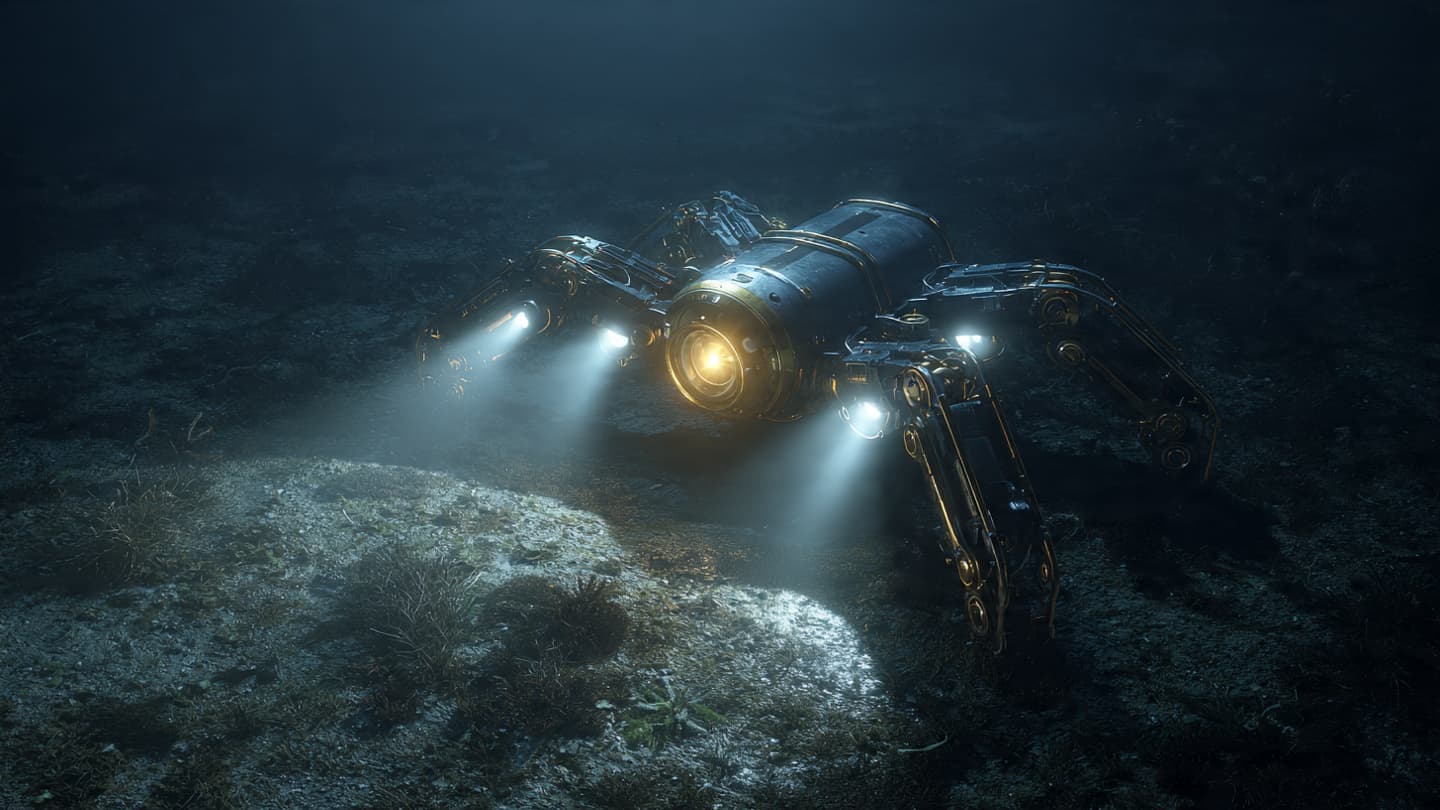
Scientists investigating the deep ocean discovered a mysterious golden orb believed to originate from an unknown marine animal.
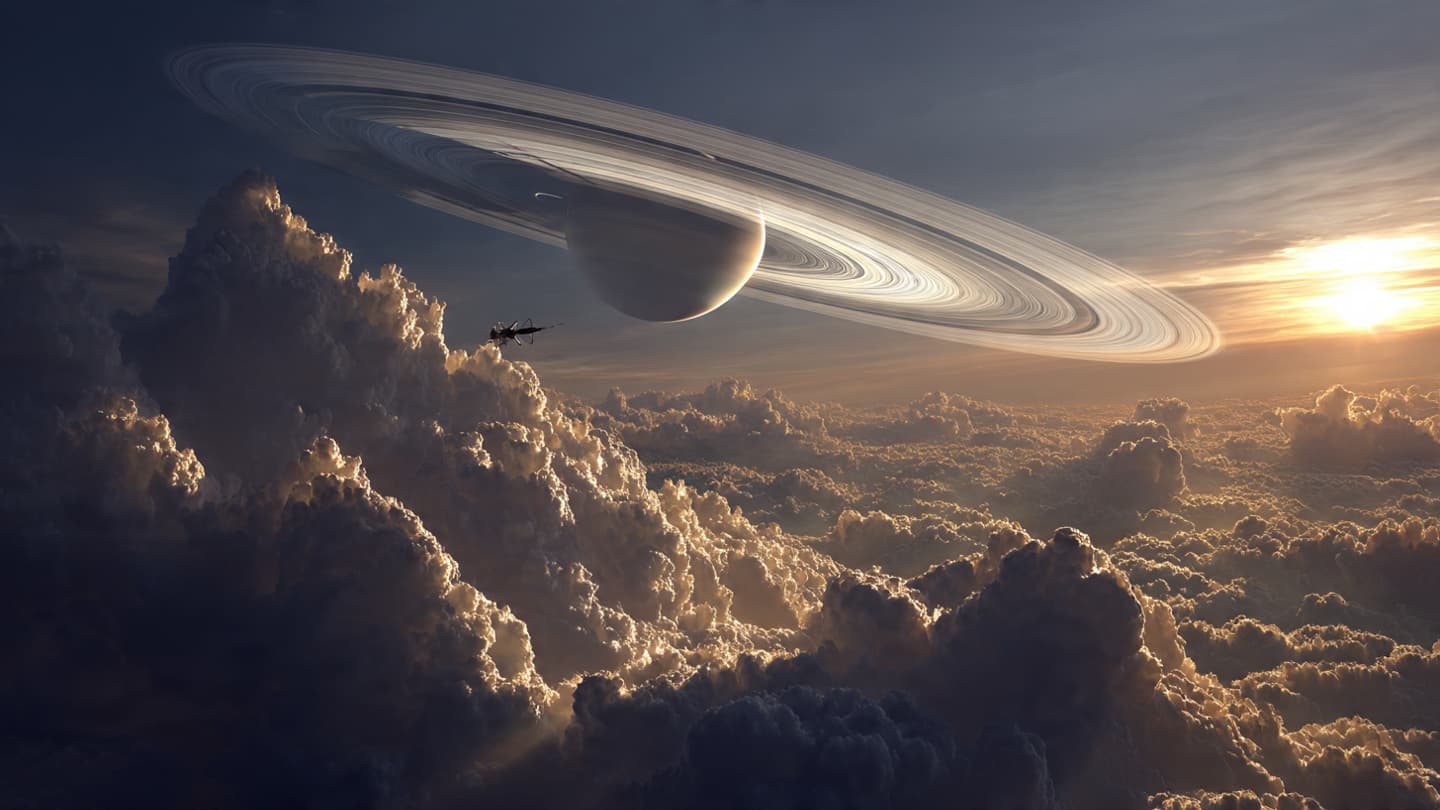
NASA intentionally sent Cassini into Saturn in 2017 to avoid contaminating Enceladus, while the spacecraft transmitted data until its final moments.
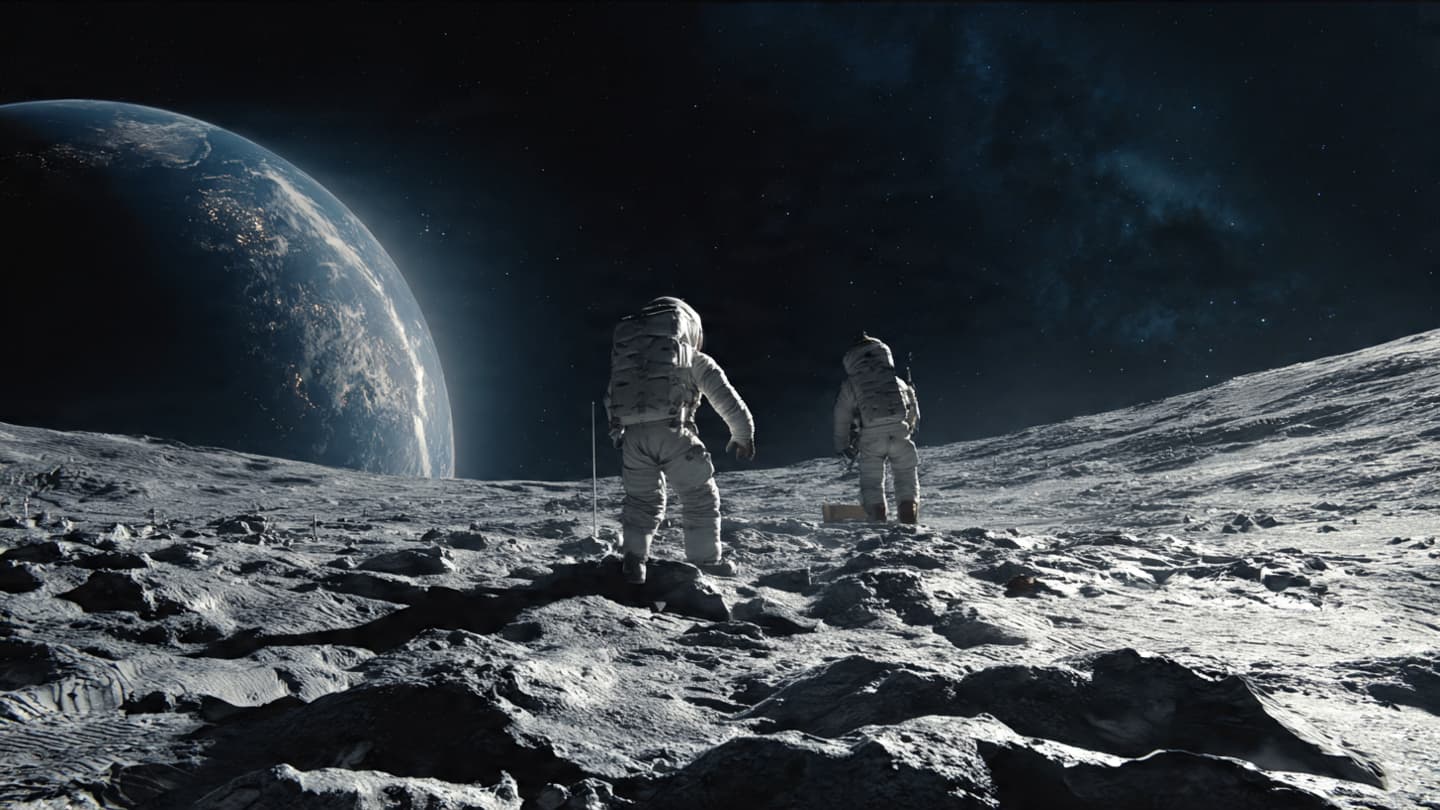
Apollo mirrors on the Moon still reflect lasers today, helping scientists measure the Moon’s gradual drift away from Earth with extraordinary precision.
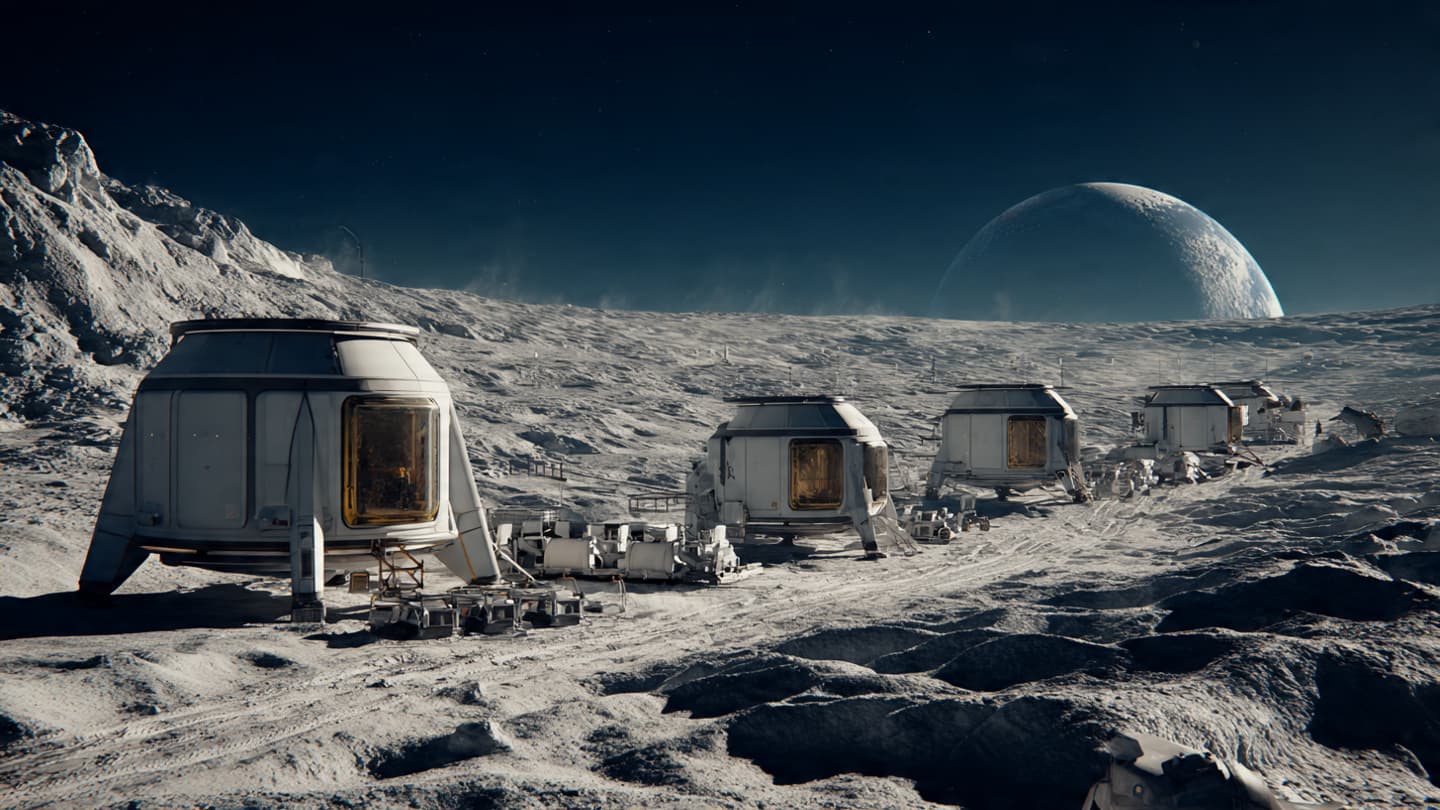
A Colorado startup raised $30 million to develop robots designed to help build future permanent lunar bases.
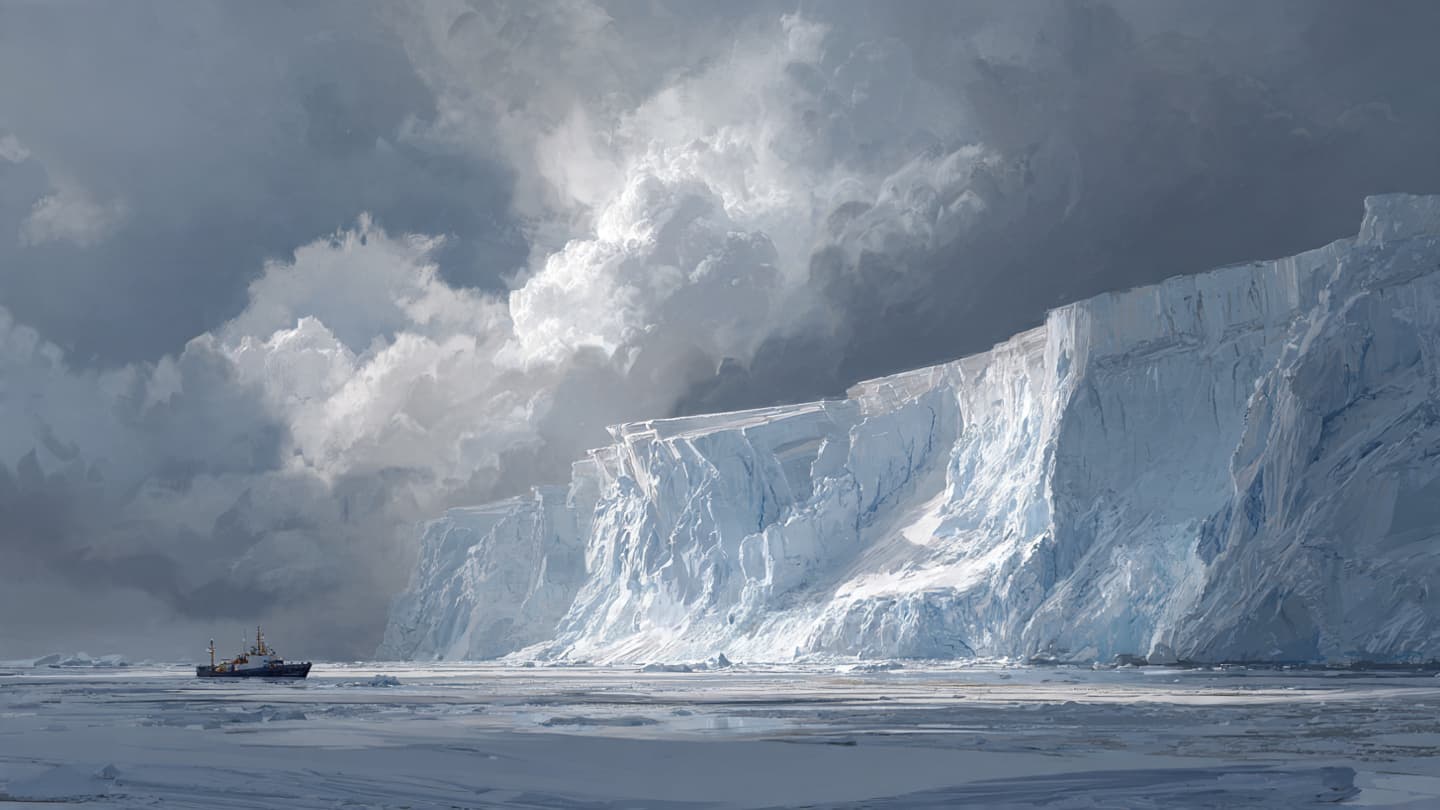
Scientists warn accelerated Antarctic glacier melting could significantly contribute to future sea level rise worldwide.
Scientists discovered ancient viral DNA embedded in human genes helped shape pregnancy and placental development over millions of years.
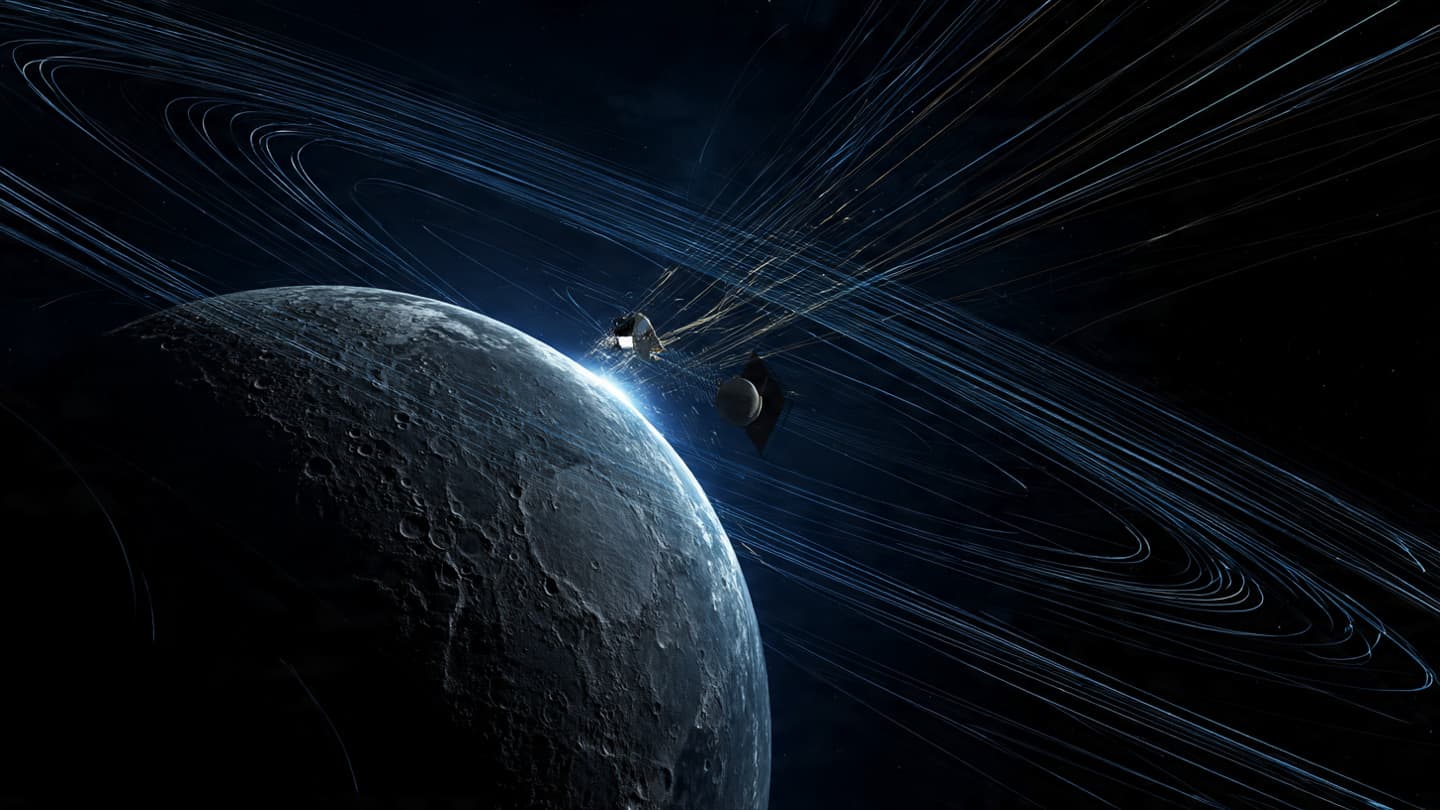
Researchers discovered fuel-saving lunar routes through the Earth-Moon L1 point that may improve communication during future missions.
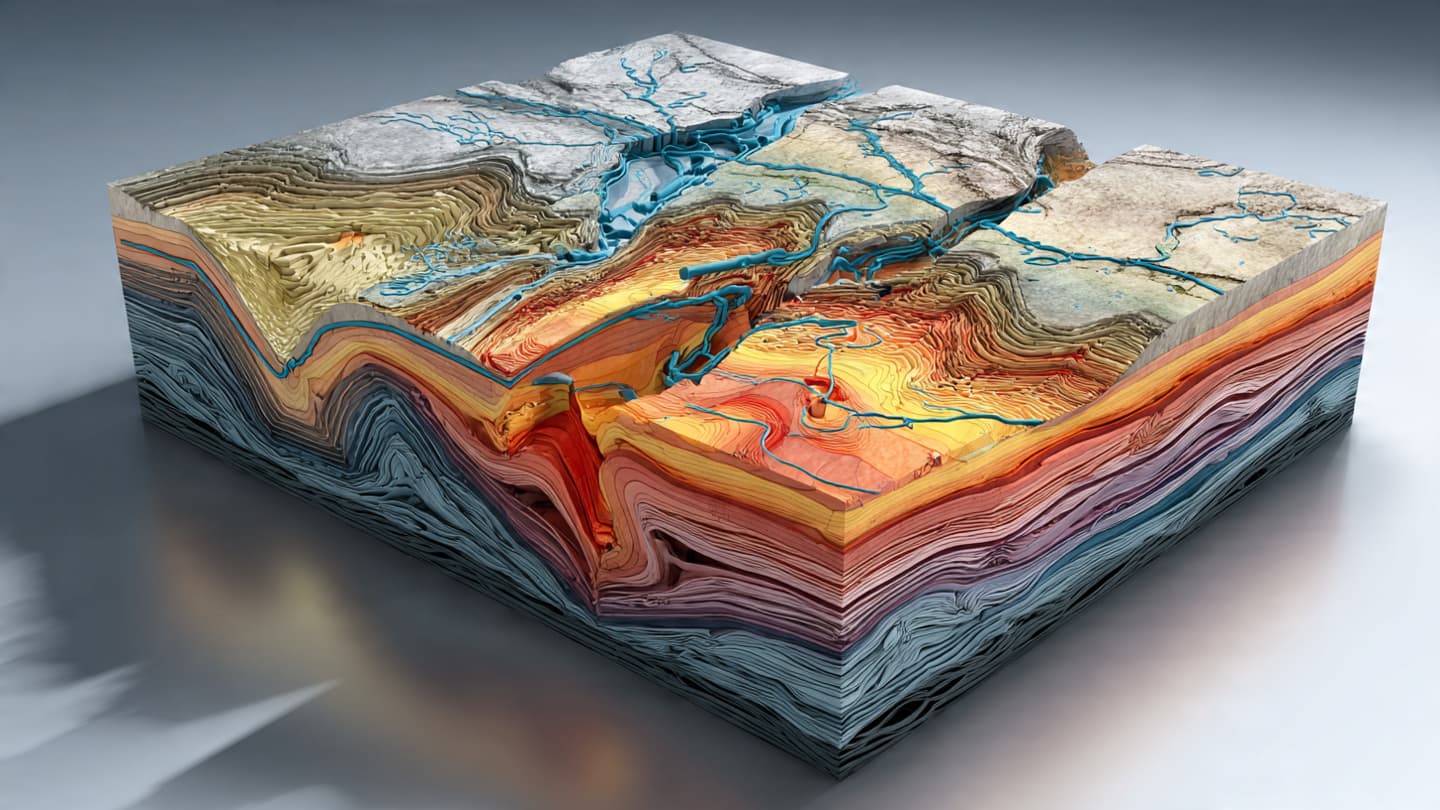
Researchers believe underground fluids and slow tectonic movements may explain mysterious earthquakes that repeat at regular intervals.
Scientists are studying enormous cosmic voids to better understand dark energy, dark matter, and the universe’s large-scale structure.
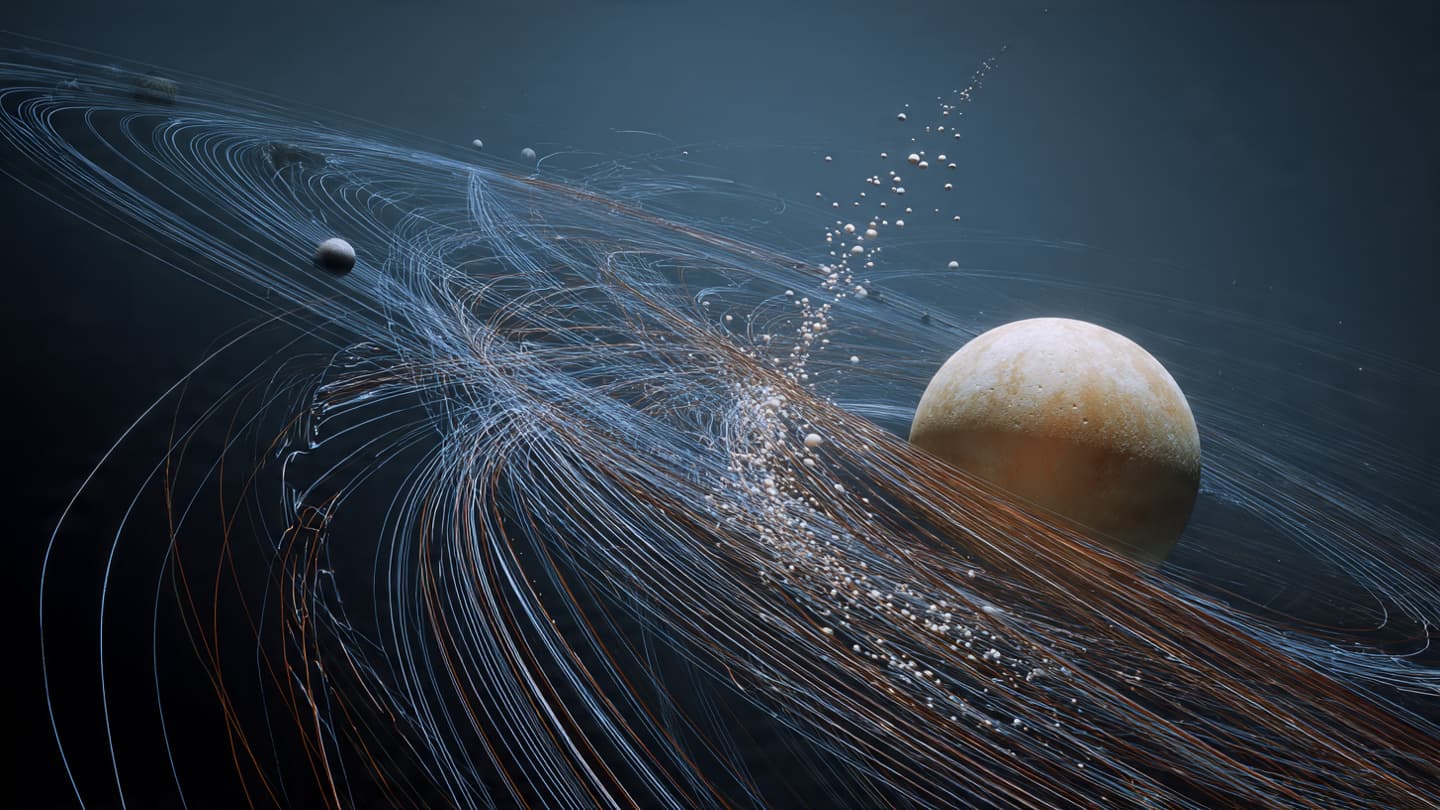
Scientists identified stellar remnants from a smaller galaxy once absorbed by the Milky Way billions of years ago.