SCIENCE0% credibility
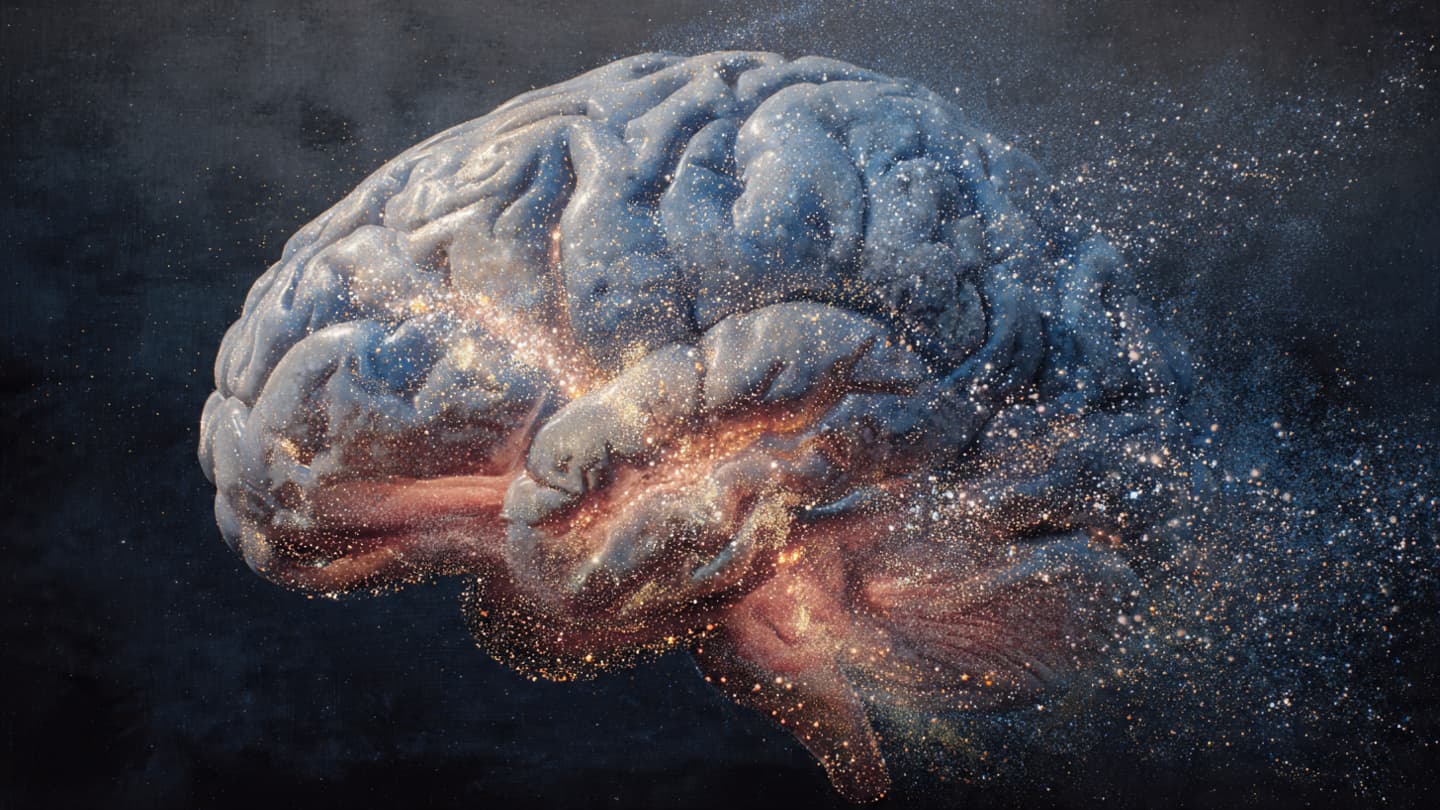
Consciousness May Be Far Larger Than the Brain Alone Can Explain
Some neuroscientists are revisiting theories suggesting consciousness may be a fundamental feature of reality rather than only brain activity.
5 min read

Some neuroscientists are revisiting theories suggesting consciousness may be a fundamental feature of reality rather than only brain activity.
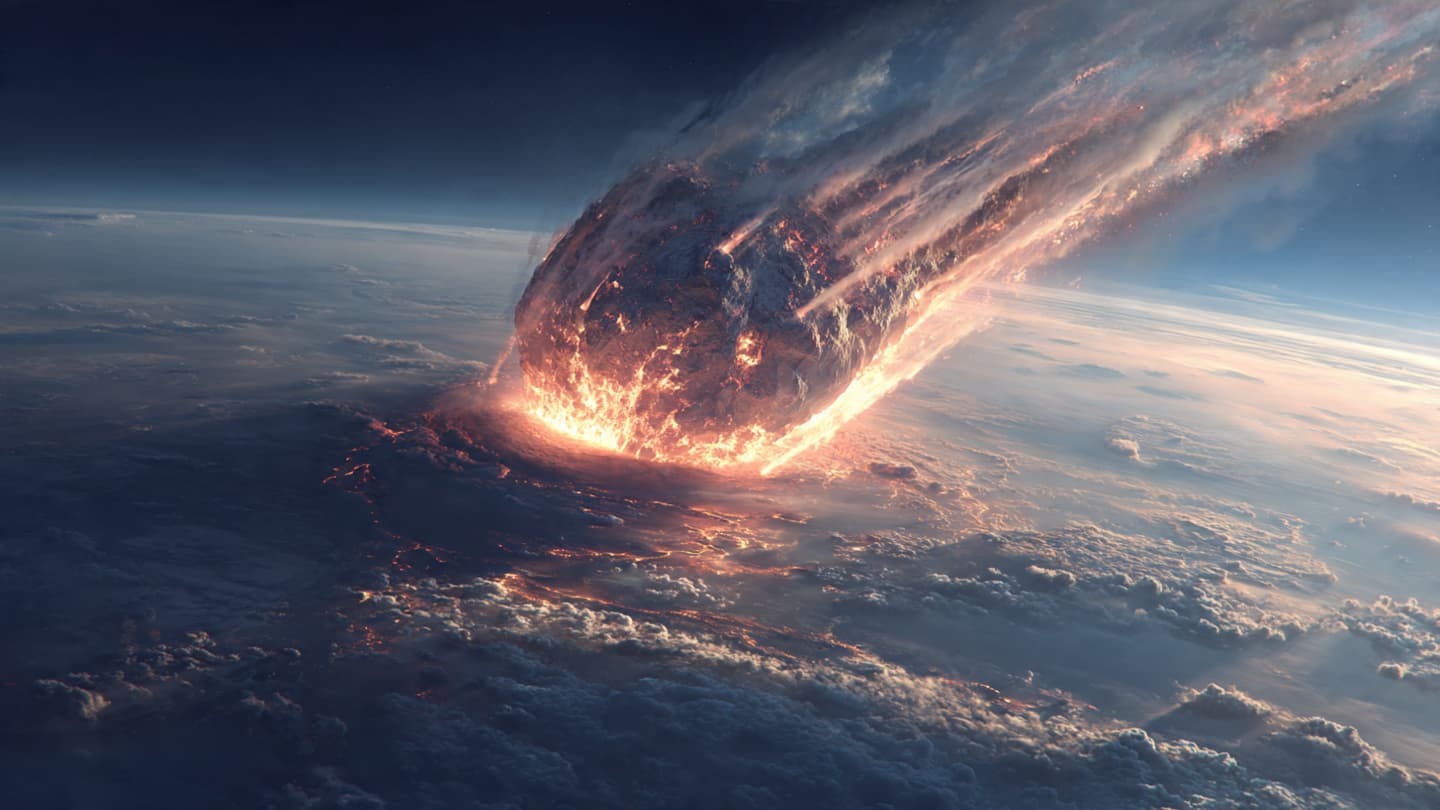
Scientists say new evidence supports the idea that asteroids delivered organic compounds linked to the origins of life on Earth.
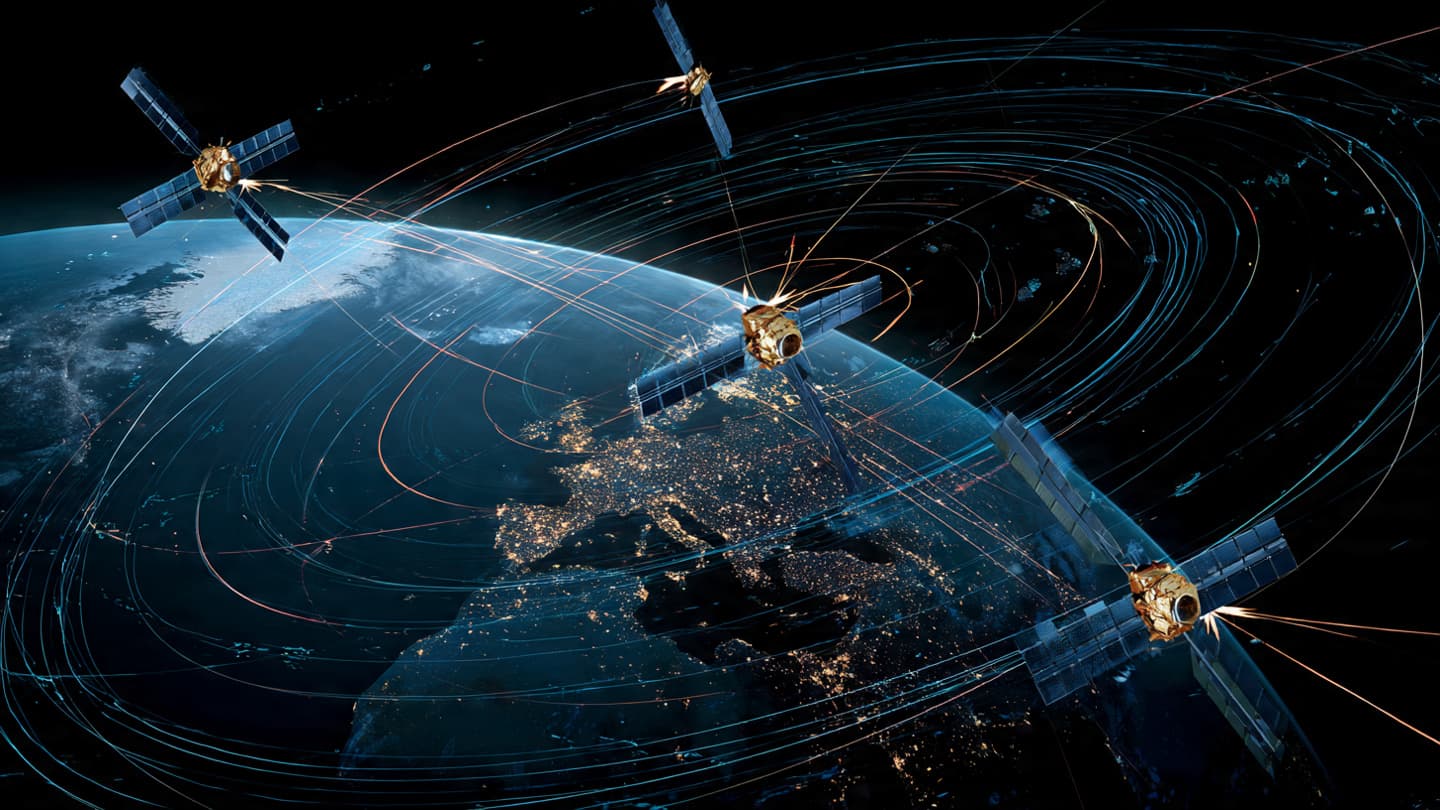
GPS satellites rely on Einstein’s relativity corrections to maintain accurate navigation and prevent major location errors.
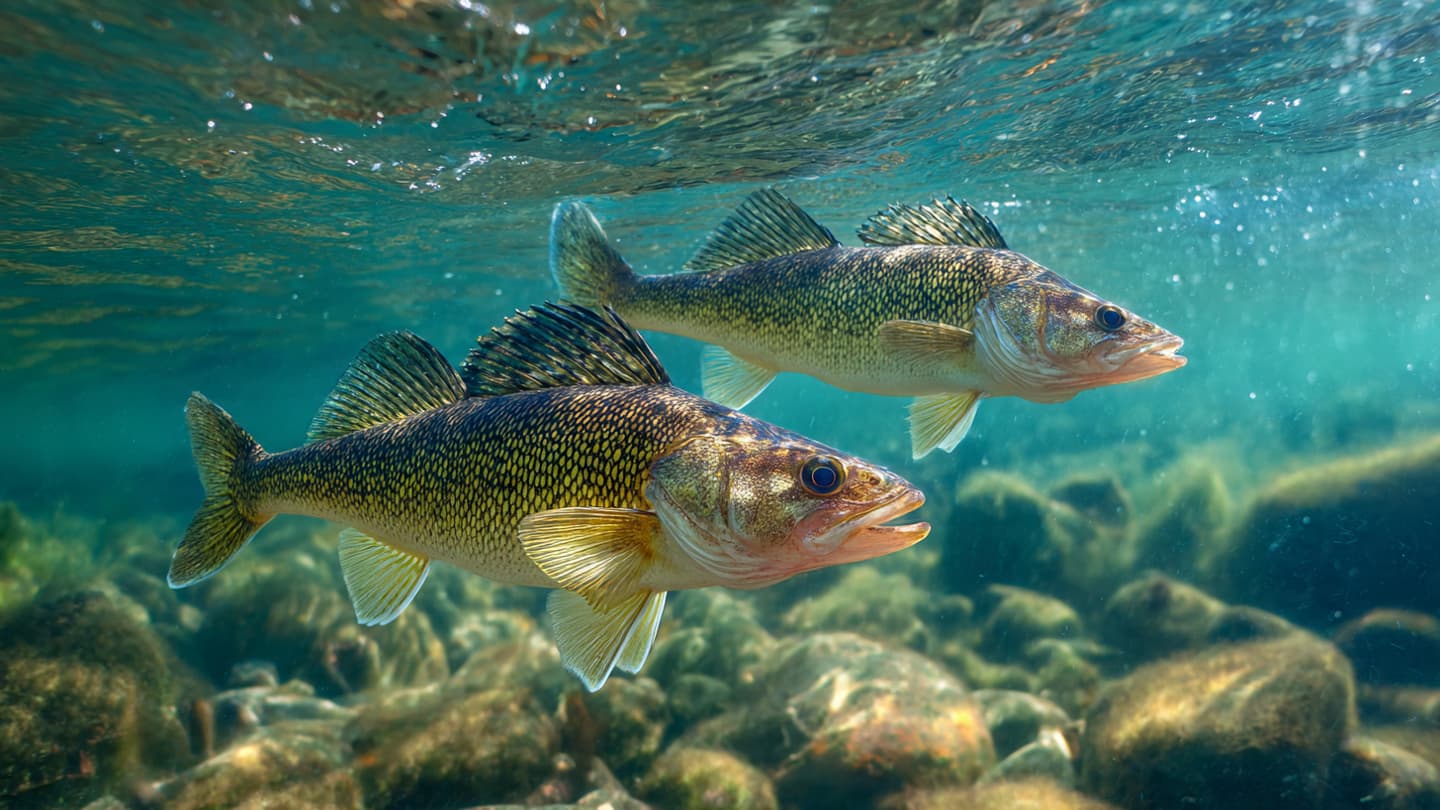
Minnesota scientists are studying genetic differences among walleye strains to better understand conservation and ecosystem adaptation.
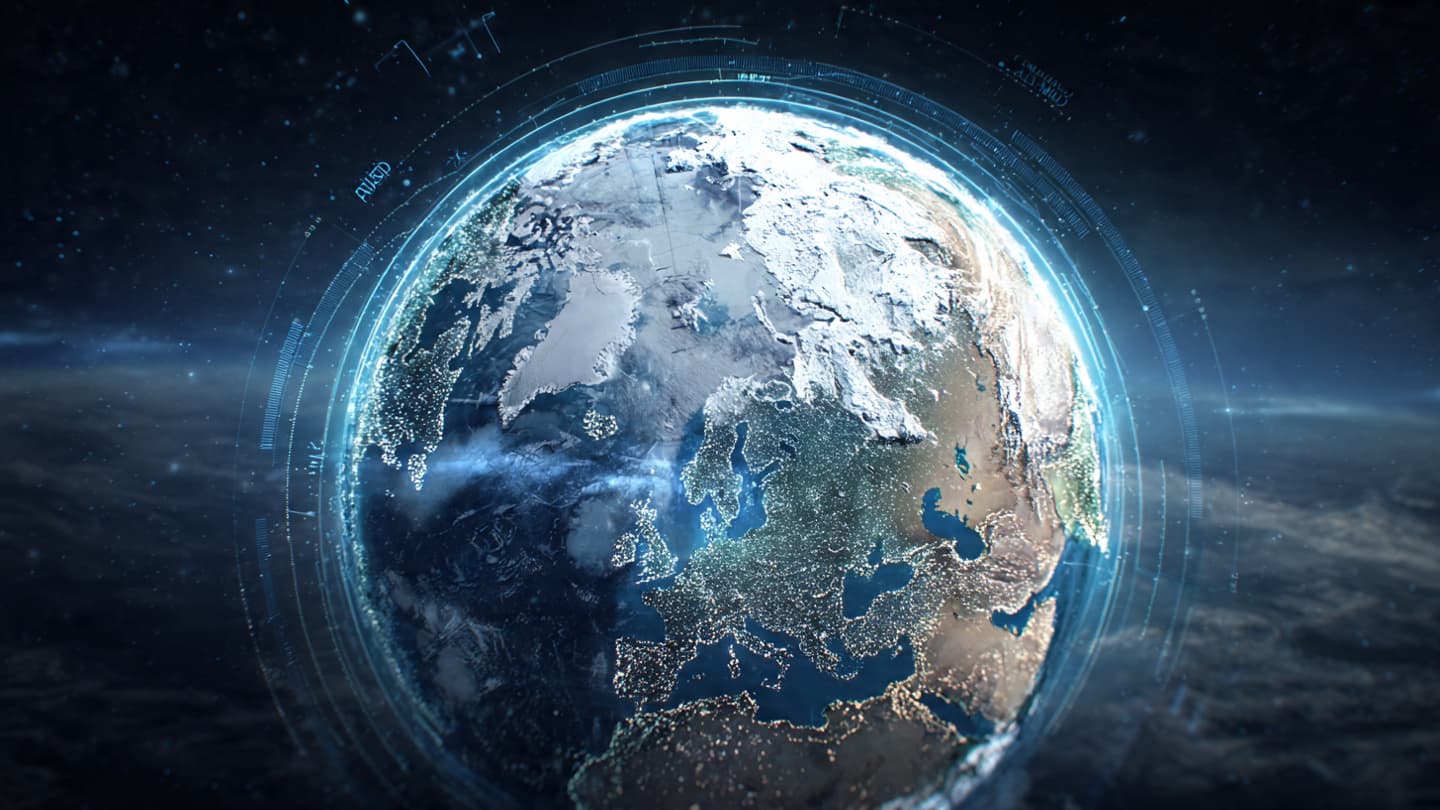
Scientists say climate change may slightly lengthen Earth’s days by altering planetary rotation through melting ice and shifting oceans.
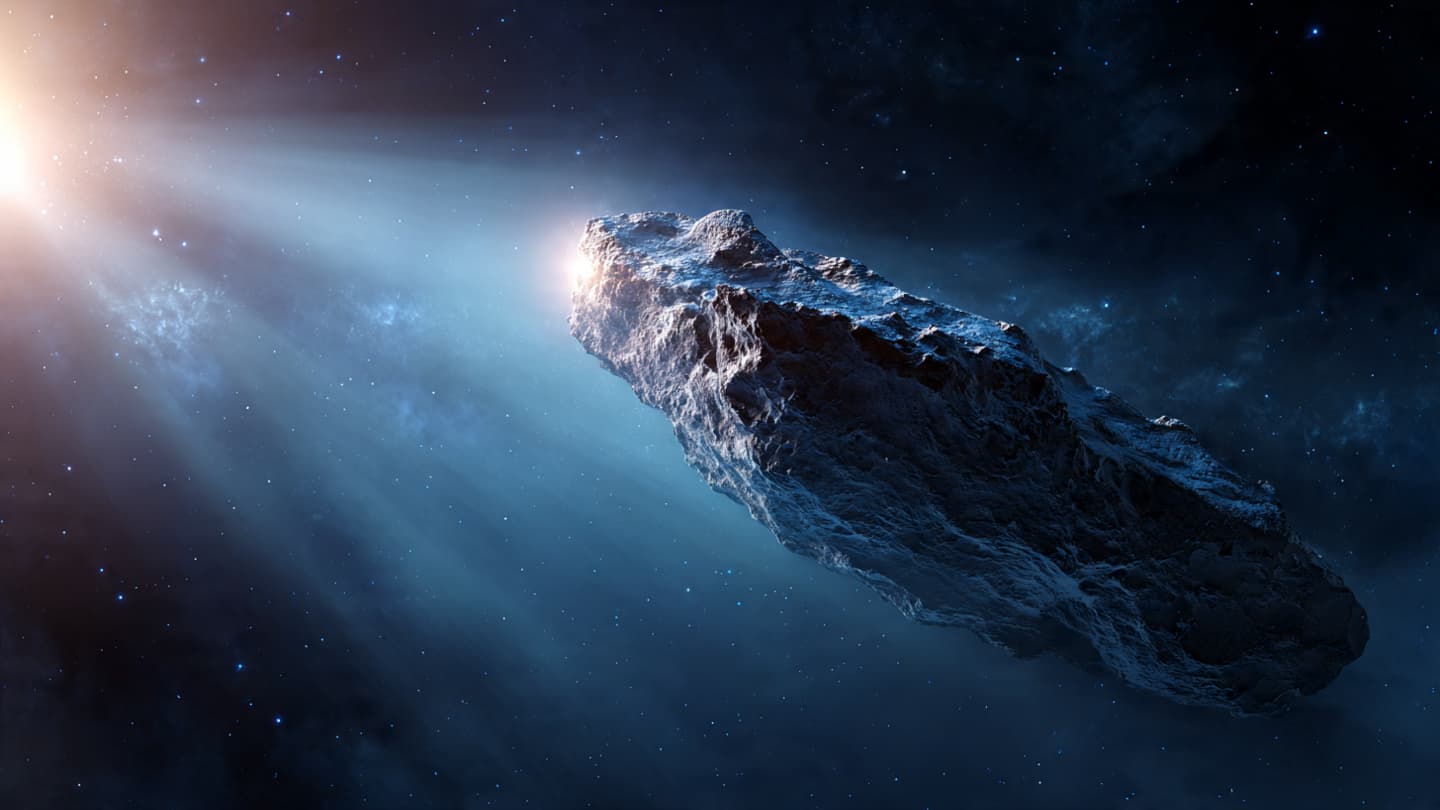
Scientists are studying 3I/ATLAS to explore whether interstellar objects could carry organic materials linked to life’s origins.
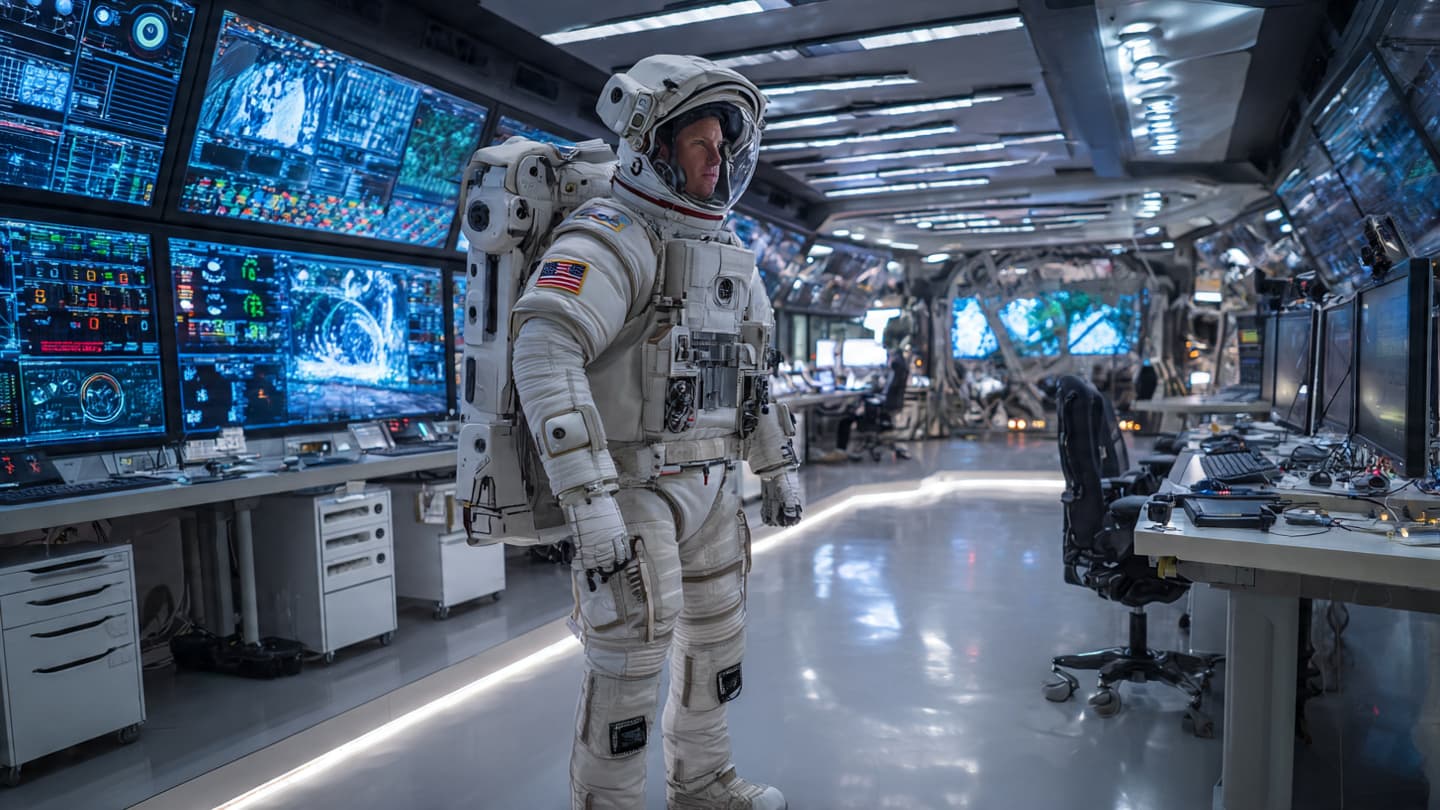
Katherine Bennell-Pegg’s ISS invitation marks a milestone for Australia’s growing role in international space exploration and astronaut programs.
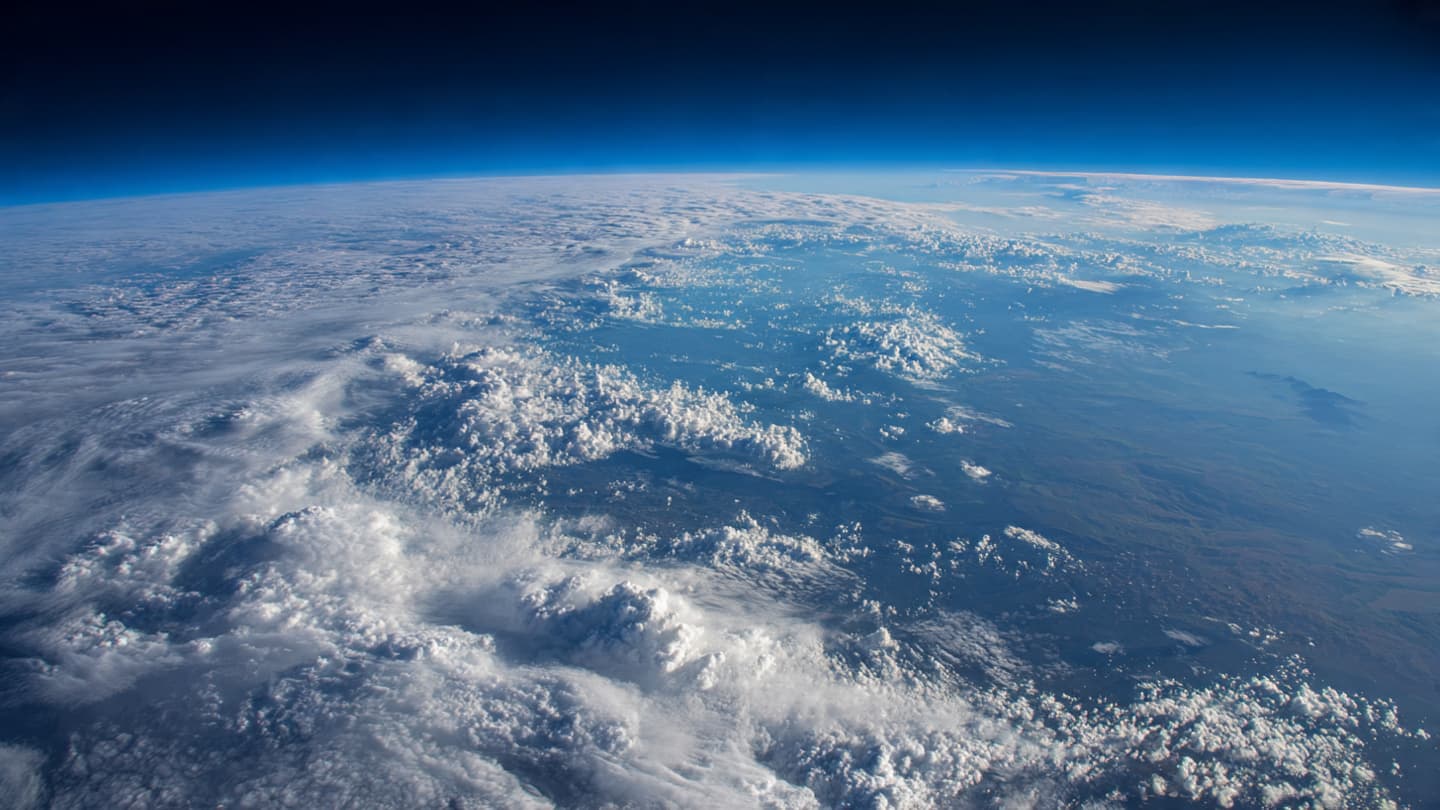
Rain is forecast across all Australian states and territories, reflecting a broad weather system moving through diverse climate zones.
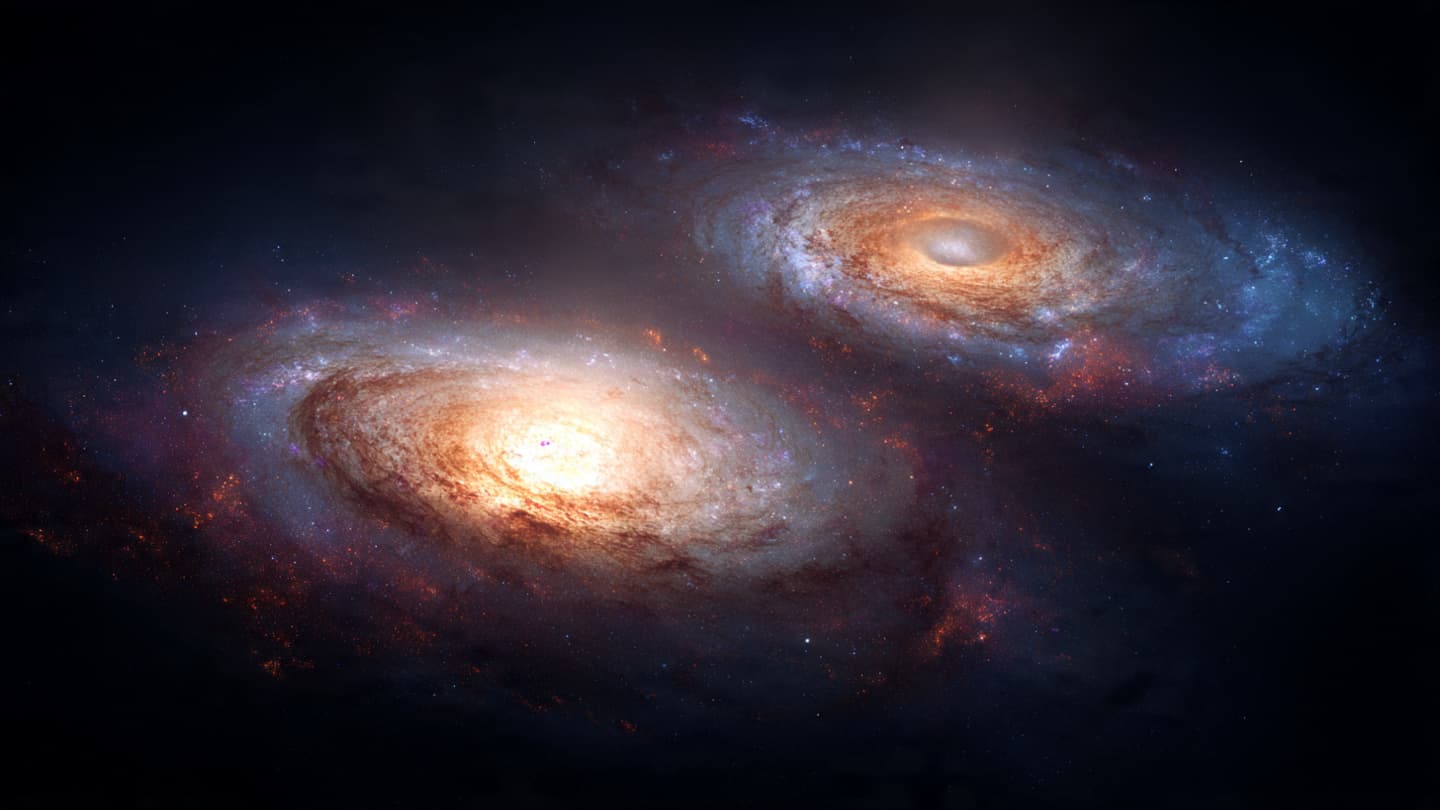
Astronomers may have discovered one of the largest supermassive black hole pairs ever observed in deep space.
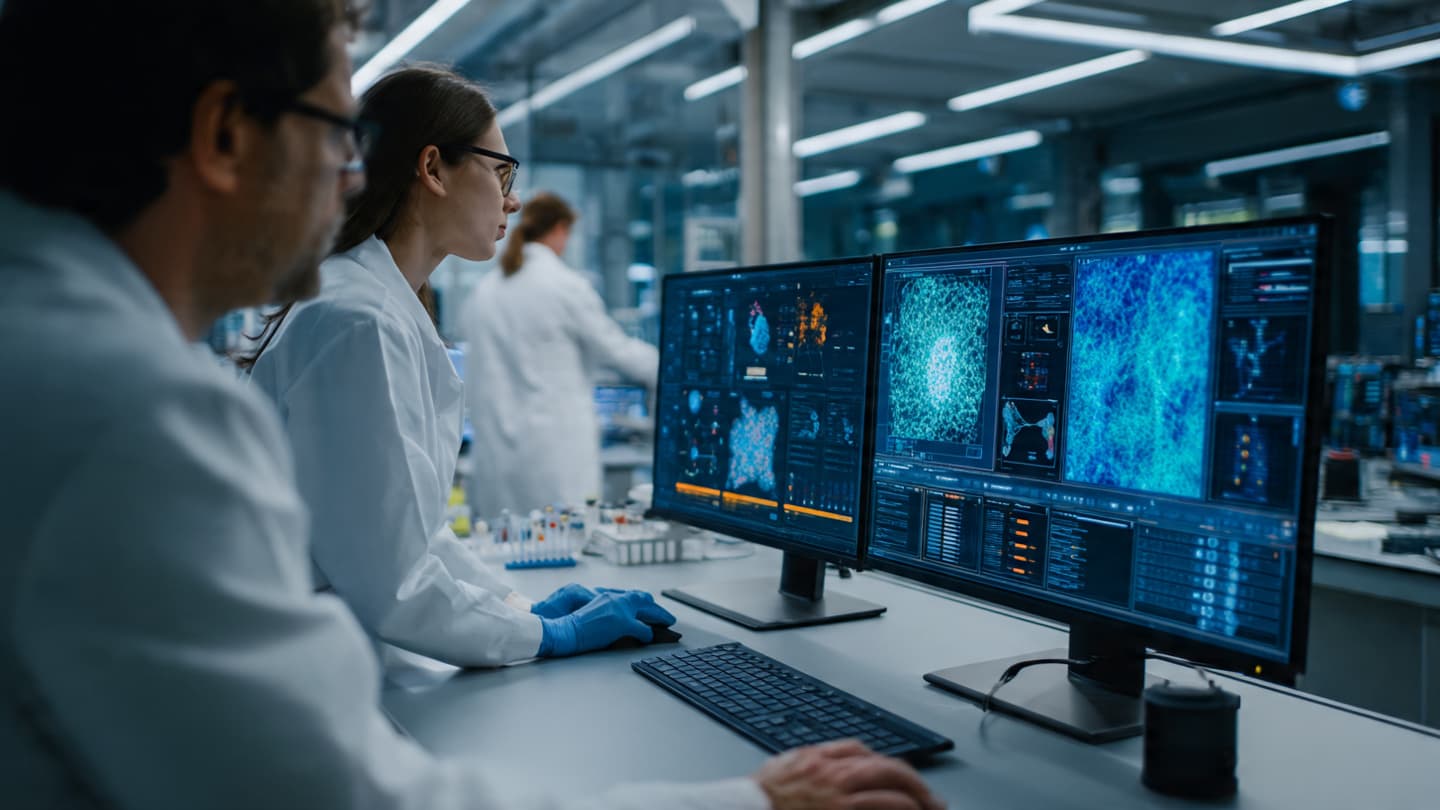
Scientists are increasingly using AI-powered visualization tools to analyze and interpret massive interdisciplinary research datasets.
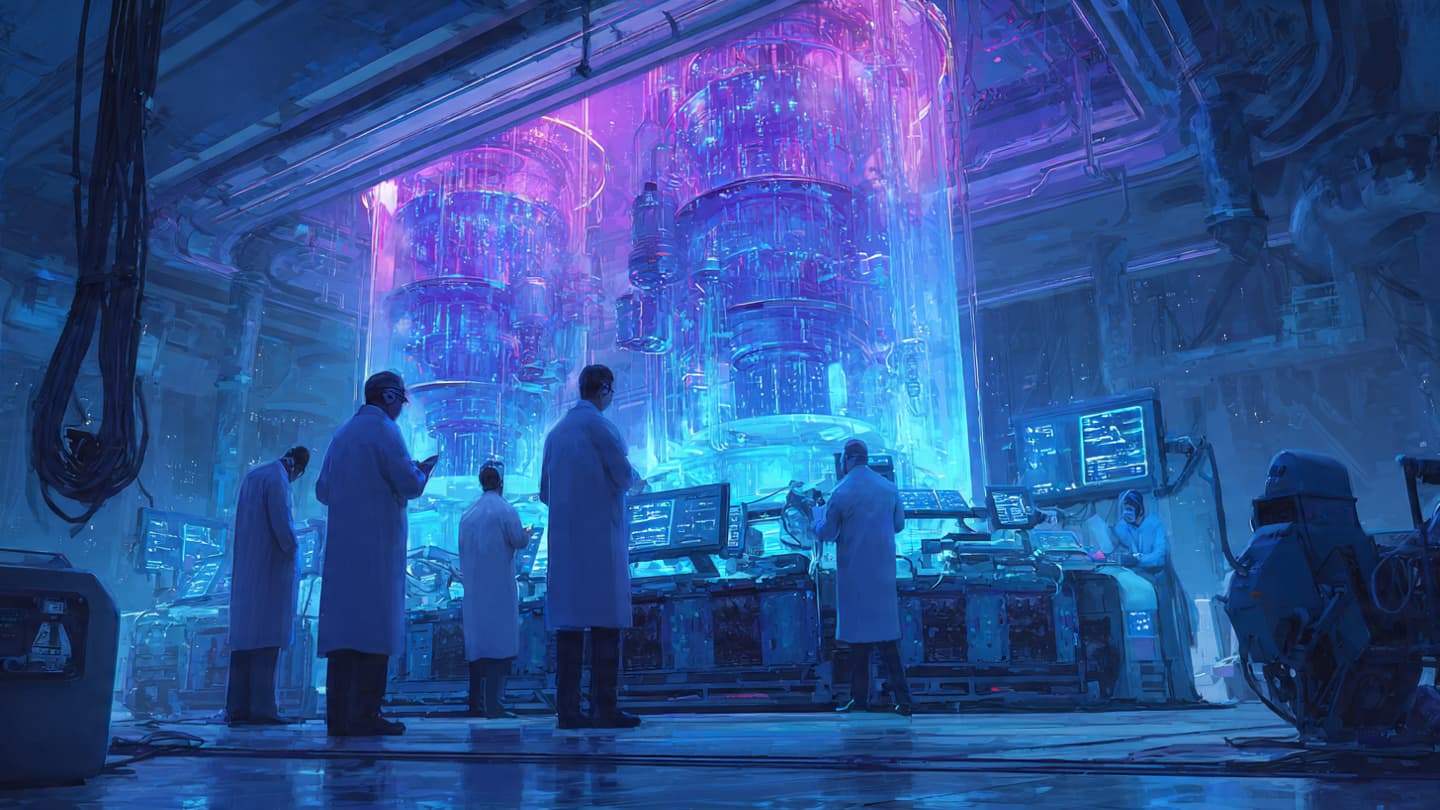
Quantum computing and mRNA therapies are expected to become major scientific breakthroughs shaping technology and medicine in 2026.
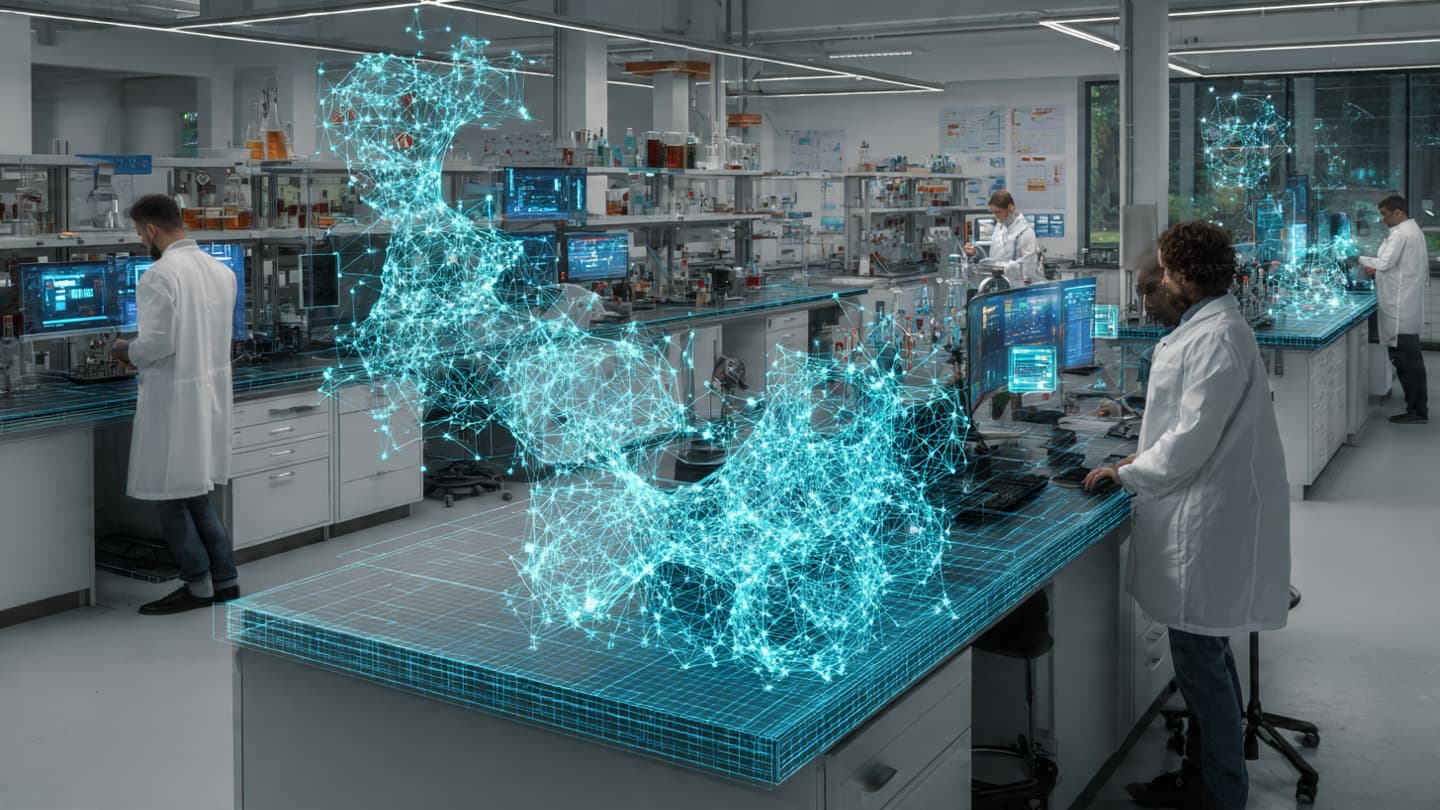
Researchers used AI-assisted systems to help synthesize 35 new chemical compounds, highlighting AI’s expanding role in scientific discovery.
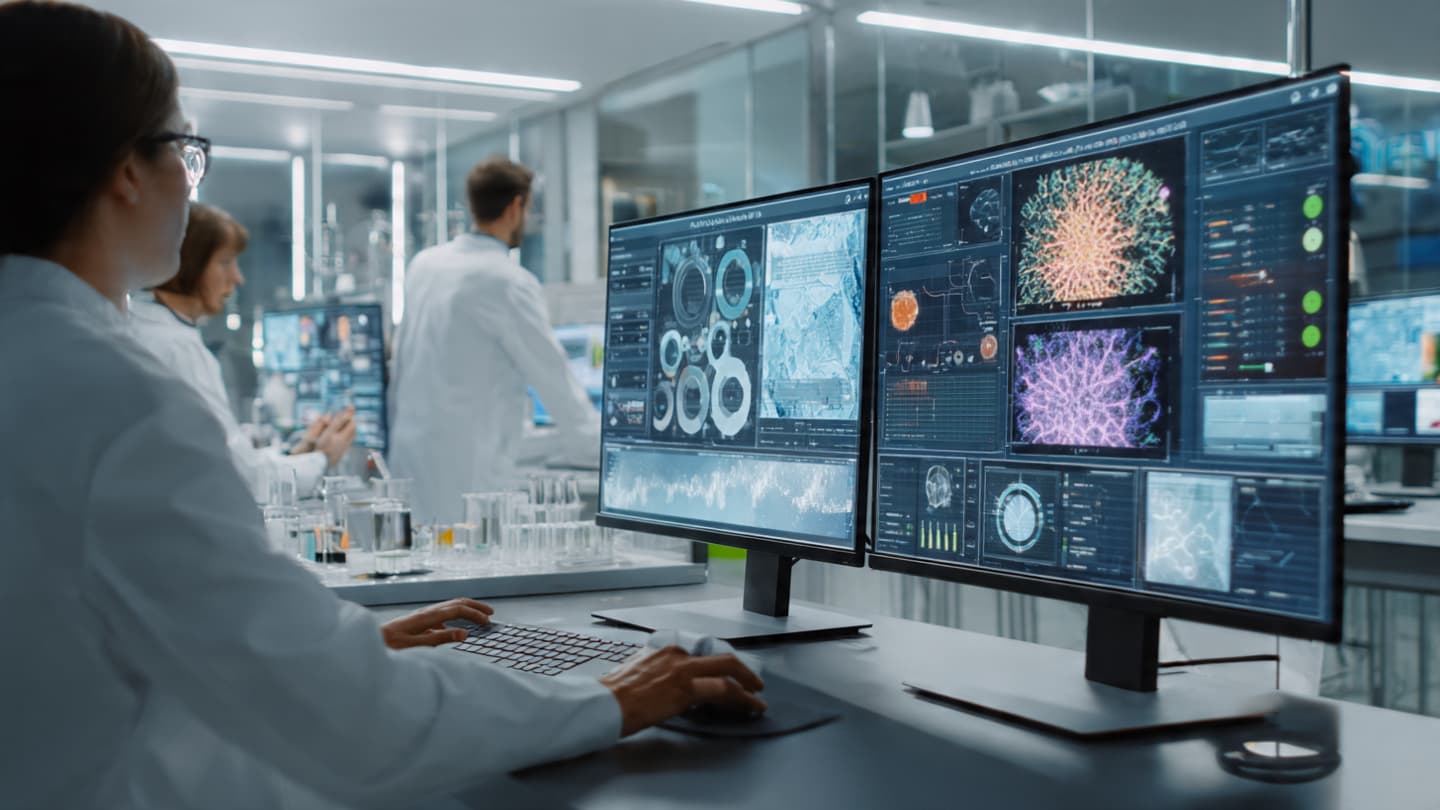
Researchers used AI to analyze Reddit discussions and identify possible hidden side effects linked to Ozempic use.
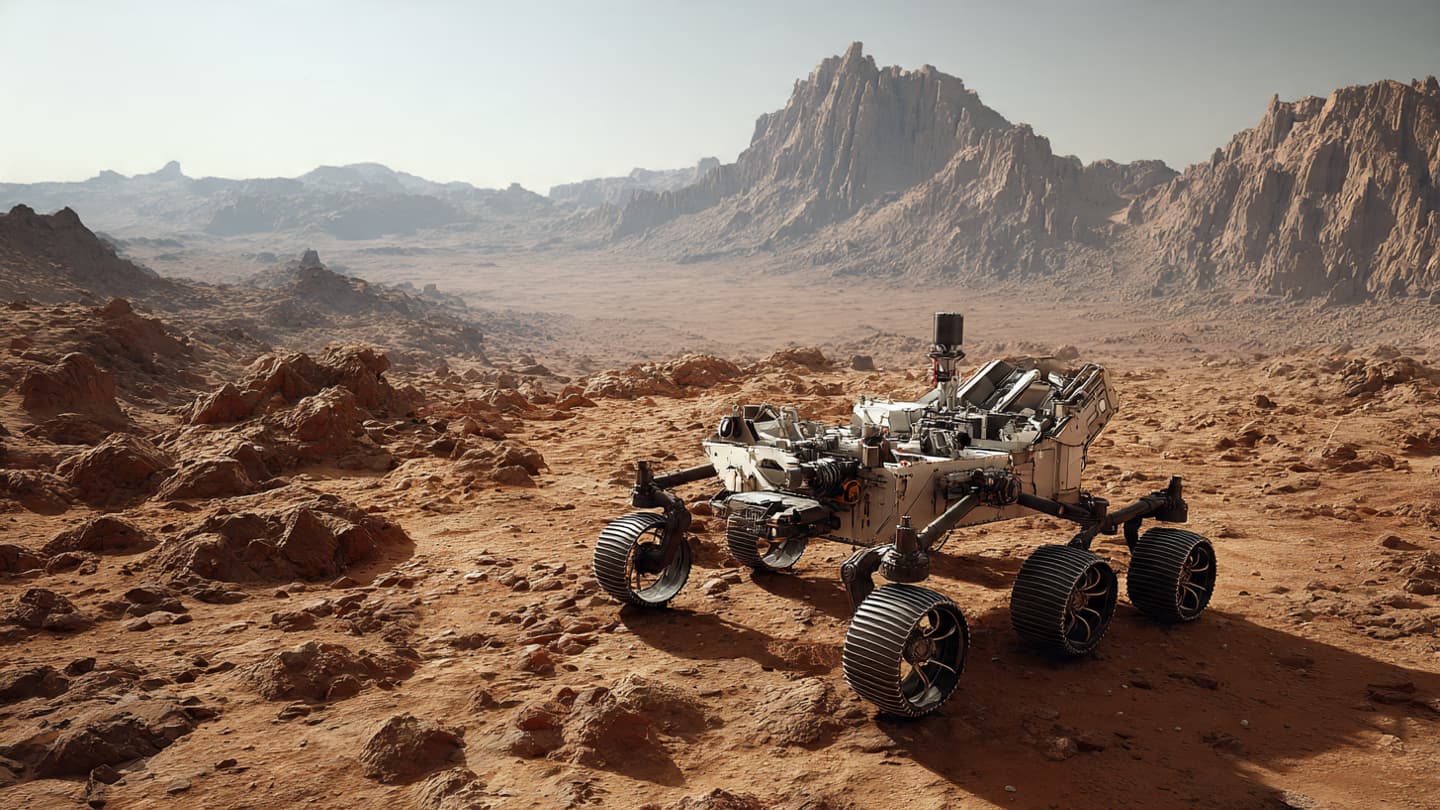
NASA’s Perseverance rover found new evidence suggesting ancient underground water once flowed beneath the surface of Mars.
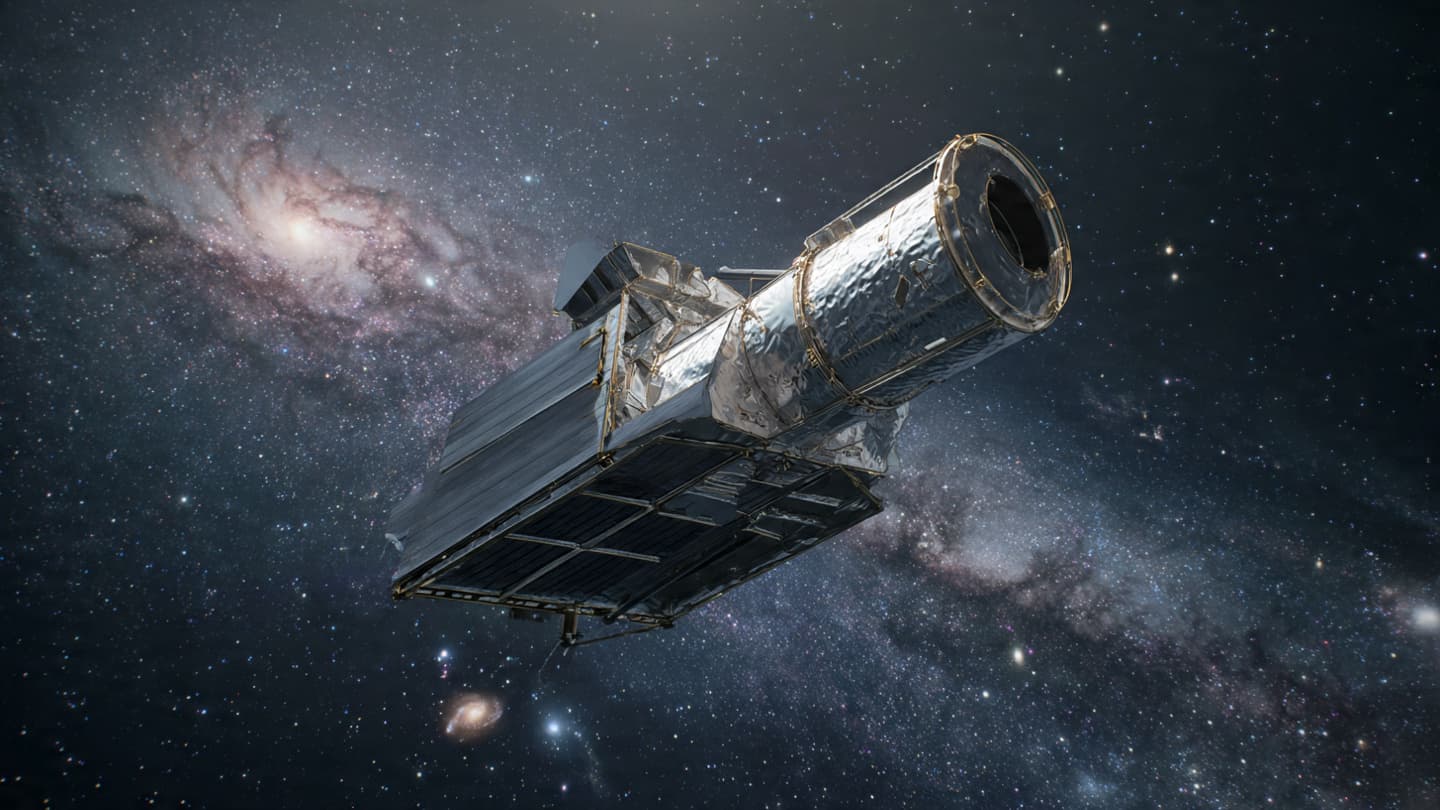
NASA is preparing to launch the Nancy Grace Roman Space Telescope to study dark energy, distant galaxies, and exoplanets.
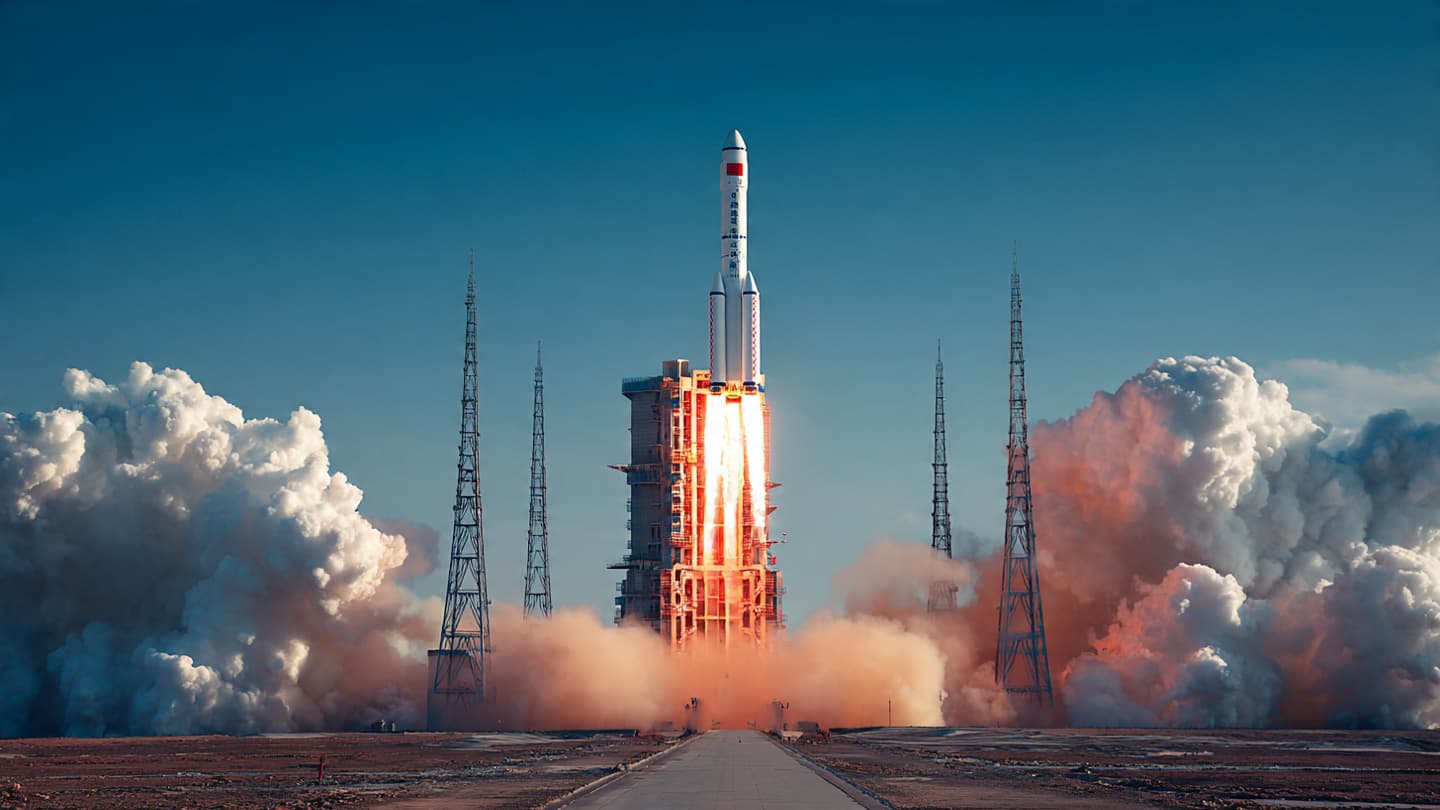
China launched three astronauts to its Tiangong space station as part of its long-term plan to achieve a Moon landing before 2030.
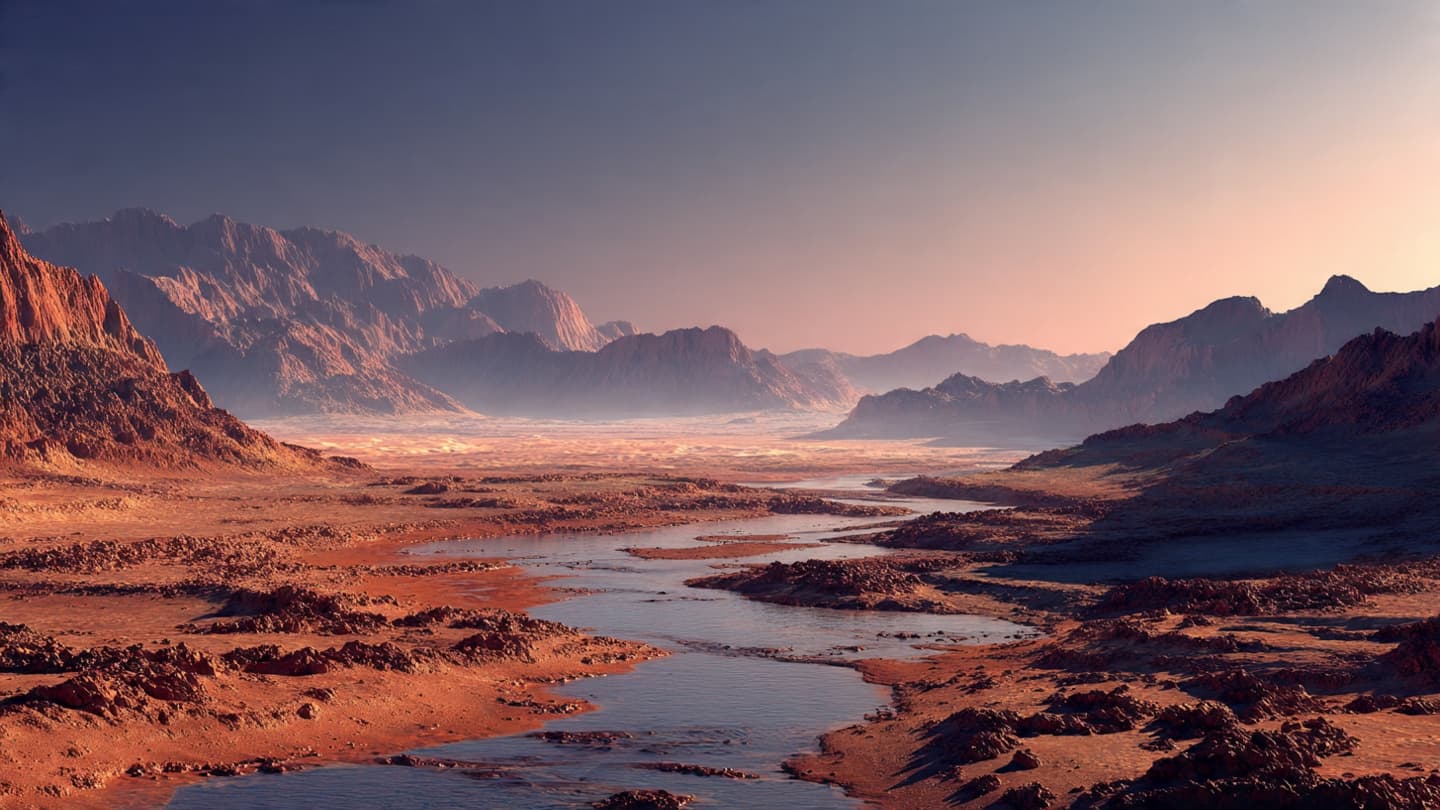
Scientists believe Mars may help researchers better understand how habitable planets evolve beyond our solar system.

Reports involving AI-assisted surgical systems have renewed concerns about patient safety and oversight in modern operating rooms.
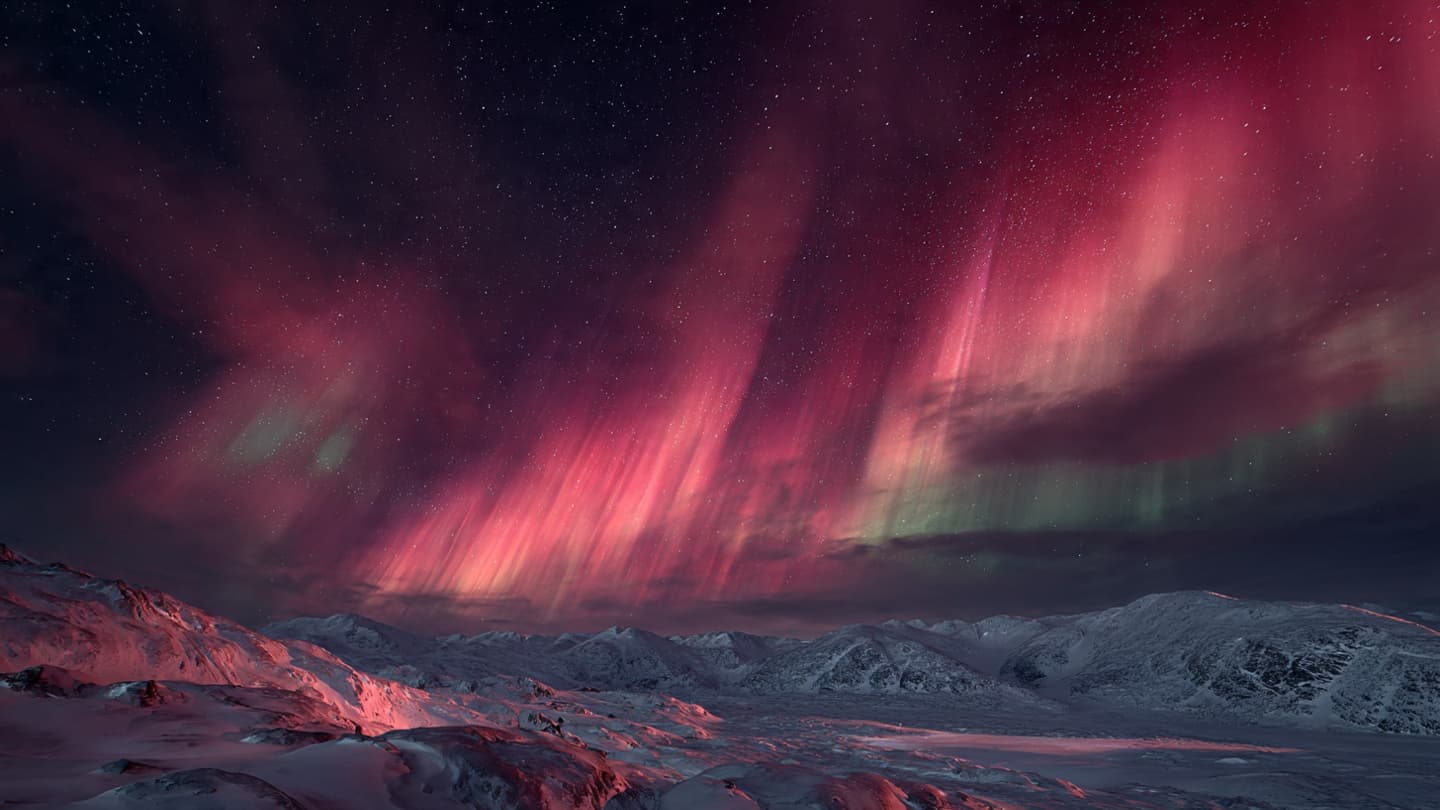
Japanese researchers observed a rare giant red aurora reaching unusually high into Earth’s atmosphere during solar activity.
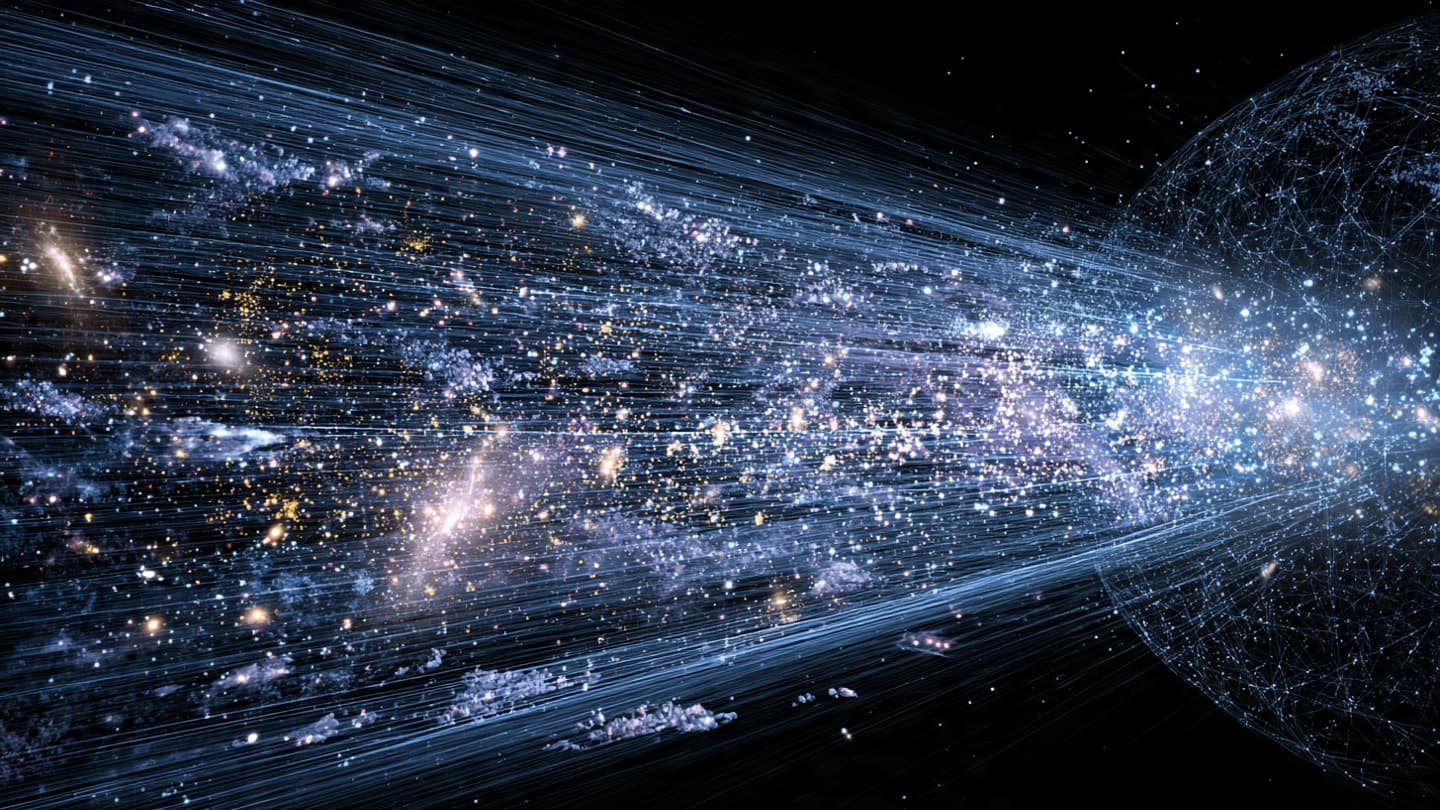
Scientists believe they may have identified the cosmic source behind the most energetic neutrino ever detected.
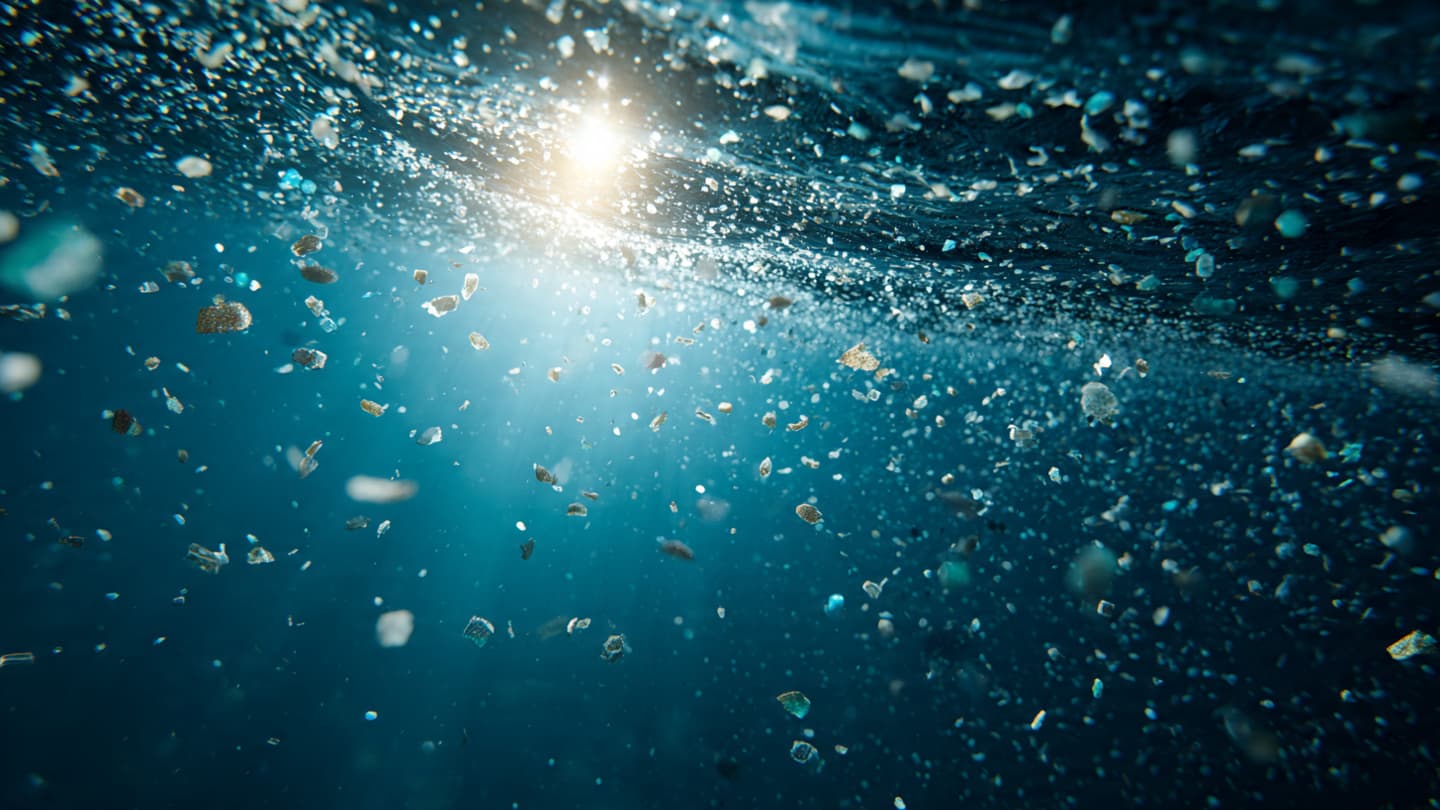
Scientists are studying whether microplastics disrupt ocean ecosystems responsible for absorbing atmospheric carbon dioxide.
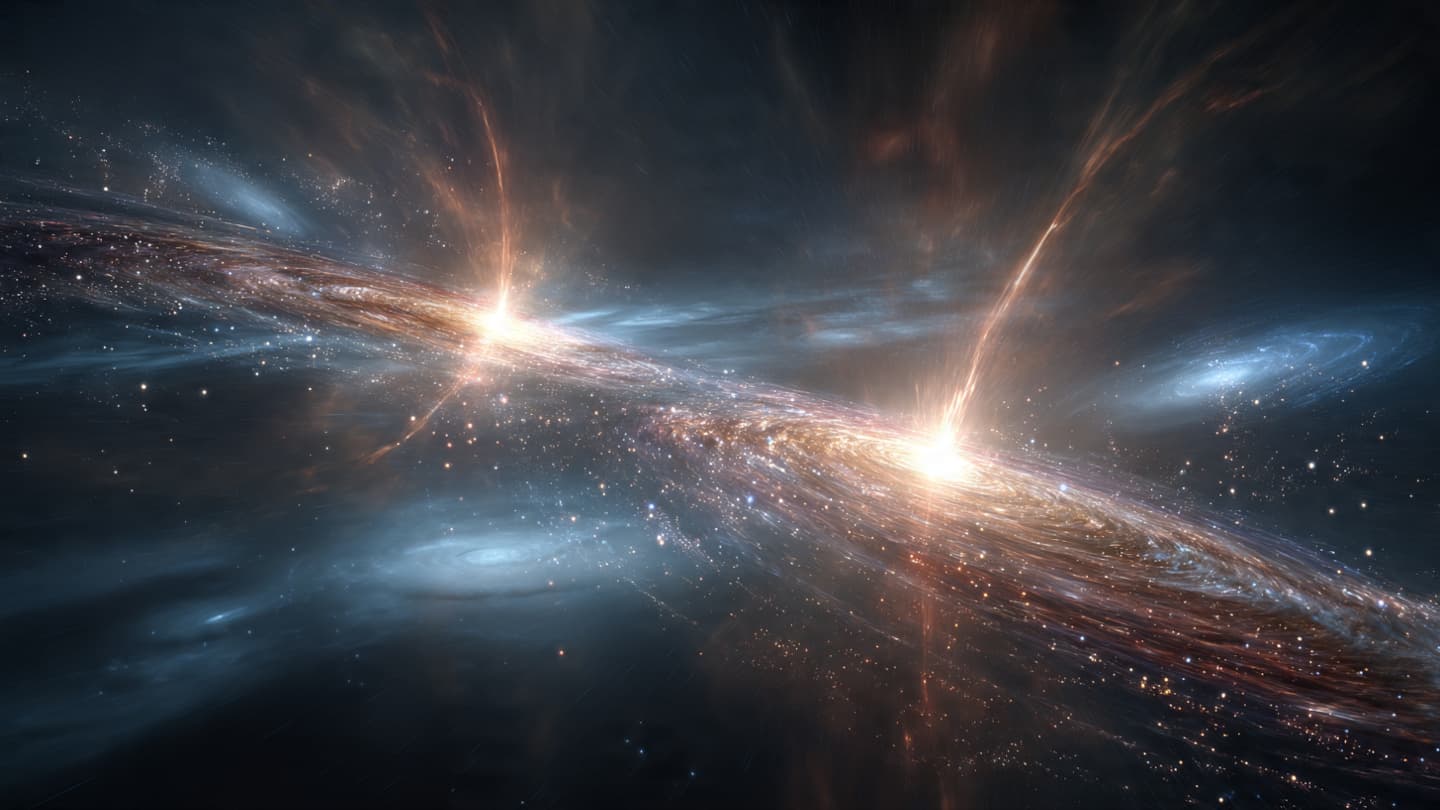
Scientists now believe mergers and stellar conditions explain black holes once considered theoretically impossible.
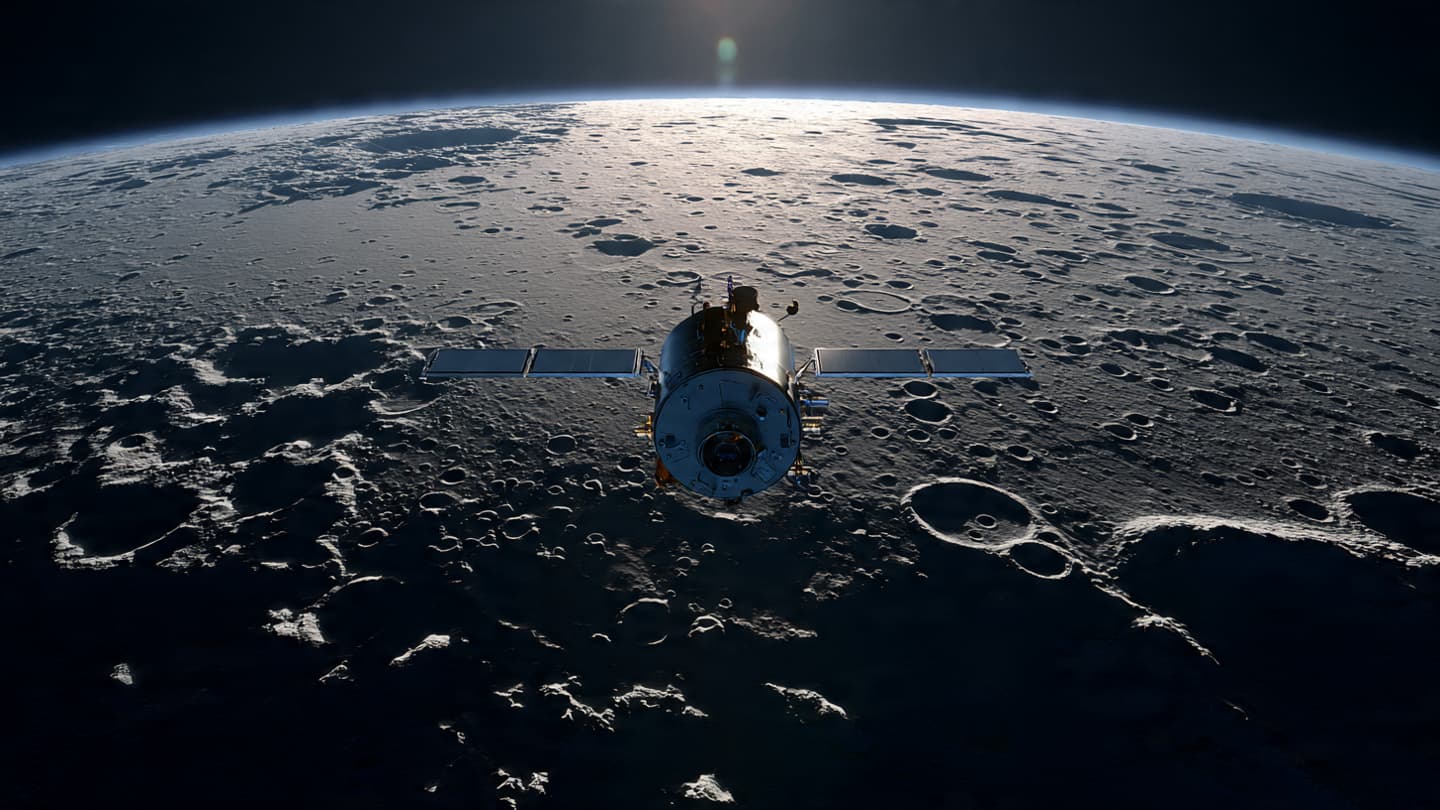
China’s upcoming lunar mission will explore the Moon’s south pole, where scientists believe water ice exists.

A new observatory gained recognition in its first year through successful stargazing and public astronomy programs.