Deep beneath the Earth’s surface, vast layers of sandstone quietly hold the remnants of ancient oceans, forests, and biological life transformed through time into oil and gas reservoirs. In laboratories far from these underground chambers, scientists continue searching for ways to better understand how carbon dioxide moves through porous rock formations. A recent study using online nuclear magnetic resonance testing has added new insight into how CO2 interacts with oil trapped inside sandstone reservoirs.
Researchers investigating carbon dioxide displacement aim to improve both energy extraction efficiency and carbon management strategies. In many modern projects, CO2 is injected underground to push trapped oil toward production wells while potentially storing carbon emissions deep beneath the Earth’s surface. Understanding how this process behaves inside sandstone reservoirs is considered important for both industrial and environmental planning.
The study focused on reservoir conditions that mimic the high pressures and temperatures found deep underground. Scientists used online nuclear magnetic resonance, commonly known as NMR testing, to observe how fluids moved through sandstone samples in real time. The technique allowed researchers to track changes in pore structures and fluid saturation during the displacement process.
According to the findings, several factors influence how effectively CO2 pushes oil through sandstone formations. Rock permeability, pore size distribution, injection pressure, and fluid viscosity all appear to shape displacement efficiency. In some conditions, carbon dioxide moved smoothly through connected pores, while in others, trapped oil remained isolated within smaller rock spaces.
Researchers noted that sandstone reservoirs are highly variable, meaning results may differ depending on geological composition and reservoir history. Even subtle differences in mineral structure or pressure conditions can alter how carbon dioxide behaves underground. Scientists therefore emphasize the importance of site-specific analysis before applying large-scale recovery or storage methods.
The use of NMR technology provided particularly detailed insights into microscopic fluid movement. Unlike traditional testing methods that rely mainly on surface measurements, NMR imaging helped researchers visualize internal reservoir behavior without fully disrupting sample conditions. Experts say this approach may support more accurate predictive models in the future.
The research also connects to broader discussions surrounding carbon capture and storage technologies. As governments and industries seek ways to reduce atmospheric carbon emissions, underground CO2 injection remains one of several strategies under consideration. Studies like this help evaluate both the practical limitations and scientific potential of such methods.
Still, scientists caution that laboratory conditions cannot fully replicate the immense complexity of real underground reservoirs. Long-term geological stability, economic costs, and environmental safety continue to shape debates about carbon storage and enhanced oil recovery practices worldwide.
Researchers say continued advances in reservoir imaging and fluid analysis may improve understanding of how carbon dioxide behaves deep underground. The study contributes to a growing scientific effort to balance energy production needs with evolving environmental concerns.
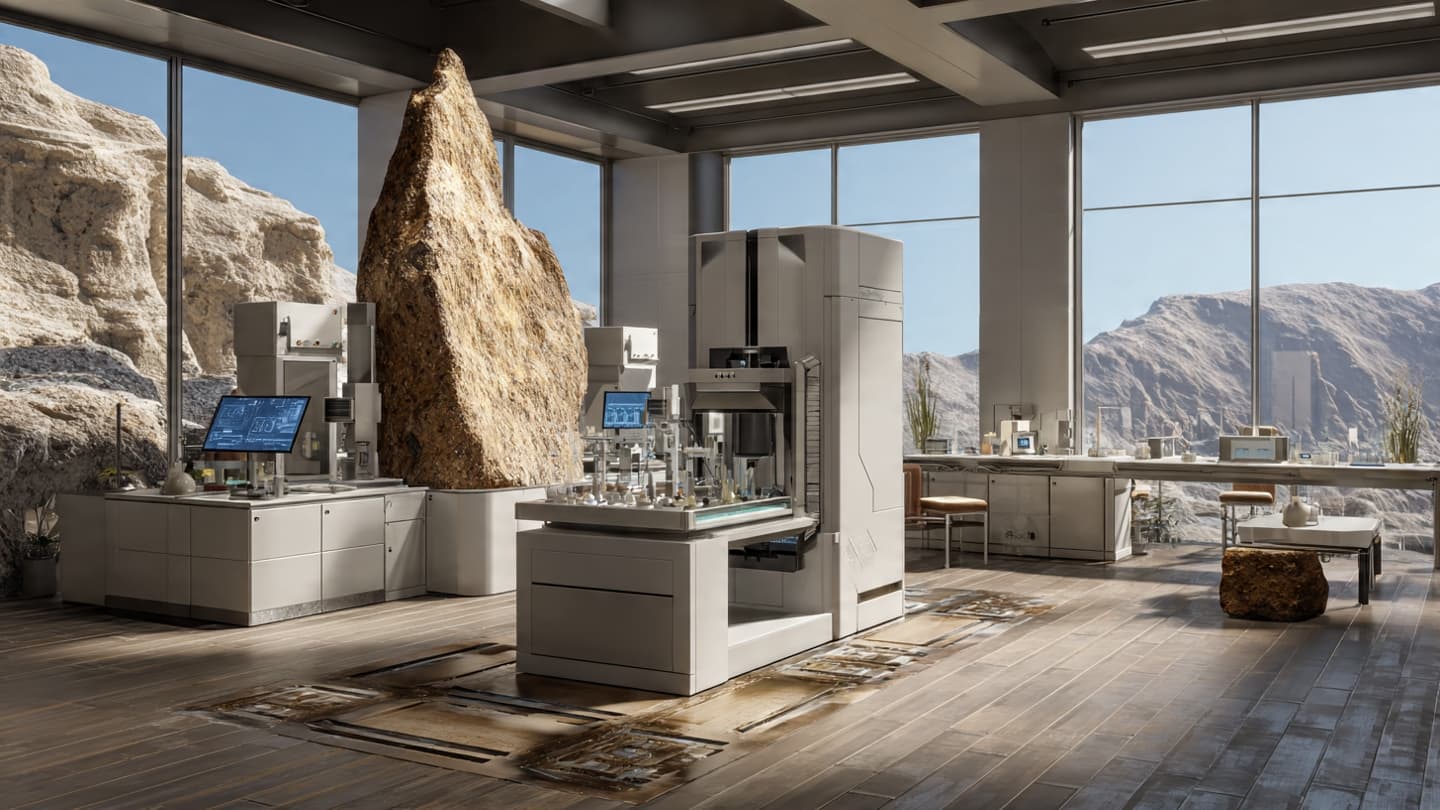
AI Image Disclaimer: Illustrative graphics linked to this report may include AI-assisted scientific visualizations based on research data.
Sources: Elsevier, Journal of Petroleum Science and Engineering, SPE, Nature Energy, ScienceDirect
Published by Banx Network. This article is part of the Banx decentralized media programme, powered by the BXE token on the XRP Ledger.