The universe is often imagined as crowded with stars, galaxies, and radiant clouds of cosmic dust. Yet some of its most intriguing stories may lie in places where almost nothing exists at all. Across the observable cosmos stretch enormous regions known as cosmic voids, immense expanses where galaxies appear only sparsely scattered, like distant lanterns in a vast dark sea. In recent years, scientists have begun looking toward these quiet regions not as absences, but as subtle archives of the universe’s hidden structure.
Cosmic voids are among the largest known features in existence. Some span hundreds of millions of light-years, containing far fewer galaxies than surrounding areas of space. Though they may seem empty, researchers say these regions offer valuable opportunities to study how gravity, dark matter, and cosmic expansion shape the universe over immense periods of time.
Astronomers explain that dense galaxy clusters can complicate observations because gravity bends light and alters surrounding motion. Voids, by contrast, provide comparatively calmer environments. In these quieter cosmic landscapes, scientists can examine subtle effects that might otherwise remain hidden beneath layers of astrophysical complexity.
One major area of interest involves dark energy, the still-mysterious force believed to drive the accelerating expansion of the universe. Researchers believe cosmic voids may help refine measurements related to expansion rates and the large-scale geometry of space itself. By studying how galaxies move near these empty regions, scientists hope to improve models describing the universe’s evolution.
The study of voids also contributes to understanding dark matter, which cannot be observed directly but exerts gravitational influence across galaxies and clusters. Some researchers argue that the behavior of matter surrounding voids may provide clues about how dark matter distributes itself across cosmic structures.
At the same time, these enormous empty regions challenge human intuition. Space already contains staggering distances between stars, yet voids magnify that emptiness to scales difficult to imagine. Some contain only a fraction of the galaxies expected in similarly sized regions, creating environments where darkness itself becomes part of the scientific narrative.
Modern observatories and sky surveys have allowed astronomers to map these regions with increasing detail. Projects using advanced telescopes and computational simulations now reconstruct the web-like structure of the cosmos, revealing how clusters, filaments, and voids interact over billions of years. The universe increasingly resembles a delicate cosmic network woven around vast pockets of silence.
Scientists caution that many questions remain unresolved. Cosmic voids are not completely empty, nor do they provide simple answers to complex cosmological mysteries. Yet their importance continues growing as researchers seek cleaner environments for testing theories about gravity, expansion, and the underlying architecture of the universe.
In the end, the emptiest places in space may remind humanity that absence can also contain meaning. Within those enormous quiet expanses, scientists continue searching for signals subtle enough to illuminate some of cosmology’s deepest unanswered questions.
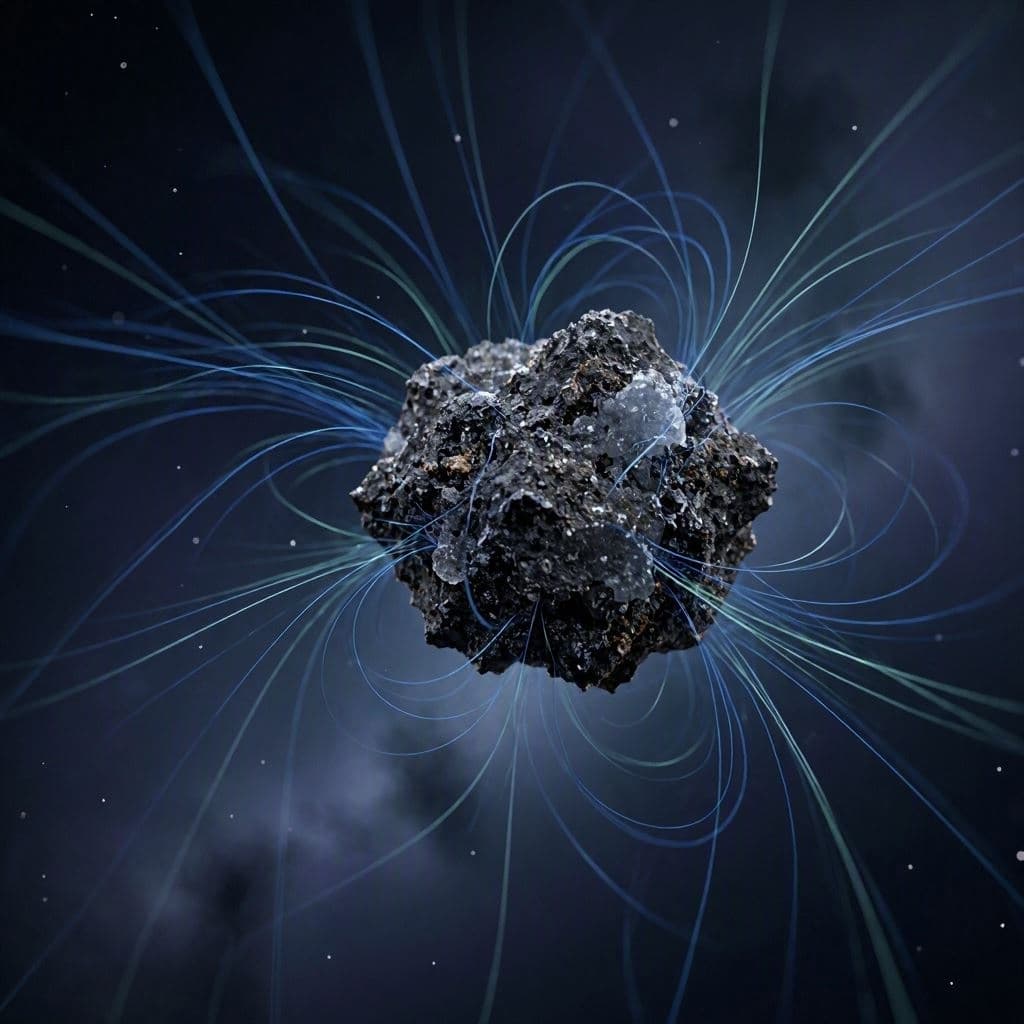
AI-generated image notice: Some illustrations associated with this article were generated using AI tools to visualize large-scale cosmic structures.
Sources: NASA, European Space Agency, Scientific American, Space.com, Nature Astronomy
Published by Banx Network. This article is part of the Banx decentralized media programme, powered by the BXE token on the XRP Ledger.