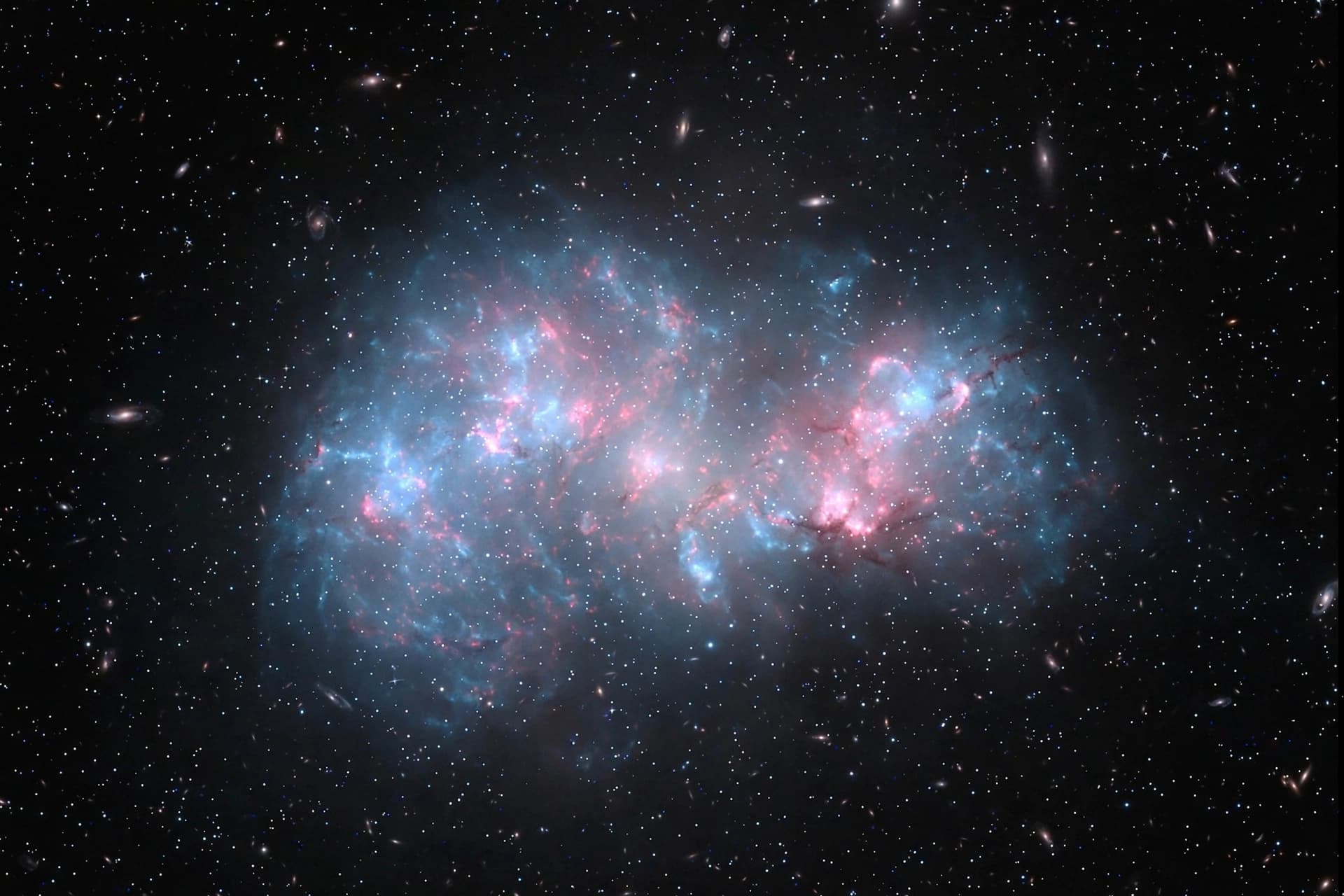
The night sky often appears calm from Earth, a quiet field of stars suspended above human history. Yet beyond that stillness, galaxies move through the universe with slow but enormous violence, colliding and merging across billions of years. Astronomers now say they have uncovered further evidence that the Milky Way once consumed another smaller galaxy, leaving faint remnants still drifting through space today.
Researchers studying stellar movements and chemical compositions identified unusual clusters of stars believed to be leftovers from an ancient galactic merger. These remnants, described by some scientists as cosmic scraps, help reconstruct how the Milky Way gradually grew into the massive galaxy visible today.
Galactic mergers are considered a normal part of cosmic evolution. Large galaxies often absorb smaller neighbors through gravity, pulling stars, gas, and dark matter into expanding structures over immense periods of time. Although the process unfolds slowly, its effects can permanently reshape galactic architecture.
The newly analyzed stellar debris appears different from stars originally formed within the Milky Way. Scientists examined orbital patterns and elemental signatures that suggest the stars once belonged to a separate dwarf galaxy before being pulled apart by gravitational forces long ago.
Modern observatories and space telescopes have made these discoveries increasingly precise. Missions such as the European Space Agency’s Gaia observatory allow astronomers to map stellar positions and movements across the galaxy with extraordinary detail. By tracing those motions backward, researchers can identify traces of ancient collisions hidden within the Milky Way’s structure.
The findings contribute to a broader understanding of how galaxies evolve over cosmic time. Rather than remaining fixed islands of stars, galaxies are dynamic systems shaped by interaction, migration, and occasional destruction. Even the Milky Way carries scars from its long history of encounters.
Astronomers note that future mergers are still expected. The Milky Way itself is projected to collide with the neighboring Andromeda Galaxy billions of years from now, though humanity will likely never witness the event directly. Such collisions are part of the universe’s continuing cycle of transformation.
For researchers, the newly discovered stellar remnants offer another glimpse into the hidden biography of our galaxy. What appears serene from Earth is, in reality, the outcome of ancient gravitational struggles written across the stars themselves.
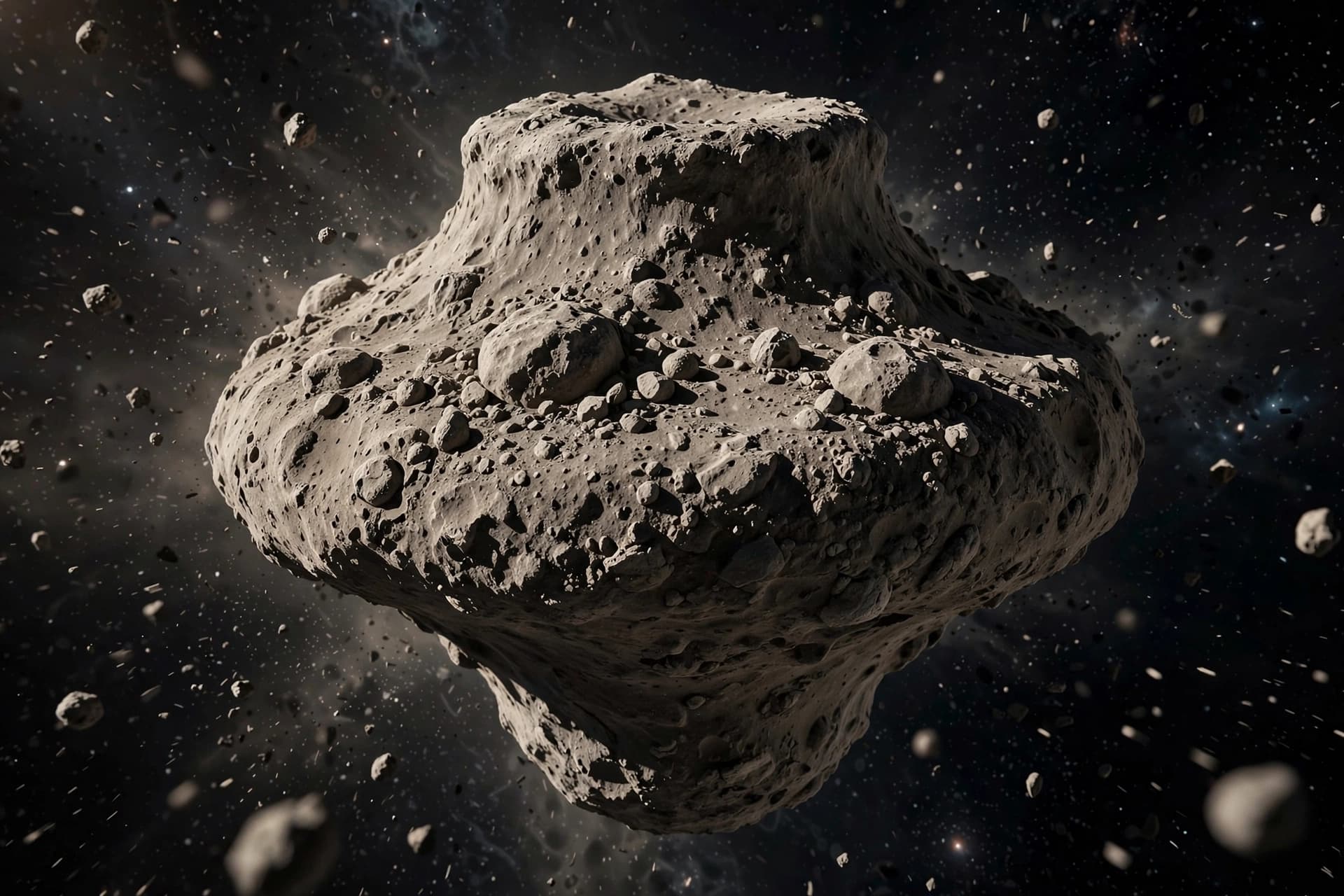
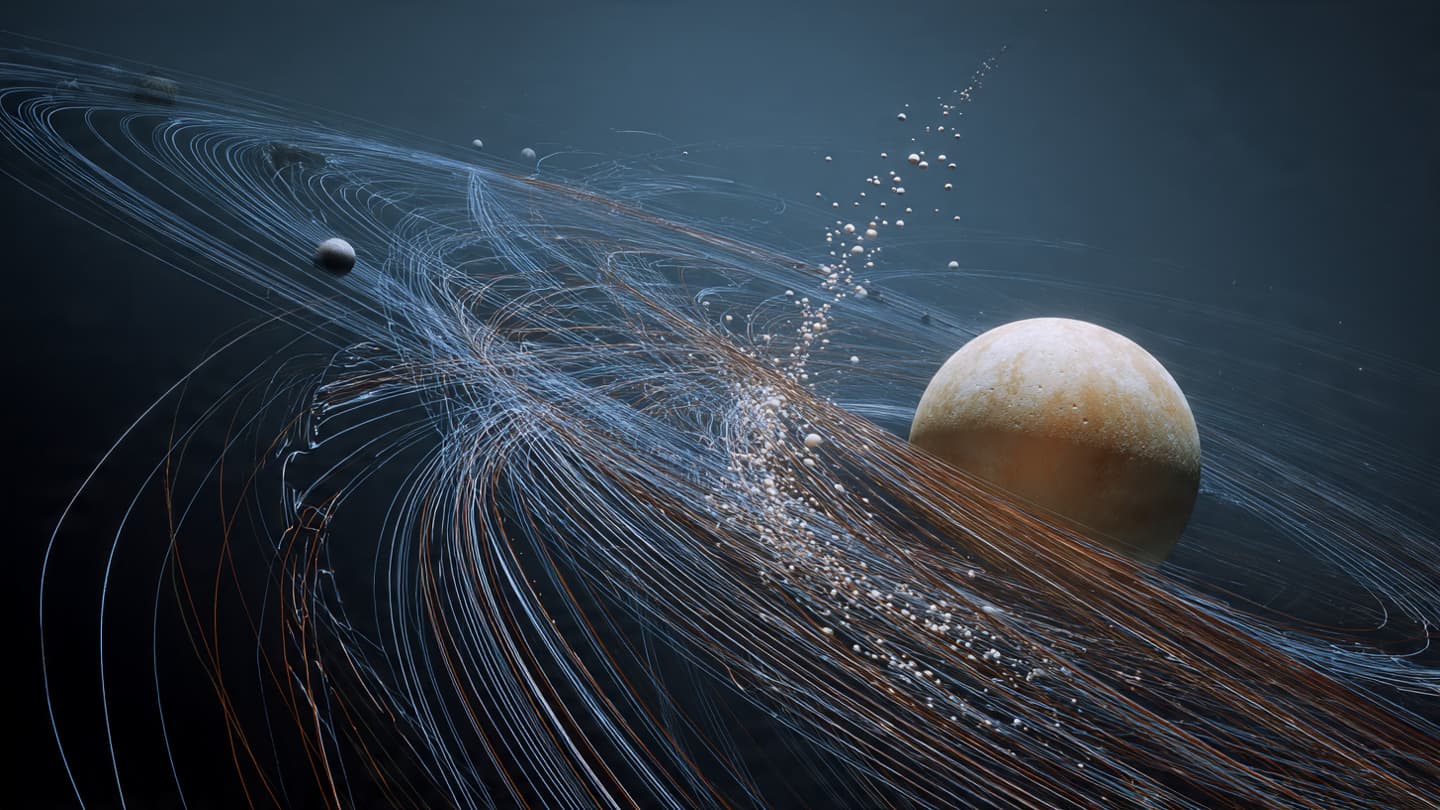
AI Image Disclaimer: Some visual illustrations in this article may include AI-generated depictions based on astronomical research data.
Sources: NASA, Space.com, Scientific American, New Scientist, European Space Agency
Published by Banx Network. This article is part of the Banx decentralized media programme, powered by the BXE token on the XRP Ledger.