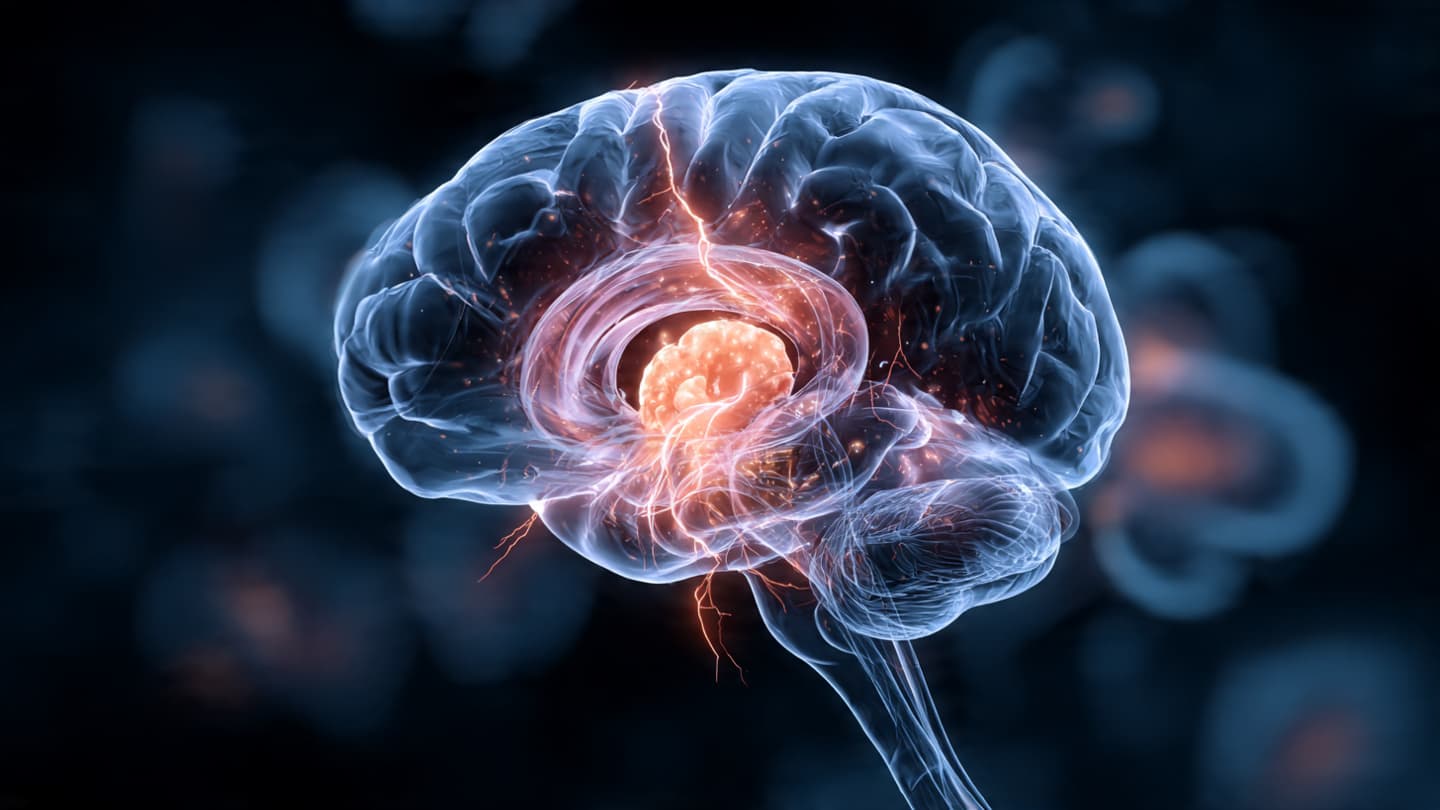
In the quiet complexity of the human mind, memory is often thought of as a stable archive of experience. Yet new scientific insights suggest that this archive is far more sensitive to emotional conditions than previously understood.
Body: Recent research in neuroscience indicates that acute stress can interfere with the brain’s ability to form and connect new memories. This effect appears to be linked to how stress hormones interact with regions of the brain responsible for learning and recall.
The hippocampus, a critical structure for memory formation, is particularly sensitive to hormonal fluctuations. When stress levels rise, its ability to encode information efficiently may be reduced, affecting how experiences are stored.
Researchers have observed that individuals under sustained pressure may struggle not only with recalling information but also with integrating new experiences into coherent memory networks.
This does not imply that memory is lost, but rather that its formation process becomes less efficient, leading to fragmented or incomplete recall in some cases.
Everyday experiences, such as studying under pressure or navigating emotionally intense situations, can therefore influence how well information is retained over time.
The findings also open broader discussions about mental health, workplace environments, and educational systems, where stress levels may unintentionally shape cognitive performance.
Scientists emphasize that the brain remains highly adaptable, and stress-related effects on memory can vary widely depending on duration, intensity, and individual resilience.
Closing: As research continues, understanding the relationship between stress and memory may help shape better approaches to learning, health, and emotional well-being.
AI Image Disclaimer: Images accompanying this article are AI-generated for illustrative editorial purposes only.
Sources: Nature Neuroscience, ScienceDaily, Harvard Medical School Research, NIH Reports, Reuters Health Desk
Published by Banx Network. This article is part of the Banx decentralized media programme, powered by the BXE token on the XRP Ledger.