SCIENCE94% credibility
When Humanity Begins Planning Its Return to the Lunar Surface
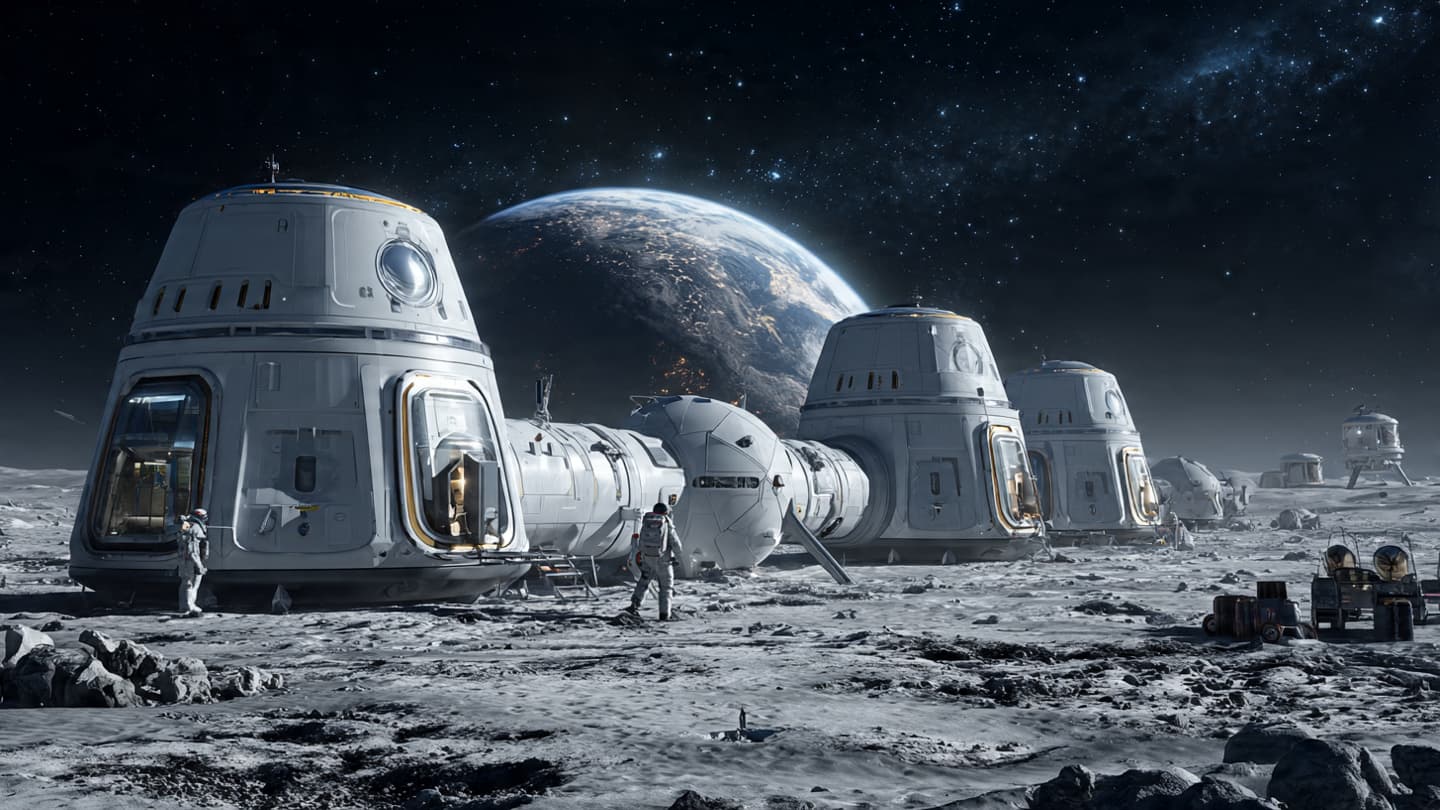
NASA and partners are advancing early-stage plans for a sustainable human presence on the Moon.
5 min read

NASA and partners are advancing early-stage plans for a sustainable human presence on the Moon.

An Ebola outbreak in Congo highlights ongoing challenges in global epidemic preparedness and response coordination.

Hybrid AI-quantum computing research shows early promise in solving complex computational problems using new physical principles.

Scientists are closely monitoring AMOC weakening trends that could influence long-term global climate patterns.

Thwaites Glacier in Antarctica shows increasing ice shelf vulnerability, raising long-term concerns about global sea-level rise.
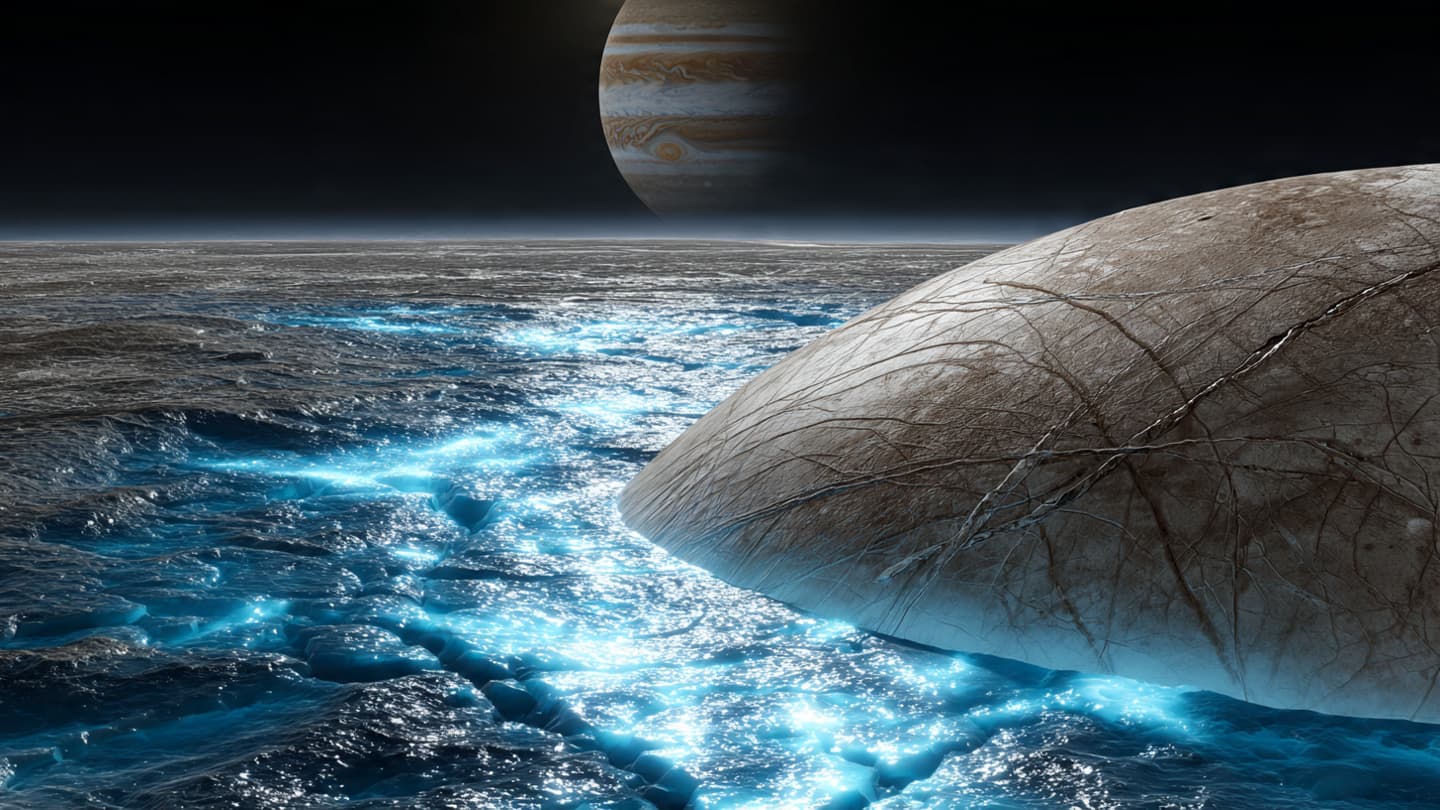
Ganymede shows signs of possible internal activity, suggesting complex subsurface processes beneath its icy crust.

Climate studies suggest extreme hailstorms may increase due to stronger atmospheric instability in a warming world.

Automated lab robots are increasing efficiency and consistency in scientific research, reshaping modern laboratory workflows.

AI-driven research has mapped over a billion predicted protein structures, accelerating biological and medical discovery.

Studies highlight long-term tsunami risk in the Mediterranean due to active tectonic fault systems beneath the sea.

Automated lab systems are transforming scientific research by increasing efficiency, consistency, and experimental scale.

AI systems are enabling large-scale mapping of protein structures, accelerating advances in biology and medicine.

NASA and partners are advancing sustainable lunar infrastructure through modular systems and international collaboration.

Scientists are studying climate tipping points that could lead to significant shifts in Earth’s long-term climate behavior.
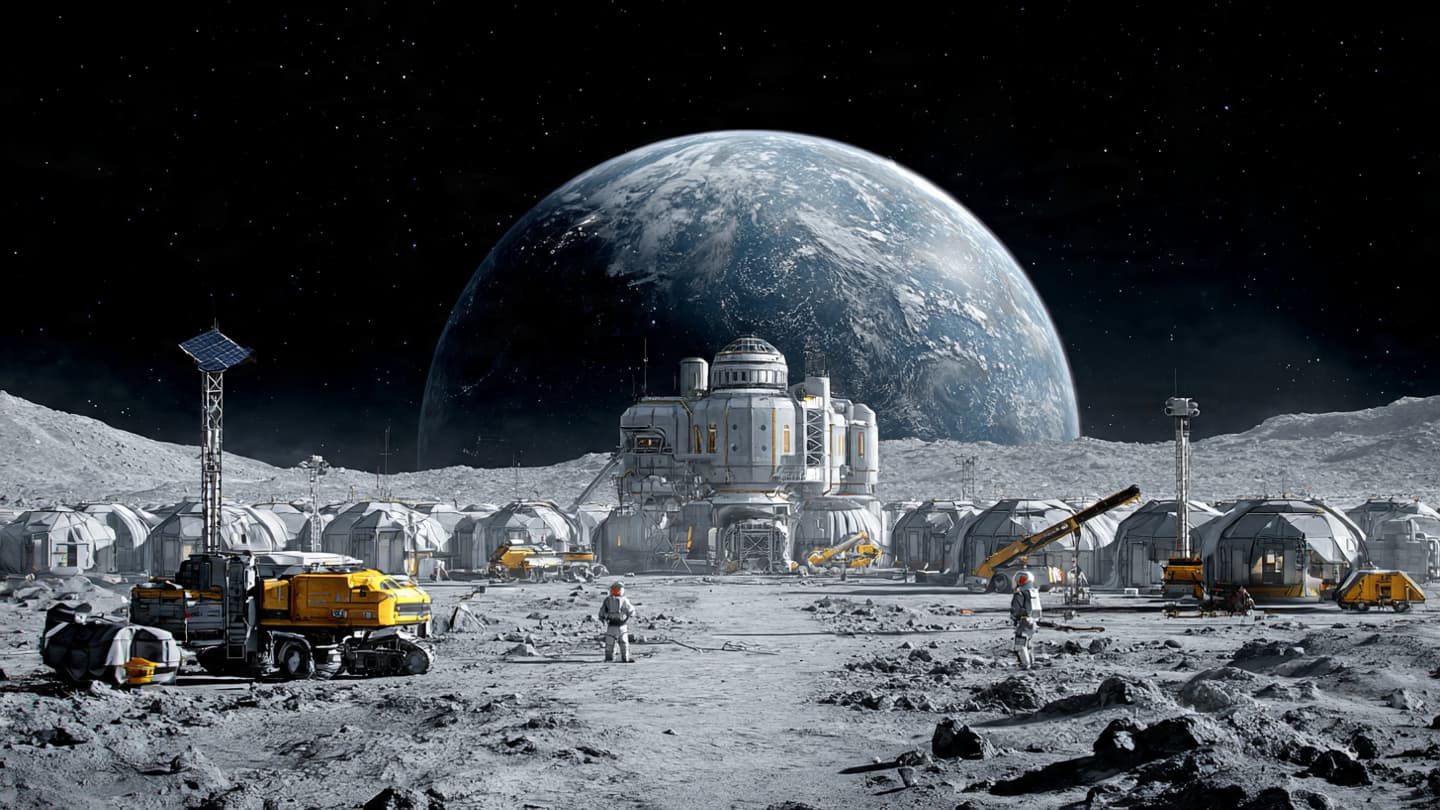
NASA and partners are advancing long-term lunar exploration plans focused on sustainable human presence on the Moon.

New artificial neuron research explores biologically inspired AI systems that mimic adaptive neural behavior for more efficient computing.

Webb Telescope observations suggest a supermassive black hole formed extremely early, challenging current models of galaxy evolution.

New analysis suggests the Great Pyramid of Giza’s design helps it withstand seismic activity through natural structural stability.
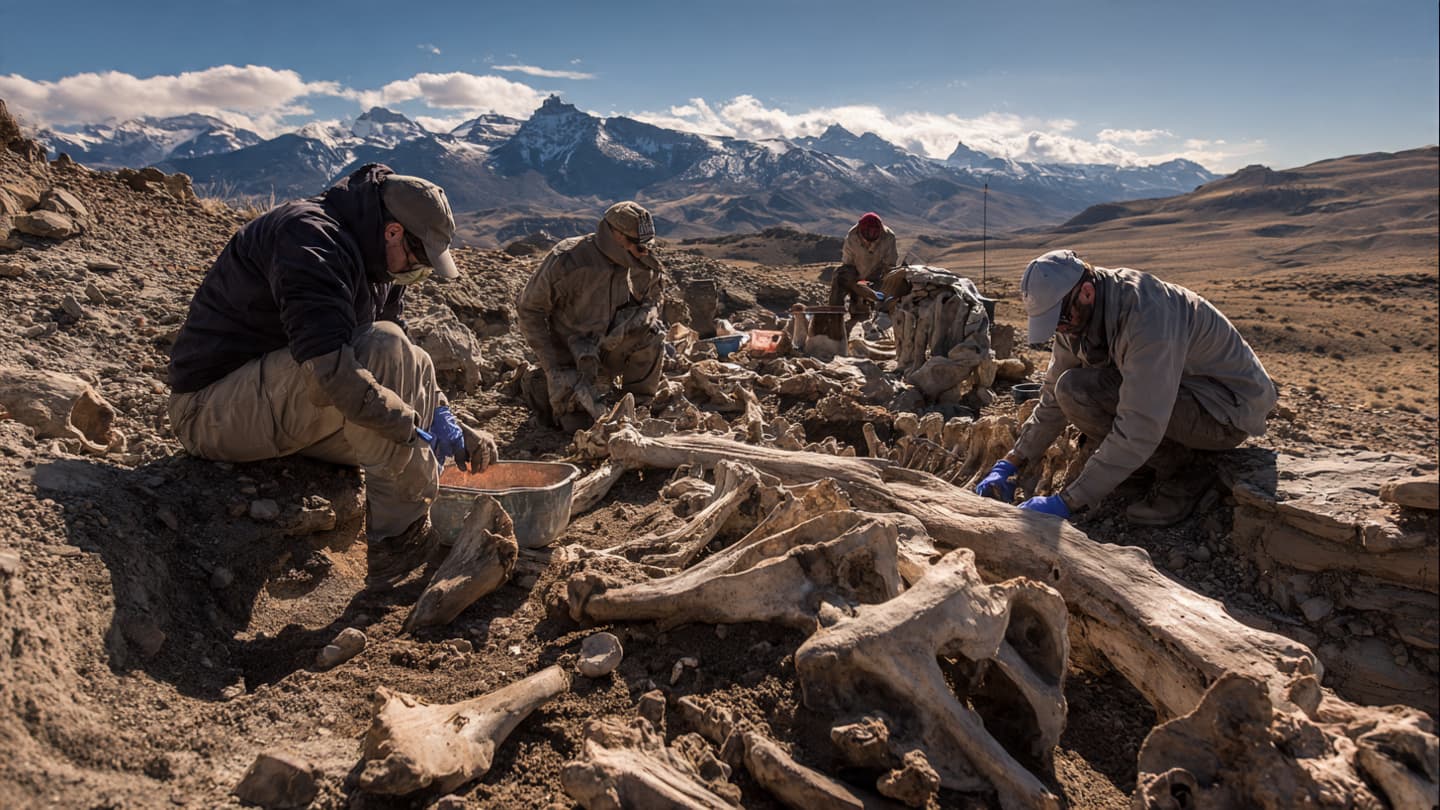
A newly discovered dinosaur in Argentina reveals a more diverse prehistoric ecosystem shaped by rivers and ancient landscapes.

A tomato-soy beverage may help reduce inflammation through plant-based compounds that support immune regulation.

Deep-sea fish may use internal crystal structures to enhance bioluminescence, revealing new mechanisms of underwater light production.

Research suggests early life on Earth may have originated in deep ocean hydrothermal vents rather than surface environments.

Studies suggest fungi may have expanded after the dinosaur extinction, influencing early ecosystem recovery dynamics.
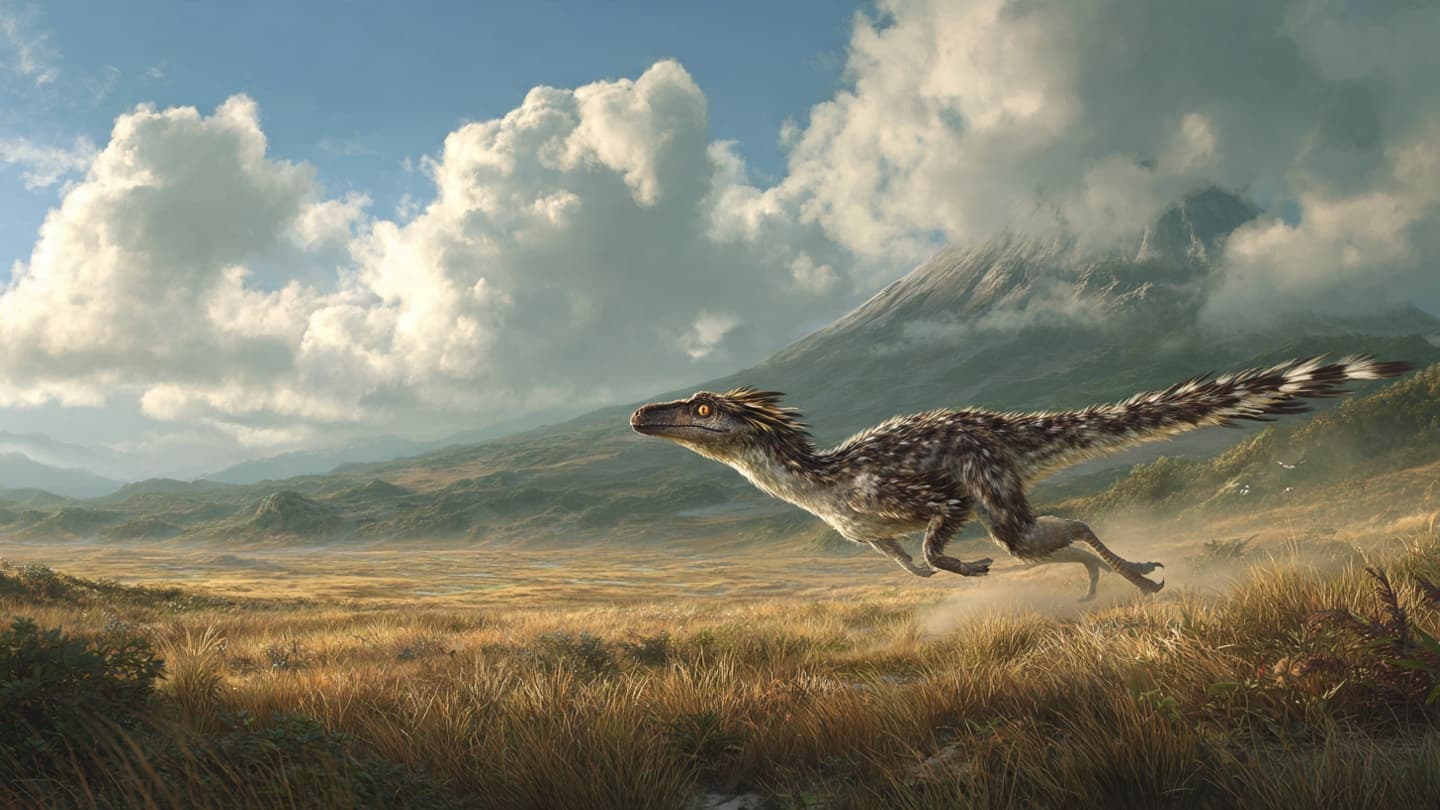
A Canadian ostrich-like dinosaur fossil reveals bird-like traits existed long before modern birds evolved.