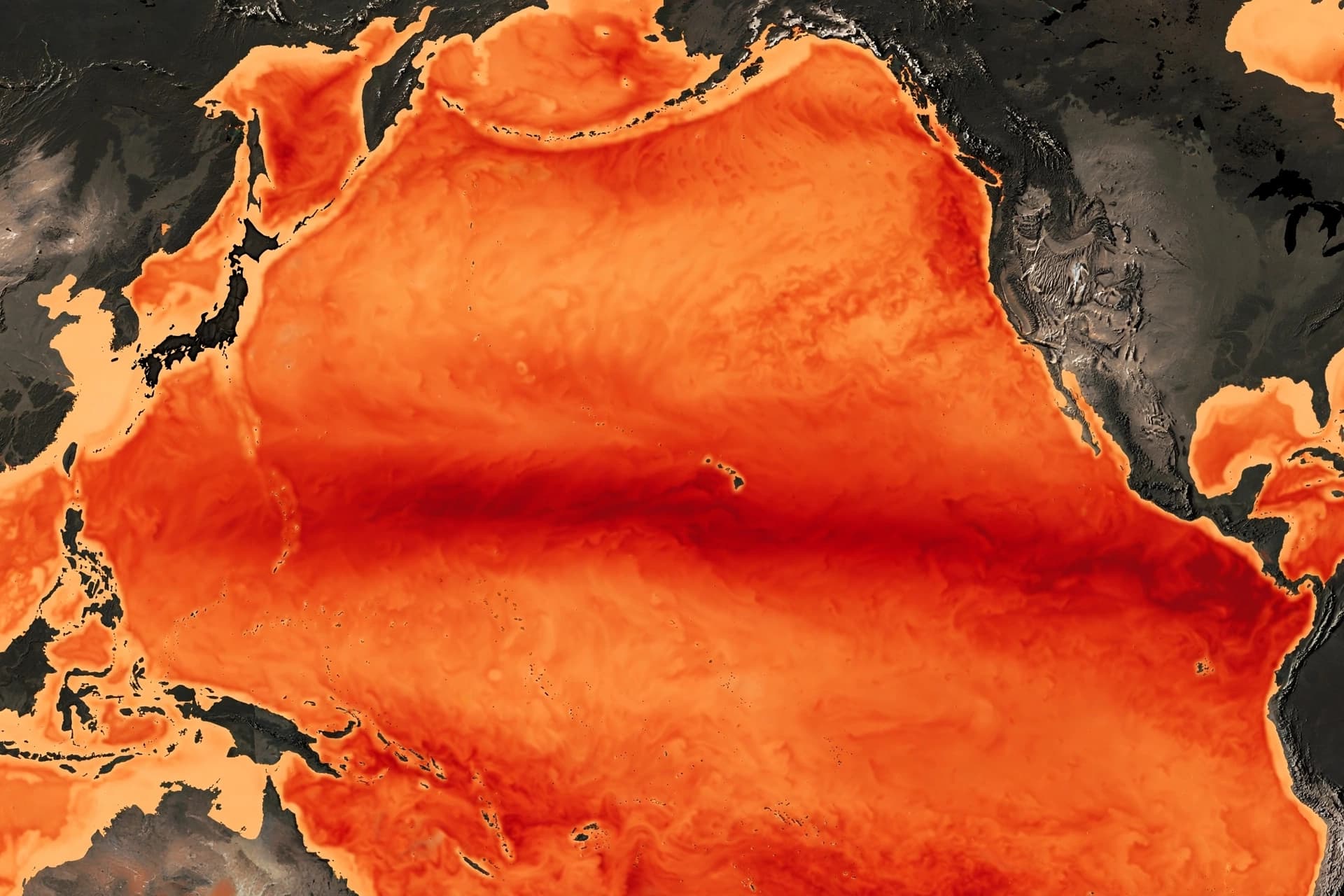
Weather has always carried a sense of rhythm, shifting between calm and storm in patterns that once felt familiar. Yet in recent years, that rhythm has begun to show signs of disruption, as atmospheric conditions evolve under the influence of a warming climate.
Meteorological studies from climate research institutions indicate that extreme hailstorms may become more frequent and severe in certain regions. This is not because colder air is increasing, but because warmer atmospheric conditions can intensify the instability that forms storm systems.
Hail develops when strong updrafts in thunderstorms carry water droplets high into freezing layers of the atmosphere. In a warming climate, increased moisture and energy can strengthen these updrafts, allowing hailstones to grow larger before falling to the ground.
Researchers from organizations such as NOAA and European climate centers have observed trends suggesting that severe convective storms are becoming more energetic. This does not mean every storm will produce hail, but that conditions favorable to extreme hail events may occur more often.
The impact of such storms can be significant. Large hail can damage infrastructure, agriculture, and vehicles within minutes, creating economic and social challenges for affected regions.
Climate scientists emphasize that these changes are part of a broader pattern of atmospheric instability linked to rising global temperatures. However, they also note that regional variability remains high, meaning some areas may experience stronger shifts than others.
Ongoing research continues to refine models that predict storm intensity, helping communities better prepare for extreme weather events.
As climate systems continue to evolve, hailstorms serve as one visible reminder that a warming world does not only mean higher temperatures, but also more complex and sometimes more violent atmospheric behavior.
AI Image Disclaimer: Images in this article are AI-generated conceptual visuals created for editorial purposes.
Sources: NOAA, IPCC, Nature Climate Journal, Science News, The Guardian Climate Section
Published by Banx Network. This article is part of the Banx decentralized media programme, powered by the BXE token on the XRP Ledger.