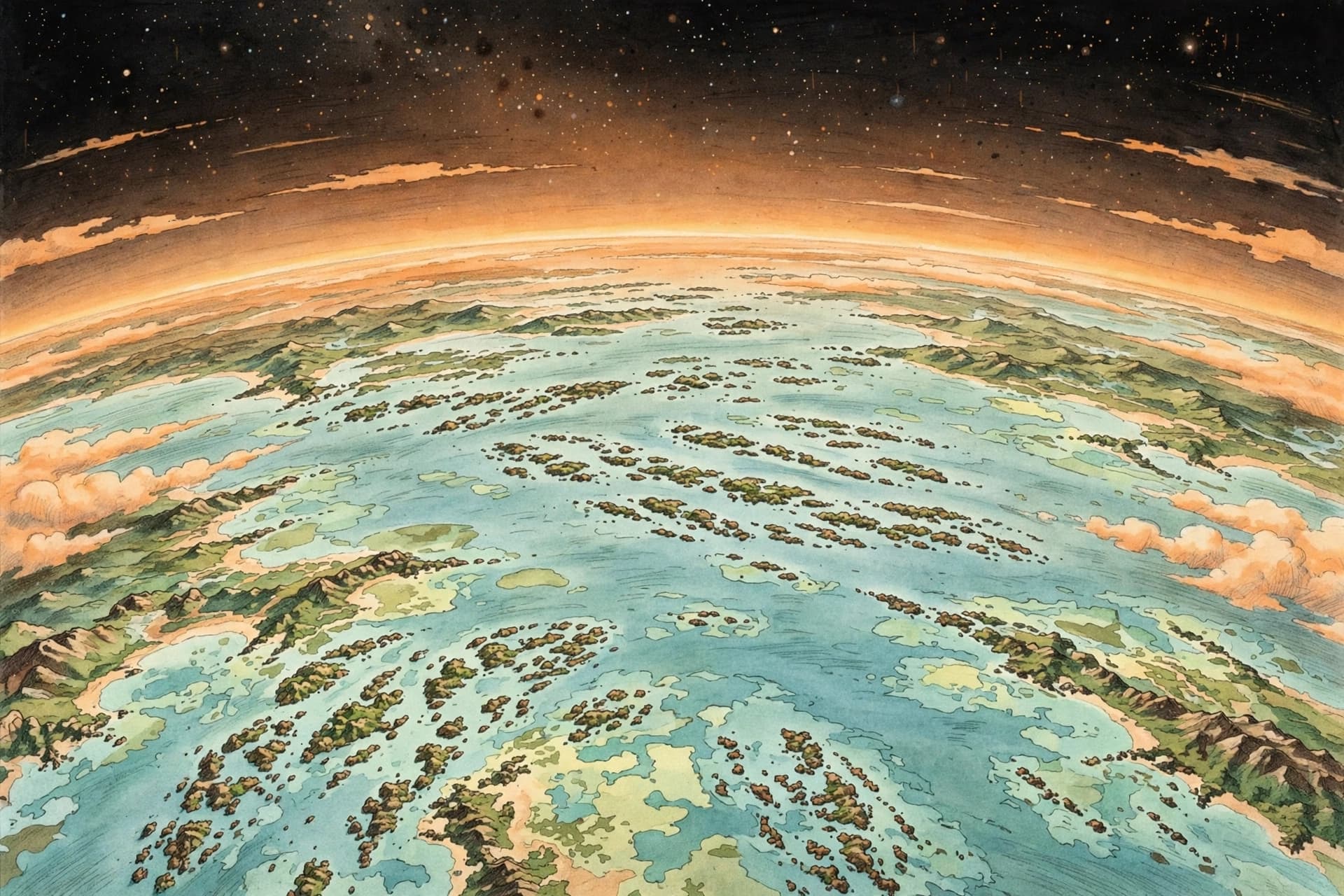
In the deep silence beneath Earth’s earliest oceans, where sunlight had not yet learned to reach, scientists continue to search for the origins of life itself. A growing body of research suggests that the ocean floor may have been one of the first environments where biology began to take shape.
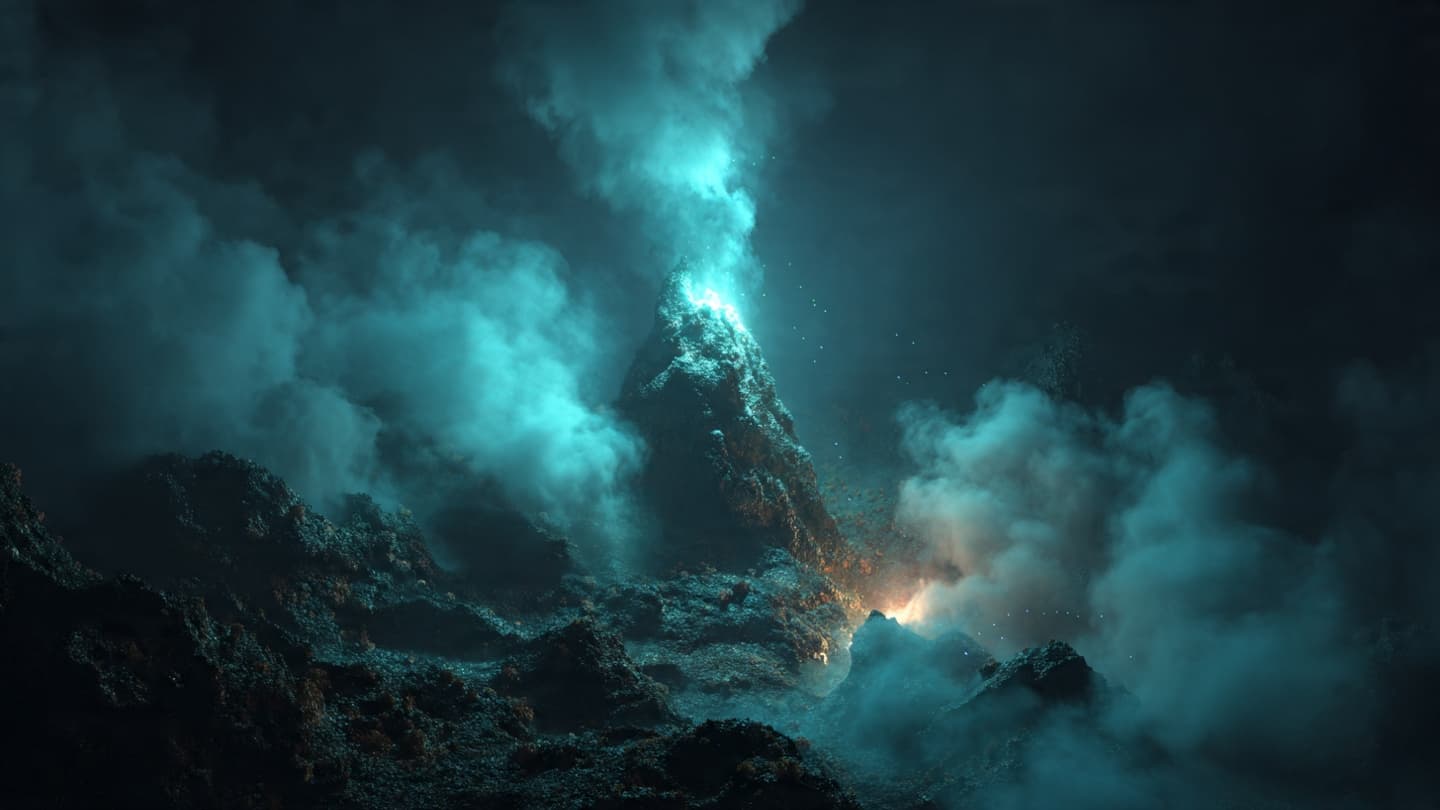
The hypothesis points to hydrothermal vents as possible cradles of early life, where mineral-rich water and extreme heat created conditions suitable for primitive biochemical reactions.
These environments, located on the ocean floor, provide chemical gradients that could have supported the formation of simple organic compounds.
Researchers studying early Earth conditions suggest that such settings offer stability and energy sources necessary for the development of self-replicating molecules.
Fossil and geochemical evidence from ancient rock formations continues to support the idea that microbial life may have existed in deep marine environments billions of years ago.
This perspective shifts earlier assumptions that life began in shallow pools or surface-level environments exposed to sunlight.
Instead, it suggests that life may have originated in darkness, relying not on photosynthesis but on chemical energy from Earth’s interior.
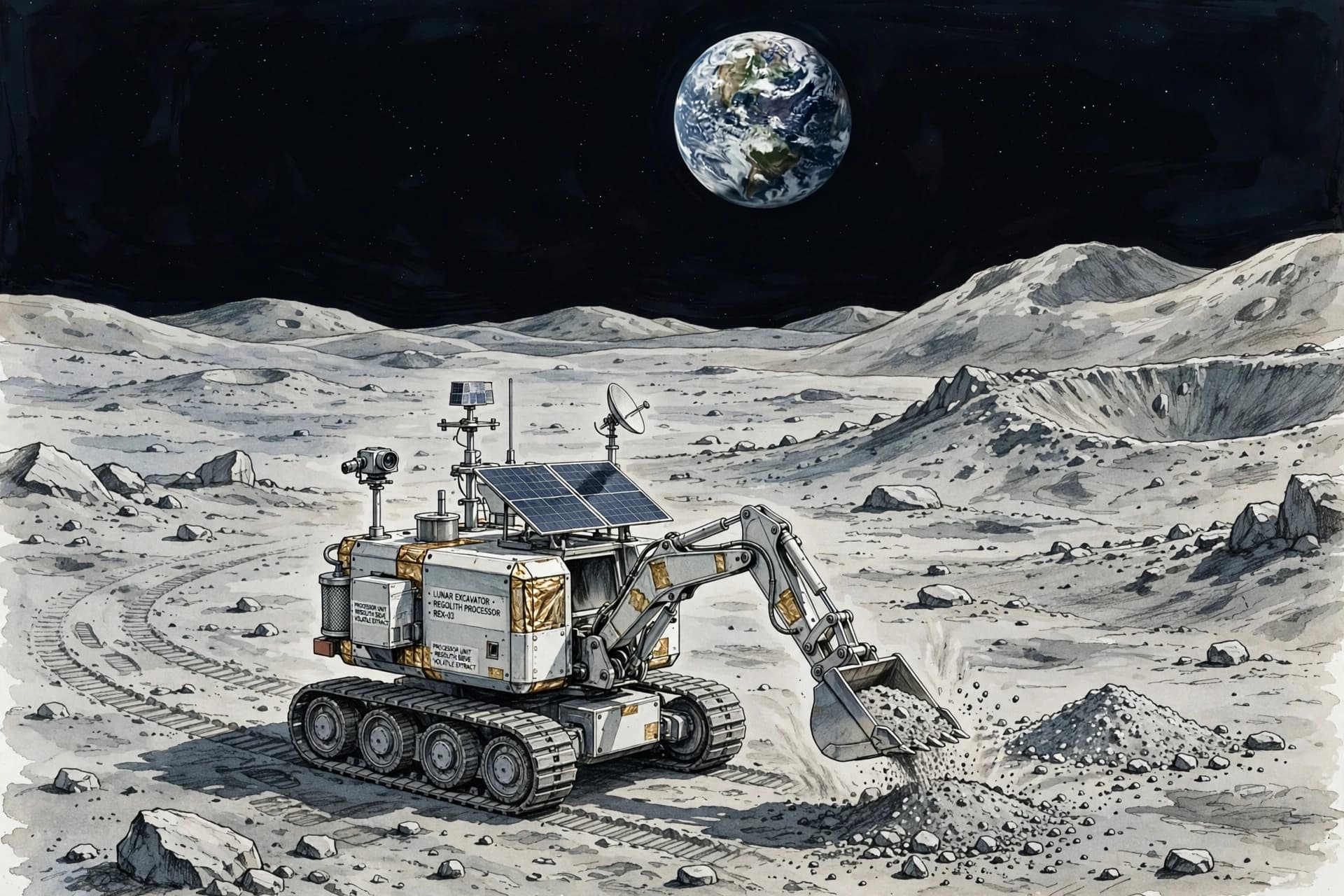
The implications extend beyond Earth, as similar environments may exist on icy moons and other planetary bodies.
While the exact origin of life remains one of science’s most enduring questions, the deep ocean continues to stand as one of its strongest candidates.
AI Image Disclaimer: Images in this article are AI-generated conceptual illustrations for educational and editorial visualization.
Sources (source verification check): NASA Astrobiology Institute, Nature Ecology & Evolution, Science Magazine, Woods Hole Oceanographic Institution
Published by Banx Network. This article is part of the Banx decentralized media programme, powered by the BXE token on the XRP Ledger.