SCIENCE94% credibility
A Toothless Predator From the Distant Past Rewrites Reptile Evolution
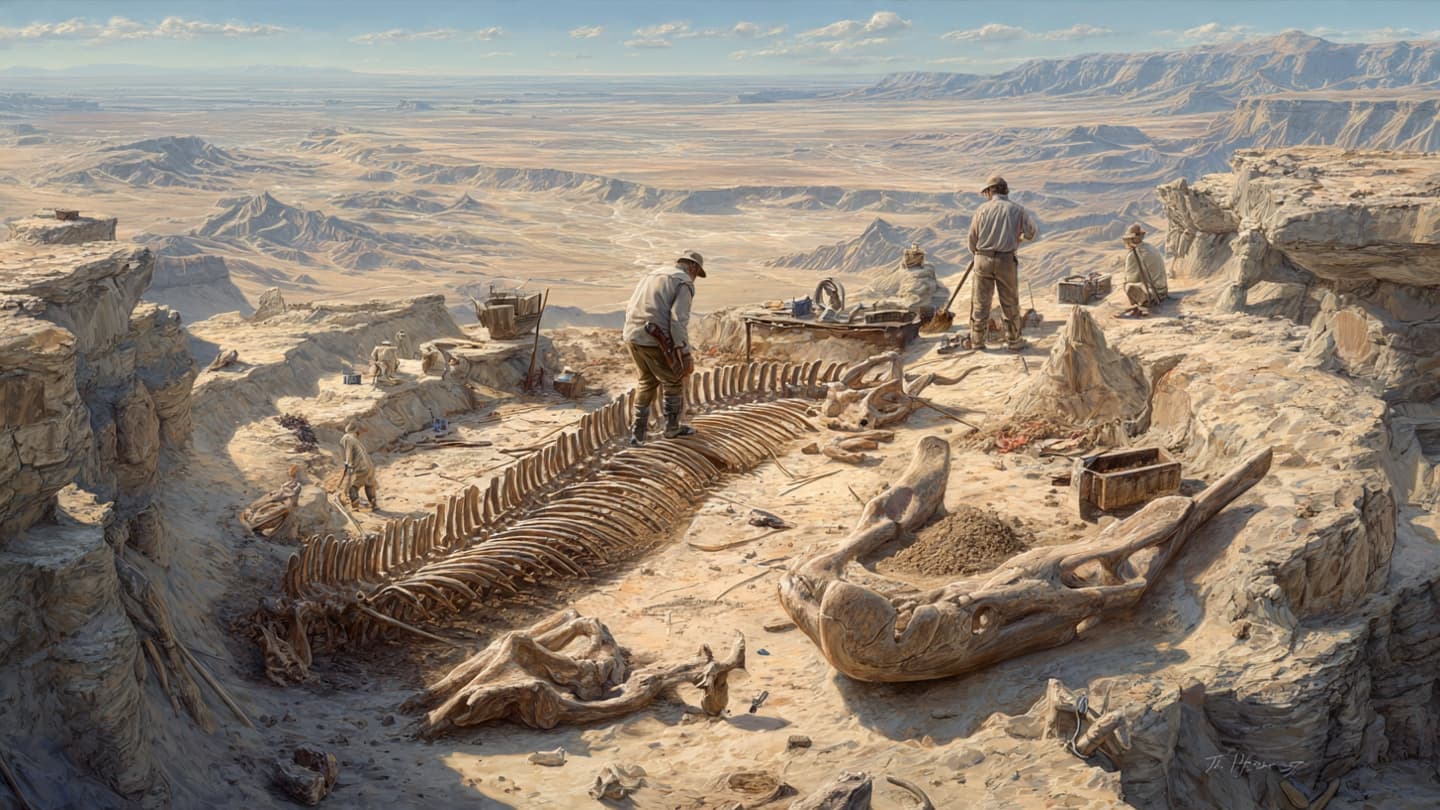
A toothless ancient crocodile relative discovered in New Mexico reshapes understanding of early reptile evolution.
5 min read

A toothless ancient crocodile relative discovered in New Mexico reshapes understanding of early reptile evolution.

SV vzbzbn

Researchers studying a major volcanic eruption found evidence that volcanic atmospheric chemistry may enhance methane removal processes, offering new insights into how one of the planet's most powerful greenhouse gases behaves.

SpaceX continues testing Starship, focusing on refining its massive reusable rocket for future deep-space missions and interplanetary transport.
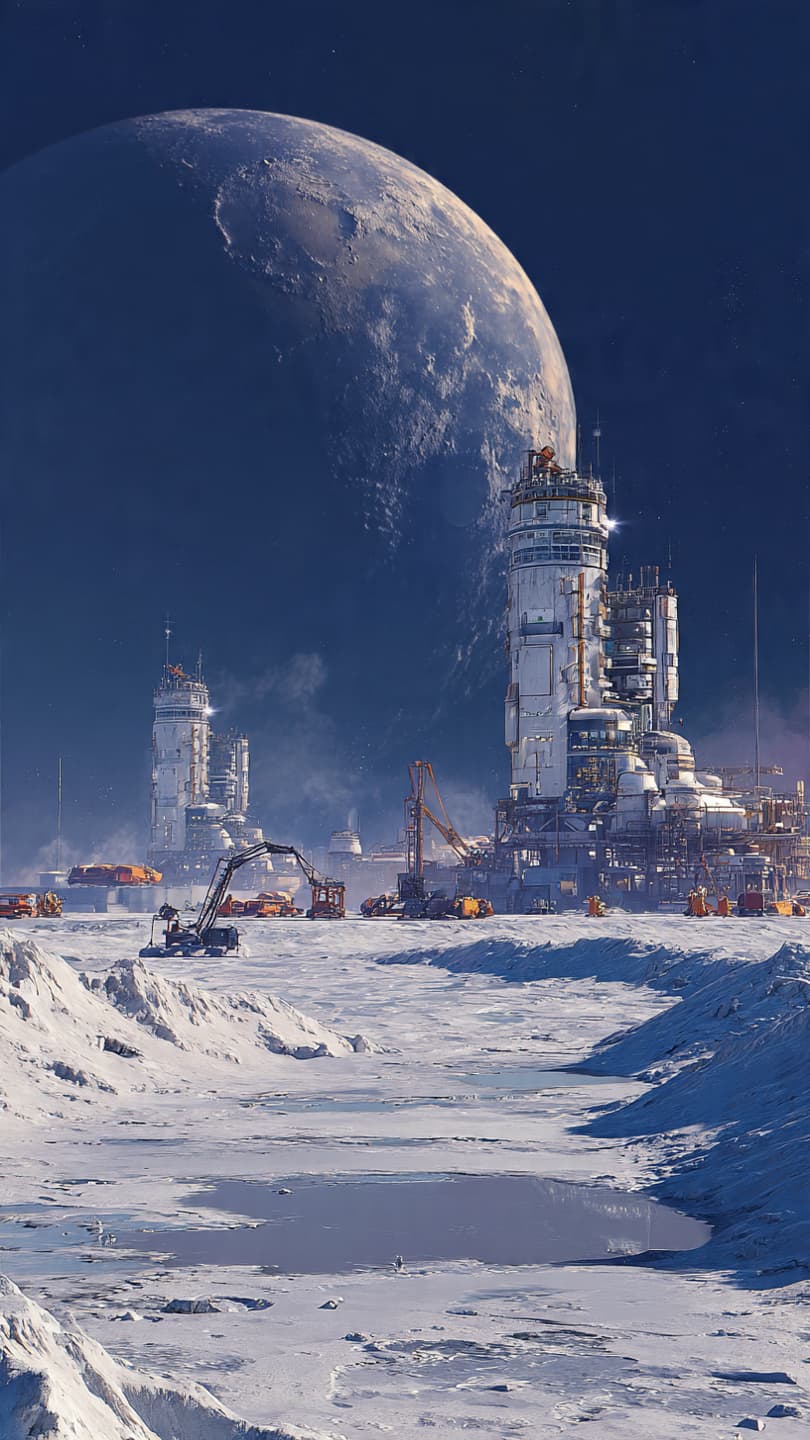
NASA is advancing plans for a sustained lunar base, marking a shift from exploration toward long-term human presence on the Moon.
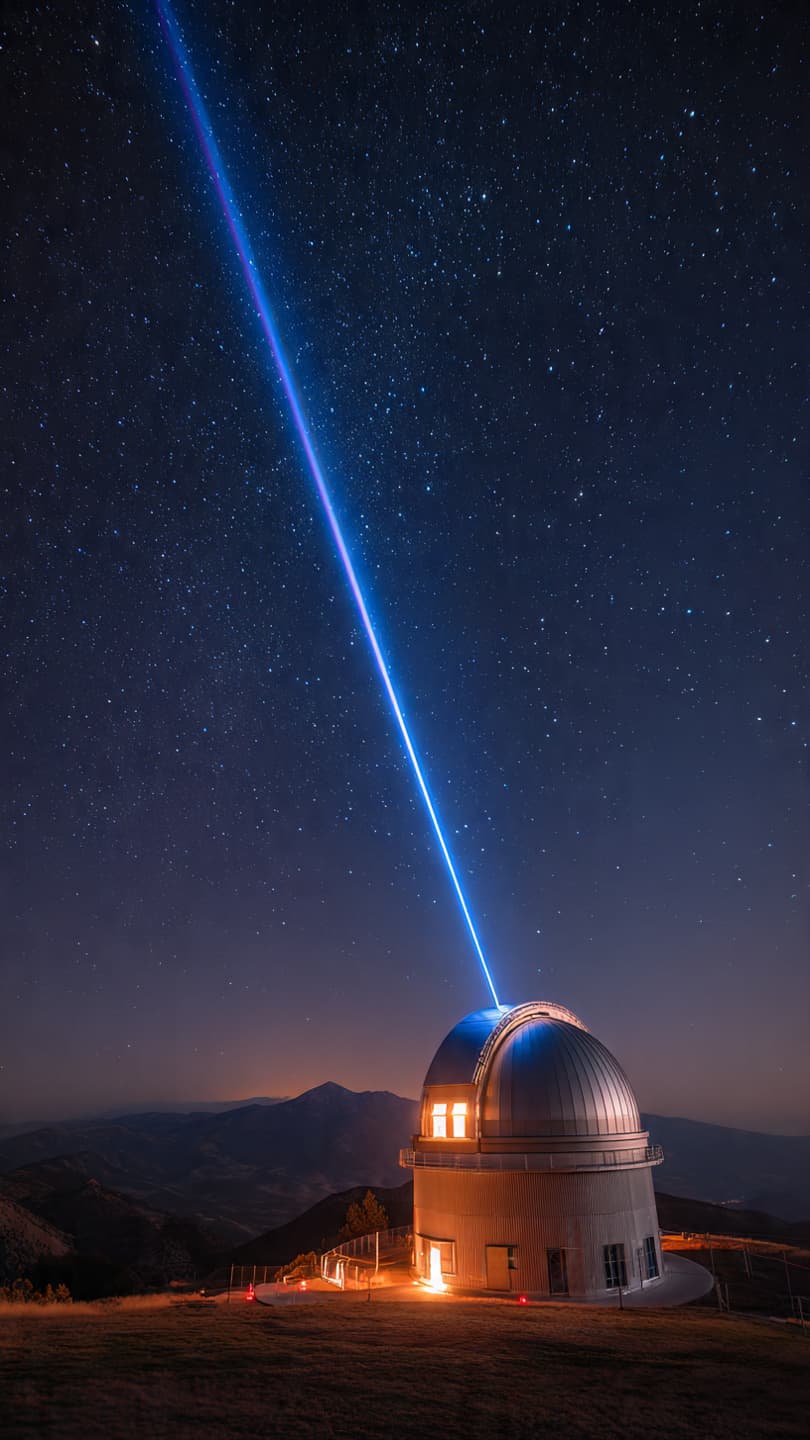
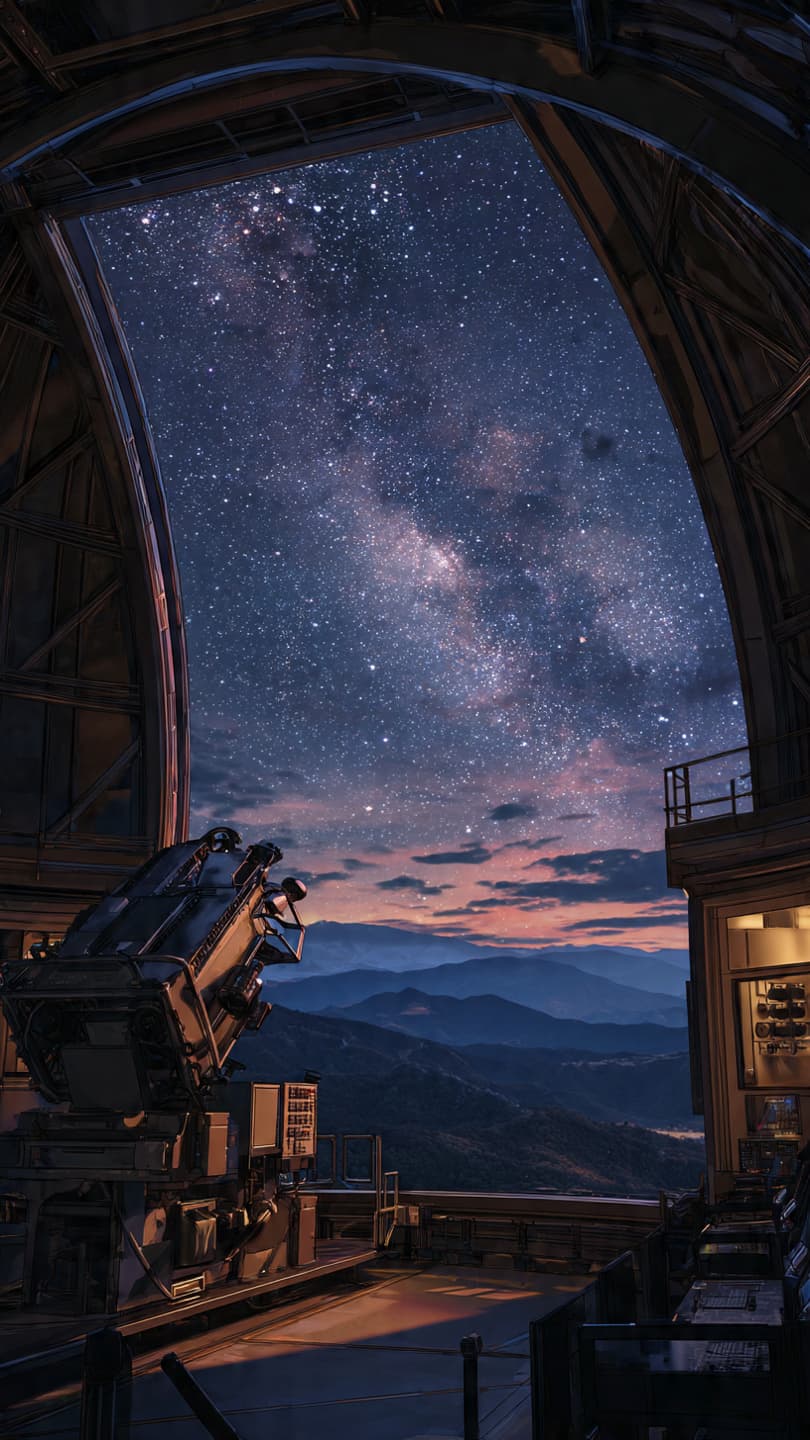
ESO telescopes use laser guide stars to correct atmospheric distortion, improving clarity of deep-space astronomical observations.

AI and quantum computing are being combined in early experiments, showing promising results for solving complex scientific and computational problems.

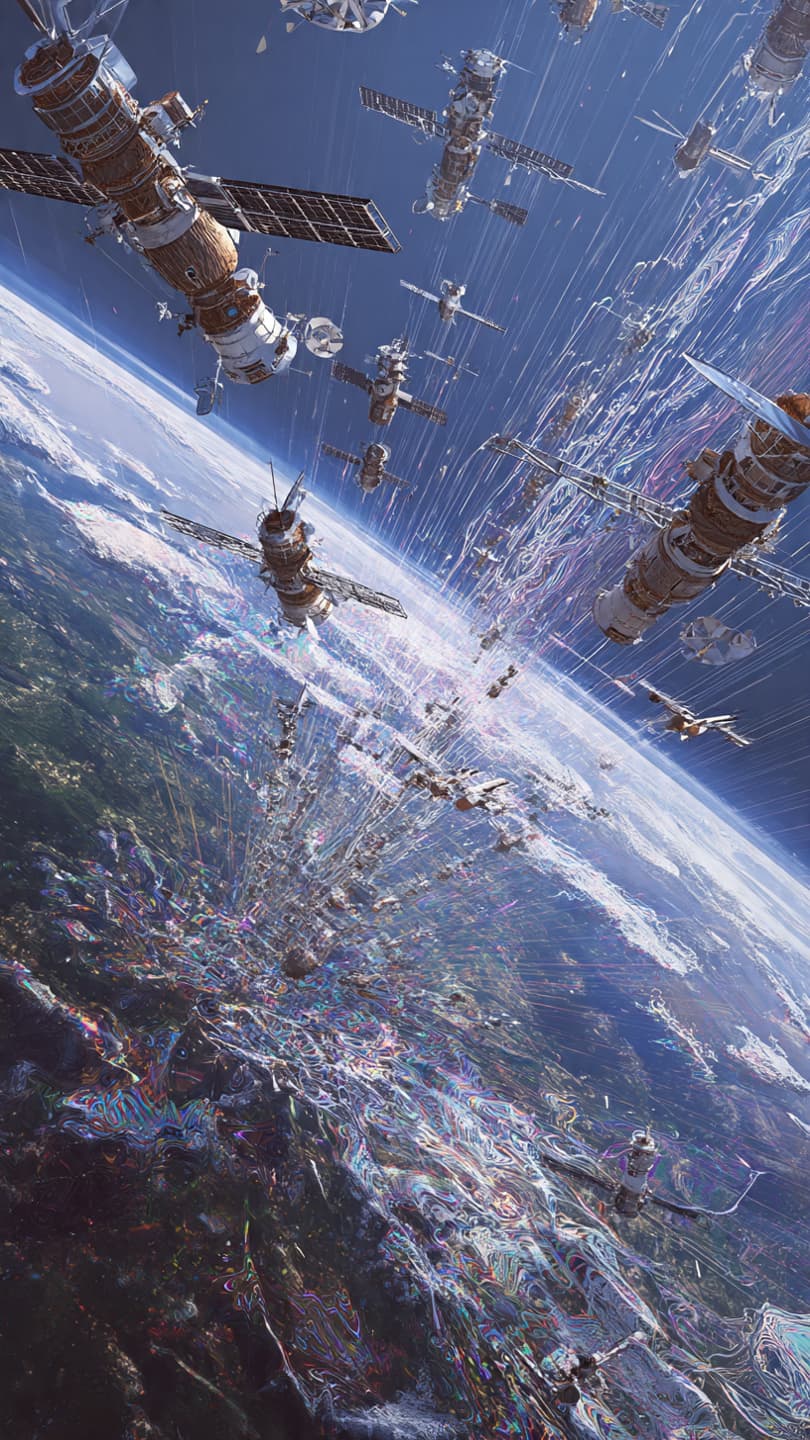
Increased solar activity is affecting Earth’s orbital debris, speeding up atmospheric drag and altering satellite lifespans.

The Antarctic “Doomsday Glacier” is losing mass, raising concerns about long-term sea level rise and climate system changes.

A solar flare disrupted radio communications on Earth, highlighting how space weather can temporarily affect modern technology systems.
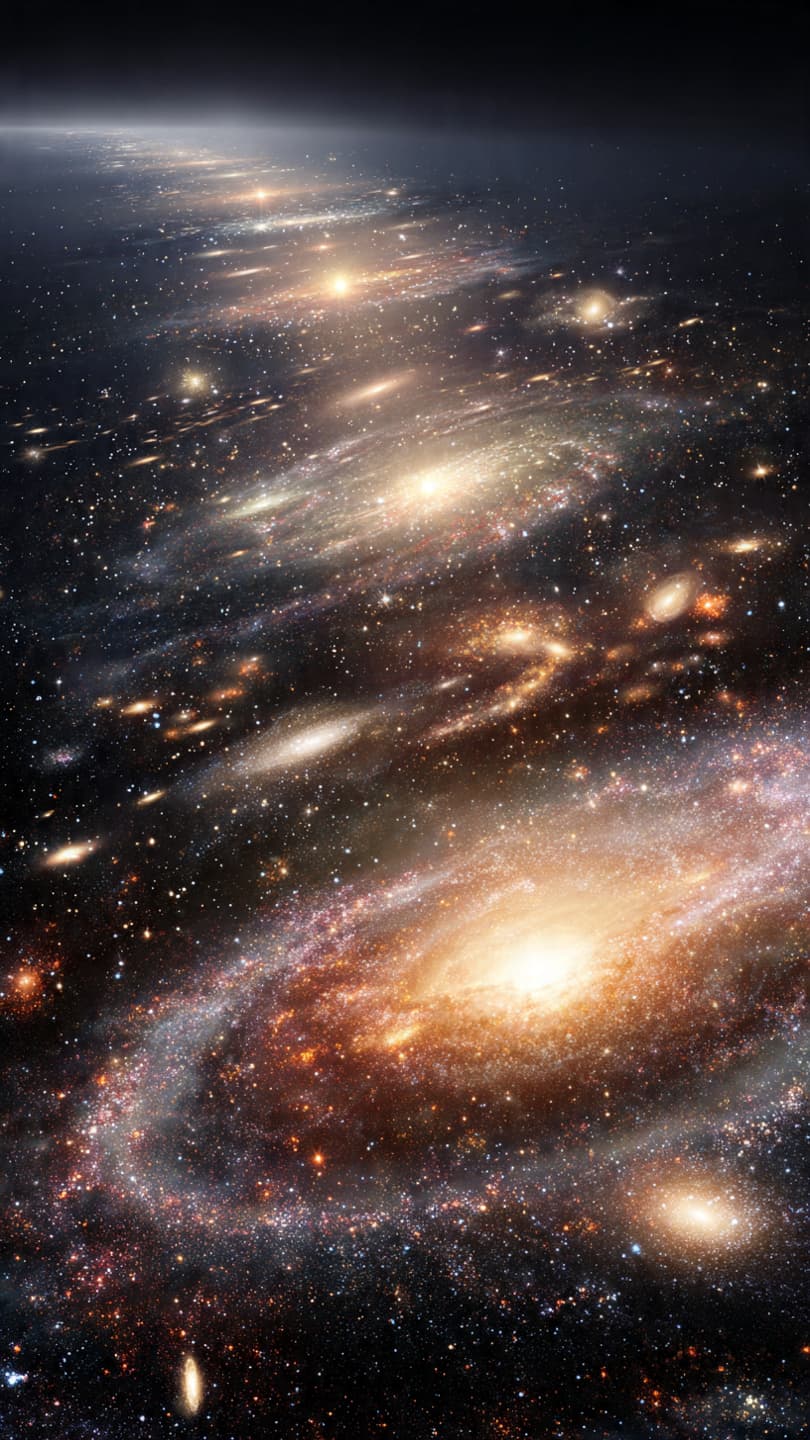
New research explores microbial structures in cattle that influence methane emissions, offering insights for climate and agricultural science.
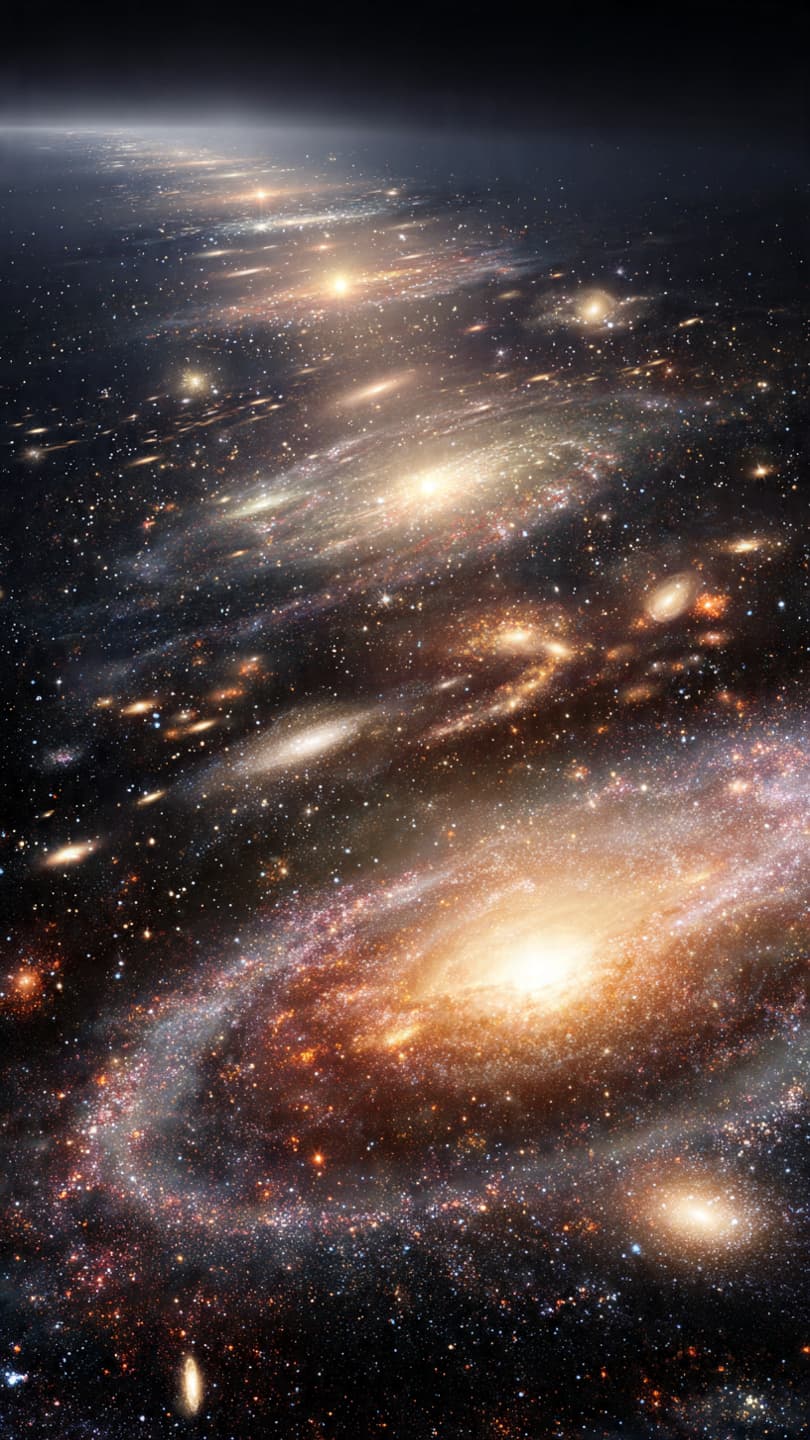
The 2026 Breakthrough Prize recognizes major achievements in physics, math, and life sciences, highlighting global scientific collaboration.
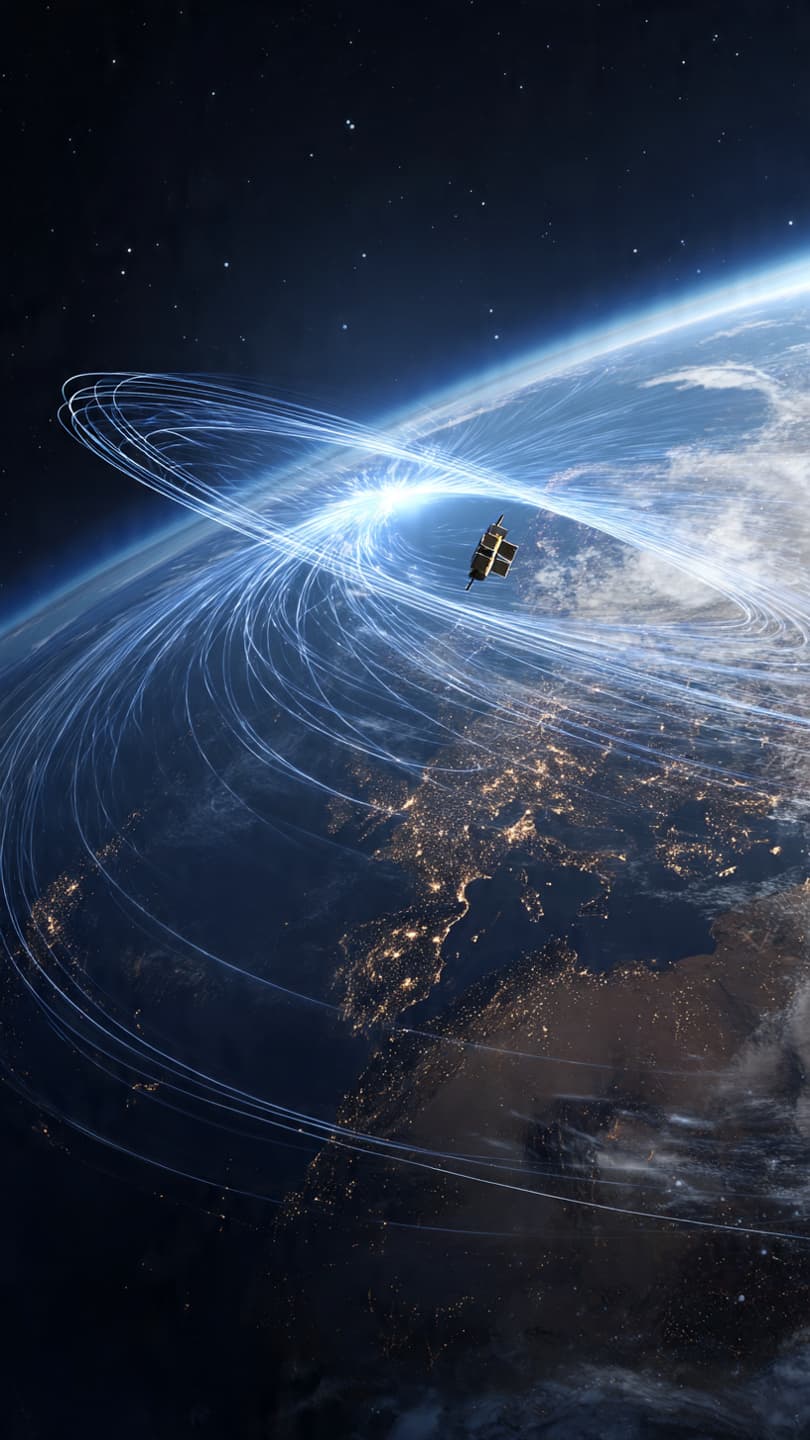
A small quantum device has been used to map Earth’s magnetic field with high precision, advancing next-generation Earth observation technology.
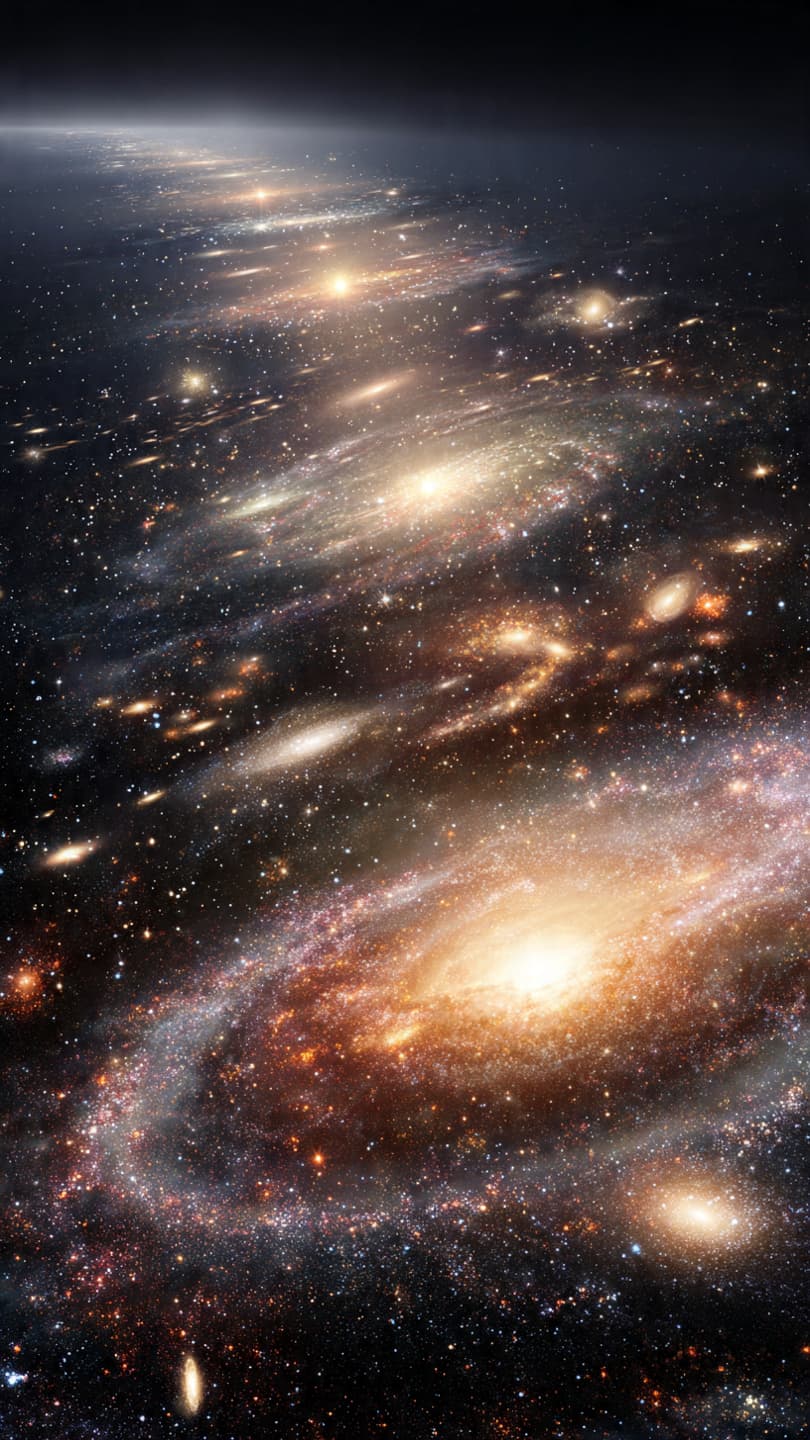
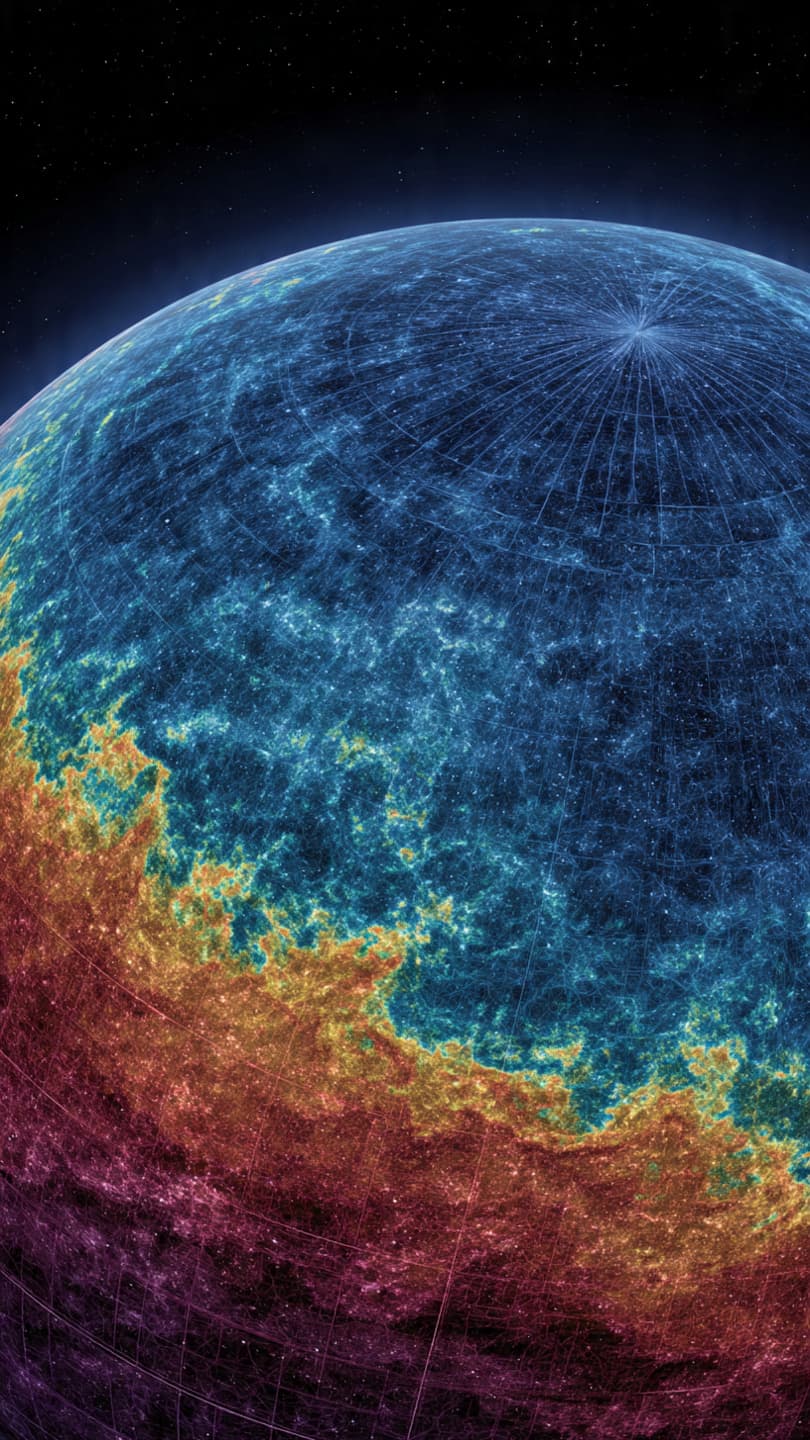
New measurements suggest the universe may be expanding faster than predicted, reinforcing the ongoing “Hubble tension” in cosmology.
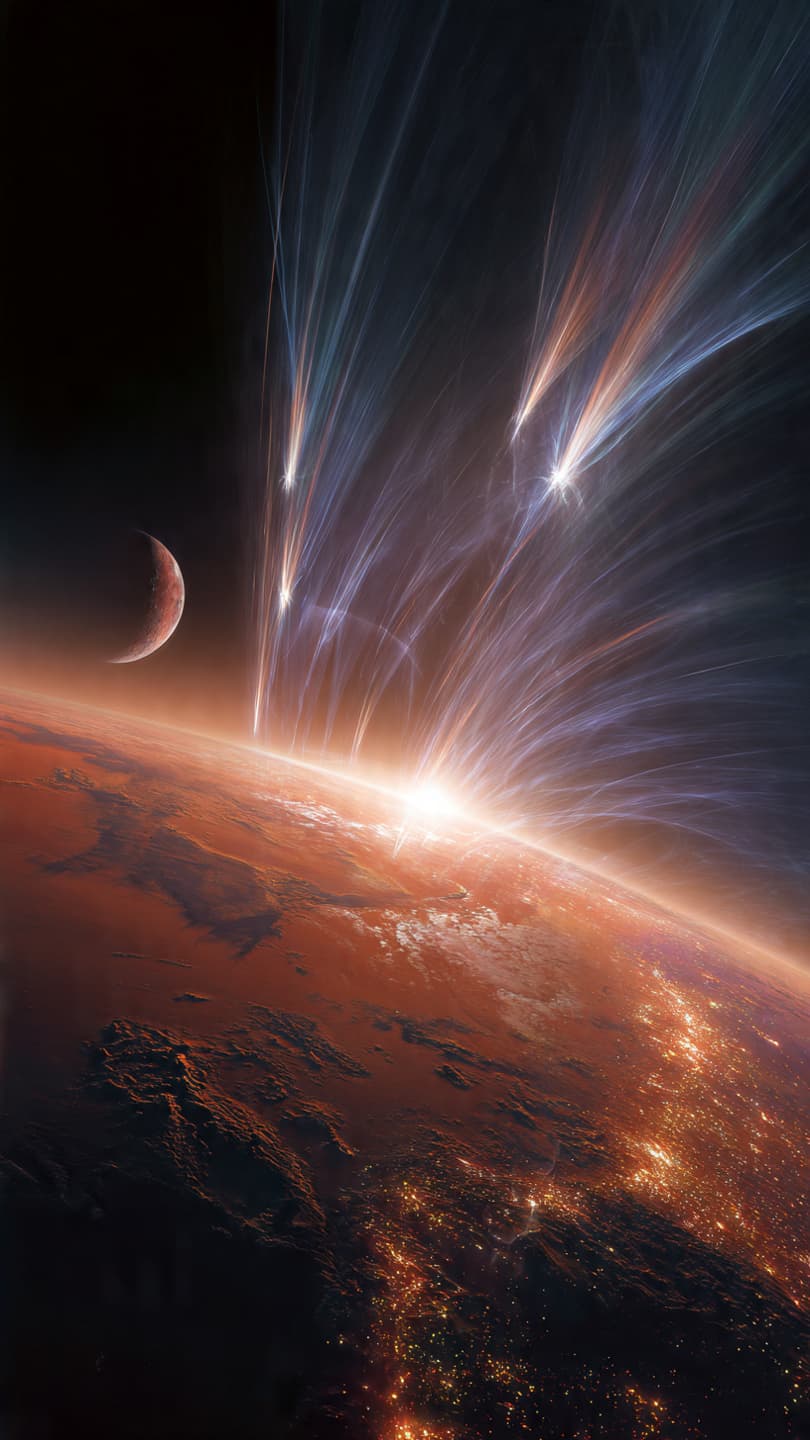
Scientists detected unusual atmospheric behavior on Mars involving charged particles and solar wind interactions, challenging existing models.

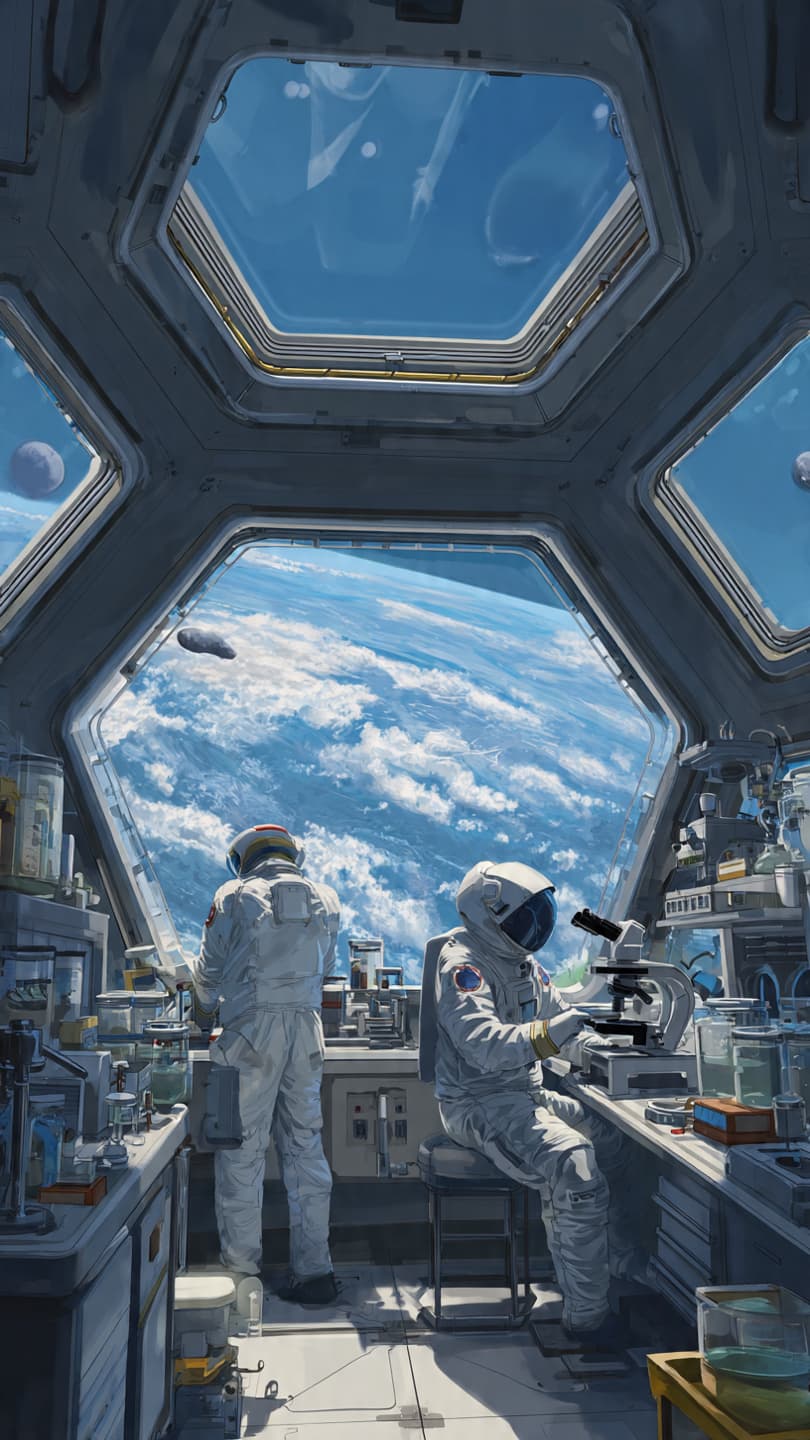
Artificial human embryos were reportedly studied in space to understand how early biological development responds to microgravity conditions.
China reportedly studies embryo-like biological structures in space to understand early development under microgravity.
China launches a one-year astronaut mission aboard Tiangong to study long-term human adaptation in space.
NASA selects Blue Origin for a key lunar mission, marking a new step in public-private collaboration for Moon exploration.
Different measurements suggest the universe may be expanding faster than expected, reinforcing the ongoing Hubble tension debate.
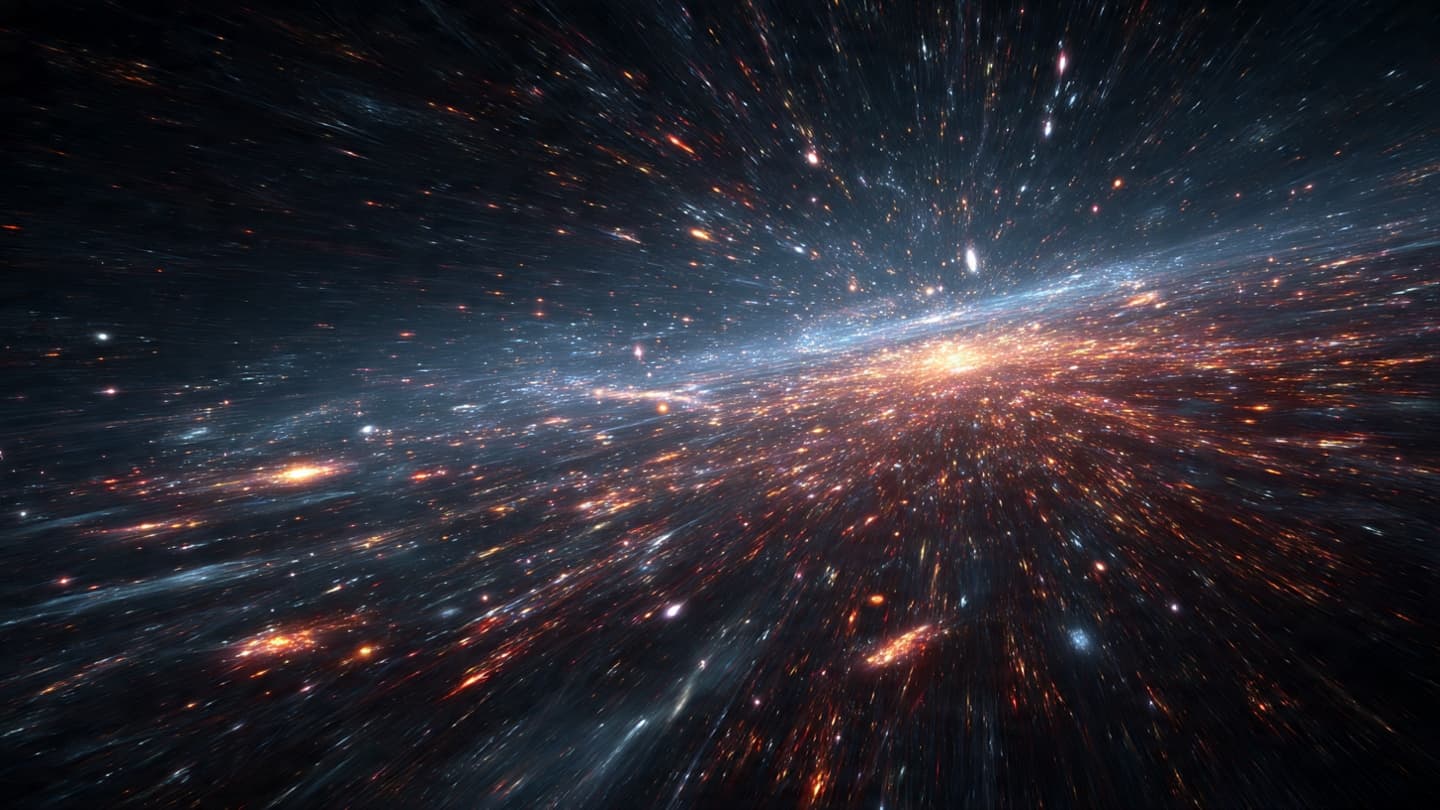
Cosmologists report ongoing differences in measurements of the universe’s expansion rate, known as Hubble tension.
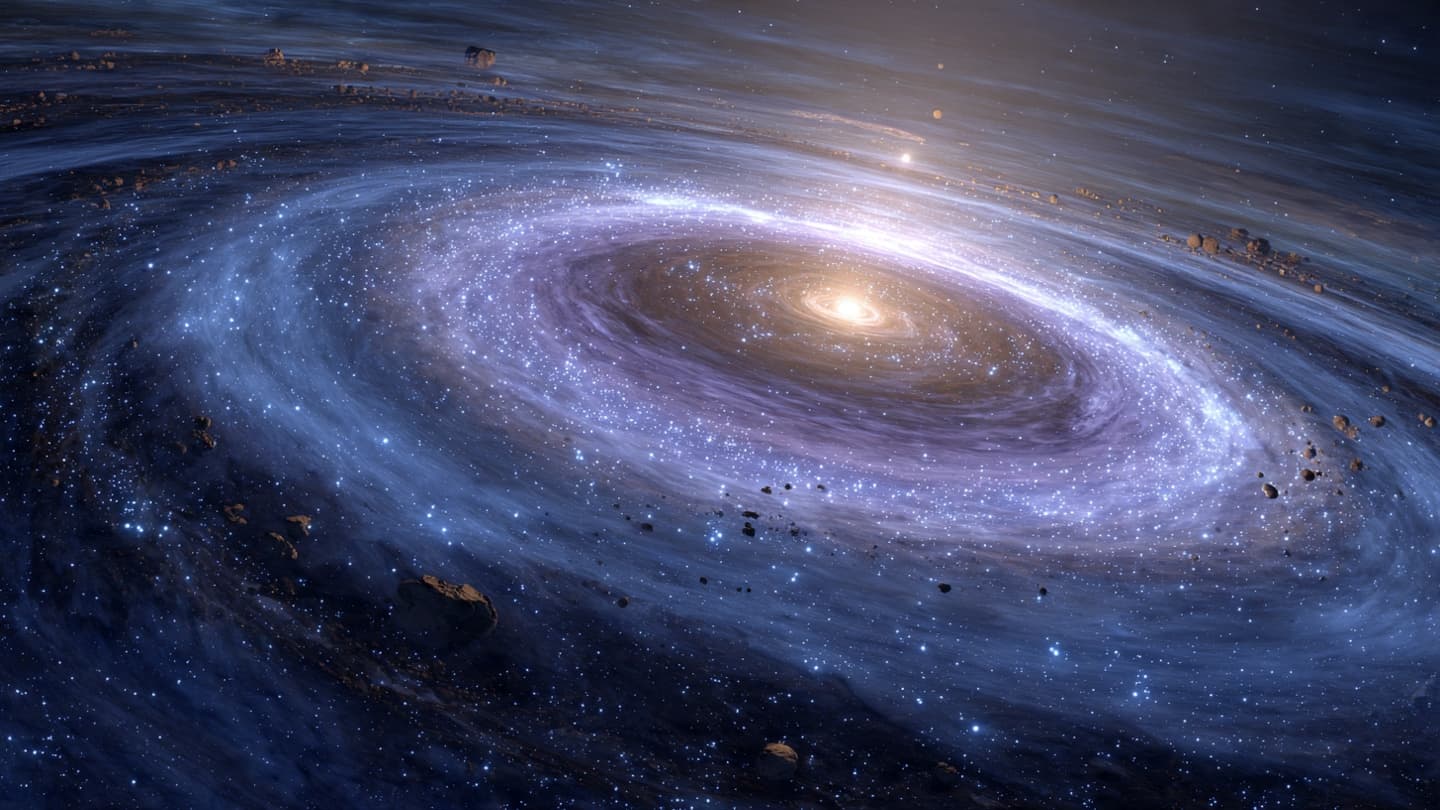
Astronomers found active planet-forming regions in a protoplanetary disk, offering insight into how planetary systems develop.
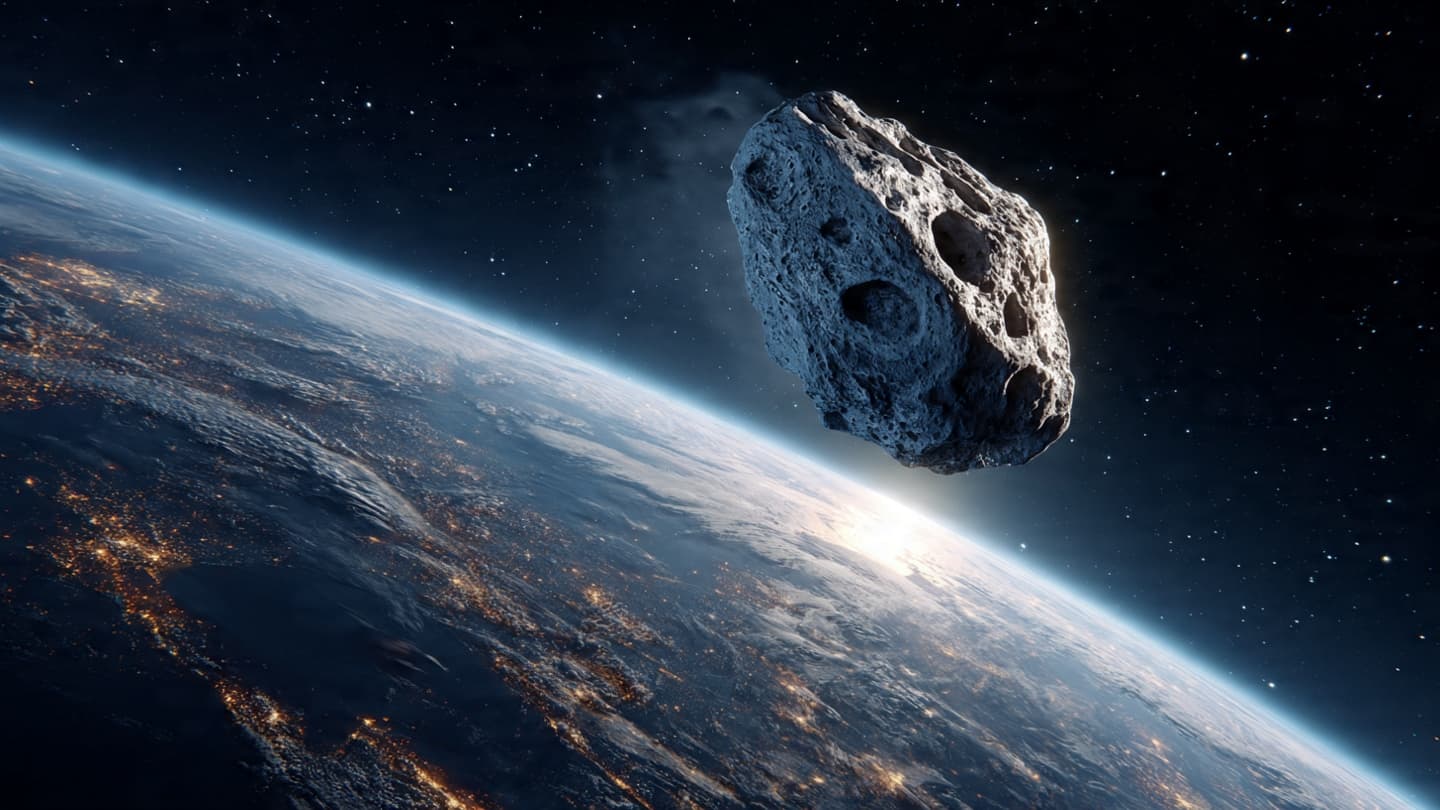
Asteroid 2026 HW2 safely passed near Earth, with no impact risk confirmed by global monitoring systems.
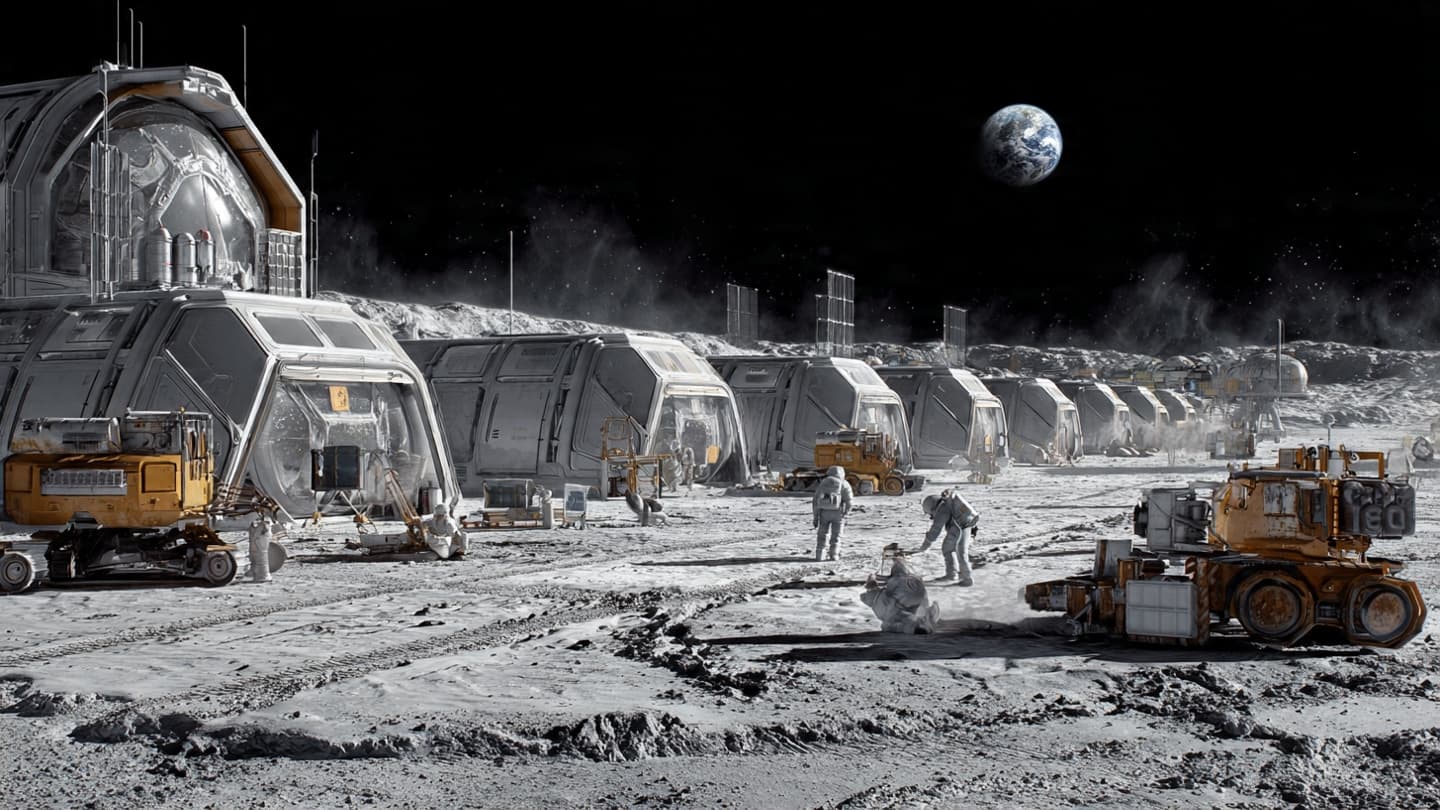
NASA accelerates plans for a permanent Moon base, focusing on long-term human presence and infrastructure development.