SCIENCE97% credibility
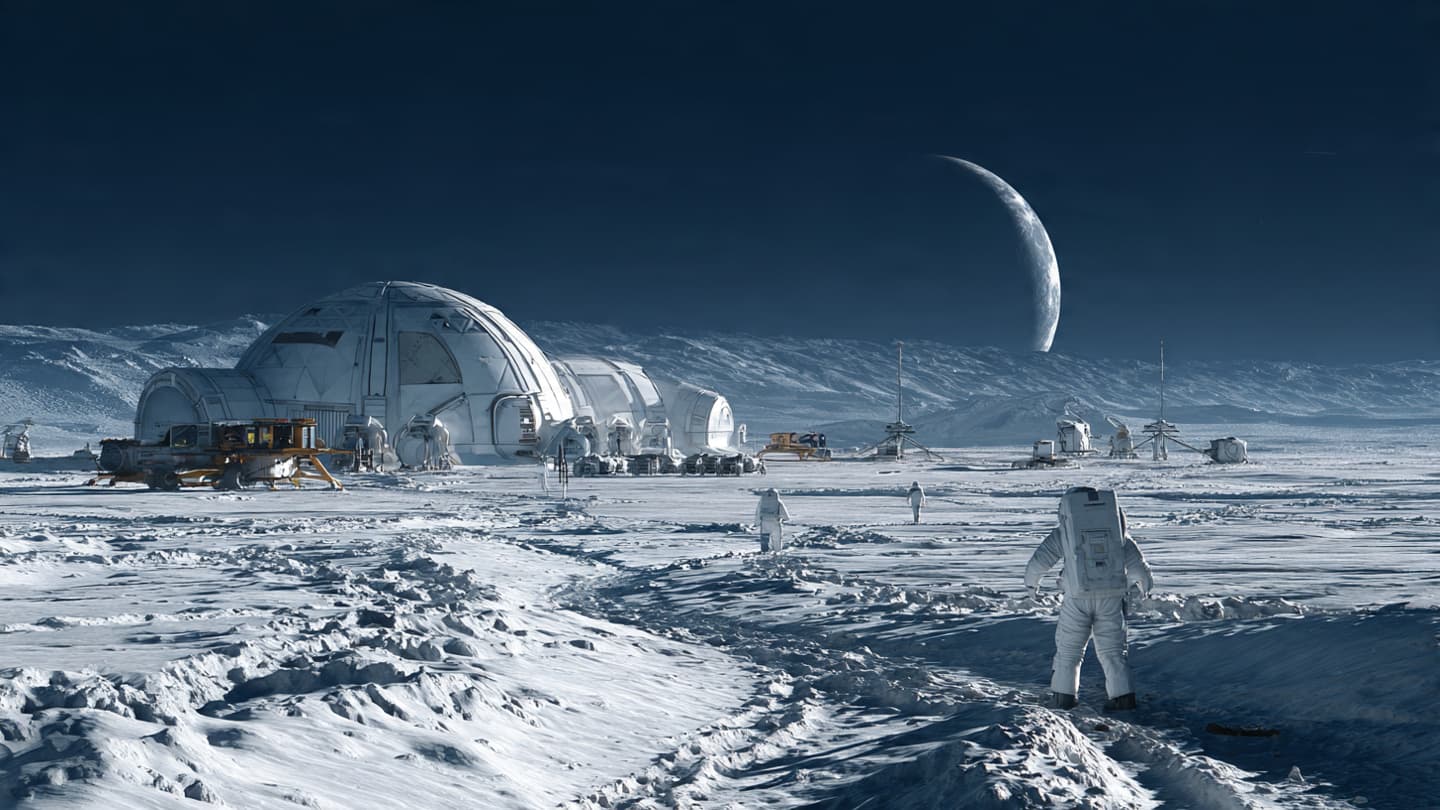
The Moon Shifts From Destination to Future Home
NASA unveiled a three-phase strategy for establishing a permanent Moon base, supporting long-term exploration and future missions to Mars.
5 min read

NASA unveiled a three-phase strategy for establishing a permanent Moon base, supporting long-term exploration and future missions to Mars.

Astronomers reported the strongest evidence yet for a magnetic field on an exoplanet, a key factor in planetary habitability studies.
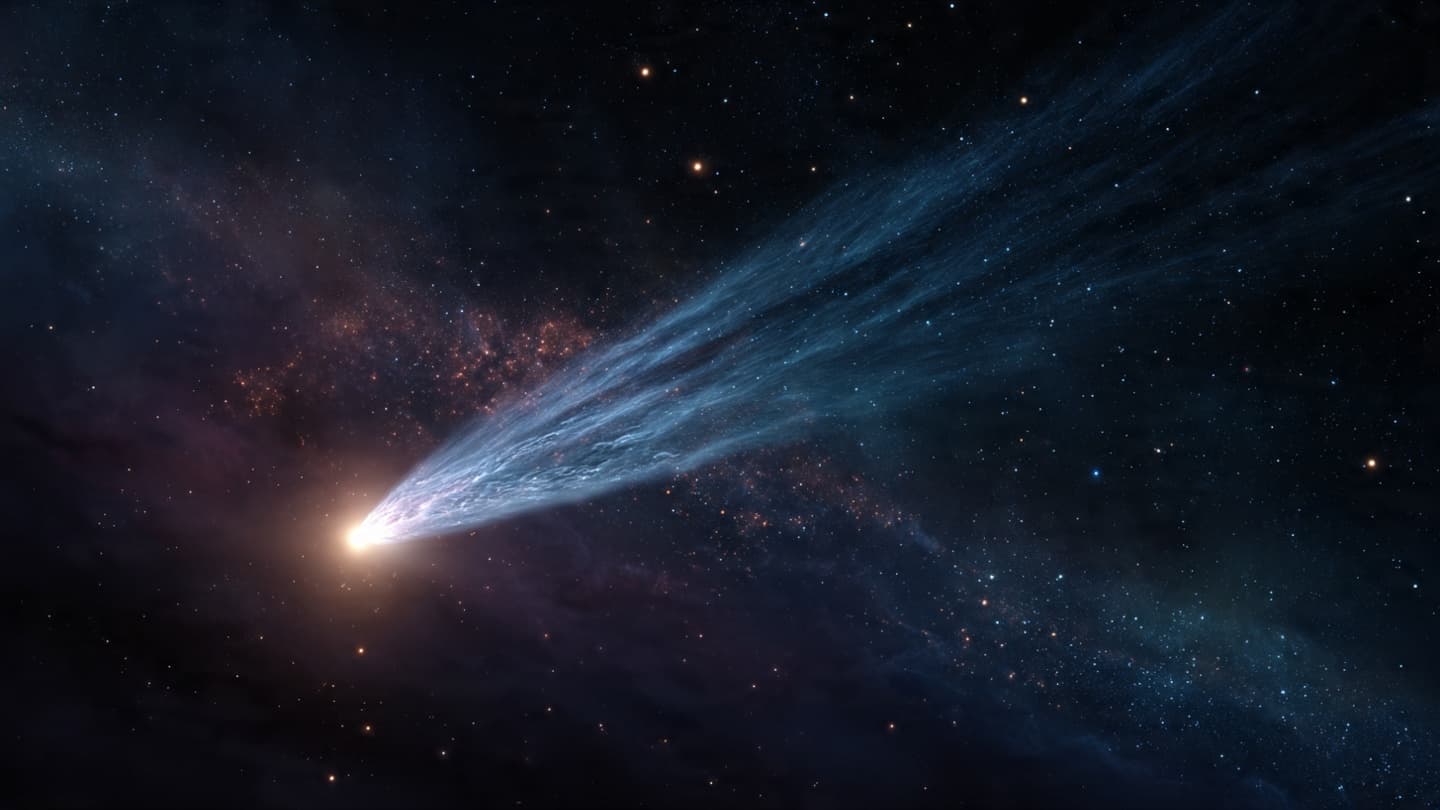
The James Webb Space Telescope detected methane on interstellar comet 3I/ATLAS, providing new clues about material from another star system.
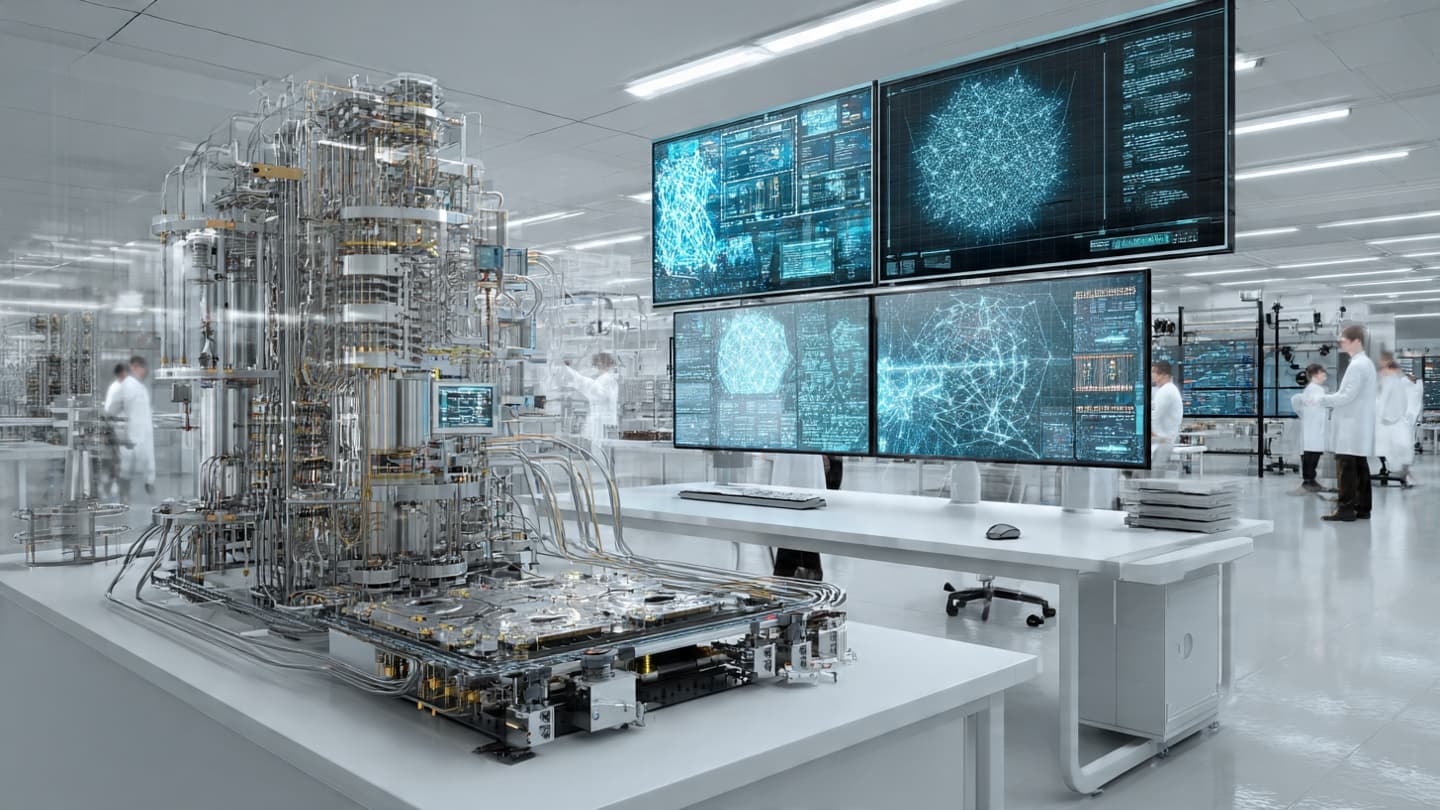
Researchers demonstrated a hybrid AI-quantum computing system, highlighting new possibilities for solving complex scientific problems.

Researchers warn that Thwaites Glacier could experience significant ice loss, highlighting concerns about long-term sea-level rise.
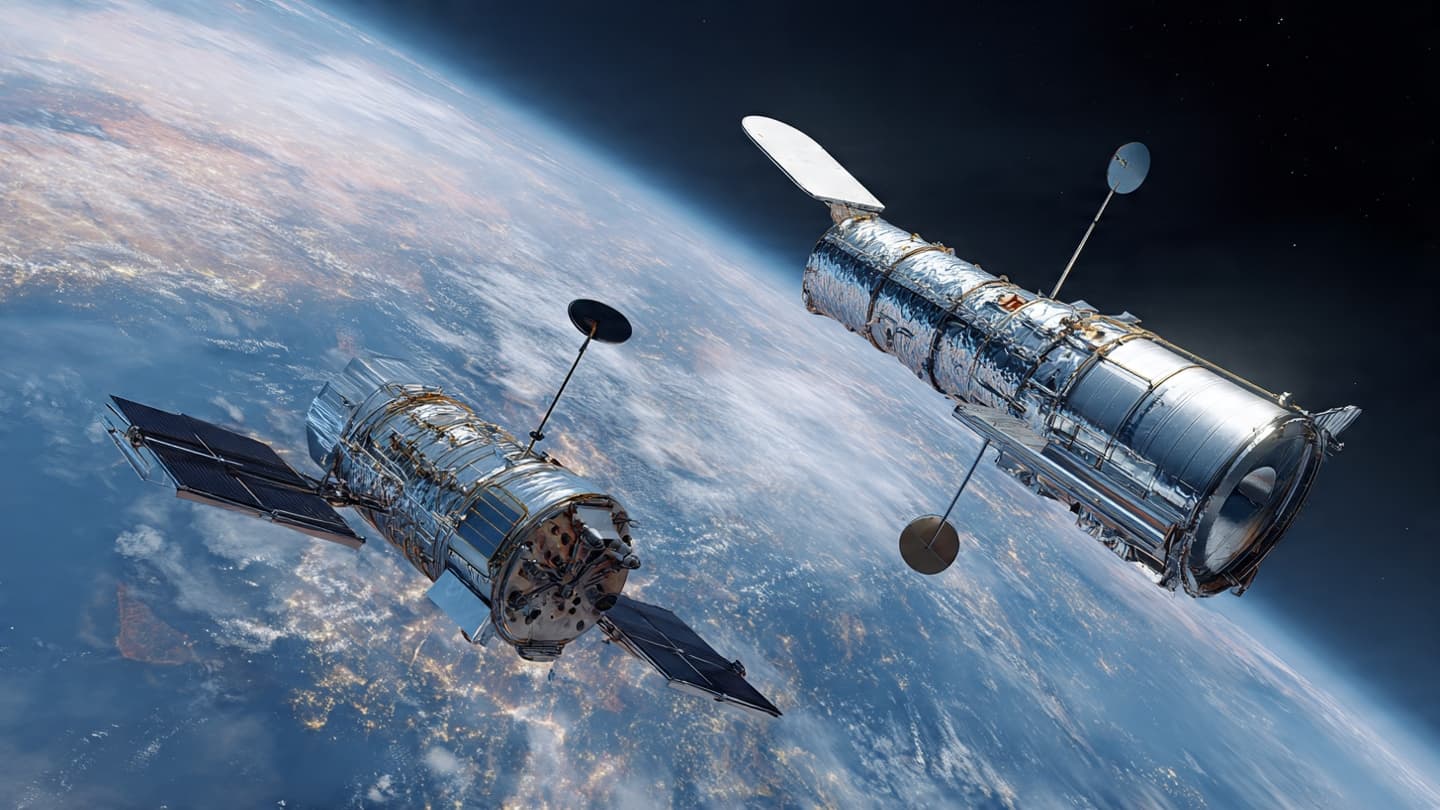
NASA and Katalyst Space Technologies are planning a mission to extend the operational life of the Swift Space Telescope.
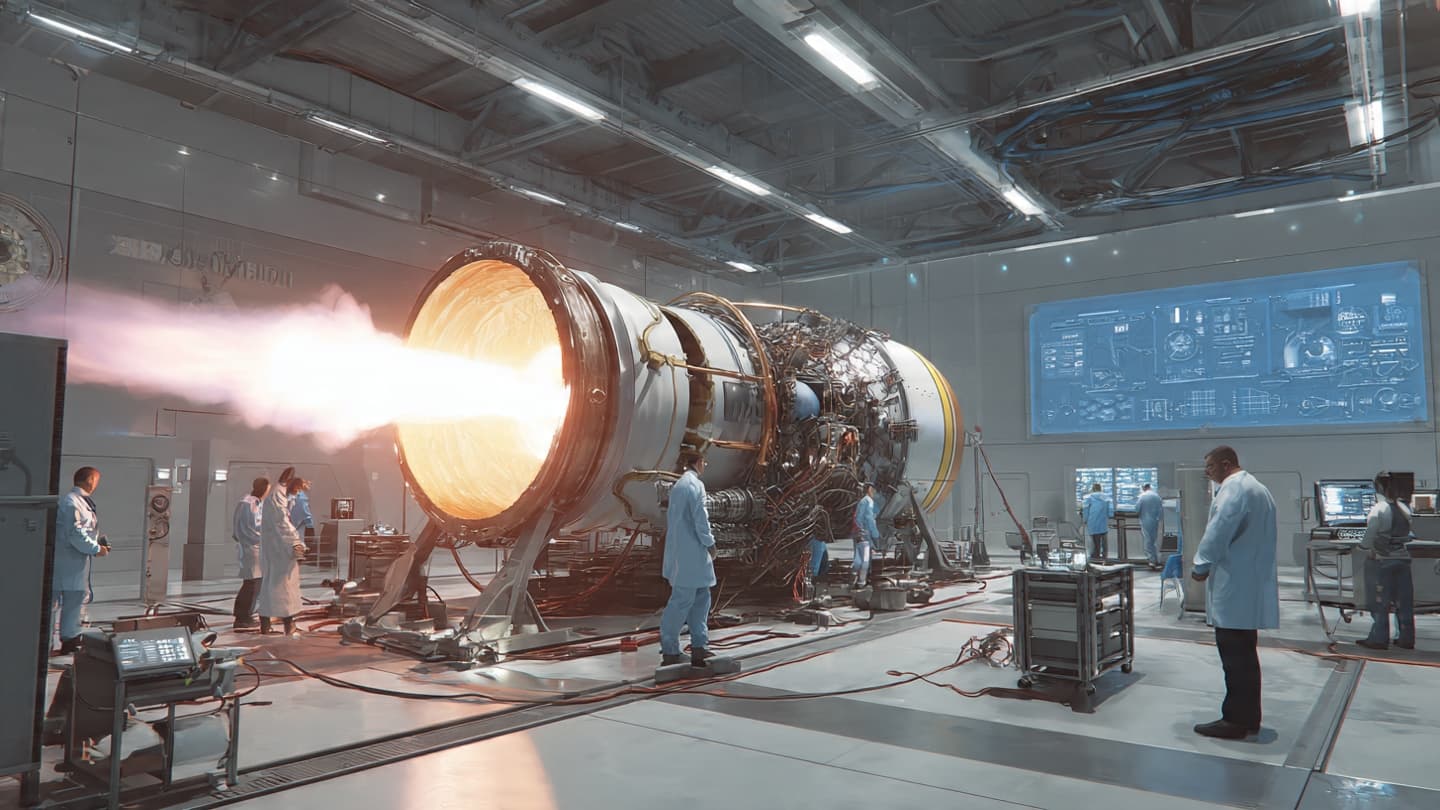
NASA successfully tested advanced thruster technology that could support faster and more efficient future missions to Mars.

A meteor captured on camera exploded high in Earth's atmosphere, producing a bright fireball and a sonic boom. NASA estimates the event released energy equivalent to roughly 300 tons of TNT before disintegrating above the northeastern United States.

Thwaites Glacier shows signs of instability, raising concerns about future sea level rise and highlighting Antarctic climate sensitivity.

UN climate outlook warns 2026–2030 may be the hottest period ever recorded, driven by ongoing global warming trends.

A new crystal structure shows combined metallic and glass-like properties, challenging traditional material classification and opening new tech possibilities.

Quantum experiments show time-related anomalies often described as “negative time,” reflecting complex particle behavior rather than literal time reversal.
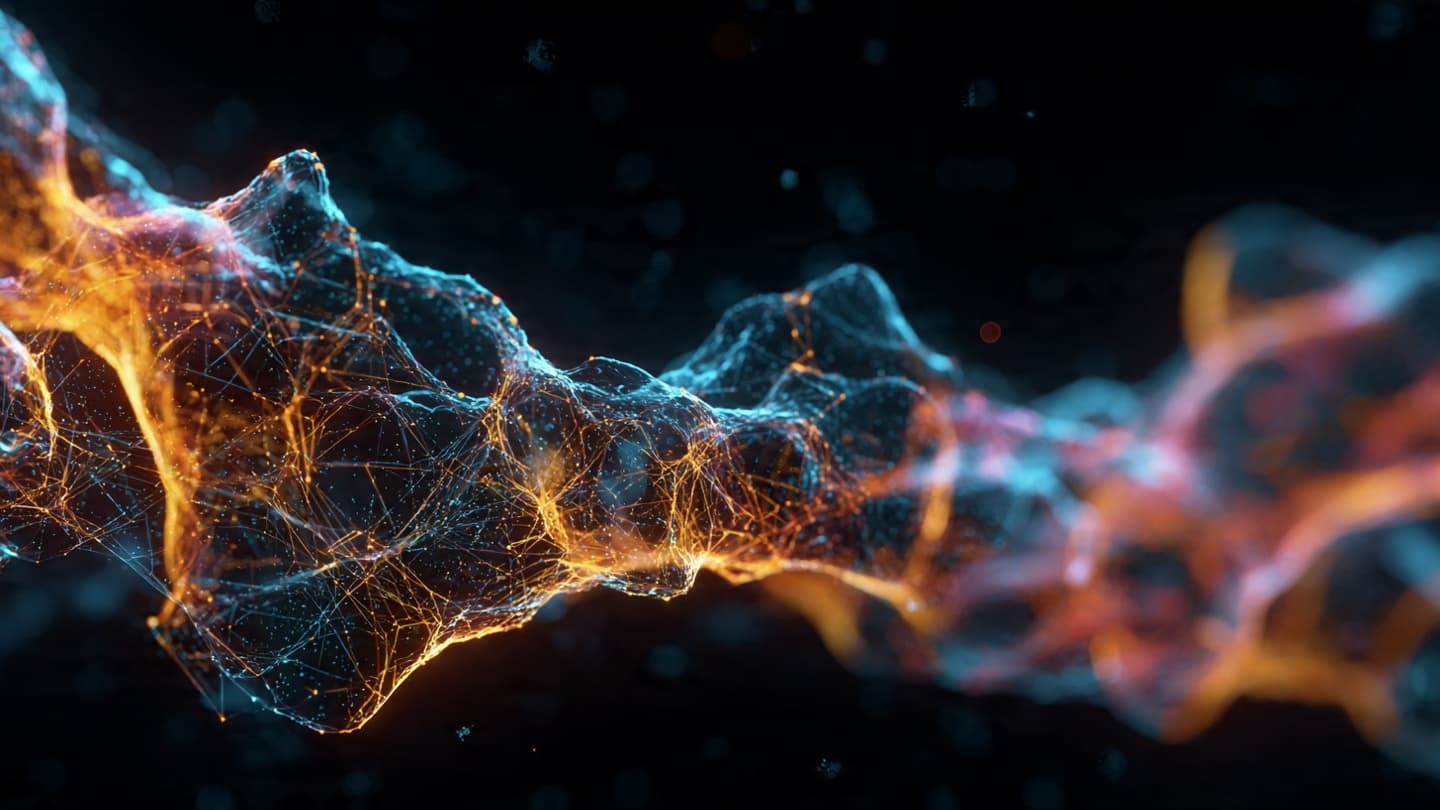
AI models have mapped around 1 billion protein structures, accelerating biological research and transforming drug discovery approaches.

Research suggests certain internal organs and immune markers may help predict biological aging and improve understanding of human lifespan.
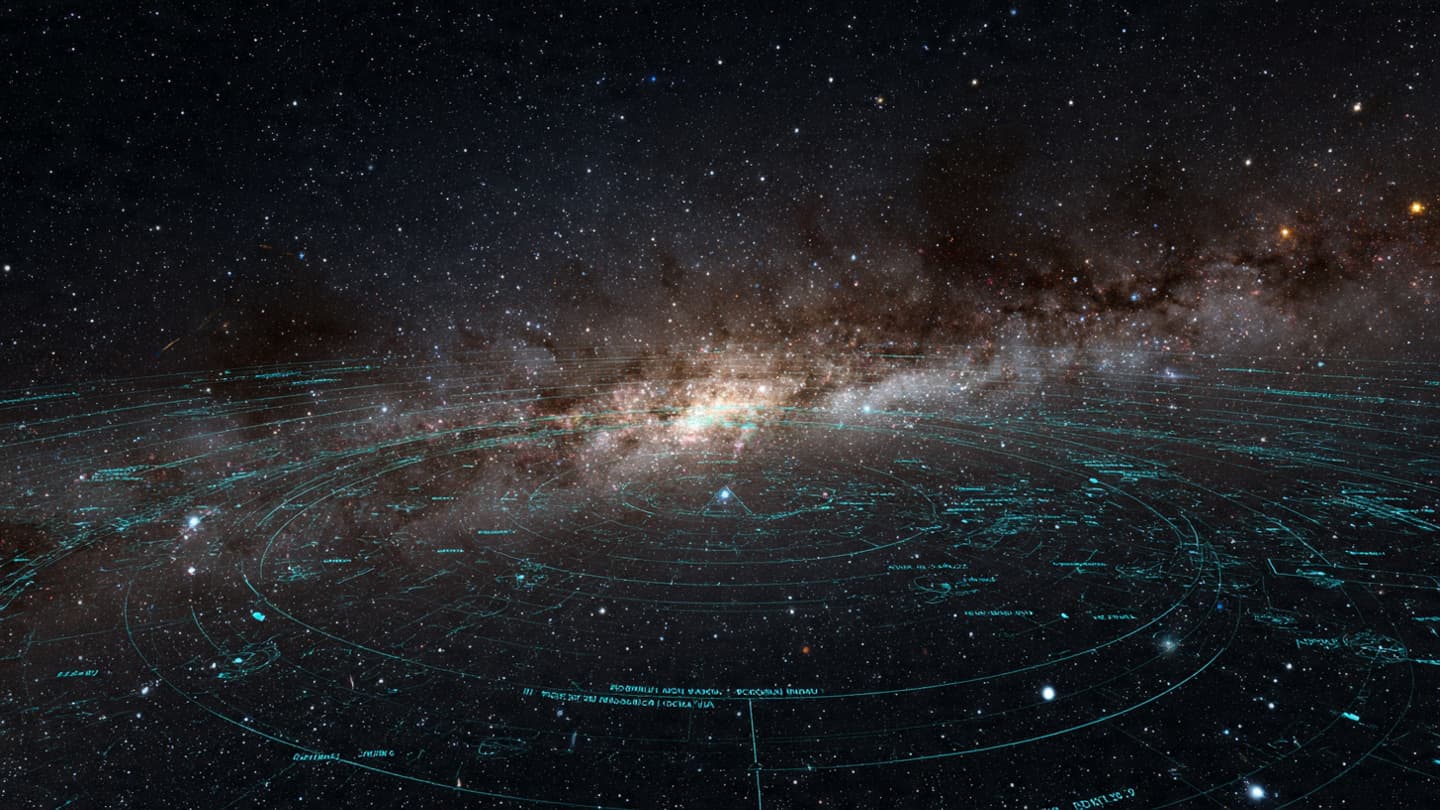
NASA’s Roman Space Telescope may discover tens of thousands of exoplanets, expanding understanding of planetary systems and cosmic structure.
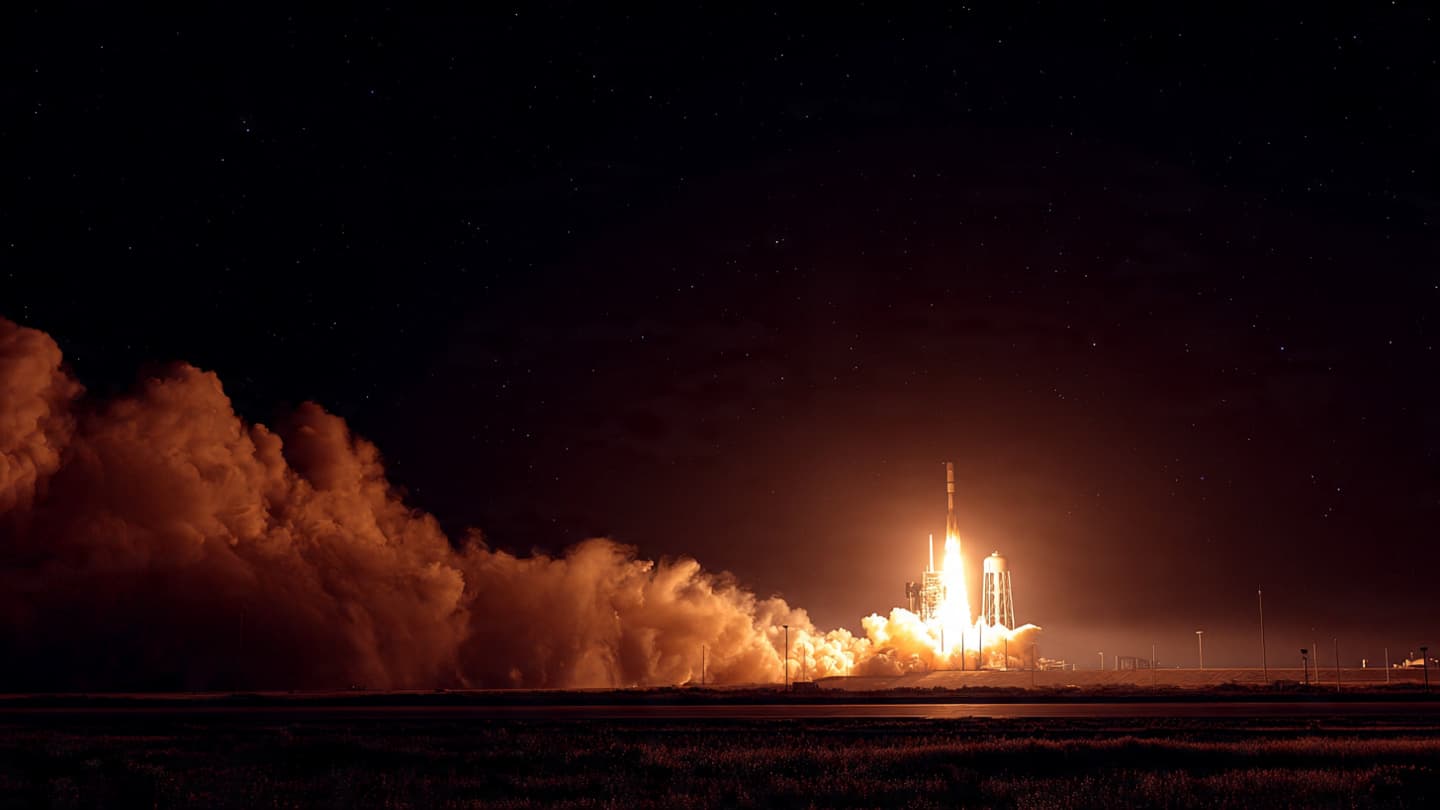
A Starship test explosion highlights the risks and iterative nature of SpaceX’s deep-space development program and aerospace innovation.

Thwaites Glacier shows increasing instability, raising concerns about long-term sea level rise and Antarctic ice system changes.

Climate studies suggest exceeding 1.5°C warming is increasingly likely, highlighting urgent need for mitigation and adaptation strategies.
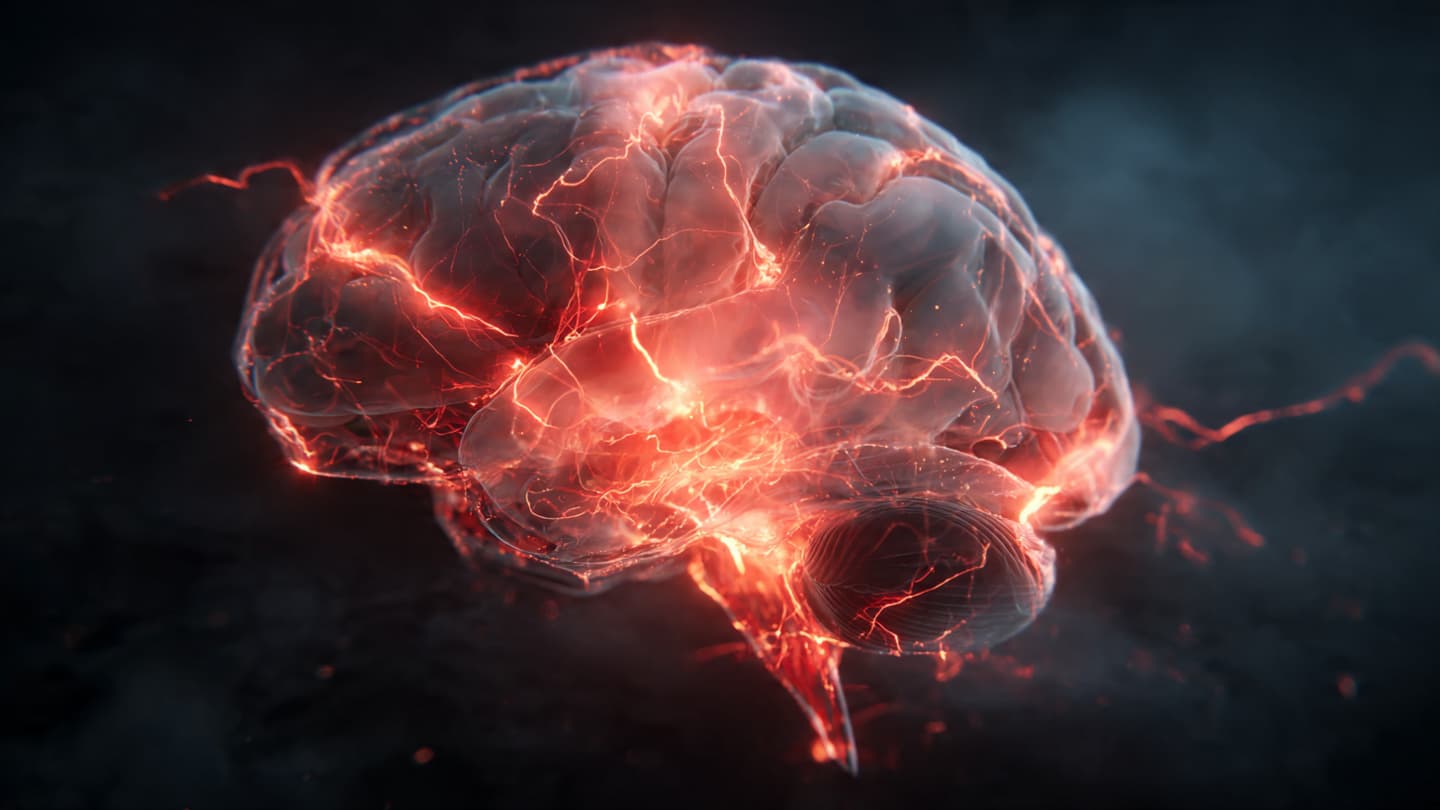
New research shows brain inflammation may actively drive Alzheimer’s progression, opening new pathways for treatment strategies.

Earth’s climate systems are shifting toward more extreme weather patterns driven by long-term global warming trends.
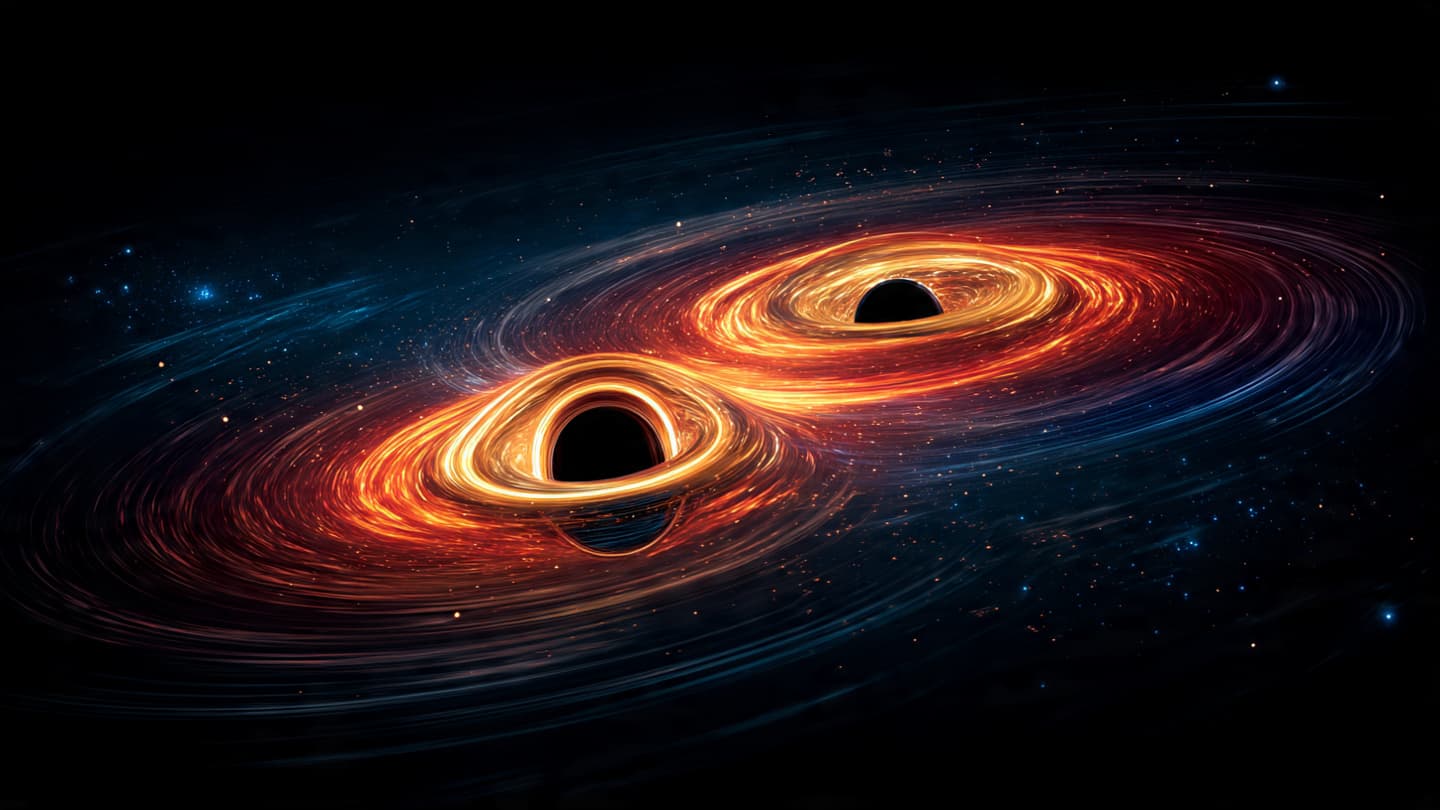
Astronomers discovered a rare black hole pair, offering new insight into gravity and cosmic evolution.

Research shows humans can develop echolocation abilities, revealing how the brain adapts sound into spatial perception.
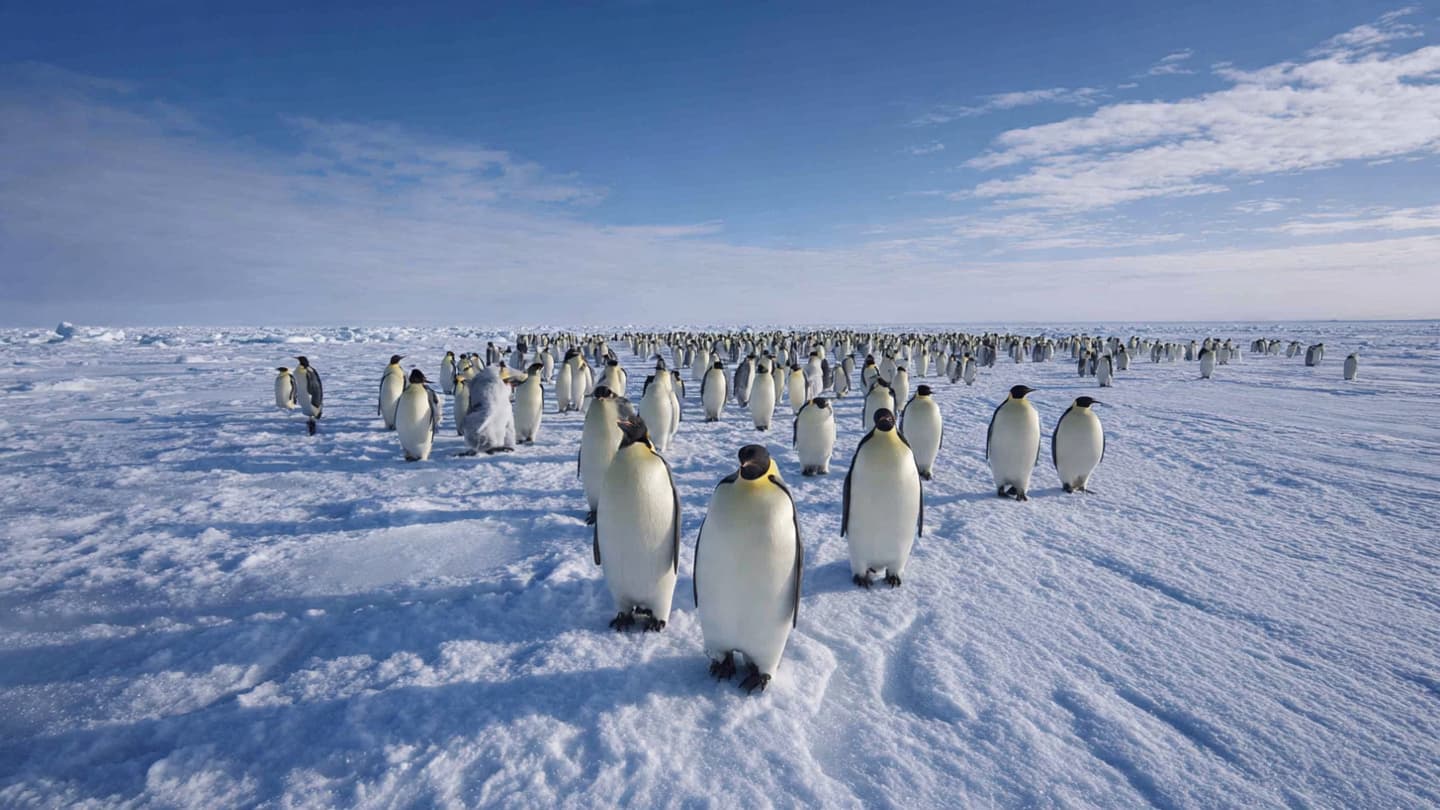
Emperor penguins face increasing extinction risk due to shrinking sea ice and changing Antarctic conditions.
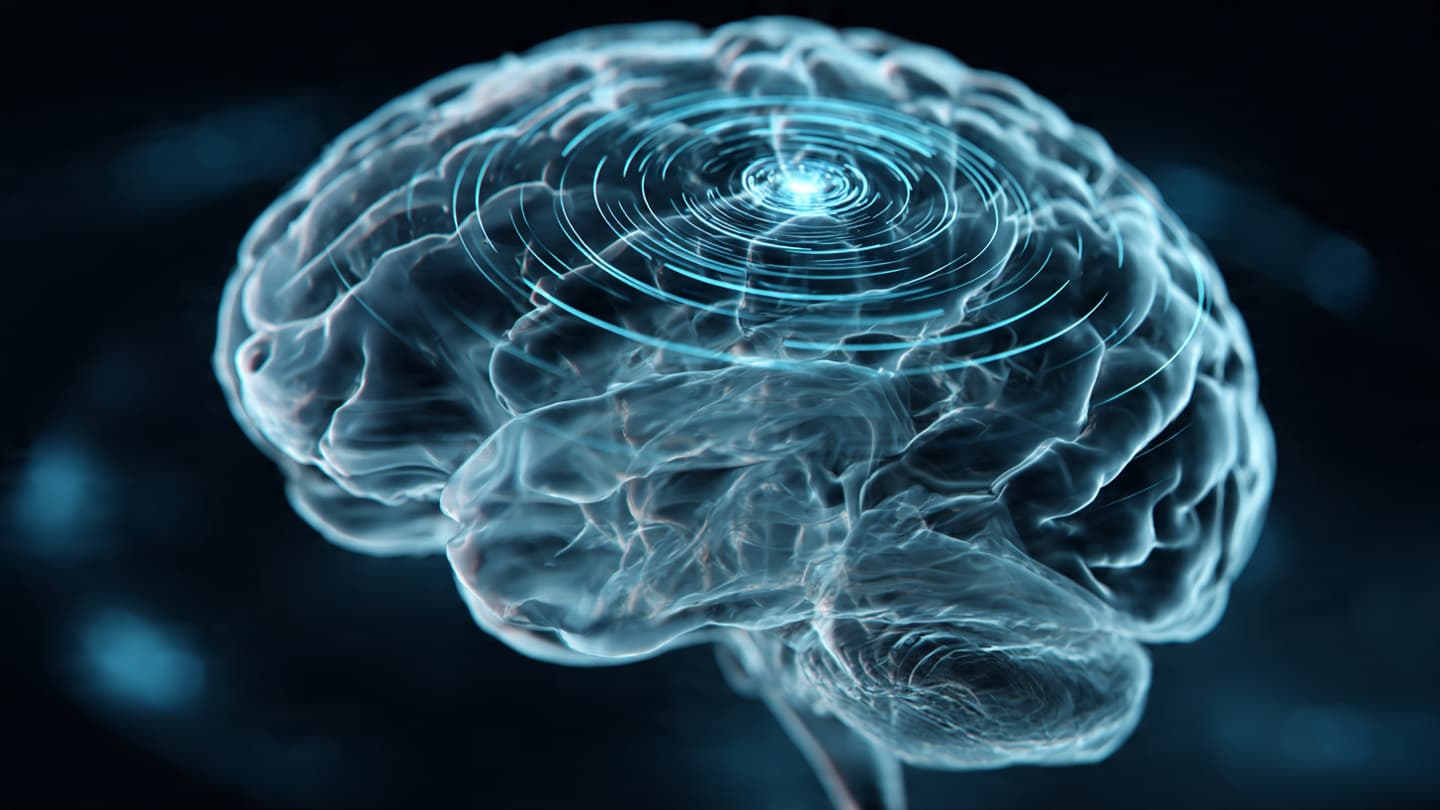
Ultrasound brain therapy shows early promise in Parkinson’s research as a non-invasive medical treatment approach.