
SCIENCE91% credibility
Beneath the Waves, Science Reveals the Changing Story of Earth’s Oceans
Scientists continue studying ocean climate systems to understand environmental changes and their impact on Earth’s ecosystems.
1 min read

Scientists continue studying ocean climate systems to understand environmental changes and their impact on Earth’s ecosystems.

New technology systems are improving how scientists access and analyze satellite data for global research.
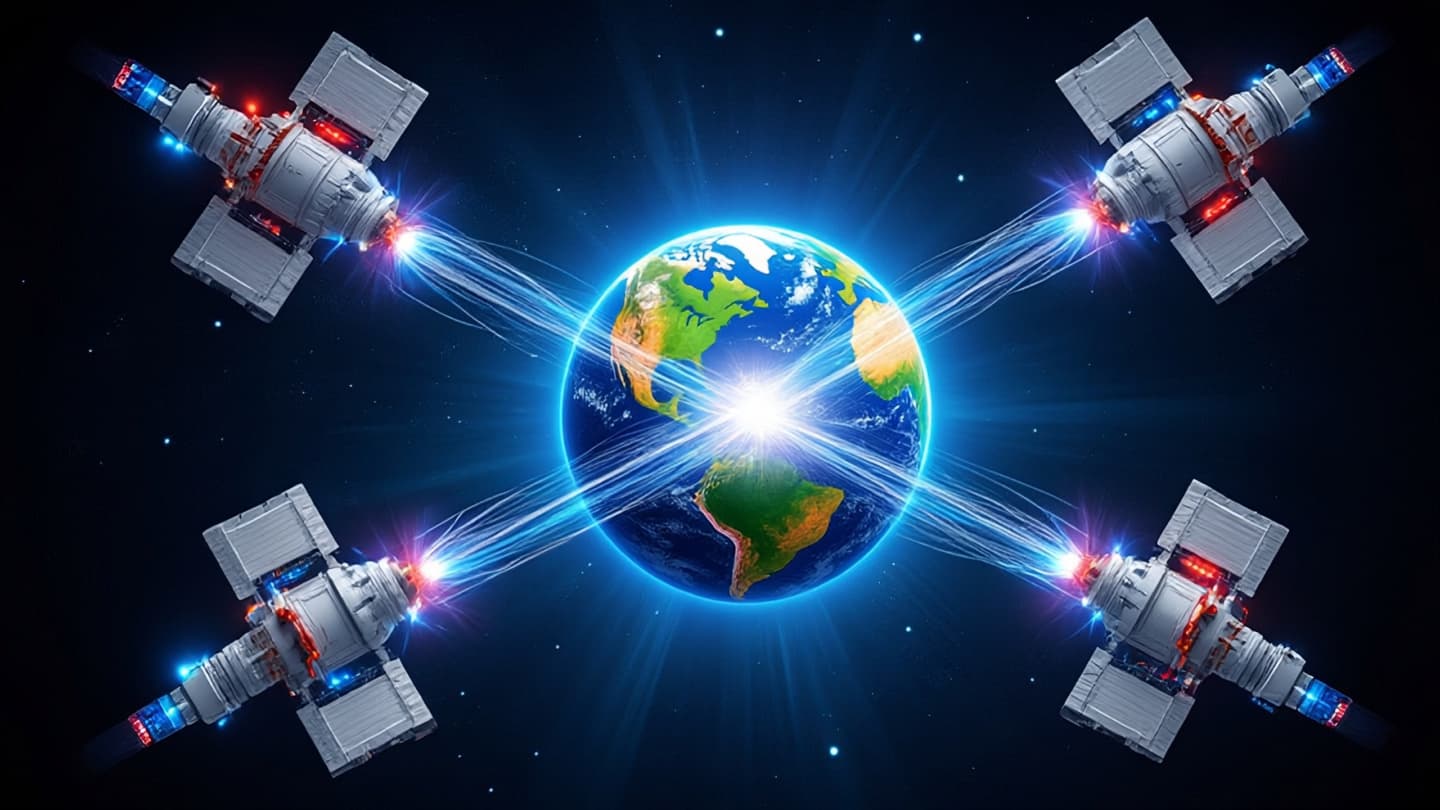
Artificial intelligence is helping scientists analyze complex Earth data and discover new patterns across environmental research fields.

NASA’s experimental supersonic aircraft program explores technologies that could shape the future of faster and quieter aviation.
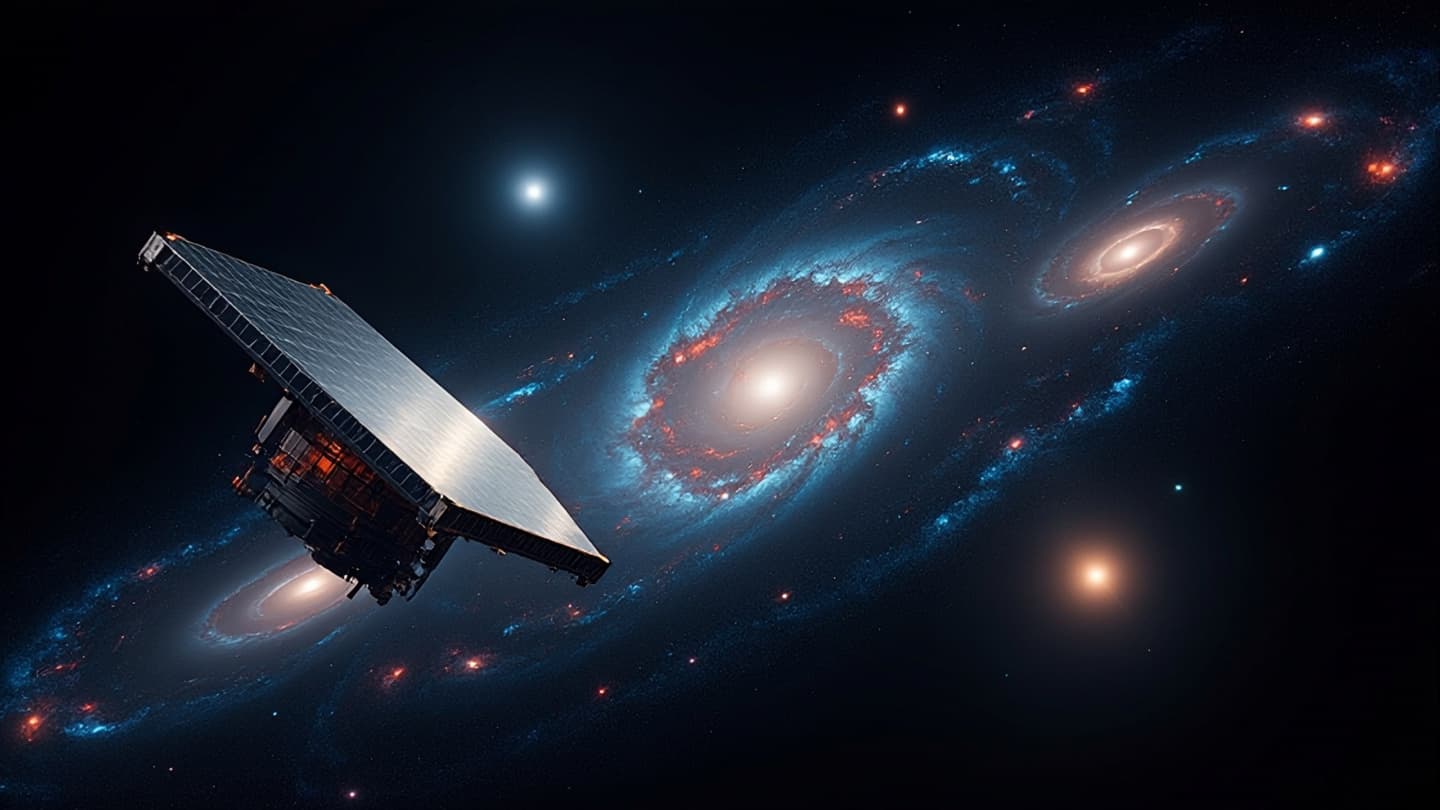
The James Webb Space Telescope continues revealing new information about early galaxies, stars, and the origins of the universe.
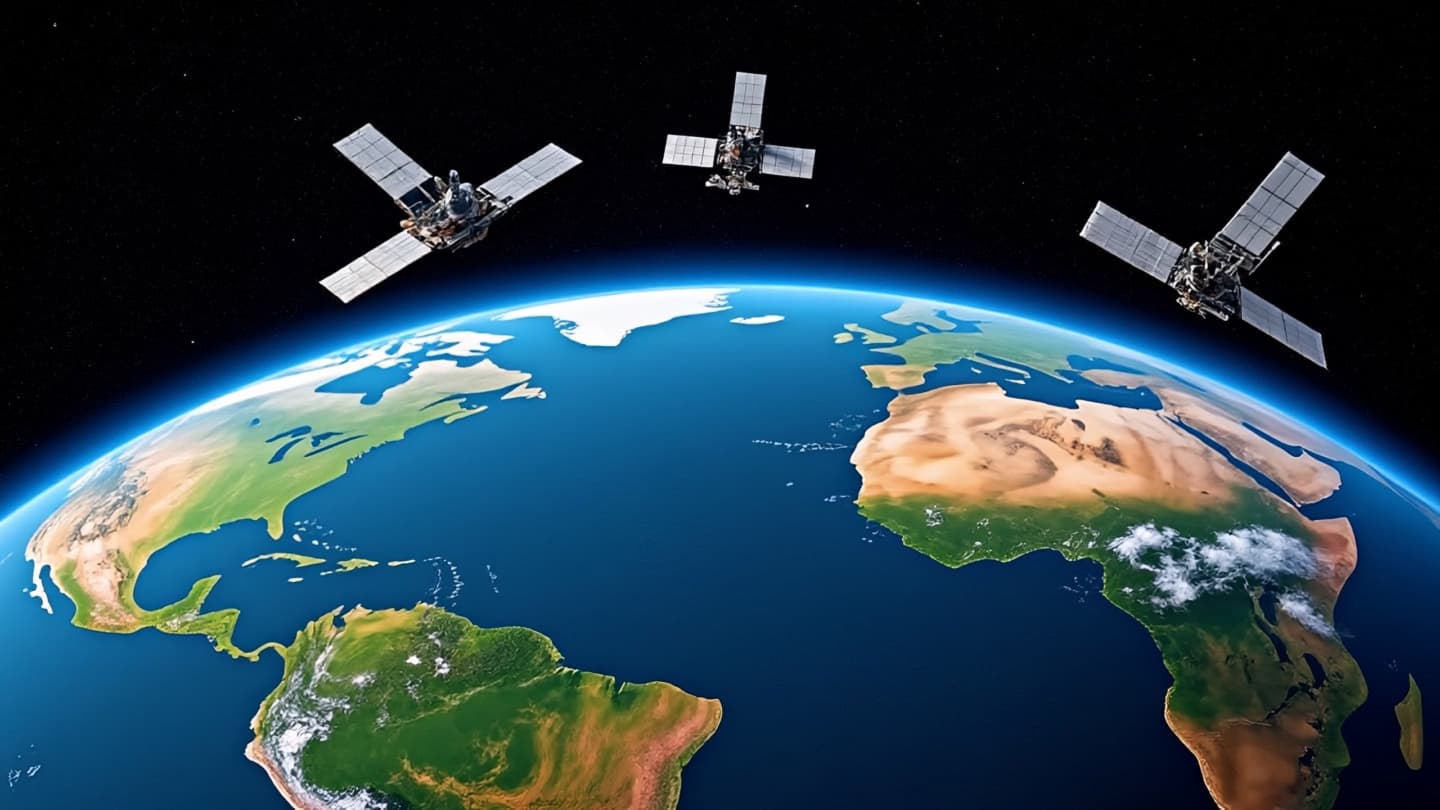
NASA continues advancing Earth research through satellite technology that helps scientists study climate, ecosystems, and planetary changes.

International Space Station research continues as astronauts and scientists expand knowledge through space-based experiments.
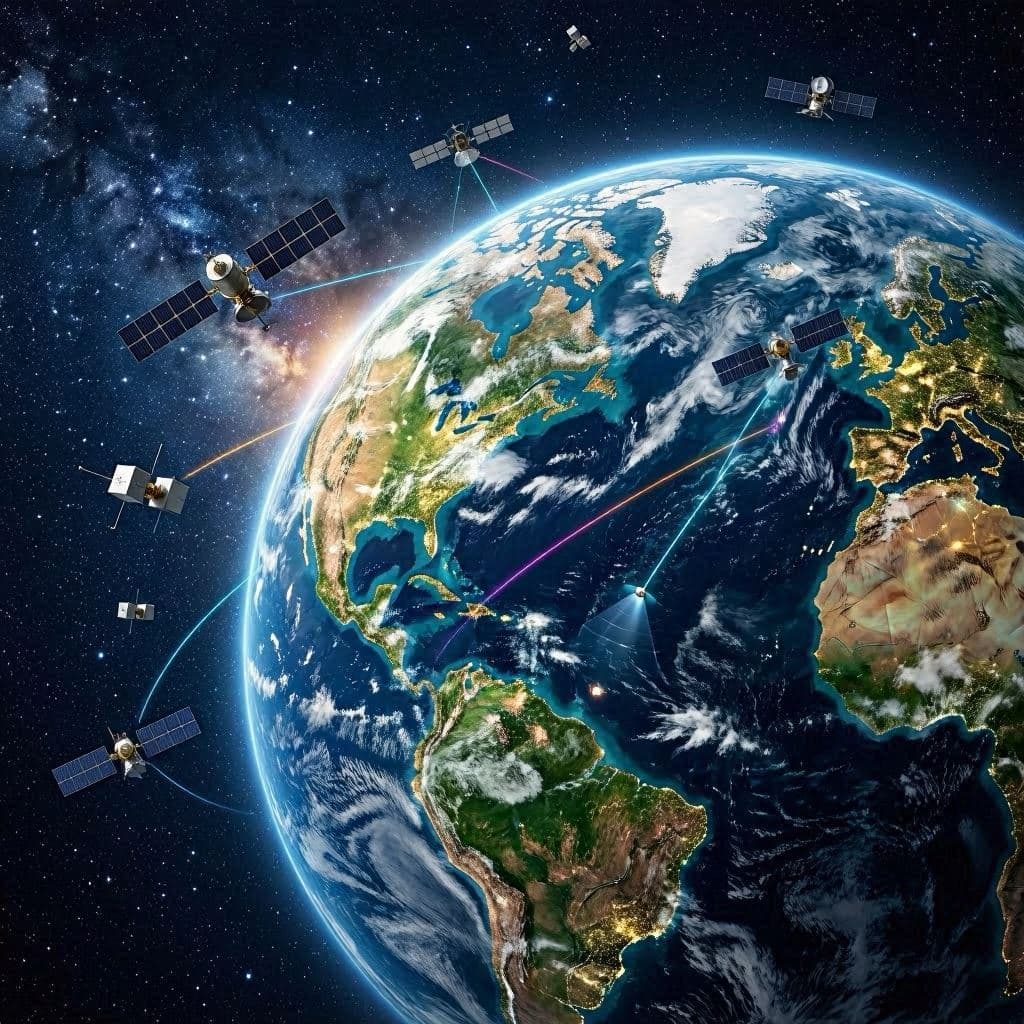
NASA continues expanding satellite-based Earth research to study climate, ecosystems, and environmental changes worldwide.

NASA explores artificial intelligence tools to support spacecraft development, scientific research, and future space missions.
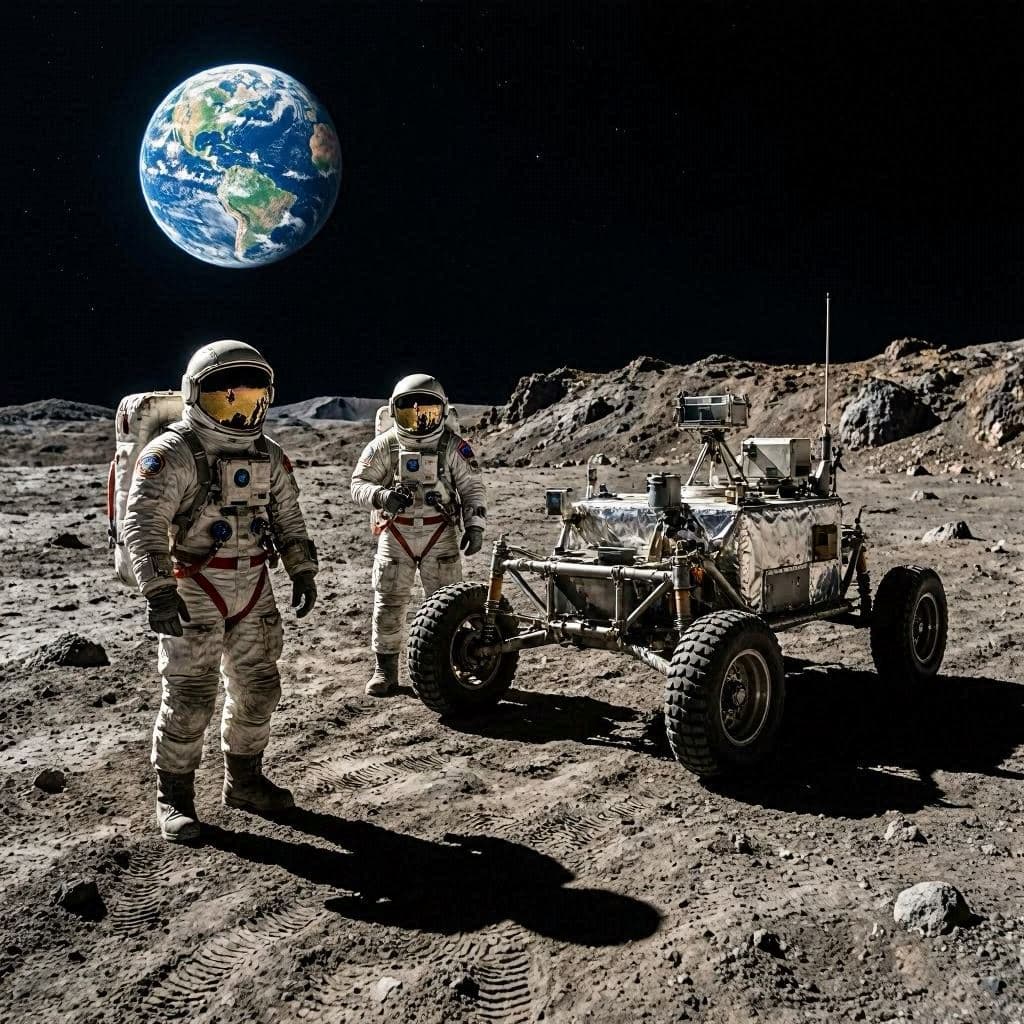
NASA’s Artemis program advances human lunar exploration while developing technologies for future deep-space missions.
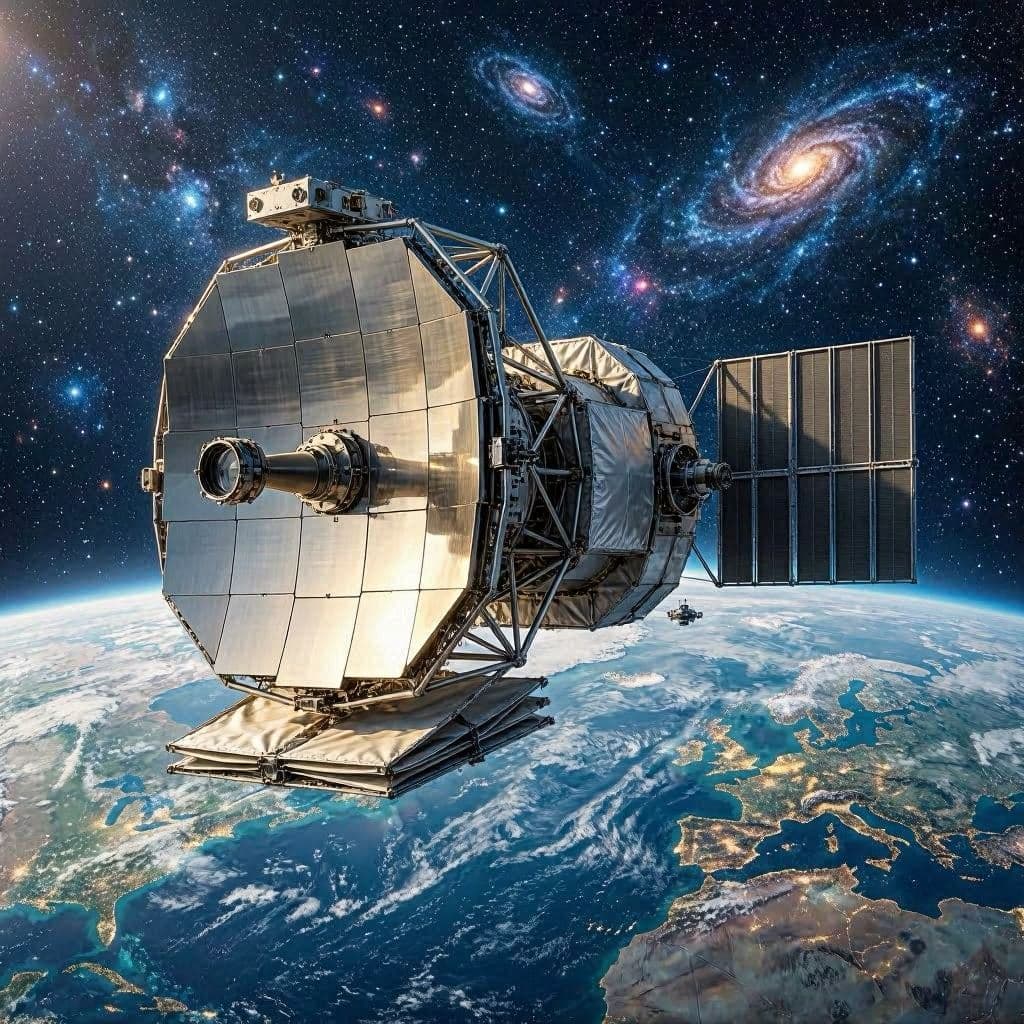
NASA continues developing advanced space telescope technology to explore distant planets, galaxies, and cosmic mysteries.
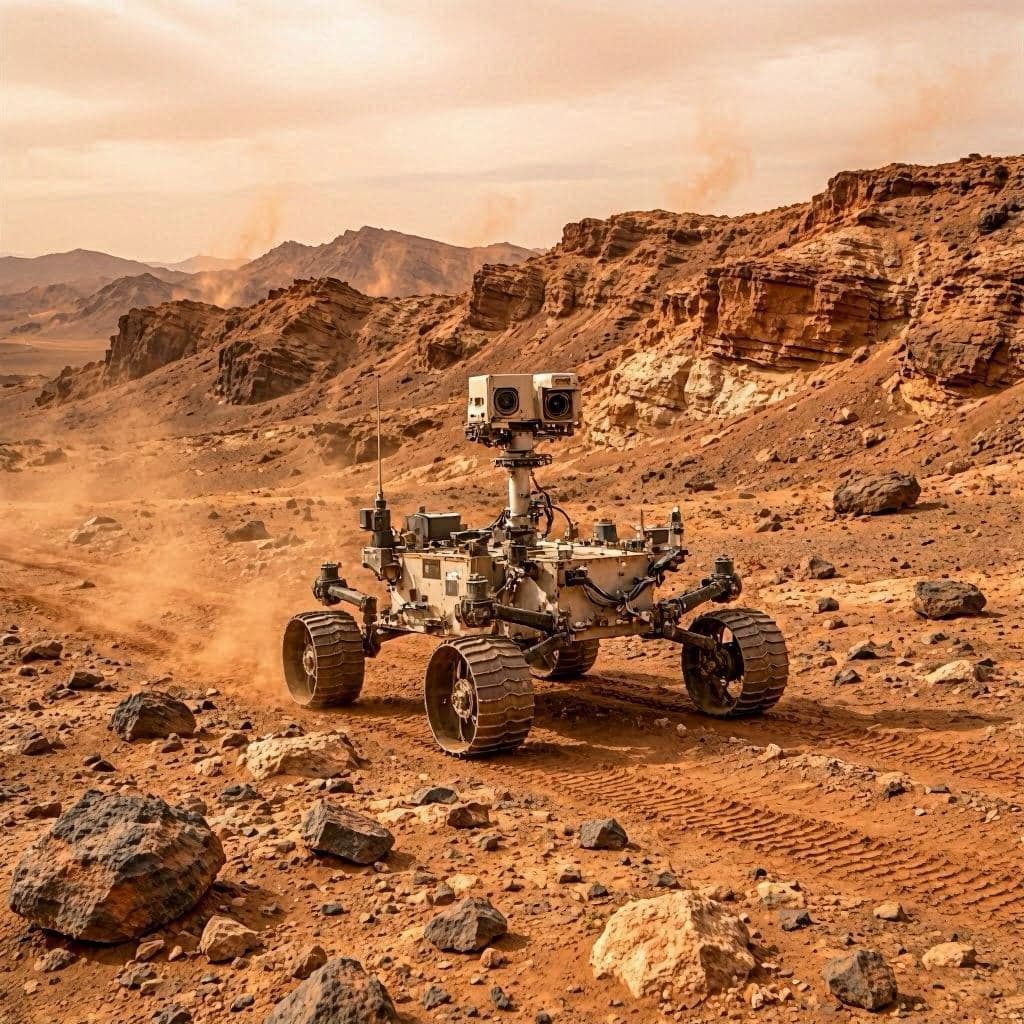
NASA’s Perseverance rover continues studying ancient Martian carbon materials to better understand Mars’ geological history.
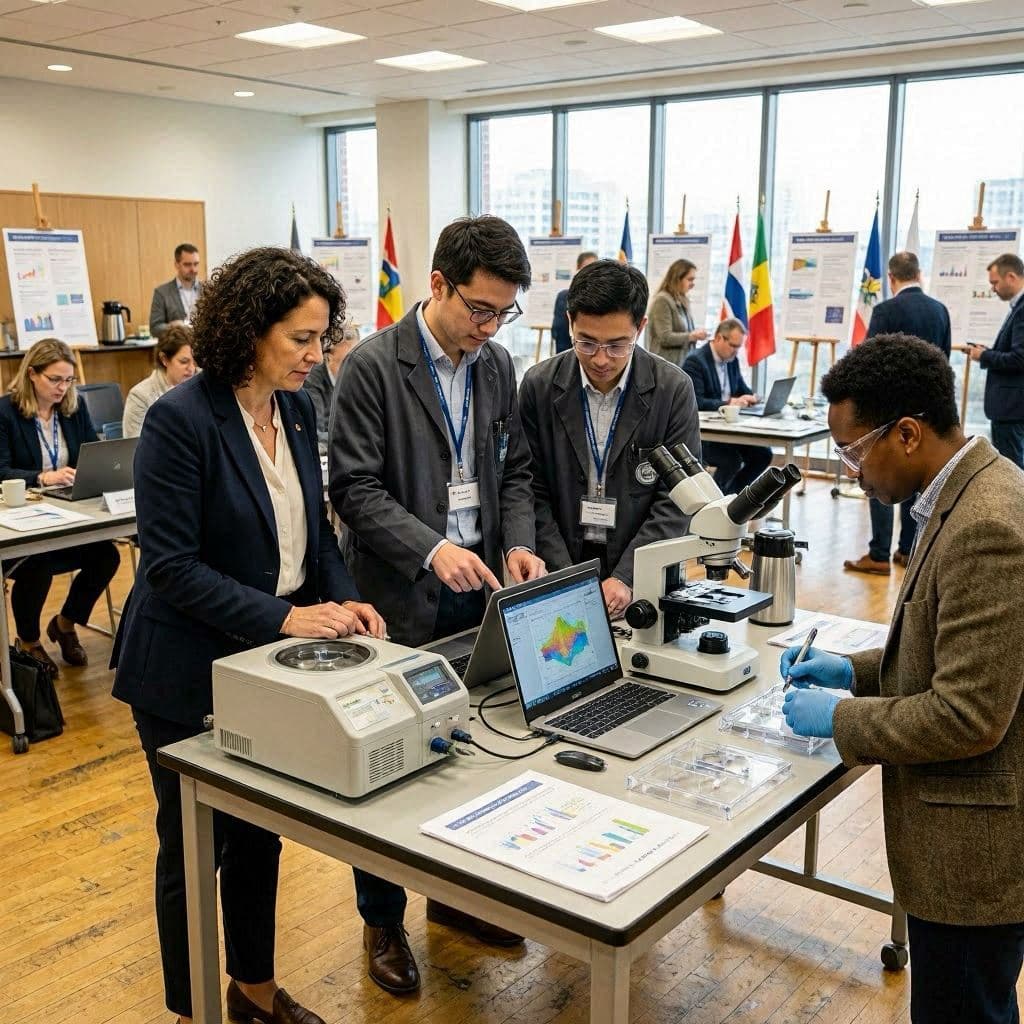
International forensic science organizations are expanding collaboration through research, education, and standardized scientific practices.
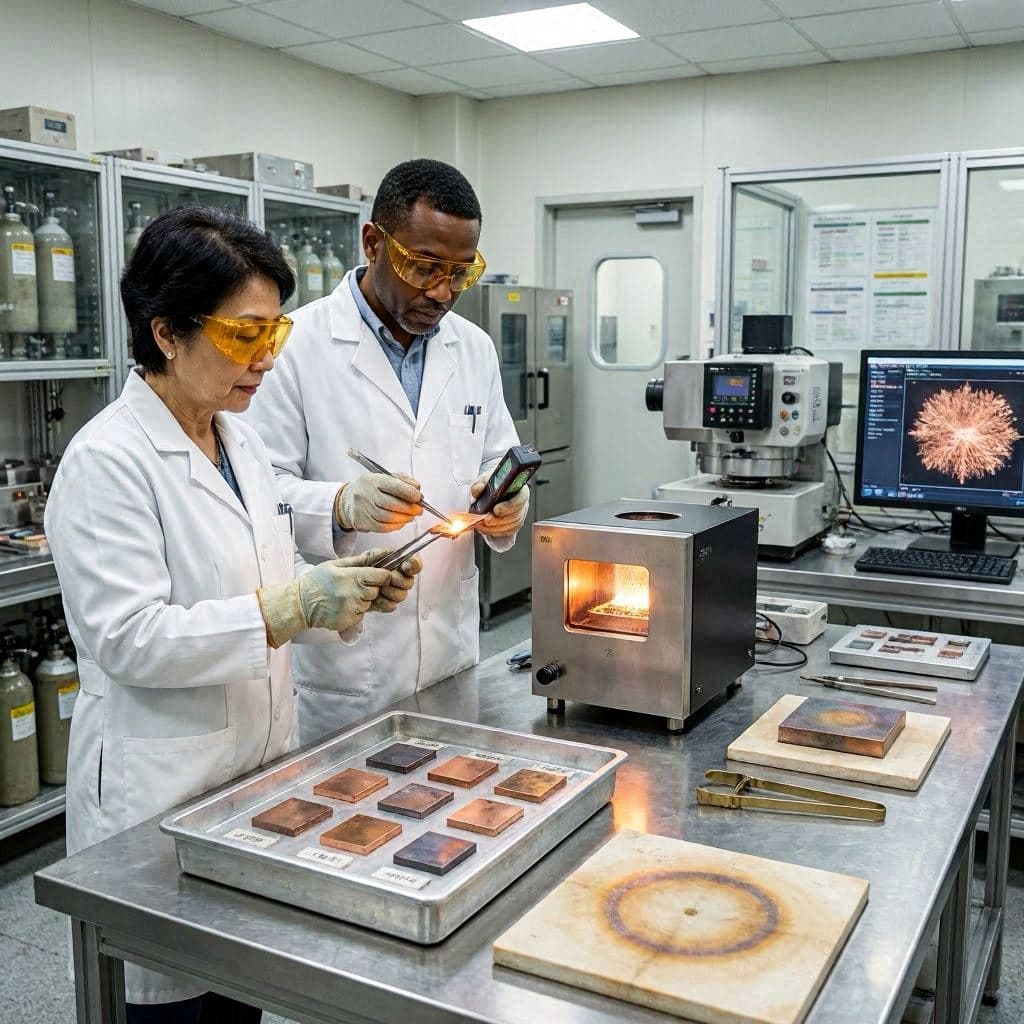
Scientists developed a high-temperature copper alloy with improved strength and stability for advanced industrial applications.
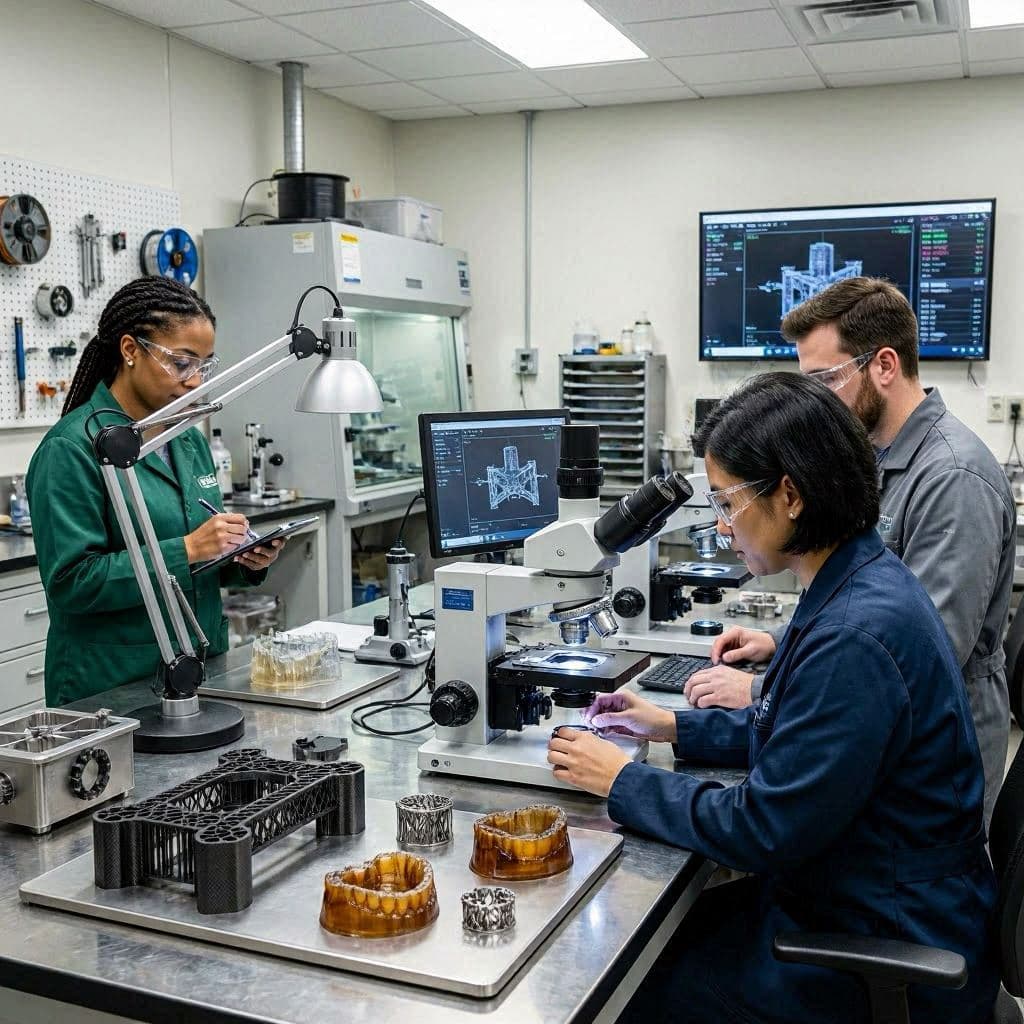
Researchers developed AI capable of identifying the origin of 3D-printed components through microscopic production signatures.
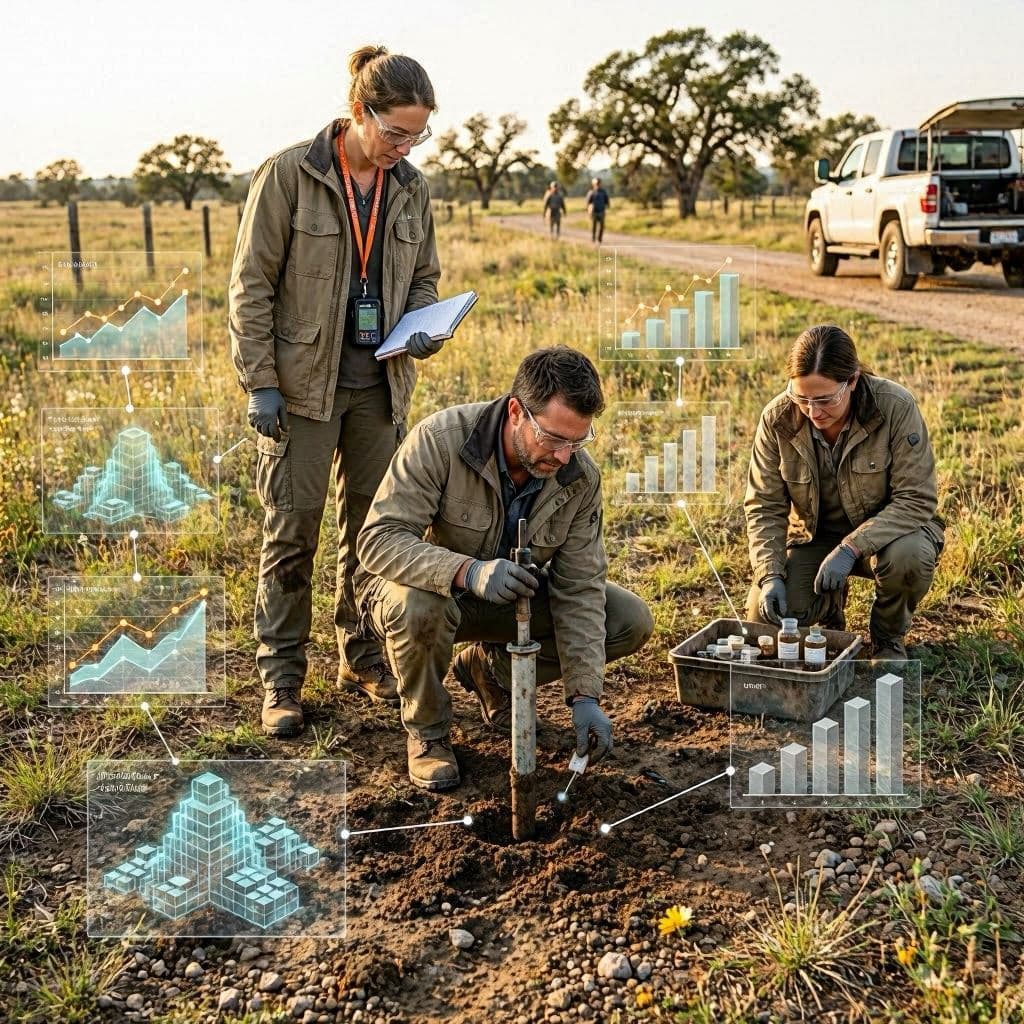
Machine learning is helping scientists detect soil contaminants more efficiently while supporting environmental monitoring efforts.
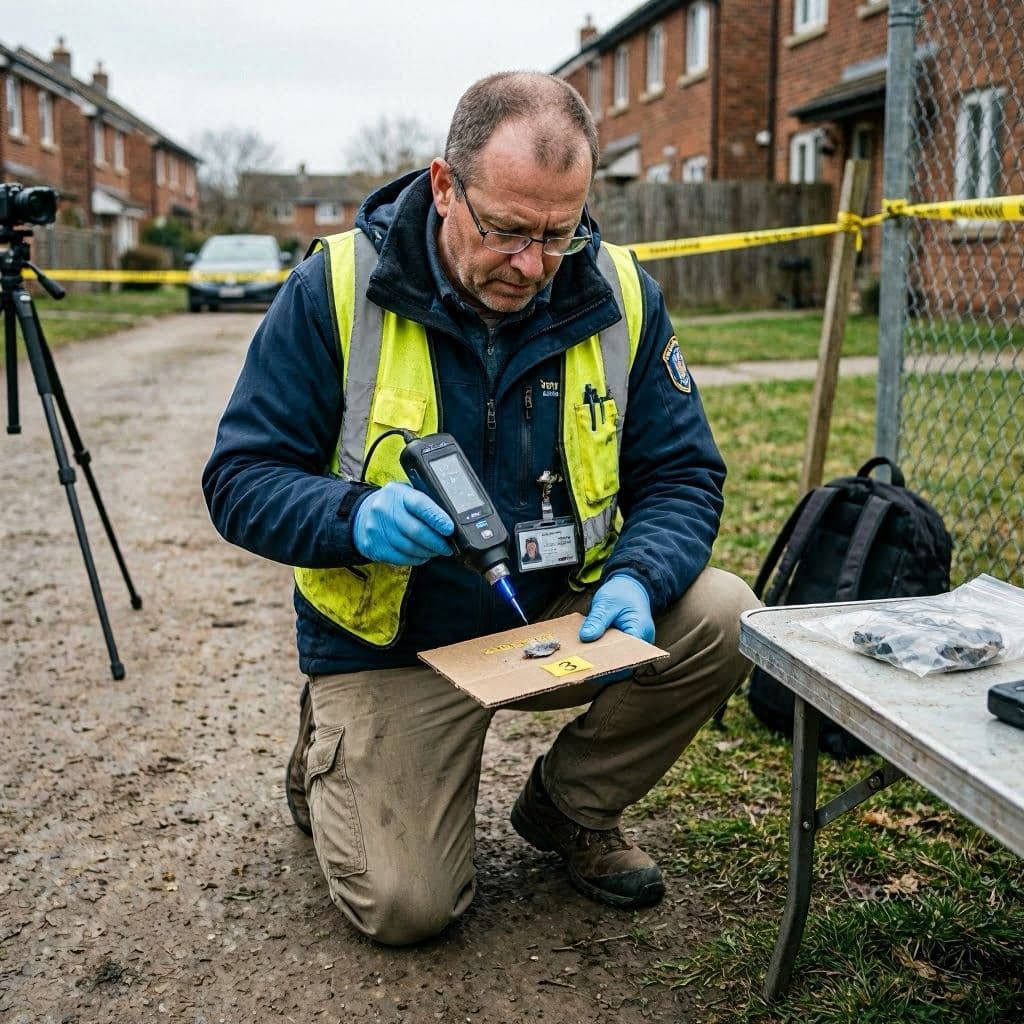
Portable spectroscopy is helping forensic investigators identify evidence more rapidly while supporting accurate laboratory investigations.

Researchers developed an evidence-based AI framework that improves financial risk analysis using transparent knowledge graph technology.

New theoretical research offers additional insight into Hawking's Information Paradox and the physics governing black holes.
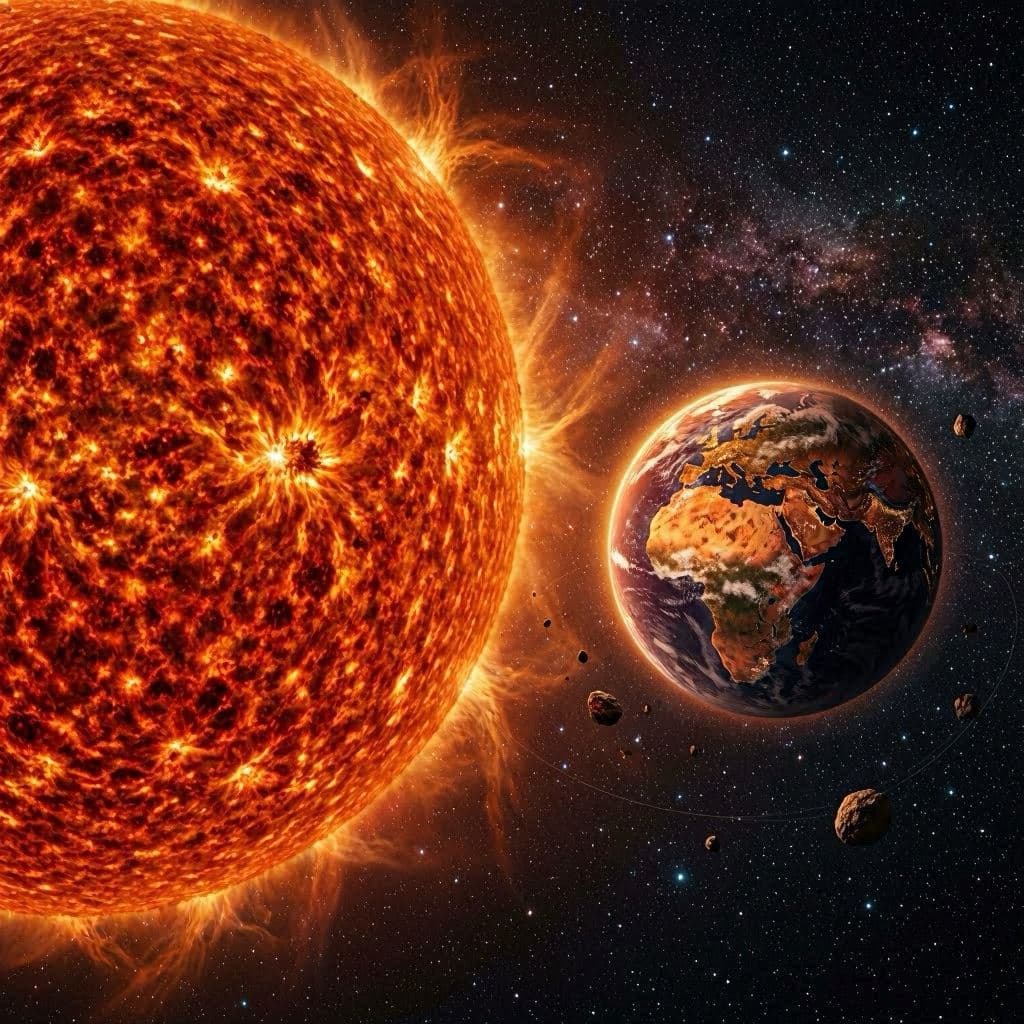
New simulations suggest Earth may have a greater chance of surviving the Sun's distant evolution than previously believed.
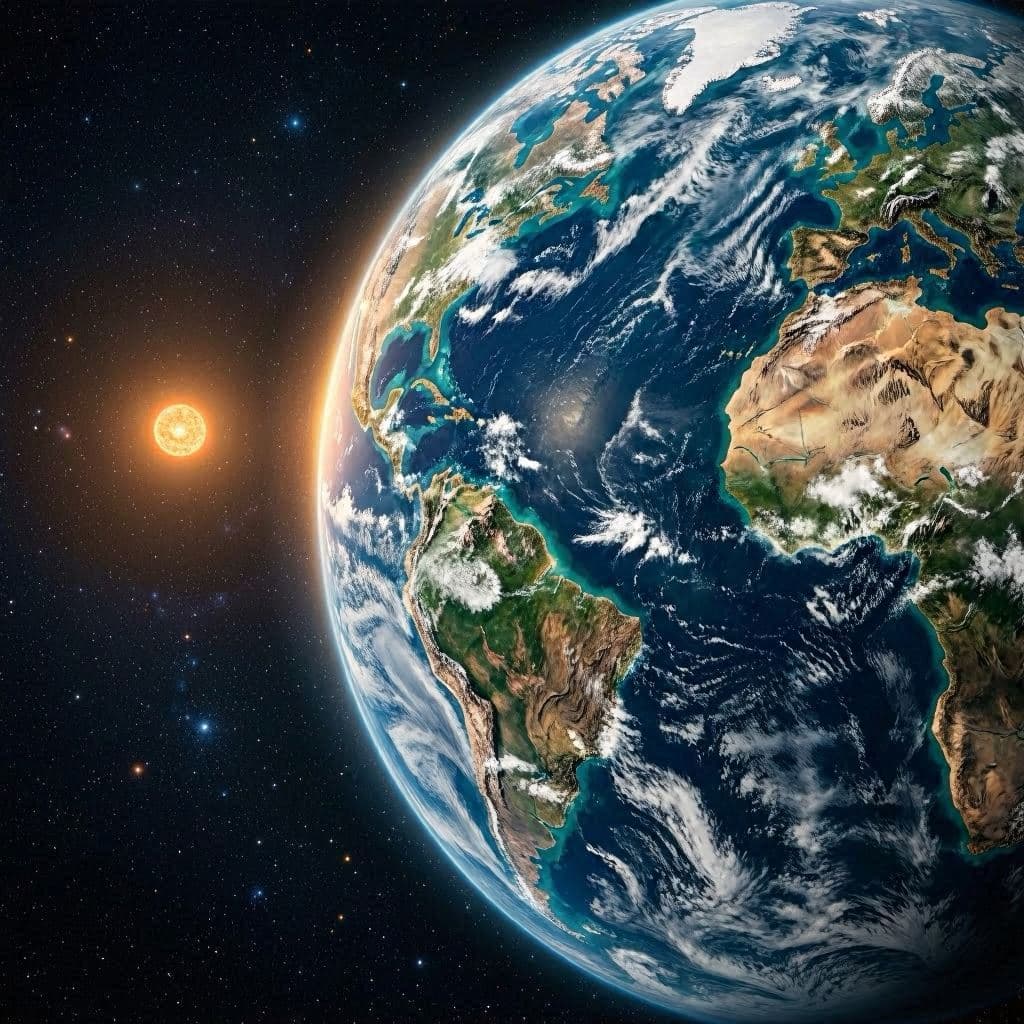
Astronomers discovered a potentially habitable Super-Earth 25 light-years away, providing another promising target for future planetary research.
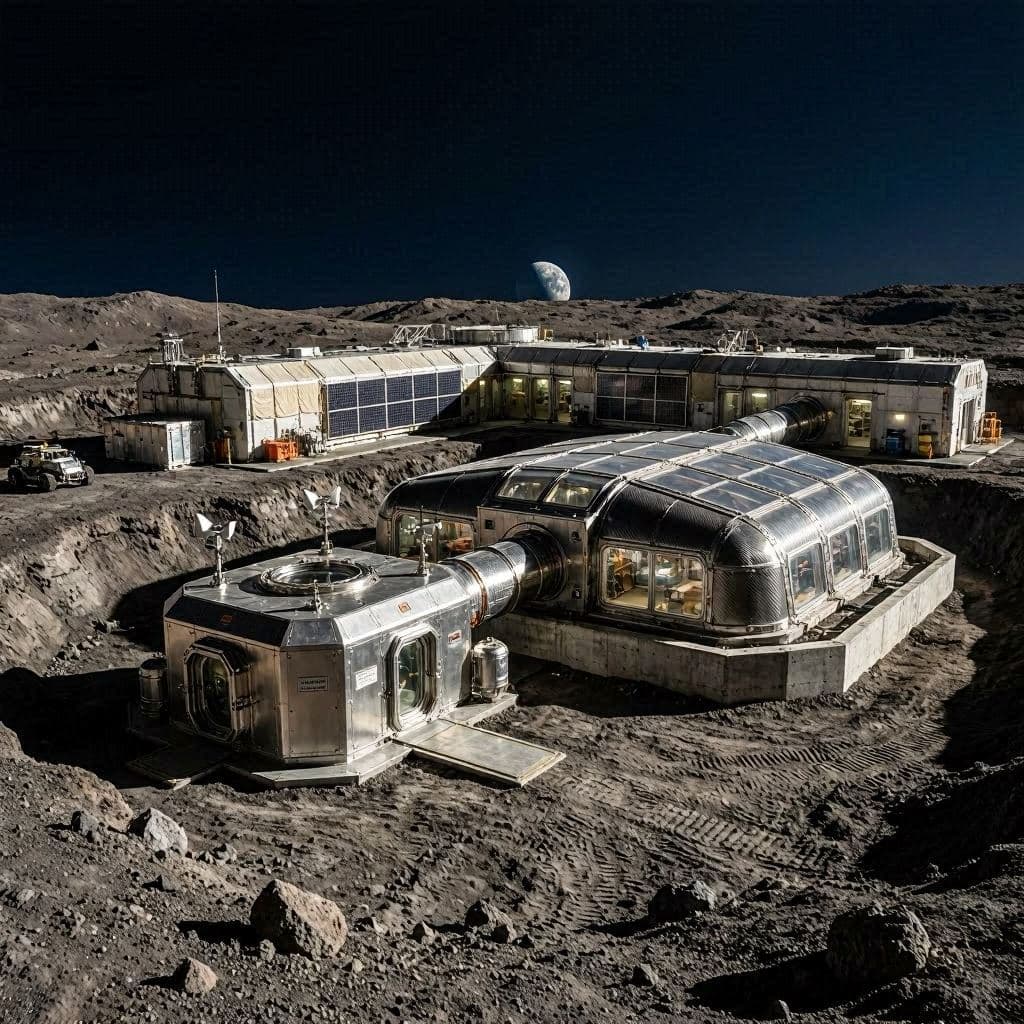
Scientists are studying the concept of a lunar quarantine facility to safely examine future extraterrestrial samples before transport to Earth.
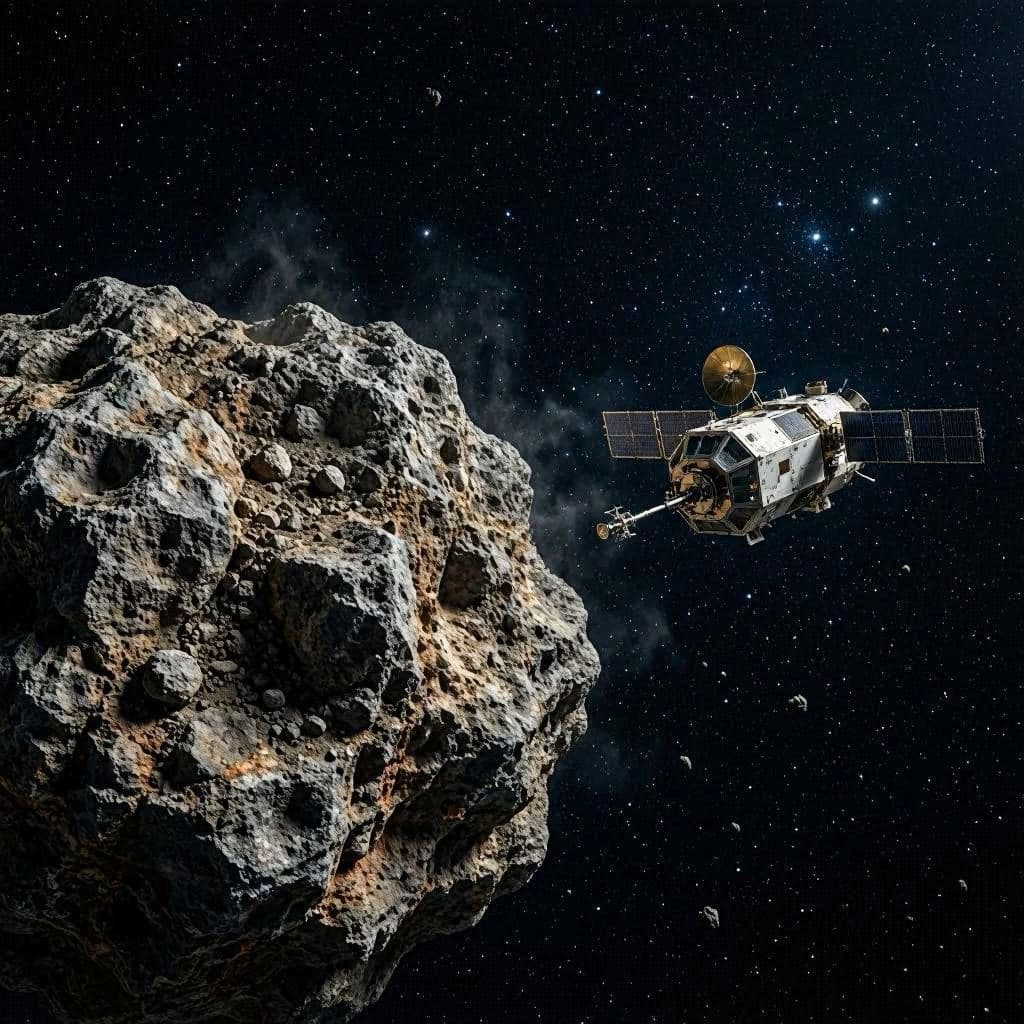
China's Tianwen-2 spacecraft has begun asteroid operations, marking an important step toward studying the early history of the solar system.
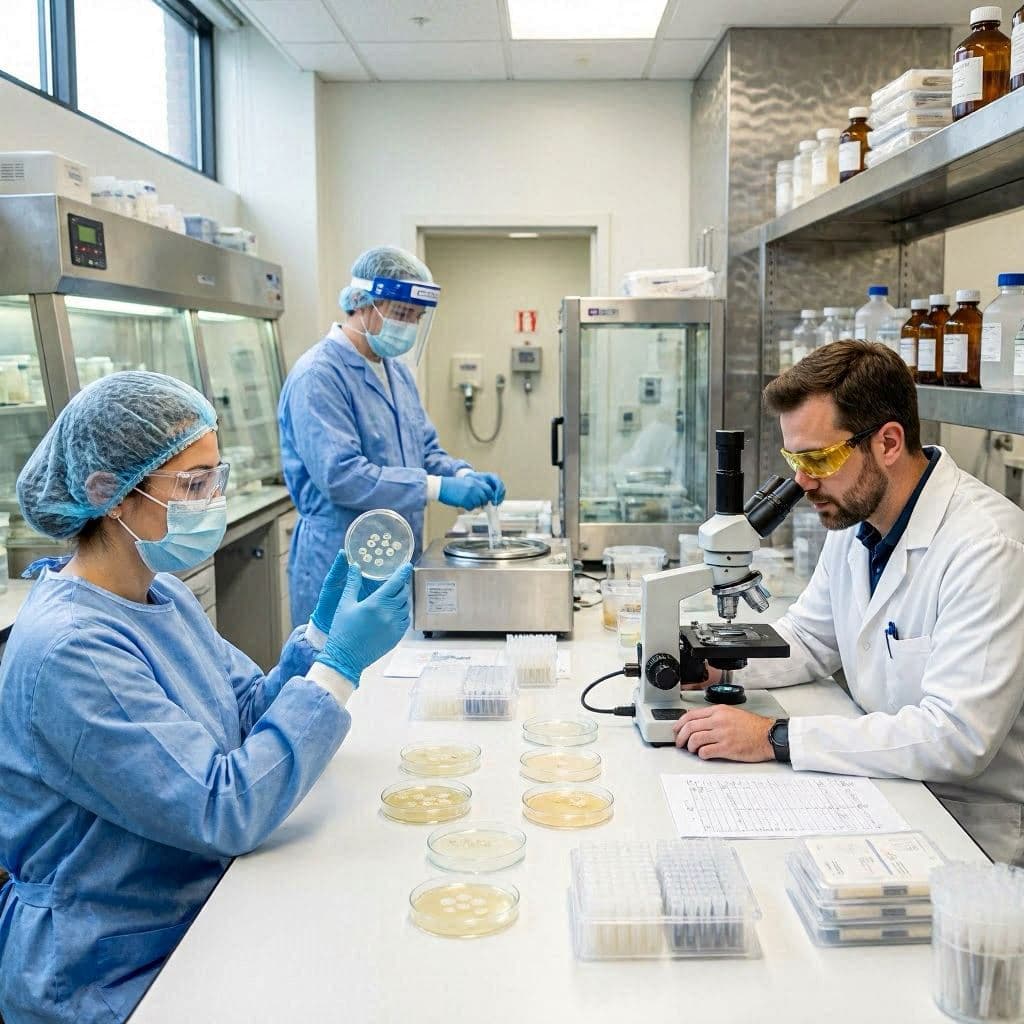
Scientists identified a new biological target that may support future treatments against harmful gut bacteria while preserving beneficial microbes.