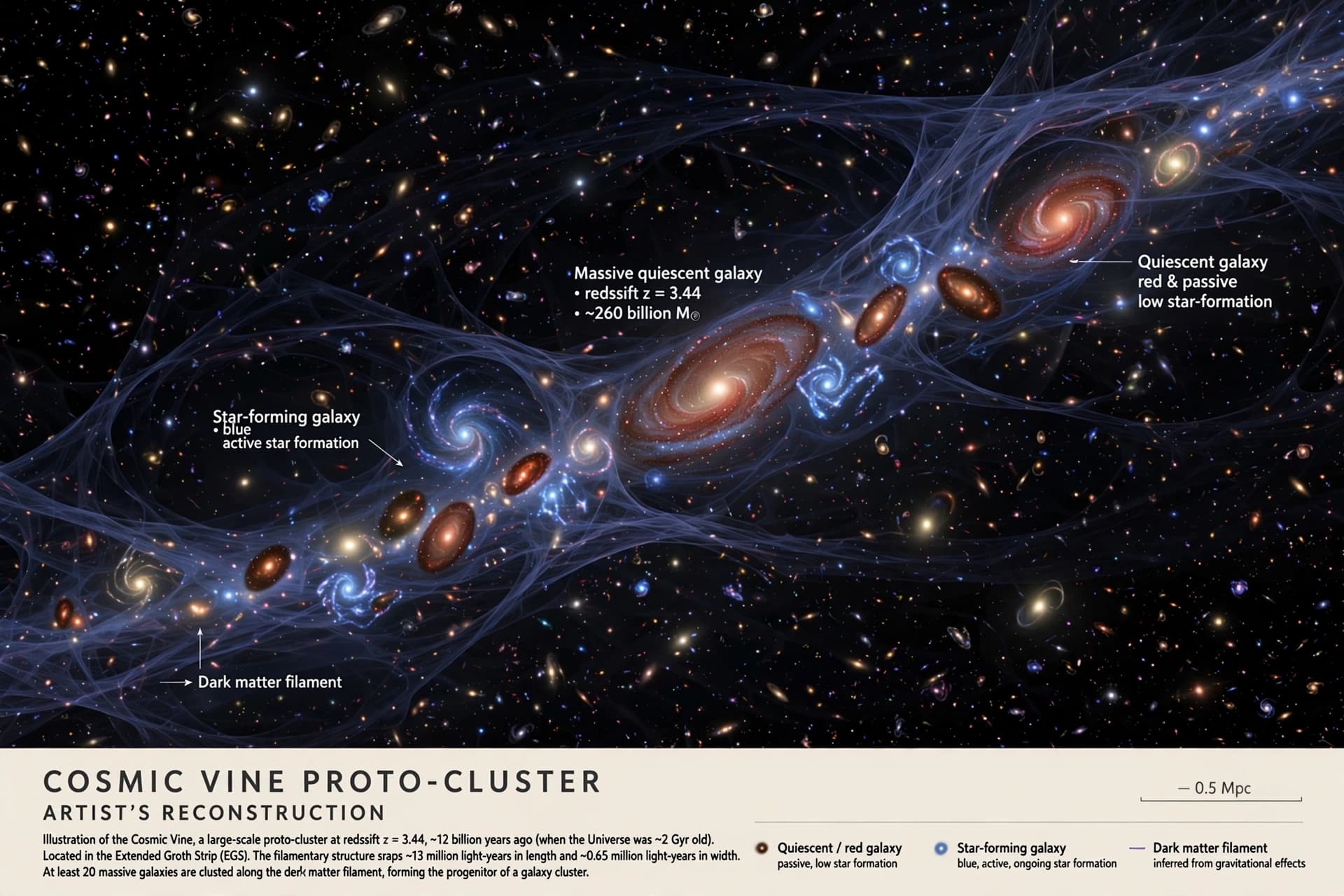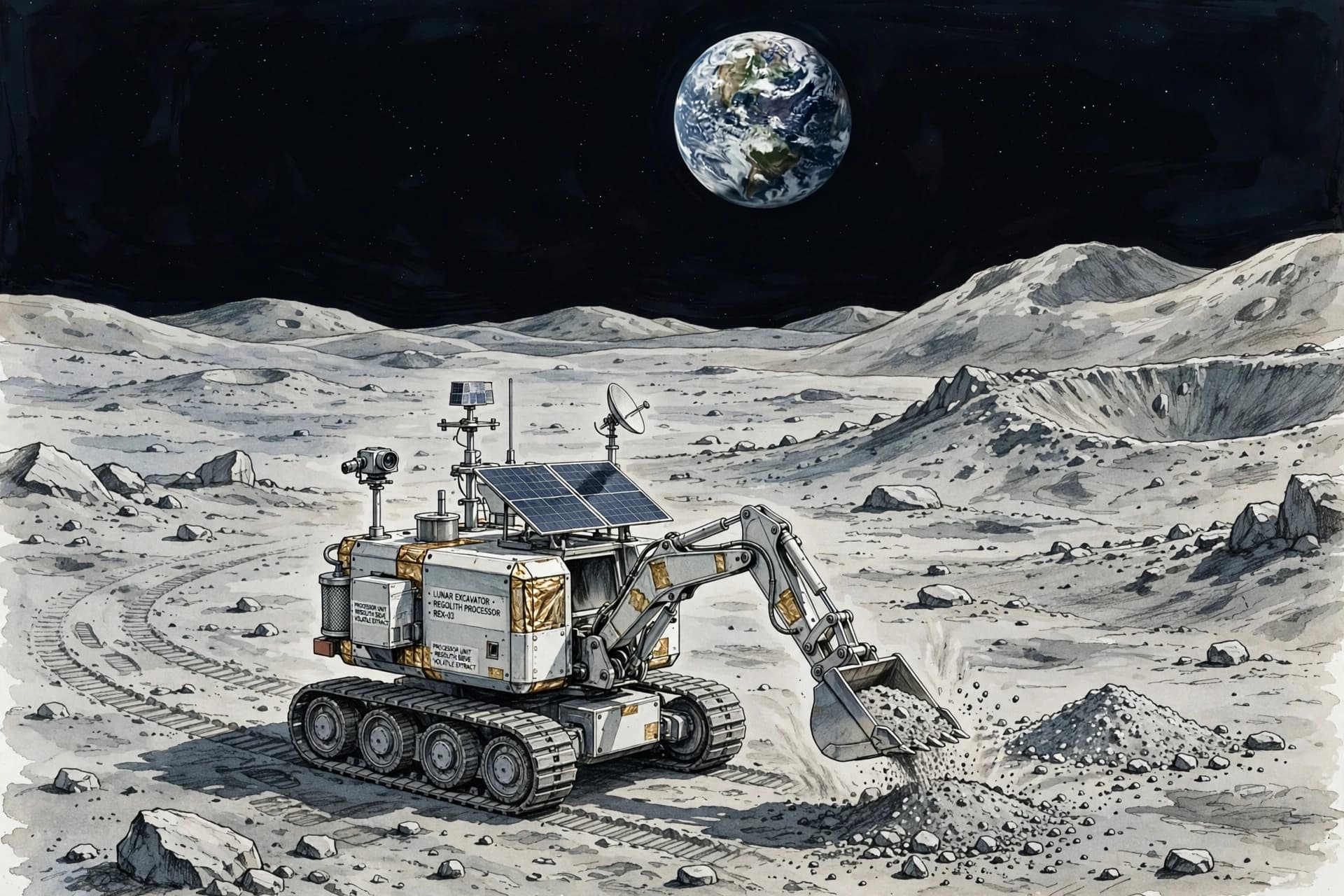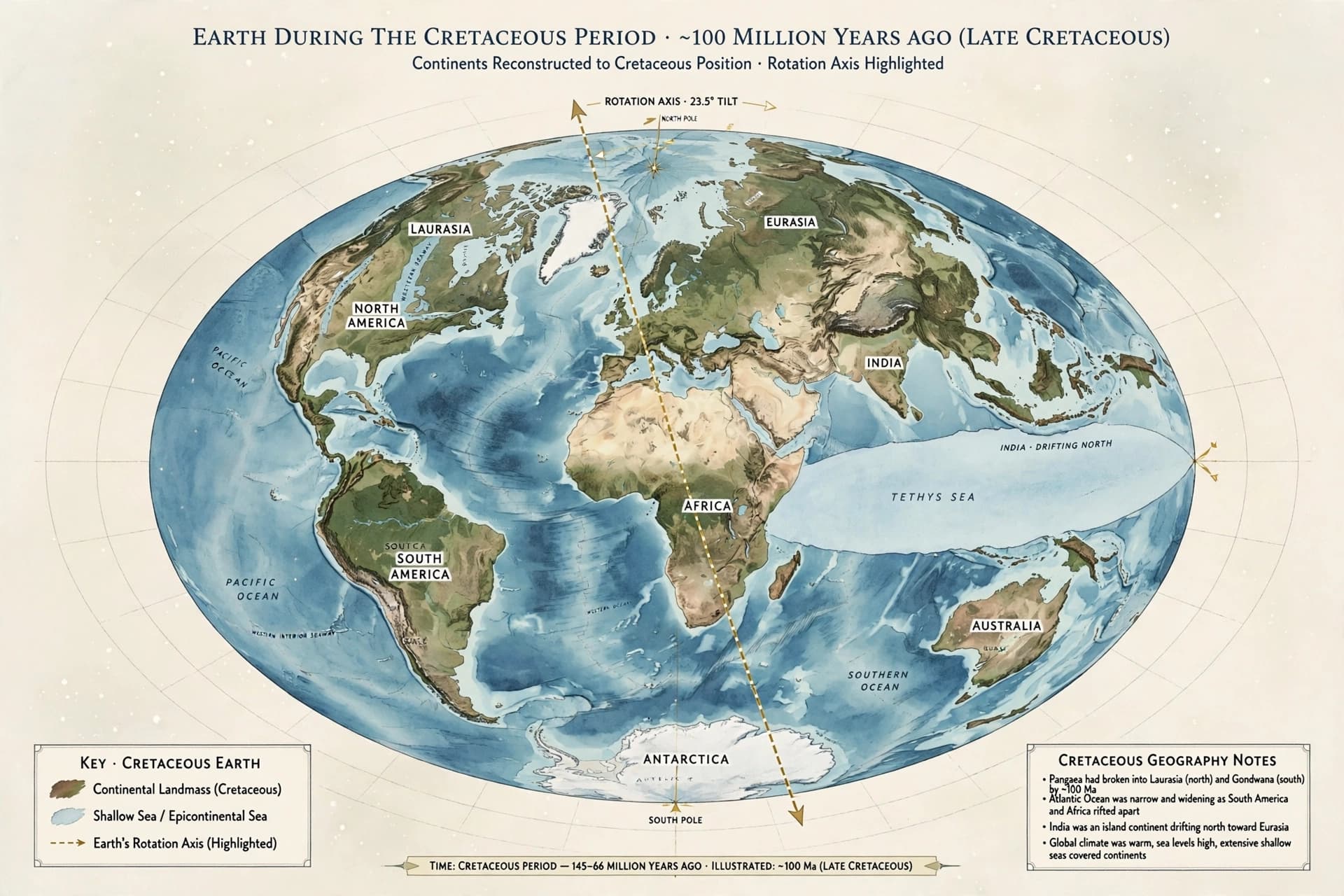
Science has always been a journey of discovering patterns hidden within the complexity of the natural world. Today, as the amount of scientific data continues to grow, researchers are turning to artificial intelligence to help uncover connections that might otherwise remain difficult to identify. The combination of human expertise and advanced computing is creating new opportunities across many fields of research.
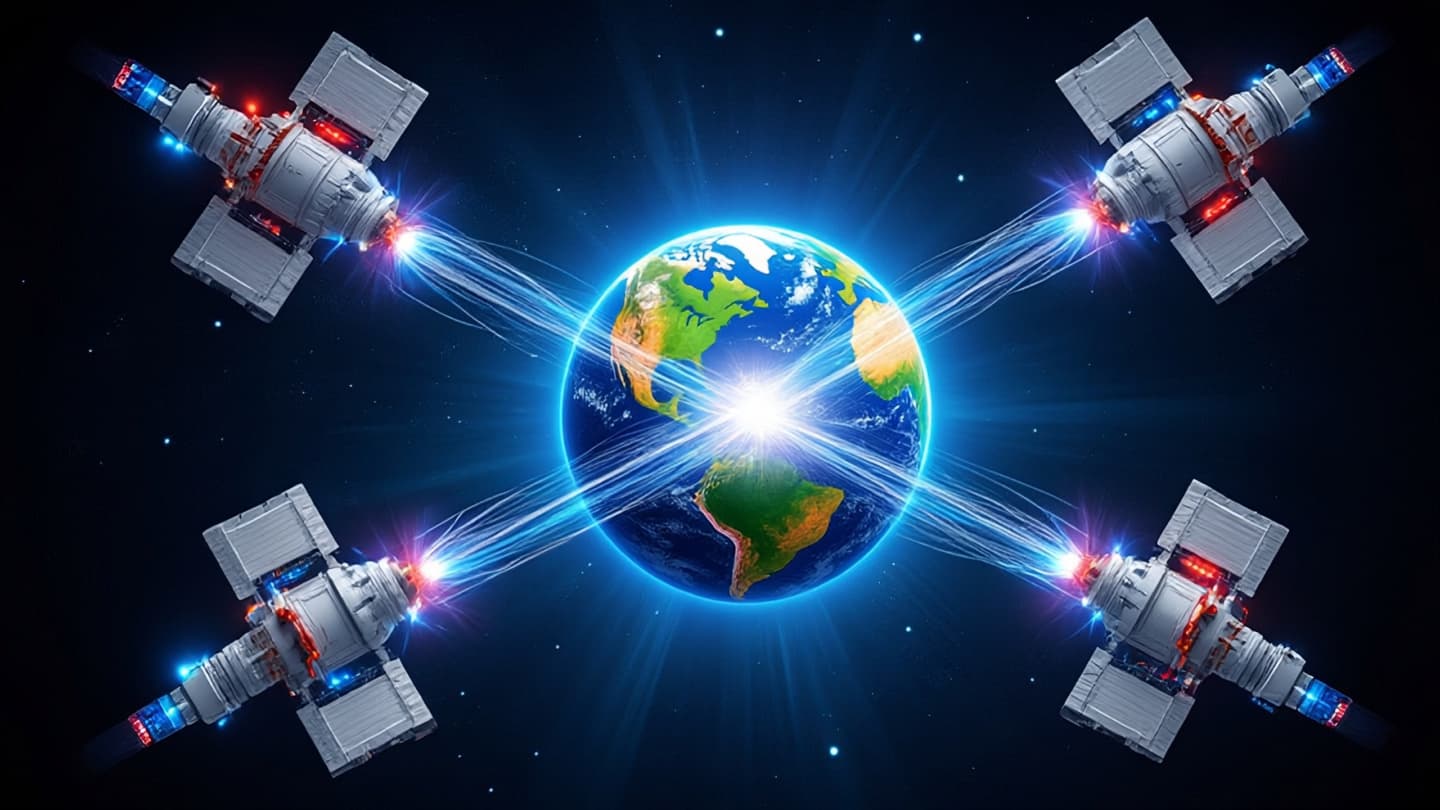
Earth science produces enormous amounts of information every day through satellites, sensors, climate monitoring systems, and environmental observations. Analyzing this data manually can be challenging due to its scale and complexity. AI tools are increasingly being explored as a way to process information more efficiently.
Researchers are using artificial intelligence systems to examine patterns in areas such as weather, ecosystems, oceans, and environmental changes. These technologies can help scientists organize large datasets and identify relationships that support further investigation.
The role of AI in science is not designed to replace researchers but to support their work. Human expertise remains essential for interpreting results, developing theories, and ensuring that scientific conclusions are carefully evaluated.
One major advantage of AI technology is its ability to analyze information at a speed beyond traditional methods. This capability allows scientists to focus more attention on understanding discoveries and developing new research approaches.
However, the use of artificial intelligence in scientific research also requires careful consideration. Scientists continue studying issues related to accuracy, transparency, and responsible use of technology to ensure reliable results.
International research communities are increasingly exploring partnerships between computer science and traditional scientific disciplines. These collaborations demonstrate how technology can become a valuable tool in addressing complex questions about the planet.
As AI continues to develop, its role in science is expected to expand. The combination of advanced technology and human curiosity may help researchers gain deeper understanding of Earth and the systems that shape life on the planet.
AI Image Disclaimer: The images included in this article are AI-generated scientific illustrations created to represent artificial intelligence and research technology concepts.
Sources Verification Check: Verified sources available from: NASA, Nature, Science Magazine, European Space Agency (ESA)
Published by Banx Network. This article is part of the Banx decentralized media programme, powered by the BXE token on the XRP Ledger.