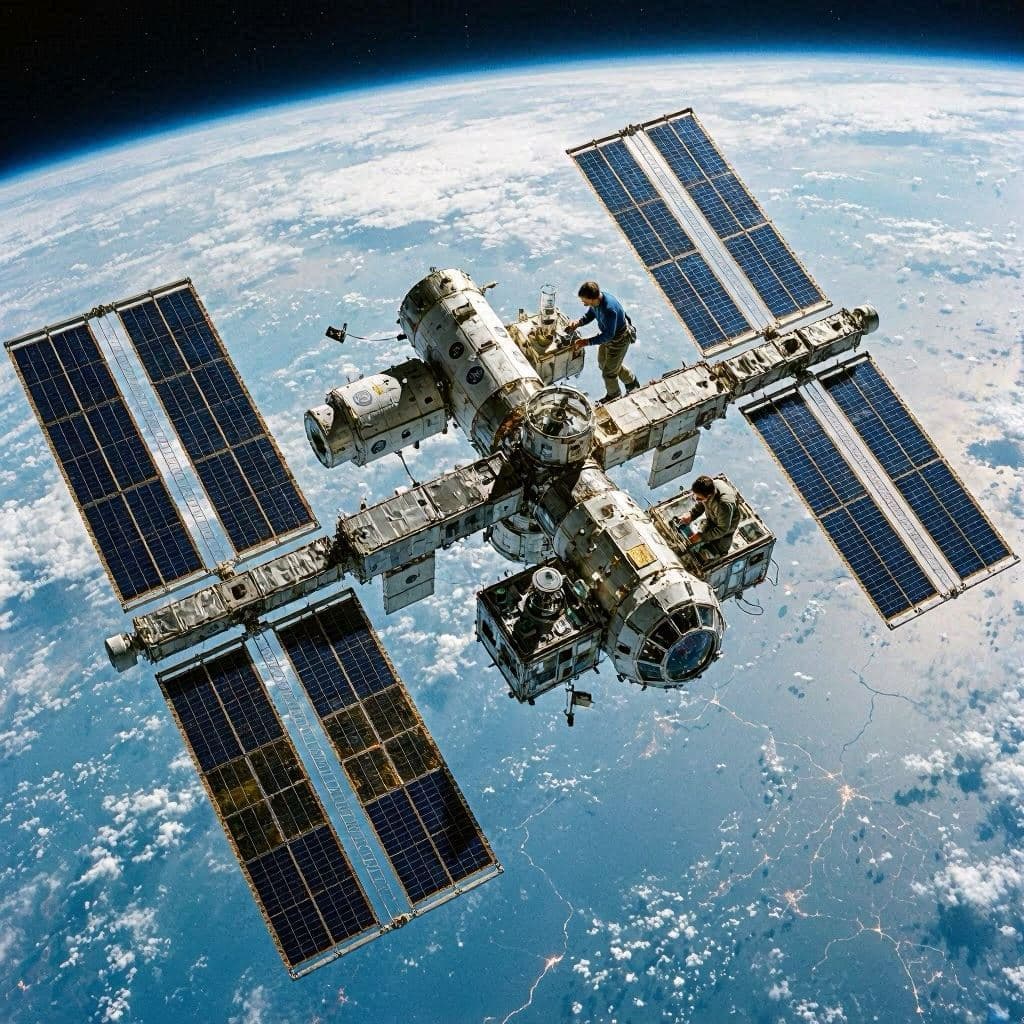
Floating hundreds of miles above Earth, the International Space Station represents one of humanity’s most remarkable examples of scientific cooperation. For more than two decades, astronauts and researchers from different nations have used this unique laboratory to study technology, biology, and life in space.
Recent safety evaluations and technical reviews continue to support ongoing station operations. Like all complex space systems, the station requires regular monitoring, maintenance, and careful planning to ensure astronauts can continue conducting research safely.
The International Space Station provides scientists with an environment that cannot be fully recreated on Earth. Microgravity conditions allow researchers to study how materials, living organisms, and physical processes behave in ways that provide new scientific insights.
Research conducted aboard the station has contributed to advances in medicine, engineering, and space technology. Experiments in orbit often help scientists develop solutions that may benefit both future missions and life on Earth.
The station also serves as a training environment for longer missions beyond low Earth orbit. Astronauts gain valuable experience living and working in space, preparing for future exploration projects.
Maintaining the station requires cooperation between multiple space agencies and technical teams. The partnership demonstrates how scientific goals can bring countries together despite differences in other areas.
As humanity prepares for future missions to the Moon and beyond, the lessons learned from the space station remain extremely valuable. Every experiment and operational experience adds to the knowledge needed for deeper exploration.
The International Space Station continues to represent curiosity, cooperation, and scientific progress. Above Earth, it remains a symbol of what can be achieved when nations work together toward shared discoveries.
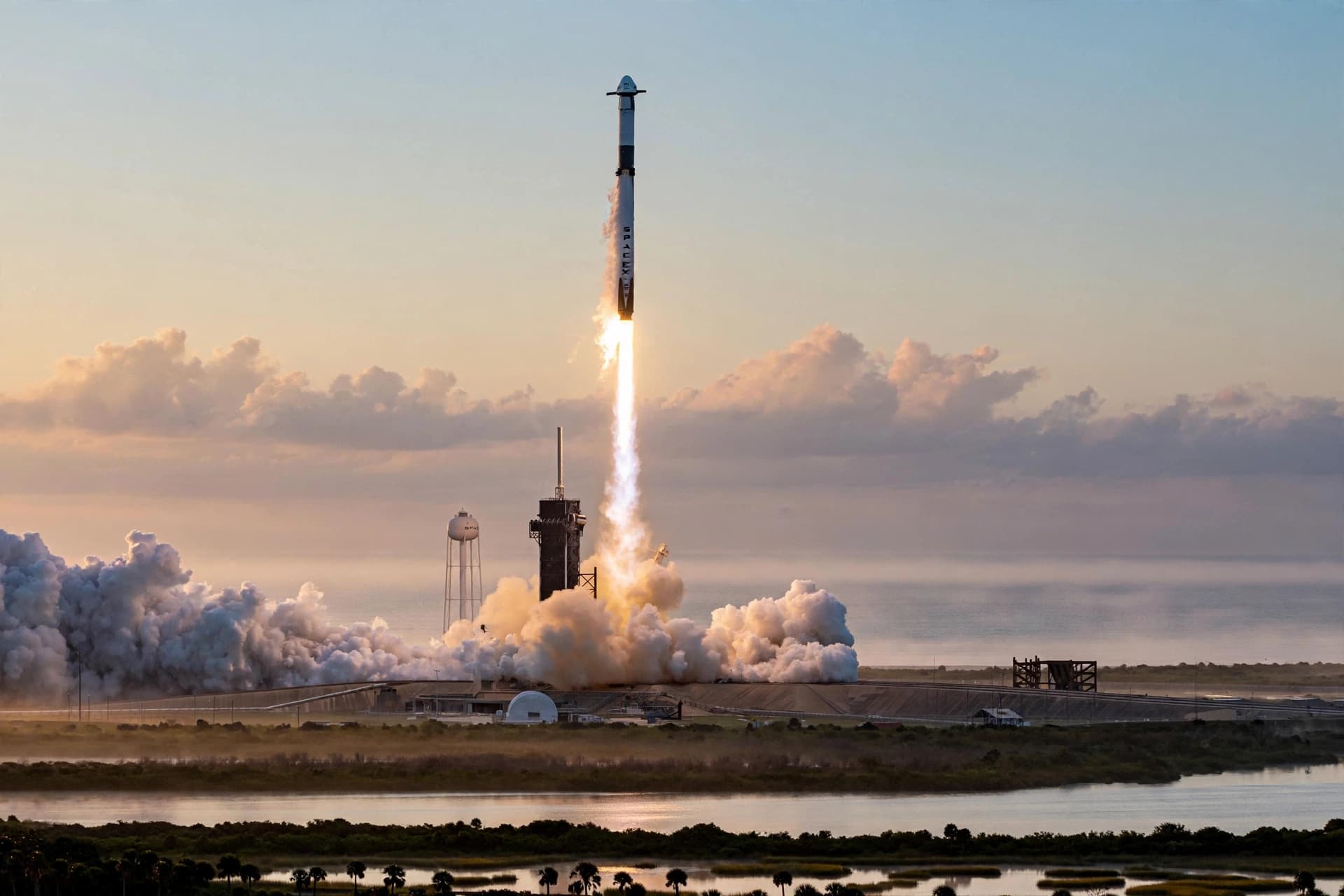
AI Image Disclaimer: The images used in this article are AI-generated representations created to illustrate International Space Station research and space cooperation.
Sources Verification Check: Verified sources available from: NASA, European Space Agency (ESA), Reuters, Space.com
Published by Banx Network. This article is part of the Banx decentralized media programme, powered by the BXE token on the XRP Ledger.