The Night Sky May Once Again Borrow Colors From the Sun
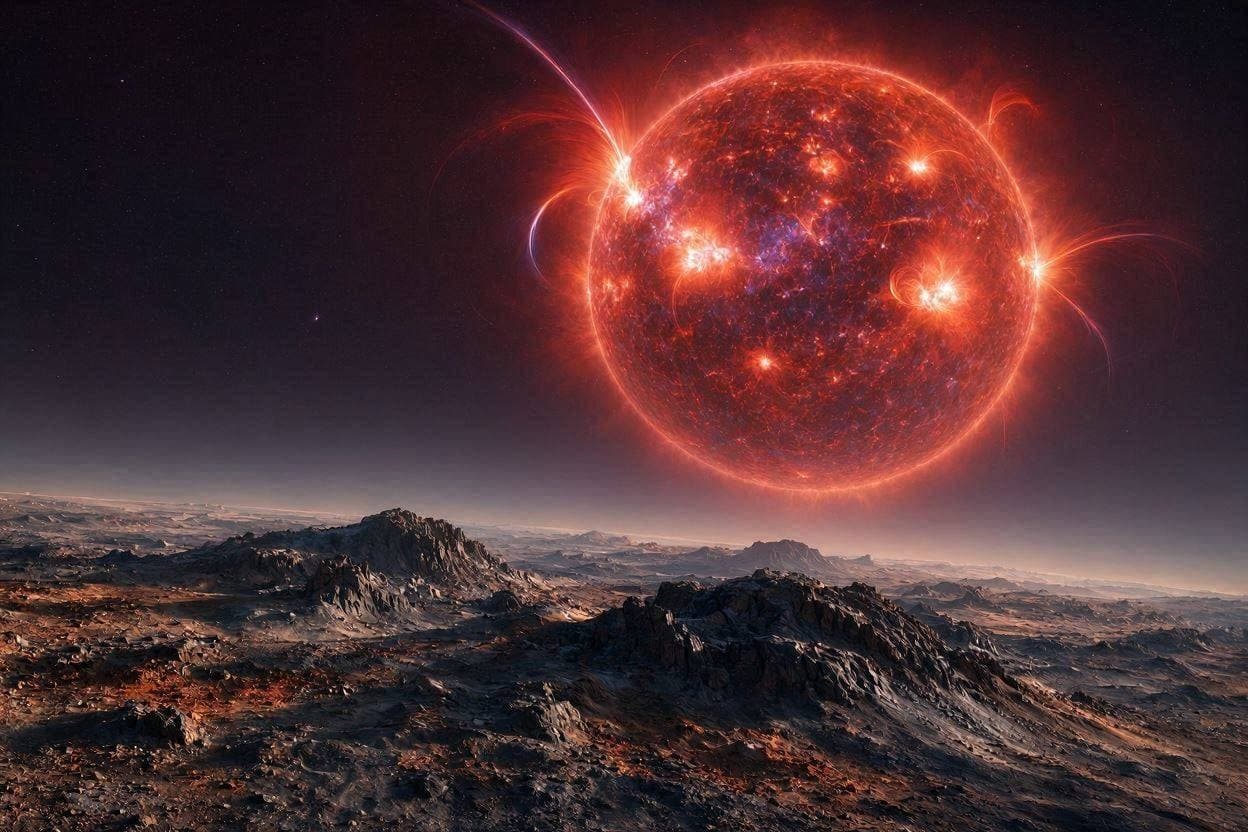
A strong geomagnetic storm could bring another northern lights display to Utah as solar activity intensifies.

A strong geomagnetic storm could bring another northern lights display to Utah as solar activity intensifies.

A major longevity research initiative explores genetic therapy and regenerative science aimed at extending healthy human lifespan, raising ethical debate.

Antarctica’s Thwaites Glacier shows weakening ice structures that may accelerate long-term sea level rise.

Global climate studies suggest the world may exceed 1.5°C warming within years, reshaping climate policy urgency.

UN warns Earth may hit record heat before 2030 as climate trends accelerate globally.

Reports say President Trump is seeking greater control over U.S. science funding, raising debate over research independence.

Scientists detect possible magnetic field signals from an exoplanet, offering insight into distant planetary systems.

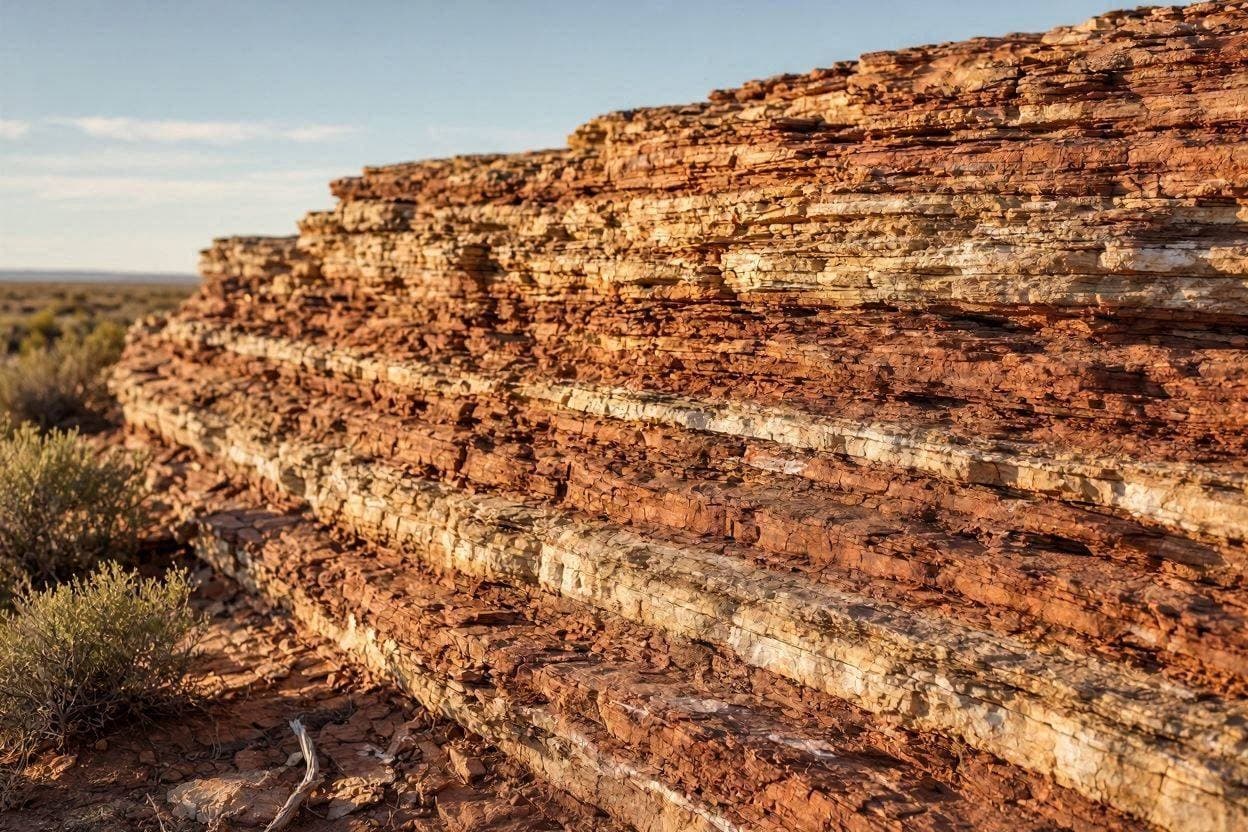
Study finds ancient oceans lost oxygen millions of years before major extinction events.

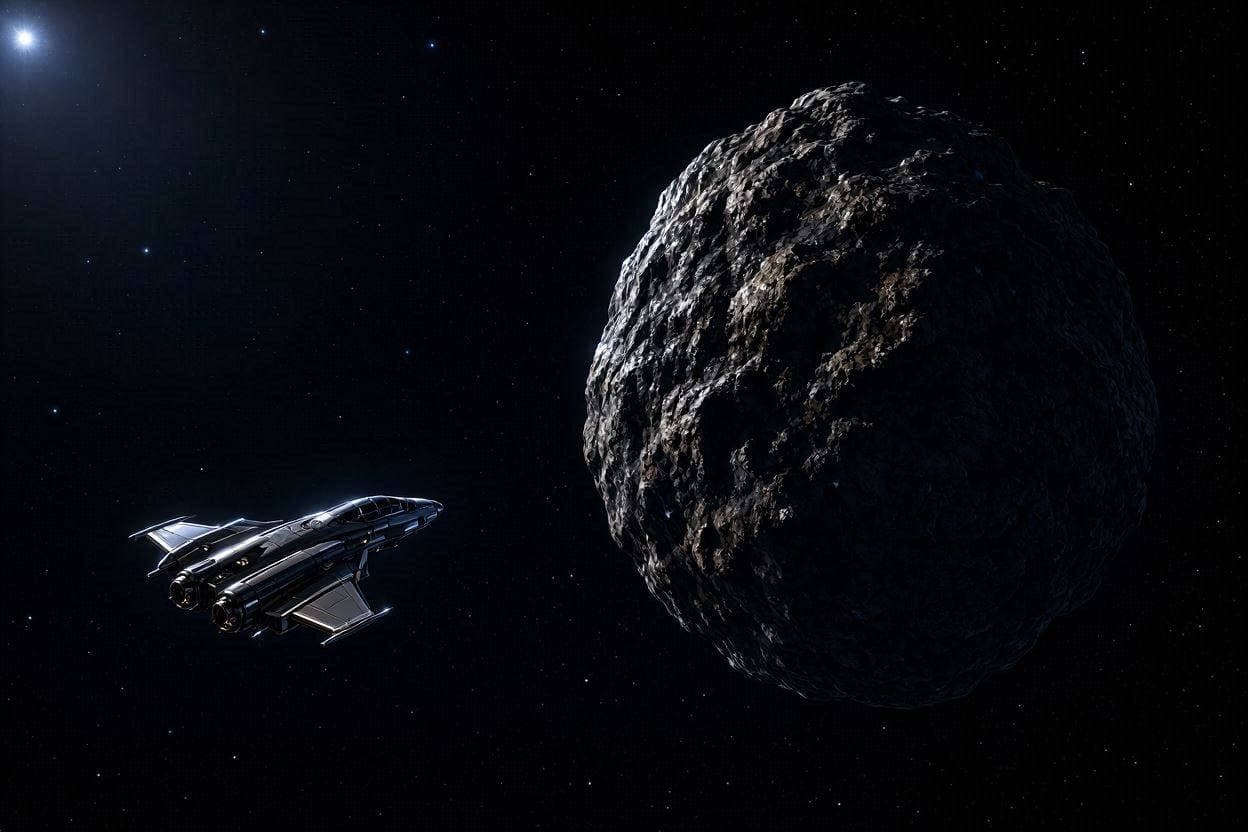
Meteorite findings suggest evidence of a lost protoplanet from early solar system formation.

Studies suggest autism may involve multiple biological brain patterns rather than a single neurological pathway.

Scientists confirm deep-focus earthquake activity, expanding understanding of Earth’s internal seismic behavior.

Shenzhou crew mission completes orbital phase with safe return, continuing China’s long-duration spaceflight program.

Reports indicate a testing setback in Blue Origin’s New Glenn rocket development, part of normal aerospace engineering challenges.

Reports suggest proposals to release sterile mosquitoes as a disease-control method using ecological intervention technology.

A new cosmic map reveals magnetic fields across intergalactic space, expanding understanding of large-scale structure.

A rare lunar occultation will briefly hide Venus behind the Moon, showcasing precise celestial alignment.

Artemis II crew visited Montreal, connecting lunar mission goals with public engagement and future space exploration.

NASA plans suggest possible sustained lunar habitation within years, focusing on habitats, resources, and long-term human adaptation.

The Crystal Ball Nebula reveals how dying stars shed layers that form structured, luminous remnants shaping cosmic recycling.

GWTC-4.0 expands gravitational-wave detections, refining black hole merger data and deepening insight into cosmic evolution.

Meteorite analysis suggests evidence of a lost protoplanet from early solar system formation.

Scientists discover a new fossil salamander species in Mexico, expanding knowledge of ancient amphibian evolution.

NASA retires its longtime Mars orbiter, concluding decades of observation and discovery.

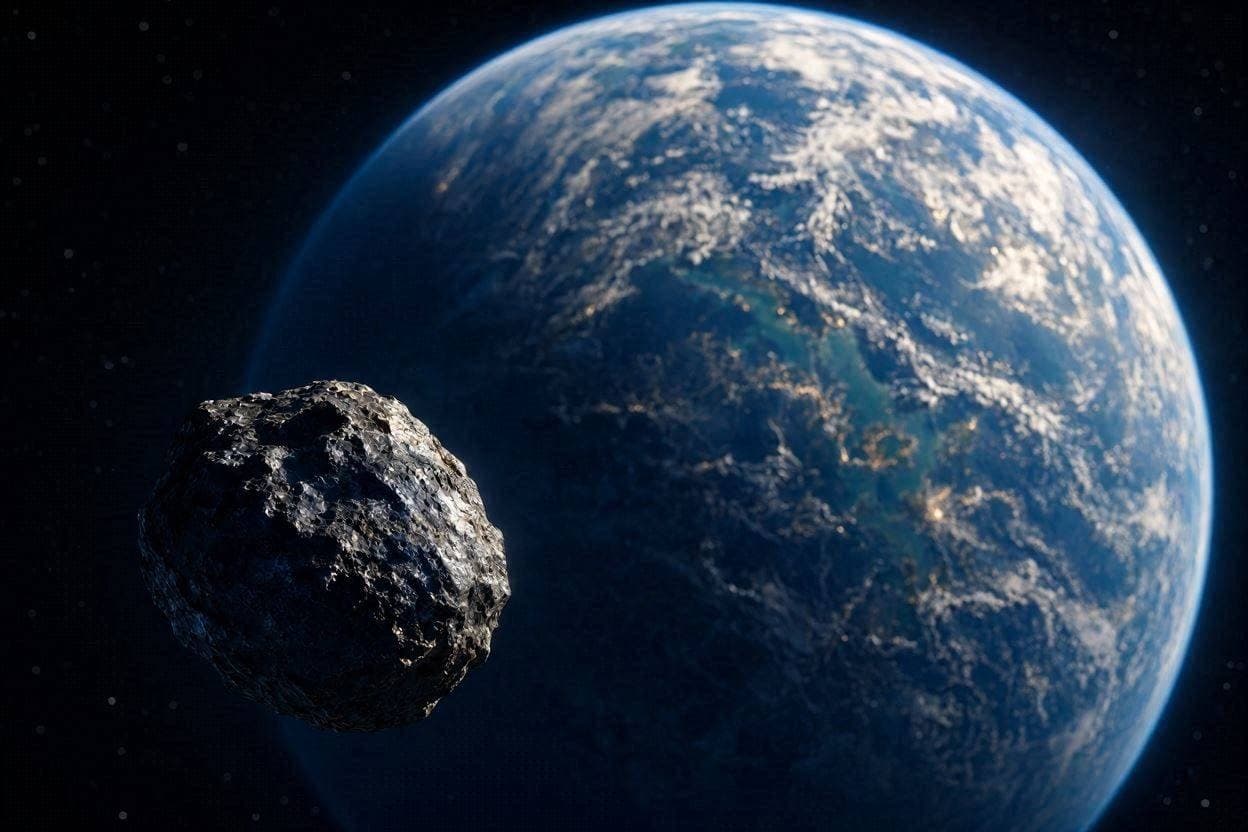
NASA identifies a meteor in Cape Cod as iron, offering insight into ancient cosmic history.