
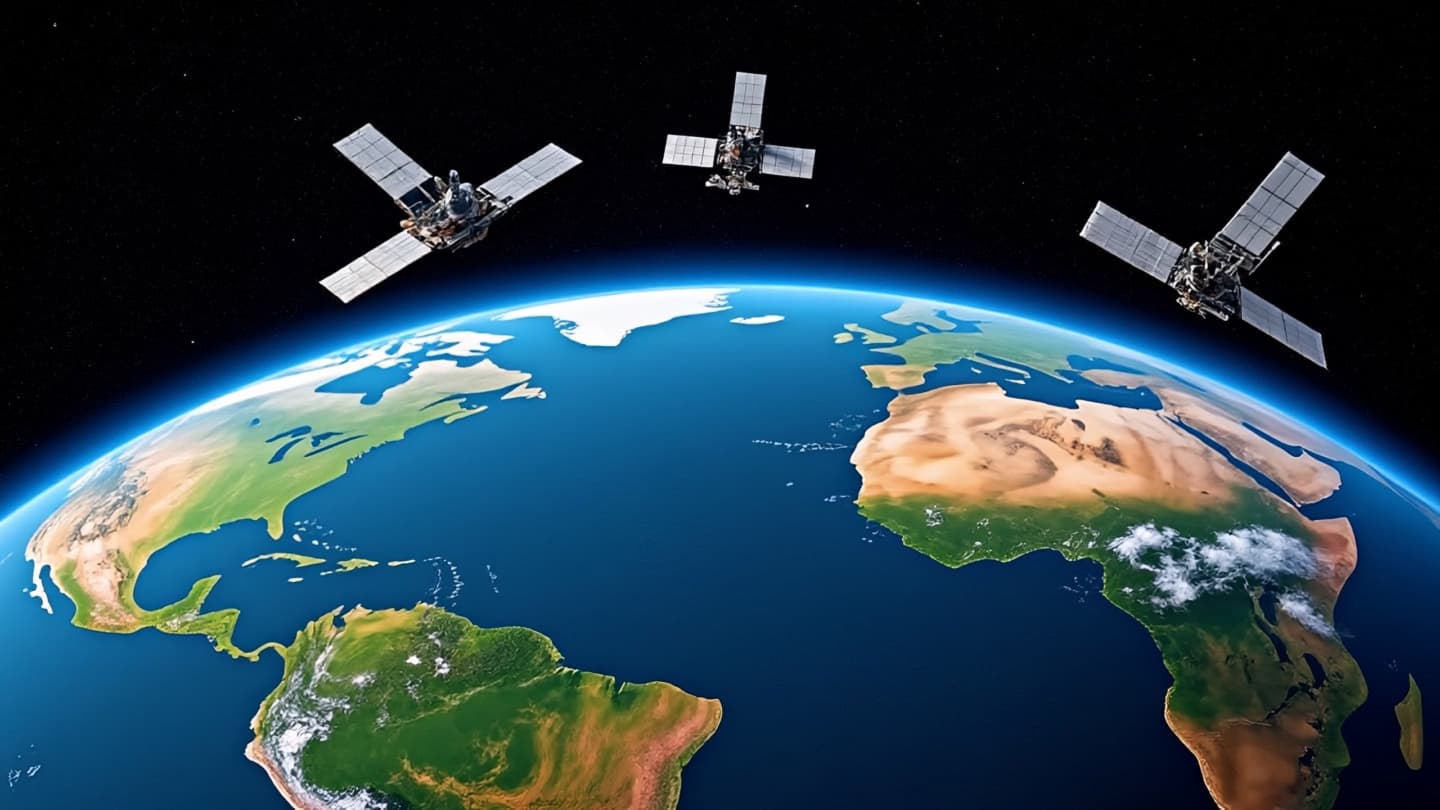
From high above the atmosphere, Earth appears peaceful and complete, yet beneath that blue surface lies a constantly changing system of oceans, forests, weather patterns, and human activity. Through advanced observation technology, NASA continues to expand scientific efforts to better understand how Earth’s complex systems evolve over time.
Satellite technology has become one of the most important tools in modern environmental research. By collecting information from space, scientists can study changes in land, oceans, atmosphere, and climate patterns with a level of detail that was once impossible.
NASA’s Earth observation programs provide valuable data that support researchers, governments, and organizations around the world. These measurements help scientists analyze environmental trends and improve understanding of natural processes affecting communities and ecosystems.
One important area of research involves monitoring changes in the atmosphere and climate systems. Scientists use satellite information to examine temperature patterns, cloud movements, ocean conditions, and other factors that influence Earth’s environment.
Beyond climate research, Earth observation technology also supports disaster monitoring and resource management. Satellite data can help communities better understand events such as storms, wildfires, and changes in natural landscapes.
The continued development of observation technology reflects the growing importance of accurate scientific information. As environmental systems become increasingly complex, reliable data helps researchers develop better models and improve decision-making.
International cooperation also plays a major role in Earth science. Space agencies and research institutions around the world share information and collaborate to strengthen humanity’s understanding of the planet.
NASA’s ongoing research demonstrates how technology can create a clearer picture of Earth’s condition. By looking at the planet from space, scientists continue to discover new ways to understand and protect the world people share.
AI Image Disclaimer: The images featured in this article are AI-generated scientific illustrations created to represent Earth observation and space research concepts.
Sources Verification Check: Verified sources available from: NASA, European Space Agency (ESA), Reuters, National Oceanic and Atmospheric Administration (NOAA).
Published by Banx Network. This article is part of the Banx decentralized media programme, powered by the BXE token on the XRP Ledger.



