There is a quiet strangeness to the idea that something so pervasive and constant—something we have never seen, heard, or felt—might be quietly shaping the pace at which our cells age. We live our entire lives bathed in the Earth's magnetic field. It passes through our bodies, through the walls of our homes, through the walls of our cells. Yet for all its ubiquity, science knows remarkably little about whether and how this invisible force affects the basic processes of life. A new study on fruit flies suggests that it might, and that the effects could be significant—at least for some.
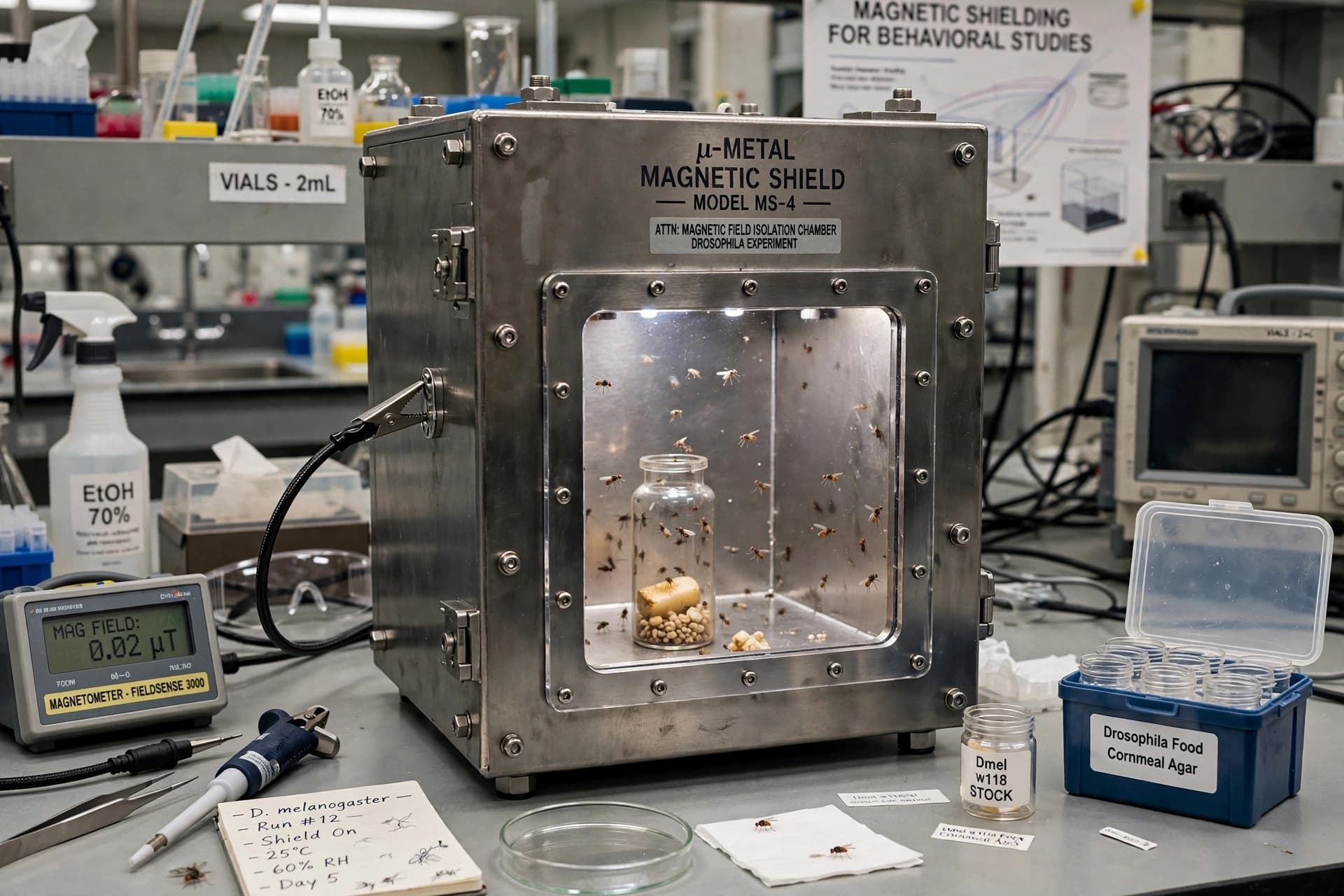
Researchers at the University of Nottingham kept fruit flies inside a magnetic shield—a nickel-iron box that blocks almost all of the Earth's magnetic field—and compared them with flies kept outside . Because previous research suggested magnetic fields can affect mitochondria, the tiny structures that provide cells with energy, they tested two types of fly: healthy ones, and others with a faulty gene called Pink1, which causes their mitochondria to malfunction. The results were striking. The Pink1 flies lived around 20 percent longer inside the shield, though their ability to move and climb declined. Healthy flies, meanwhile, became better climbers when shielded from the Earth's magnetic field, but did not live longer .
The findings suggest that the Earth's magnetic field could play a role in ageing, but its effects may depend on the health of an organism's mitochondria. "We live our entire lives within the Earth's magnetic field," said Prof Lisa Chakrabarti, who co-led the study. "It passes through our bodies, our cells and every living organism on the planet, yet we know surprisingly little about whether and how this invisible force affects the way our cells work" . Exactly why the magnetic field would have this effect remains unclear, and the researchers caution that much more work is needed to establish whether anything similar happens in humans.
The broader context of the study is that the Earth's magnetic field, generated by molten iron moving in the planet's outer core, is thought to have played an important role in making Earth hospitable to life by deflecting the solar wind and harmful radiation . Scientists already know that some animals, including migratory birds, can detect the magnetic field and use it to navigate. But much less is known about whether this ever-present force affects the basic processes taking place inside cells. "Research in this area is sparse, focusing mainly on how migrating animals sense magnetic fields," said doctoral candidate Jacob Reed, a co-author. "Yet we still know very little about why all living organisms need or don't need a magnetic field to function normally in the first place" .
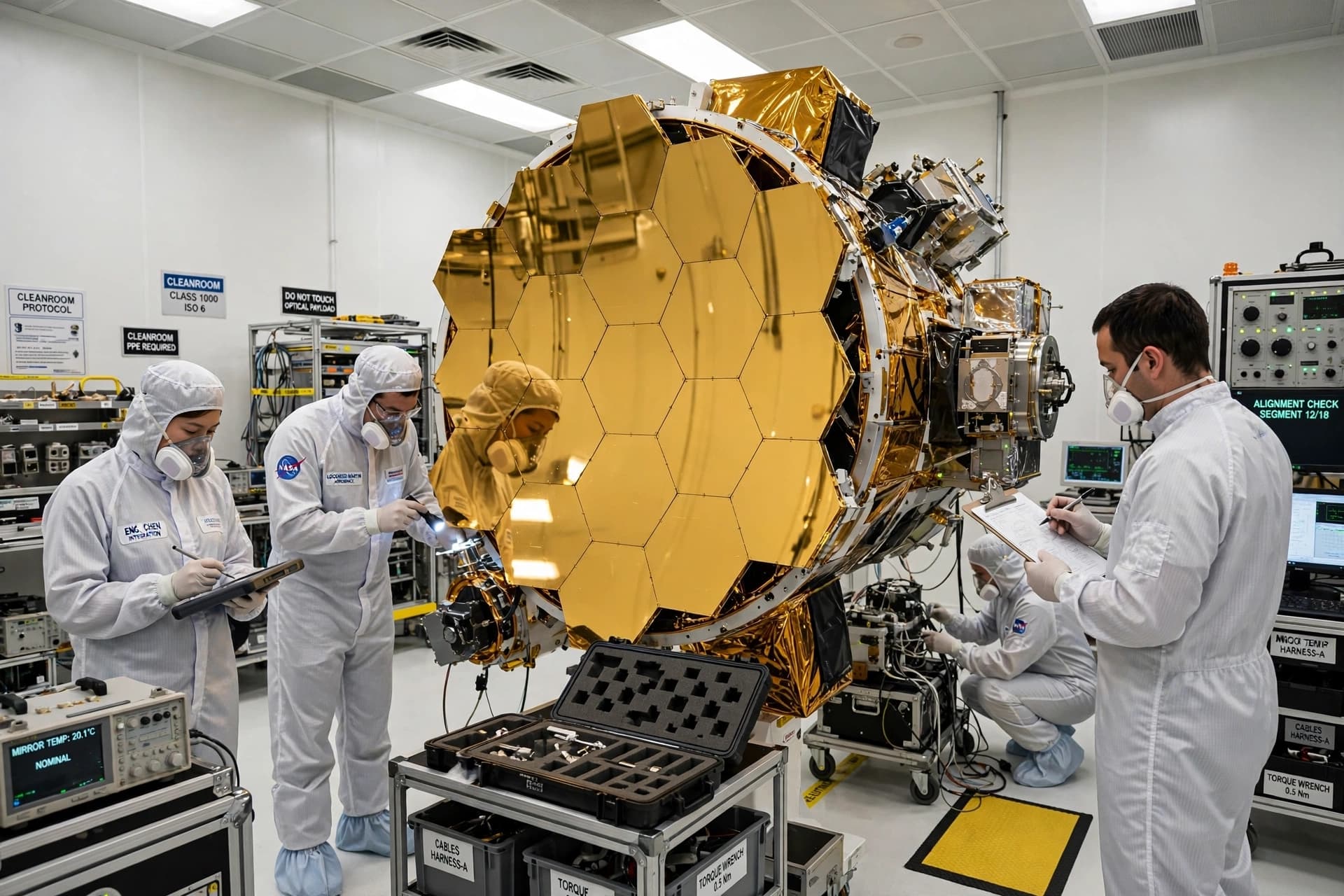
Understanding this could become more important as humans spend longer periods beyond the Earth's protective magnetic environment. Astronauts traveling to the Moon or Mars, for example, would be exposed to a very different magnetic environment from the one in which life evolved . The new research was published in the journal Aging. It is a small study, on a single species, with no immediate implication for human health. But it raises a question that has rarely been asked: if the invisible force that surrounds us is also inside us, what is it doing there?
AI Image Disclaimer: All images in this article are AI-generated and are intended for illustrative purposes only.
Sources: BBC Science Focus Magazine, Aging
Published by Banx Network. This article is part of the Banx decentralized media programme, powered by the BXE token on the XRP Ledger.