Nature’s celebration: Northern Lights join July 4 festivities.
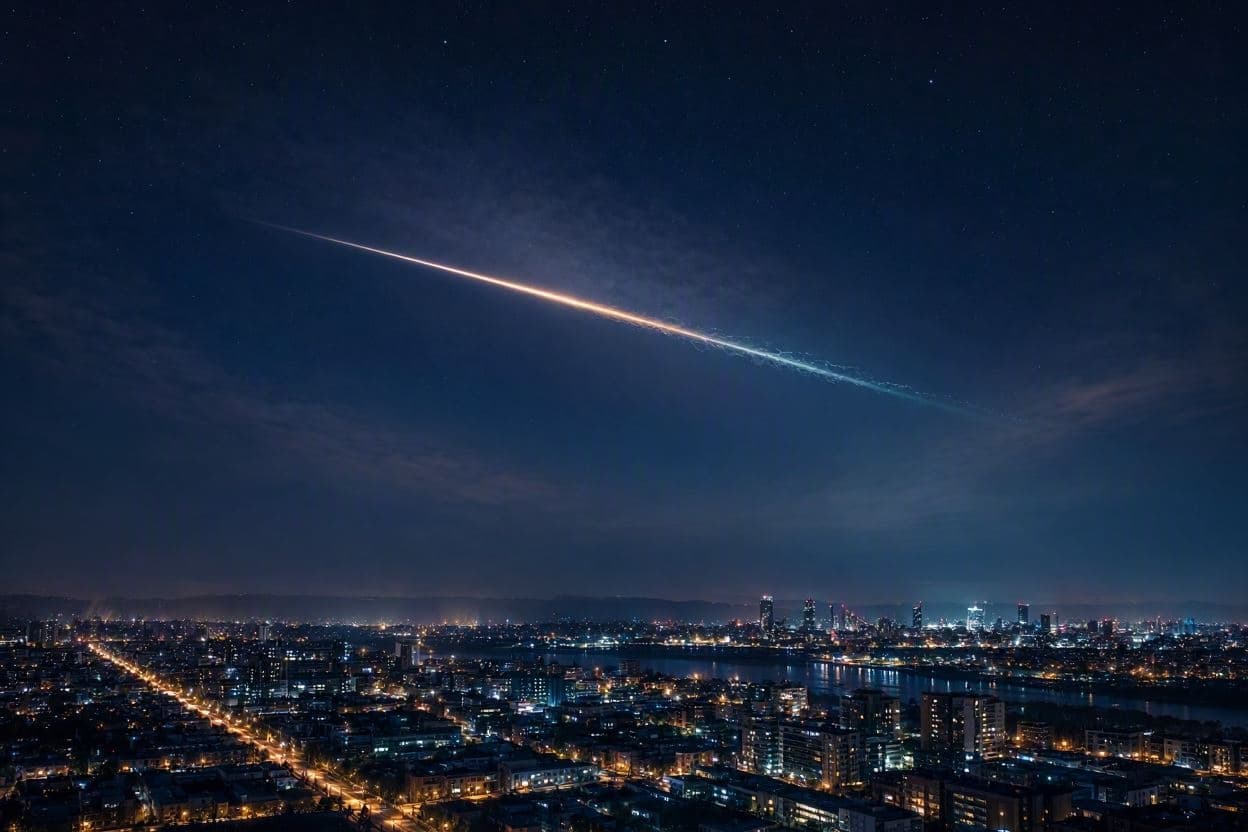
A strong geomagnetic storm may make the Northern Lights visible in up to 26 U.S. states on July 4, offering a rare summer aurora display to coincide with Independence Day celebrations.

A strong geomagnetic storm may make the Northern Lights visible in up to 26 U.S. states on July 4, offering a rare summer aurora display to coincide with Independence Day celebrations.

China's academic community is reviewing research integrity concerns while institutions emphasize transparency, accountability, and scientific standards.

Scientists in the United States are developing a BioVault to preserve genetic material from endangered species, supporting future conservation research.

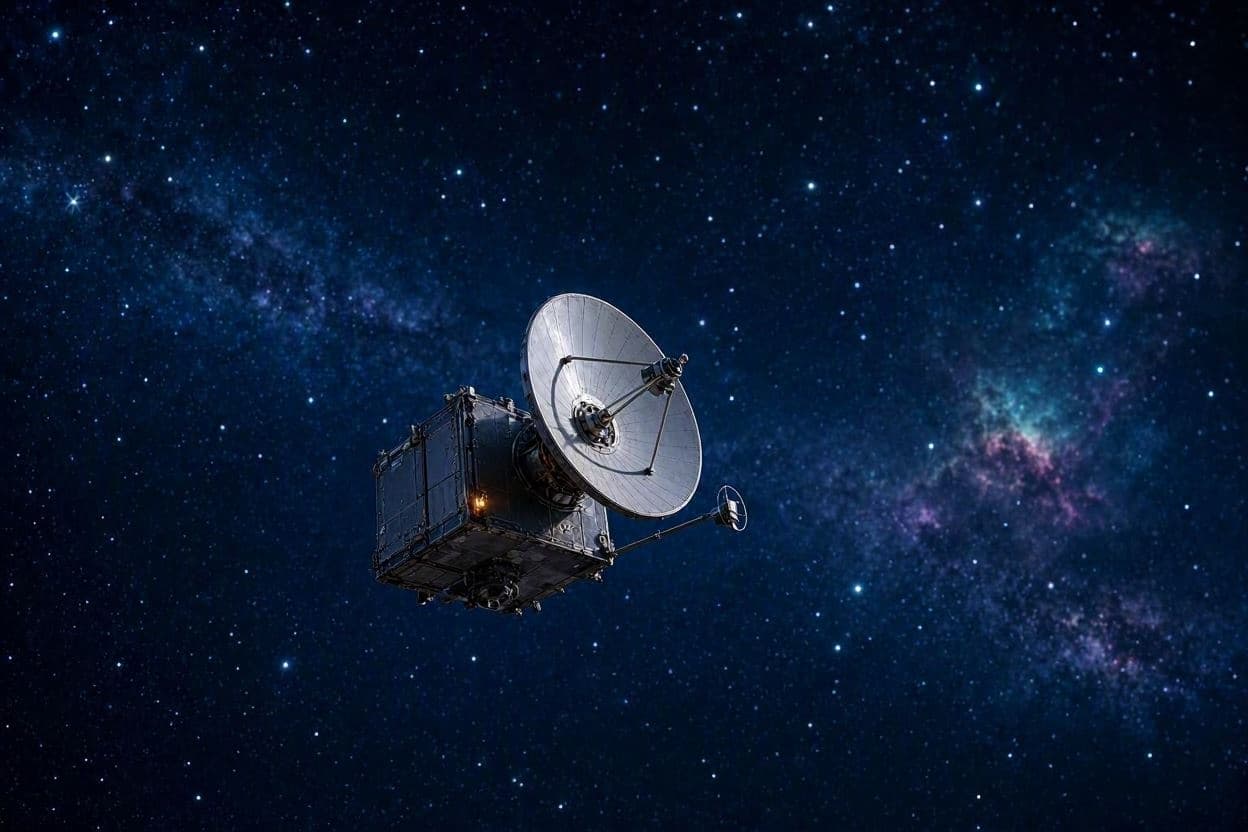
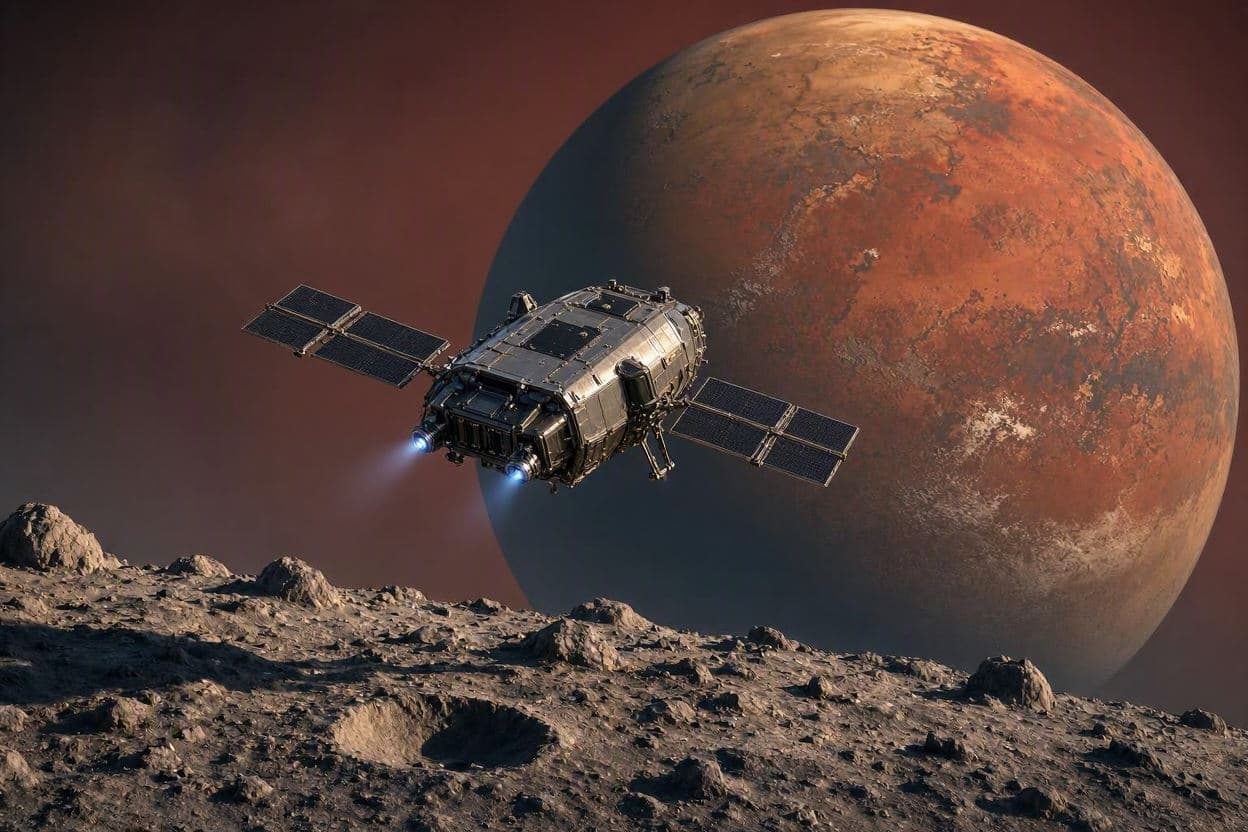
Engineers are studying a robotic mission that could extend the life of an aging space telescope by restoring its orbital position.

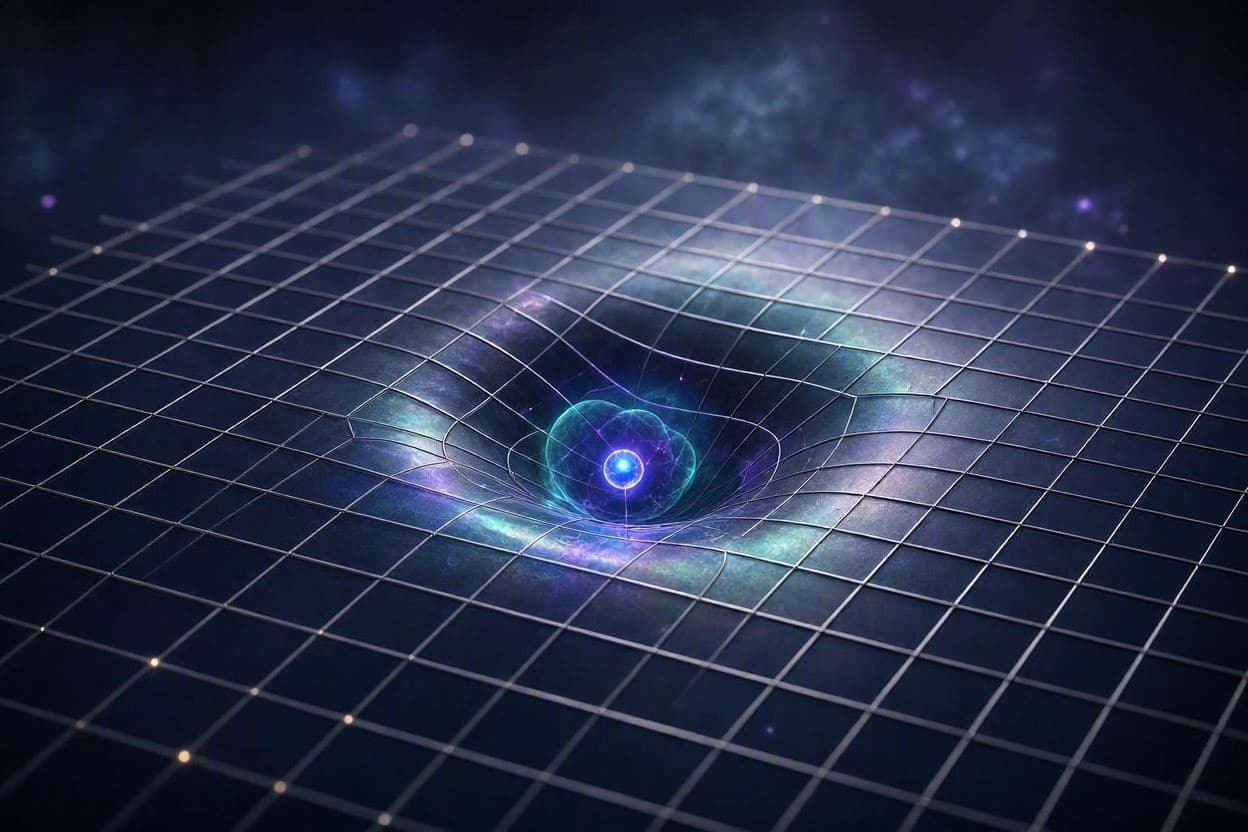
Scientists have demonstrated a quantum technique that reverses specific quantum processes, offering promising applications for quantum computing and fundamental physics.

NTIRE 2026 showcases major advances in AI image processing, with applications in science, healthcare, and digital technology.

New research into particle physics and jet production improves scientific understanding of matter and high-energy interactions.

Astronomers report that exoplanet TOI-2195 A b may have evolved from a Jupiter-like giant after losing most of its mass, offering new clues about planetary evolution.

Australian astronomers have identified unusual properties in repeating Fast Radio Burst FRB20250613A, offering new insights into its turbulent cosmic environment.

NASA scientists detected unusual molecular signals in a distant supernova remnant, suggesting more complex chemical processes in stellar explosions than previously known.

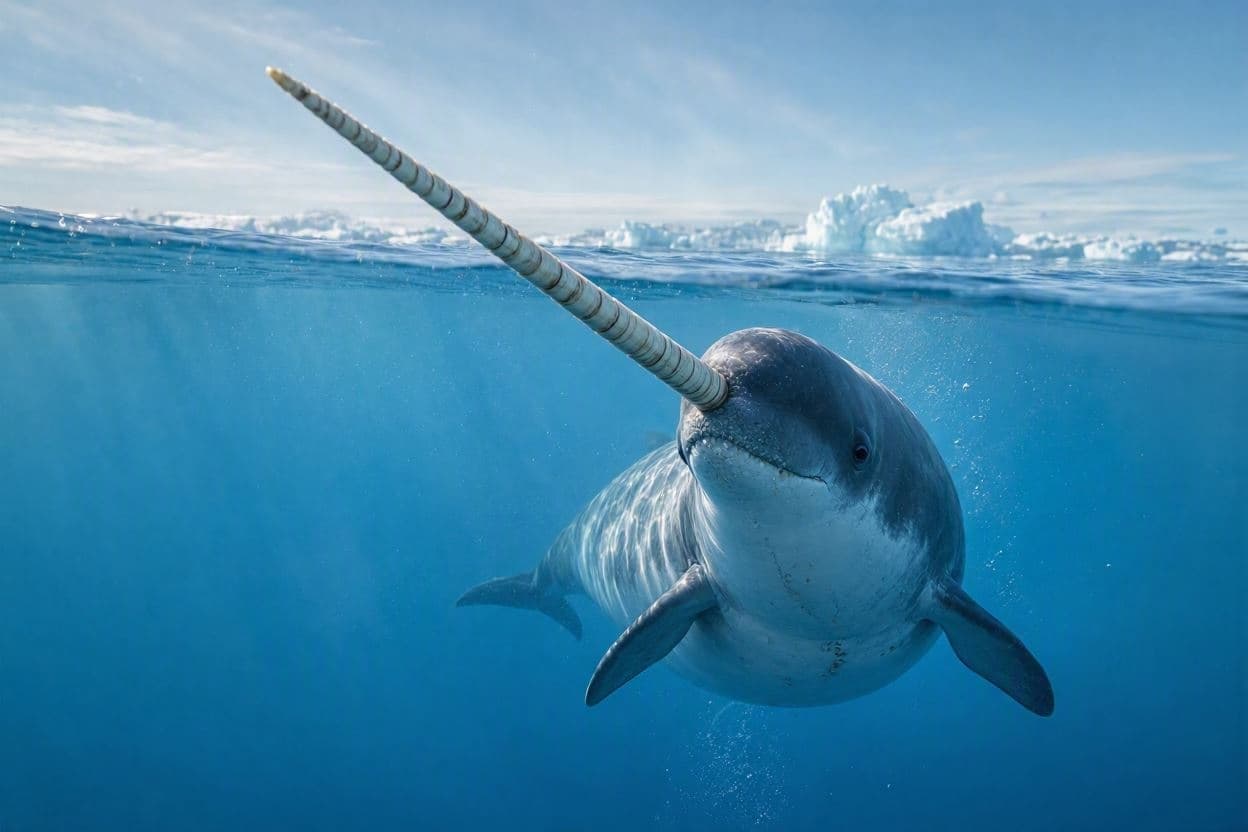
Scientists are investigating an unexpected 60% decline in humpback whale sightings off Western Australia while seeking environmental explanations through continued research.

Australia contributes key ground-based support and research to global NASA space missions and deep-space communication.

Australia’s marine ecosystems show possible shifts in species populations, prompting continued scientific monitoring.

Antarctic climate changes raise long-term environmental risks for Australia, particularly in sea level and weather systems.

Australia’s AI data center expansion raises energy consumption concerns and pushes debate on sustainable power solutions.

Studies suggest some brains show structural resilience that may delay or reduce effects of Alzheimer’s disease.

NASA satellite data helps monitor air quality and environmental conditions during major global events like the World Cup.

Scientists explore theoretical space-based shielding concepts to reduce impacts of solar storms on Earth’s technology systems.

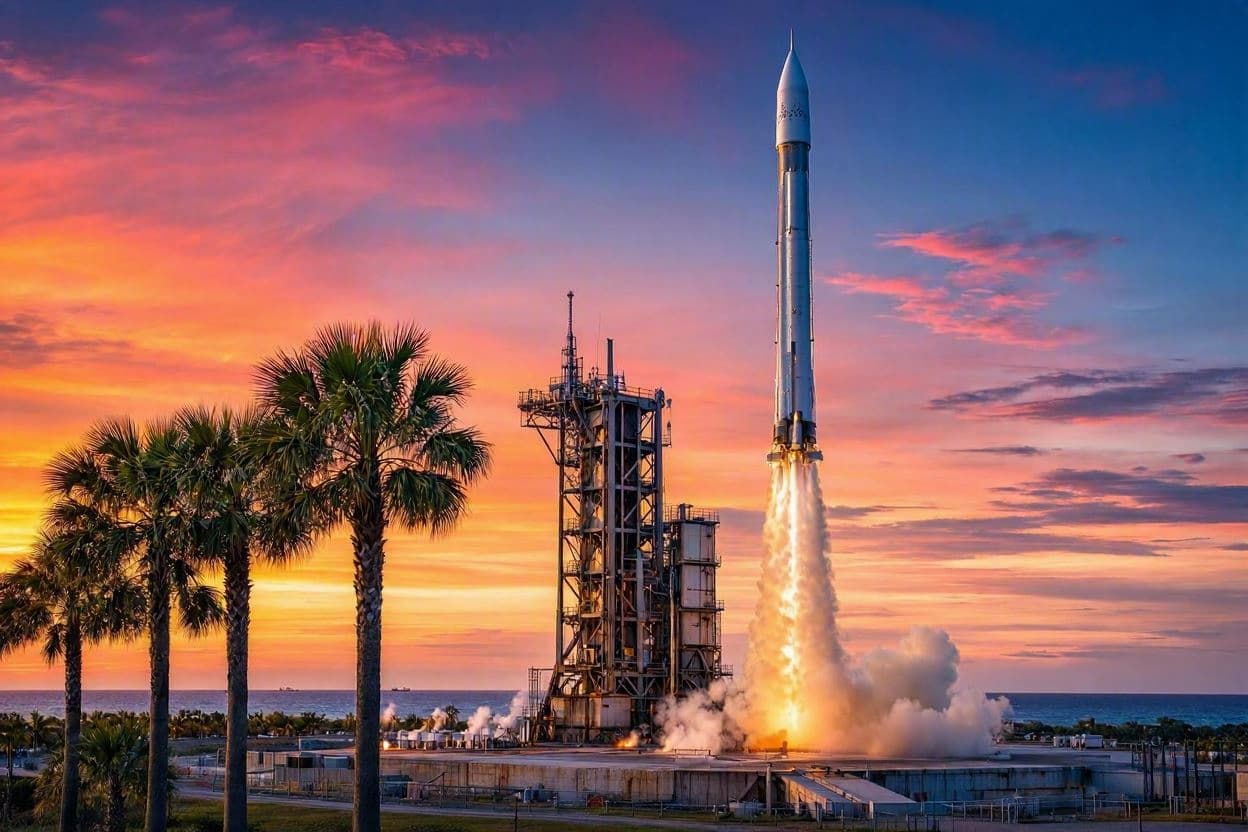
A major Artemis 3 structural component arrives at Kennedy Space Center, marking progress toward future Moon missions.

NASA performs orbital intervention to extend the life of the Swift Observatory and preserve ongoing space research.

A strong geomagnetic storm may allow aurora visibility across multiple U.S. states due to increased solar activity.

The Vera C. Rubin Observatory will conduct a 10-year sky survey, creating a continuous “movie” of the universe for scientific discovery.

Reports indicate monitoring of a NASA-related telescope experiencing orbital decay, prompting discussions on possible mitigation or deorbit planning.

Canada expands hydrogen energy infrastructure as part of its clean energy transition strategy.