The deserts of Saudi Arabia are today vast expanses of arid sand and stone, seemingly inhospitable to early human life. Yet, beneath the dunes lies evidence of a greener past, when rivers flowed and lakes shimmered under a milder climate. Recent discoveries suggest that Neanderthals, our extinct cousins, ventured into this region around 55,000 years ago, traveling farther south than previously believed. This finding reshapes our understanding of human migration and the adaptability of ancient species.
Archaeologists have uncovered stone tools and fossilized footprints in the Nefud Desert, dating back to the Late Pleistocene. These artifacts bear the distinctive marks of Neanderthal craftsmanship, characterized by specific flaking techniques and tool shapes. The presence of these items in southern Arabia indicates that Neanderthals were not confined to Europe and Western Asia but were capable of expanding into new territories when environmental conditions allowed.
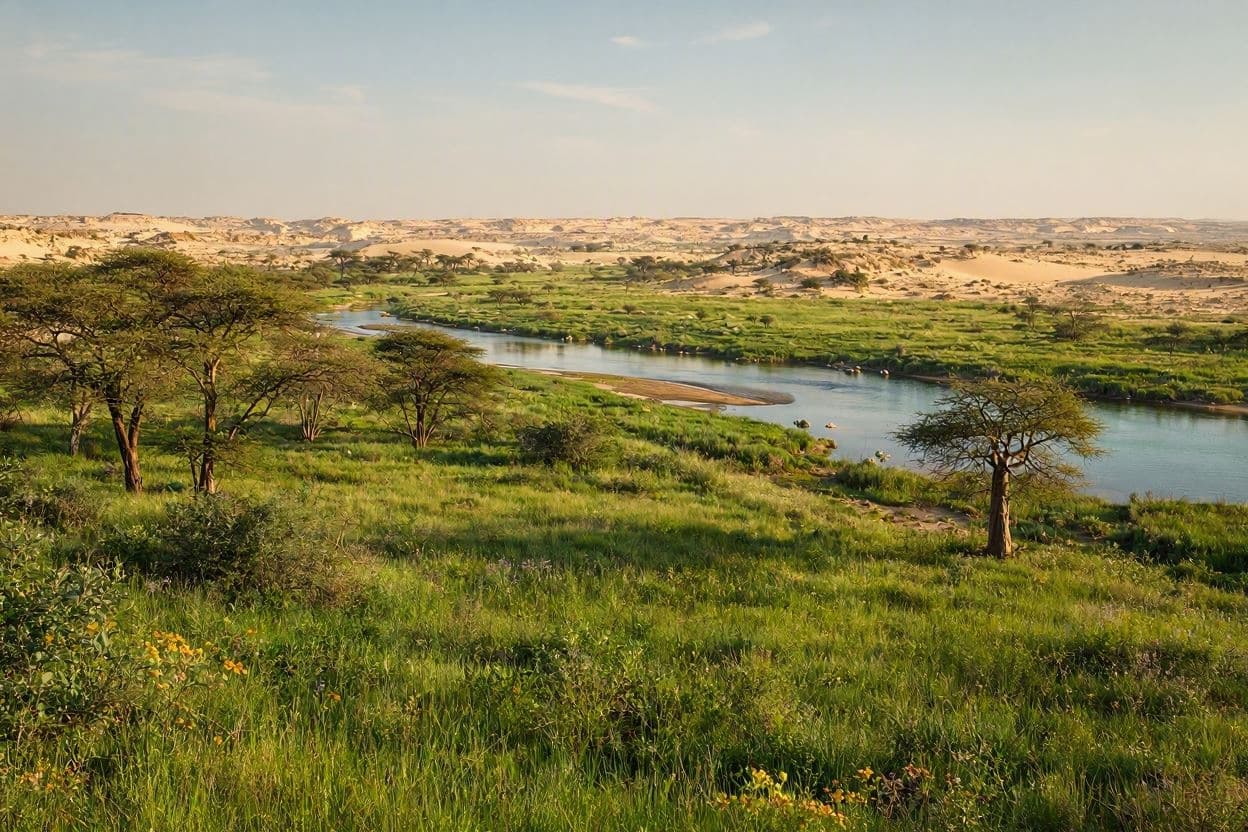
During the period in question, the Arabian Peninsula experienced "green phases" driven by shifts in monsoon patterns. Rainfall increased, transforming the desert into a savanna-like landscape dotted with water sources. This ecological window would have provided the resources necessary for survival, attracting both humans and animals. For Neanderthals, accustomed to cooler climates, this warmer environment may have offered a refuge or a new hunting ground.
The discovery challenges the traditional view that Neanderthals were less mobile or adaptable than modern humans. It suggests that they possessed the cognitive and physical skills to navigate diverse environments, including arid regions. This flexibility may have been key to their survival for hundreds of thousands of years, allowing them to thrive in a variety of ecological niches.
For researchers, the site offers a rare glimpse into the interactions between different hominin groups. Modern humans were also present in the region during this time, raising questions about whether Neanderthals and Homo sapiens crossed paths in Arabia. While direct evidence of interaction is scarce, the overlapping timelines suggest that the peninsula was a crossroads of human evolution.
The excavation efforts in Saudi Arabia are part of a broader initiative to explore the kingdom’s archaeological heritage. Supported by international collaborations, these projects are uncovering a rich history that predates recorded civilization by millennia. Each find adds depth to our knowledge of the past, revealing the complex movements of our ancestors.
Climate change plays a central role in this narrative. Just as past shifts opened doors for migration, current changes are altering the landscape again. Studying how ancient peoples responded to environmental variability provides valuable insights for understanding human resilience. It reminds us that our history is deeply intertwined with the Earth’s climatic rhythms.
As more sites are explored, the map of Neanderthal expansion continues to grow. The Saudi Arabian desert, once seen as a barrier, is now recognized as a corridor of movement. This shift in perspective enriches our story, showing that even in the harshest places, life finds a way to persist and explore.
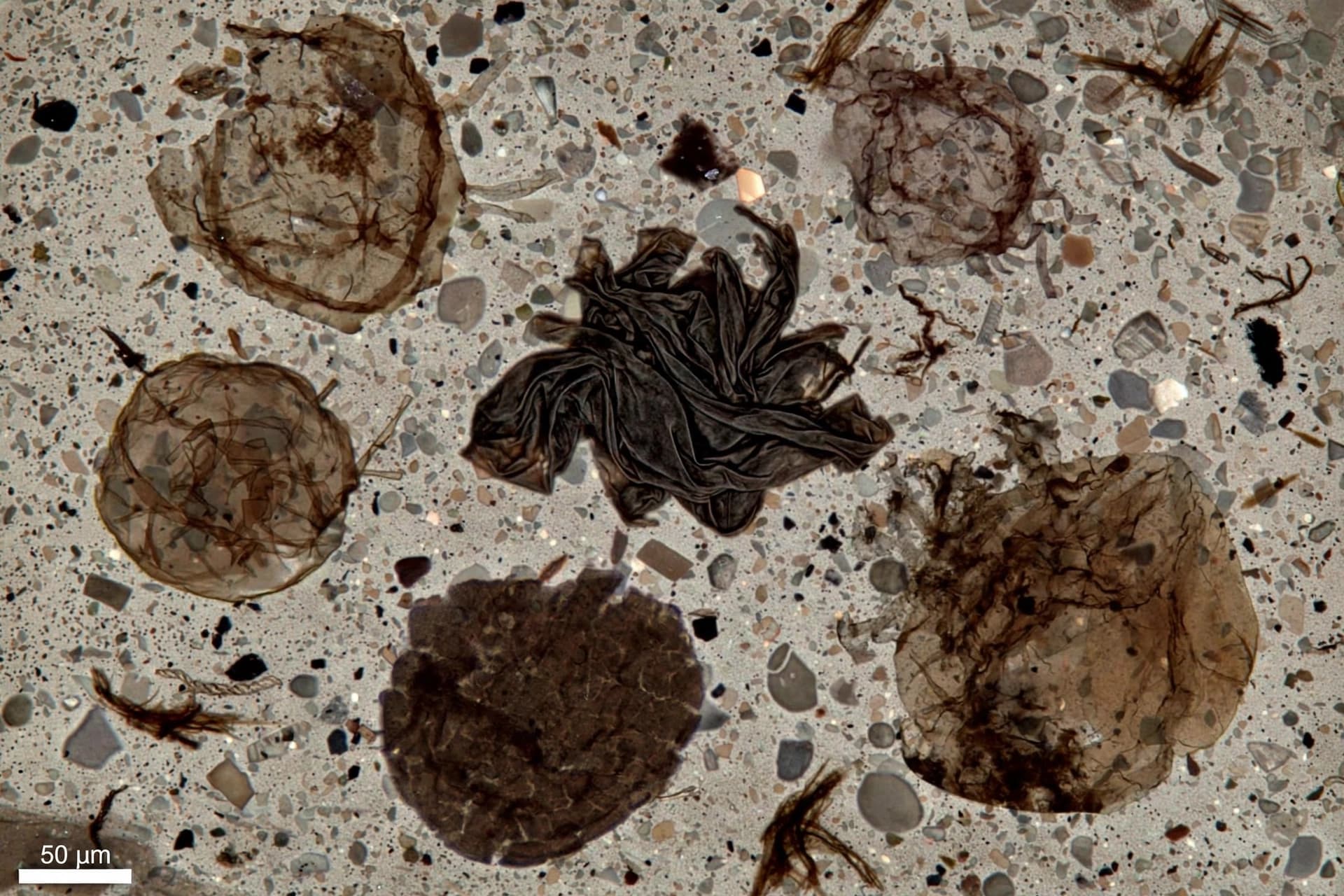
AI Image Disclaimer: Images accompanying this report are AI-generated artistic interpretations of prehistoric landscapes and archaeological sites, intended to visualize the context of Neanderthal migration without depicting real fossils or proprietary excavation data.
Sources: Nature Human Behaviour, Smithsonian Magazine, BBC News, Al Arabiya
Published by Banx Network. This article is part of the Banx decentralized media programme, powered by the BXE token on the XRP Ledger.