The surface of Mars is a landscape of rust-colored dust and ancient rock, captured in stunning detail by NASA’s Perseverance rover. Recently, however, one image sparked a different kind of curiosity. A peculiar formation in a photograph appeared to resemble a jellyfish, complete with a bell-shaped body and trailing tentacles. The image quickly circulated online, igniting a frenzy of speculation and creative interpretation among space enthusiasts and skeptics alike.
For those who saw the shape, it was a moment of wonder. Could there be life on Mars? Was this a biological remnant preserved in stone? The human brain is wired to recognize patterns, a phenomenon known as pareidolia, where we perceive familiar shapes in random data. Faces in clouds, animals in rock formations, and now, a jellyfish on the Red Planet. This instinctive recognition drives much of the public’s engagement with space imagery.
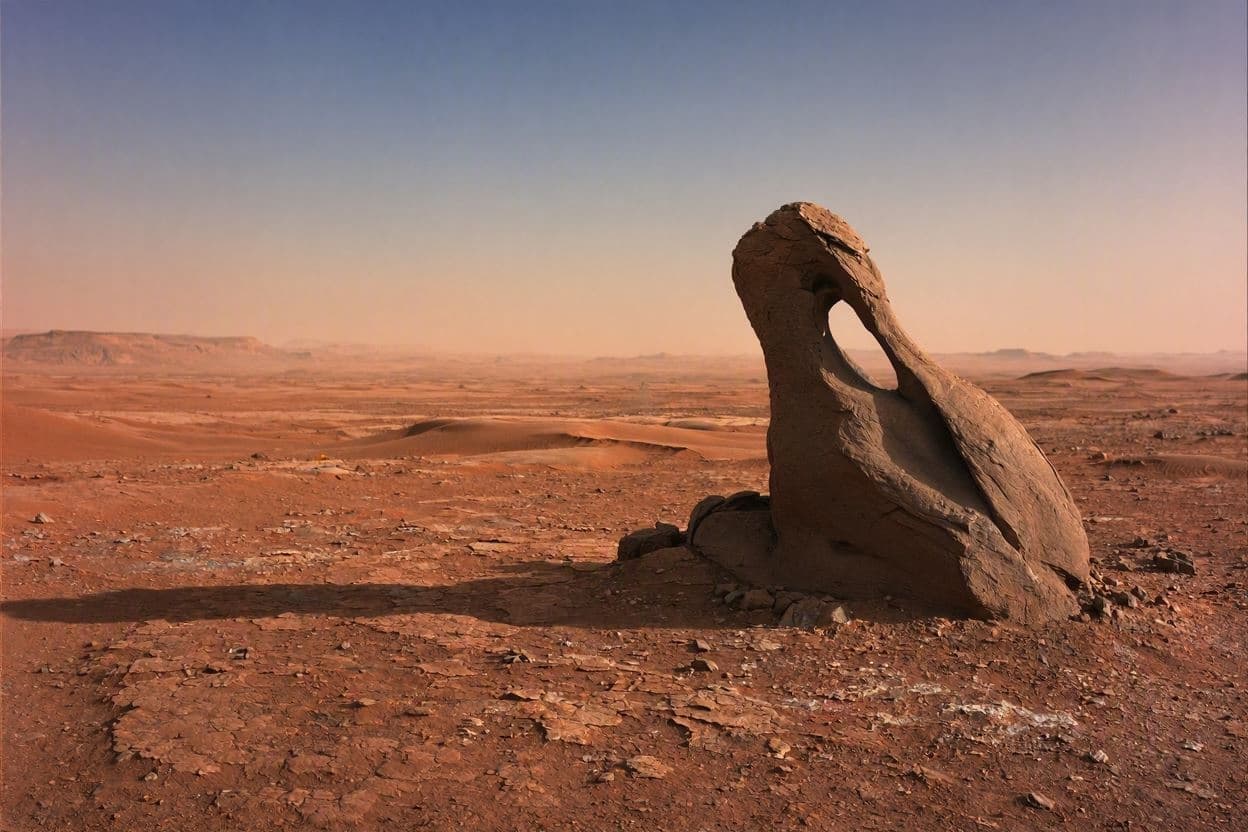
NASA scientists, however, offer a more geological explanation. The "jellyfish" is likely a trick of light and shadow on a complex rock structure. Wind erosion, sedimentary layering, and mineral deposits can create intricate shapes that mimic organic forms. When viewed from a specific angle, these natural features can look remarkably like terrestrial creatures. Experts point out that similar illusions have occurred in previous missions, from the "Face on Mars" to various "critters" found by earlier rovers.
Despite the scientific consensus, the excitement persists. Social media users have shared memes, artwork, and theories, turning the photo into a cultural moment. This enthusiasm highlights the public’s deep desire to find connection with other worlds. Even if the object is just a rock, the imagination it sparks is real and valuable. It encourages people to look closer, to ask questions, and to engage with science in a personal way.
For the Perseverance team, such images are routine but always interesting. They remind us that Mars is a dynamic world with a complex history. Each rock tells a story of water, wind, and time. While this particular formation may not be biological, it contributes to our understanding of Martian geology. Scientists will likely analyze the composition of the rock using the rover’s instruments to determine its origin.
The incident also underscores the importance of context in scientific communication. Without explanation, images can be misinterpreted. NASA regularly releases raw images, allowing the public to explore the data directly. This transparency fosters trust and invites collaboration, even if it sometimes leads to wild guesses. The dialogue between scientists and the public is a vital part of the exploration process.
As the frenzy subsides, the focus returns to the broader mission. Perseverance continues to collect samples and search for signs of ancient microbial life. The "jellyfish" rock is just one small piece of a much larger puzzle. Yet, it serves as a reminder that exploration is not just about data; it is about wonder.
In the end, whether it is a rock or a relic, the image captures our attention. It invites us to dream of what might be hidden in the dust of Mars. And in that dreaming, we find a shared sense of curiosity that binds us all, here on Earth and looking outward.
AI Image Disclaimer: Visuals in this article are AI-generated illustrations of Martian landscapes and abstract rock formations, designed to visualize the concept of pareidolia without depicting the actual controversial NASA image.
Sources: NASA JPL, Space.com, Live Science, The Verge
Published by Banx Network. This article is part of the Banx decentralized media programme, powered by the BXE token on the XRP Ledger.