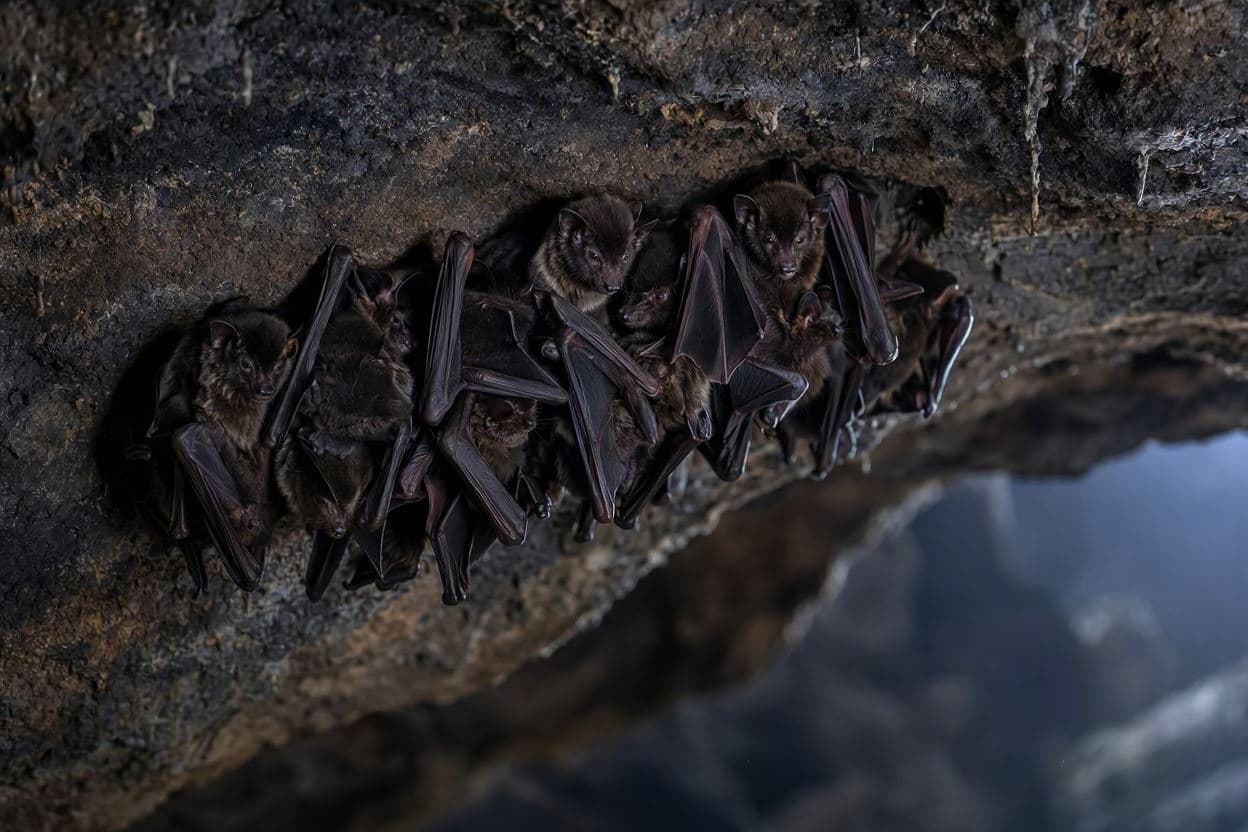
In the dark, quiet corners of tropical caves, a surprising drama of generosity unfolds. Vampire bats, often misunderstood as solitary predators, engage in a complex social behavior that defies simple explanations of instinct. When a bat returns from a night of feeding unsuccessful, it may face starvation within days. Yet, it is not alone. Roost-mates, including those unrelated by blood, will regurgitate shared blood meals to keep their hungry companions alive. This act of sharing is not random; it is part of a sophisticated system of reciprocity.
Researchers have observed that these bats keep mental tabs on who has helped them in the past. If a bat receives food from a particular individual, it is more likely to return the favor later. This memory-based exchange resembles a tiny favor economy, where trust and reputation play crucial roles. It suggests a level of cognitive sophistication previously underestimated in small mammals. The bats are not just acting on impulse; they are engaging in strategic social bonding.
This behavior challenges the traditional view that altruism is limited to kin selection. While helping relatives ensures the survival of shared genes, helping non-relatives requires a different motivation. For vampire bats, the benefit lies in building a reliable network of support. In an environment where food sources are unpredictable, having friends who will share their bounty is a vital survival strategy. It transforms the roost from a mere shelter into a community of mutual aid.
The mechanism behind this reciprocity involves vocalizations and physical interactions. Bats groom each other and communicate through specific calls, strengthening social bonds. These interactions help establish who is a reliable partner and who is not. Cheaters—those who take but do not give—are eventually excluded from the network, facing the harsh reality of going hungry when they need help most. This social enforcement ensures the stability of the system.
Scientific studies using detailed observations and tracking have confirmed these patterns. By monitoring individual bats over time, researchers can see the flow of resources and the formation of alliances. The data reveals that relationships are dynamic, evolving based on recent interactions. A bat that was generous yesterday may be ignored today if it failed to share last week. This fluidity highlights the importance of consistent cooperation.
The implications for understanding animal cognition are profound. It suggests that the roots of human-like social contracts may be deeper in the evolutionary tree than previously thought. The ability to remember past interactions and adjust behavior accordingly is a foundational skill for complex societies. Vampire bats offer a window into how such skills might have evolved in response to environmental pressures.
For conservationists, understanding these social structures is important. Disrupting bat colonies can break these vital networks, making populations more vulnerable to disease and starvation. Protecting their habitats means preserving not just the individuals but the social fabric that holds them together. It reminds us that even the smallest creatures have rich inner lives and complex relationships.
In the end, the story of the vampire bat is one of connection. In the darkness of the cave, they find light through cooperation. Their tiny favor economy is a testament to the power of community, showing that even in the wild, no one has to survive alone. It is a gentle reminder that kindness, in its own way, is a universal language.
AI Image Disclaimer: Visuals in this article are AI-generated illustrations of bat colonies and abstract representations of social networks, designed to visualize the concept of reciprocity without depicting graphic biological processes.
Sources: National Geographic, Science Daily, The Conversation, BBC Earth
Published by Banx Network. This article is part of the Banx decentralized media programme, powered by the BXE token on the XRP Ledger.