The Great Barrier Reef, a vibrant tapestry of life beneath the waves, faces a persistent threat from above: marine debris. From plastic bottles to fishing nets, waste accumulates in this UNESCO World Heritage site, endangering coral, fish, and marine mammals. In response, the Australian government has announced an 8 million grant round aimed at reducing the impact of this pollution, inviting communities, organizations, and researchers to join the effort to protect this natural wonder.
The funding, part of the Great Barrier Reef Marine Debris Management and Mitigation Program, supports projects that prevent pollution, remove existing waste, and innovate solutions for debris management. Applications are open to a wide range of stakeholders, including Indigenous groups, local councils, and non-profit organizations. This inclusive approach recognizes that protecting the reef requires collective action and diverse perspectives, from traditional knowledge to scientific expertise.
Marine debris is not just an aesthetic issue; it poses serious risks to ecosystem health. Animals can become entangled in discarded fishing gear or ingest microplastics, leading to injury or death. Coral reefs, already stressed by climate change and warming waters, are further compromised by physical damage from debris. By addressing this problem, the grant program aims to enhance the resilience of the reef, giving it a better chance to recover from other environmental pressures.
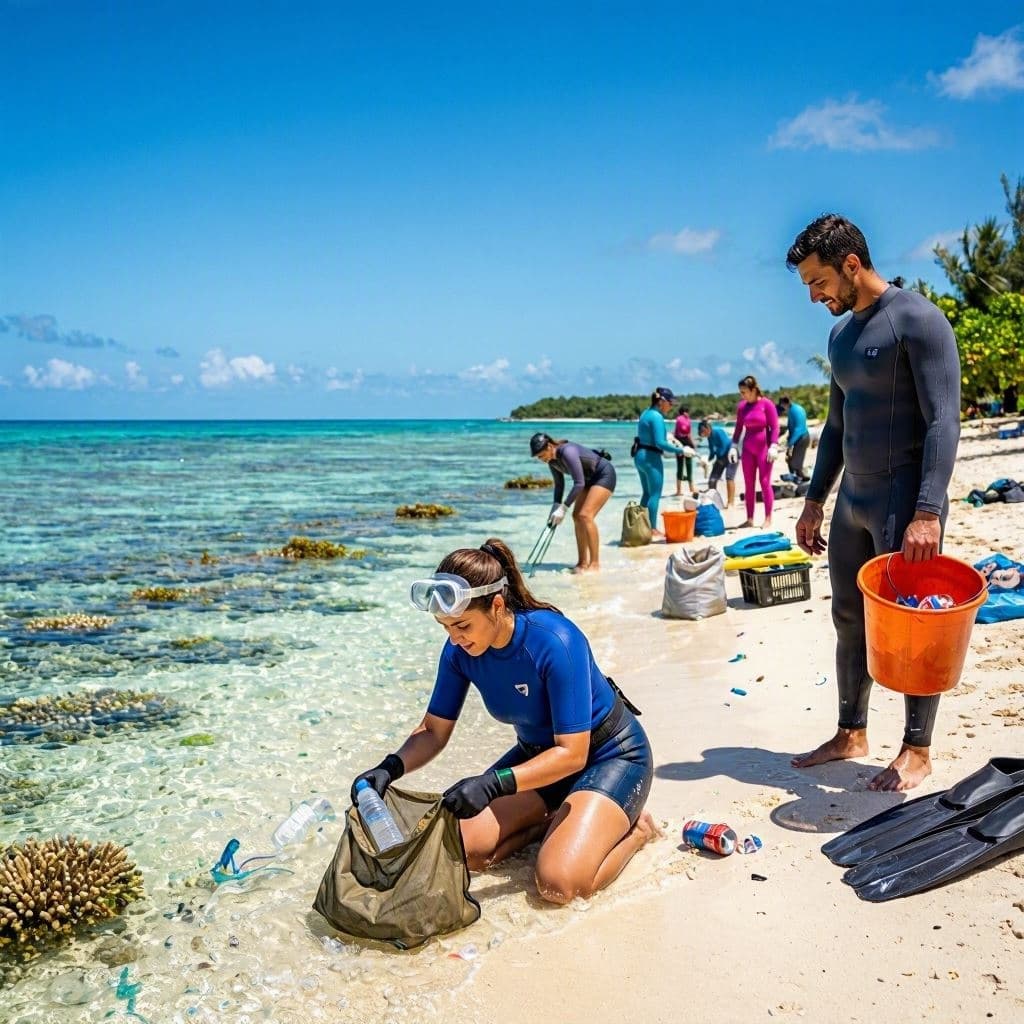
Projects funded by this initiative may include beach clean-ups, installation of debris traps in rivers, and development of new technologies for waste retrieval. Education and community engagement are also key components, as preventing litter at the source is often more effective than cleanup alone. By raising awareness and changing behaviors, these projects seek to create a lasting culture of stewardship among residents and visitors alike.
The timing of this grant round is critical. With applications closing in late August 2026, there is a sense of urgency to mobilize resources and implement solutions before the peak tourist season and cyclone season, which can exacerbate debris accumulation. Successful applicants will be expected to demonstrate clear outcomes and measurable impacts, ensuring that the funds are used effectively to achieve tangible results.
This initiative builds on the success of previous rounds, which have already removed tons of waste from reef areas. By continuing to invest in debris management, the government signals its commitment to long-term sustainability. It also aligns with broader national and international goals for ocean health, contributing to global efforts to combat marine pollution.
Community involvement is central to the program’s success. Local groups often have the best understanding of specific debris hotspots and the most effective ways to address them. By empowering these communities with financial support, the grant program fosters a sense of ownership and pride in protecting the reef. It transforms environmental care from a distant policy goal into a local, hands-on reality.
As the deadline approaches, the call to action is clear. Protecting the Great Barrier Reef is a shared responsibility, requiring innovation, collaboration, and dedication. The 8 million grant is not just money; it is an invitation to participate in preserving one of the planet’s most precious ecosystems. Through collective effort, we can ensure that the reef remains a vibrant sanctuary for marine life and a source of inspiration for generations to come.
AI Image Disclaimer: Visuals in this report are AI-generated illustrations of marine conservation efforts and healthy reef ecosystems, created to support the narrative of environmental protection.
Sources: Australian Government Department of Climate Change, Energy, the Environment and Water, AusLeisure, Funds for NGOs
Published by Banx Network. This article is part of the Banx decentralized media programme, powered by the BXE token on the XRP Ledger.