Color is the language through which nature speaks to our senses, painting the world in hues that evoke emotion, signal danger, and attract mates. Yet, beneath the vibrant tapestry of flowers, skies, and oceans lies a fundamental simplicity. Recent insights into the physics of light and biological perception reveal that the infinite variety of colors we perceive is largely constructed from a foundational palette of red, yellow, green, and blue, a quartet that serves as the primary notes in nature’s visual symphony.
The reason these four colors dominate our visual experience is rooted in both the physics of light and the biology of the human eye. Sunlight, when scattered or absorbed by materials, interacts with pigments and structures that reflect specific wavelengths. Red and blue are primary colors in both additive and subtractive color models, while green and yellow occupy critical positions in the spectrum that our eyes are particularly sensitive to.
Our vision relies on three types of cone cells, each sensitive to different ranges of wavelengths: short (blue), medium (green), and long (red). Yellow is perceived when red and green cones are stimulated simultaneously. This biological framework means that our brain constructs the rich world of color from these basic inputs, making red, yellow, green, and blue the cornerstone of our visual reality.
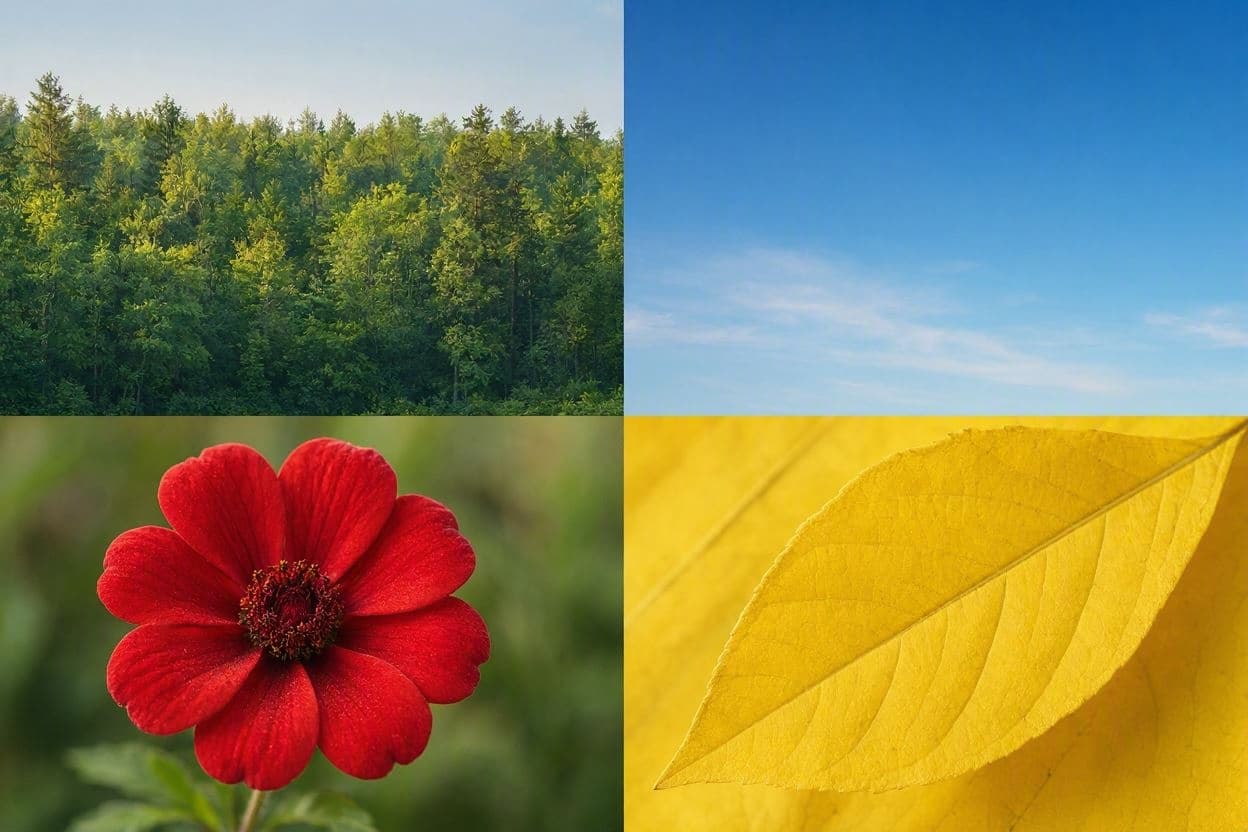
In nature, these colors serve essential functions. Green is ubiquitous due to chlorophyll, the pigment essential for photosynthesis, which absorbs red and blue light while reflecting green. Red and yellow are often used by plants to attract pollinators, standing out against the green backdrop. Blue, though less common in pigments, appears in the sky due to Rayleigh scattering and in certain flowers and animals through structural coloration.
The interplay of these colors creates the contrasts and harmonies that define natural landscapes. The golden hue of autumn leaves results from the breakdown of chlorophyll, revealing underlying yellow and orange pigments. The deep blue of the ocean is a result of water absorbing longer wavelengths like red and yellow, leaving blue to be scattered back to our eyes.
Understanding this palette helps explain why certain color combinations are so prevalent in evolution. Animals and plants have evolved to use these specific wavelengths because they are the most visible and distinguishable to their intended audiences, whether predators, prey, or pollinators. It is a testament to the efficiency of natural selection in optimizing visual communication.
Moreover, this limited palette does not limit beauty but rather enhances it. By mixing these primary and secondary hues, nature creates an endless array of shades and tones. The subtlety of a sunset or the vibrancy of a coral reef is achieved through variations in intensity and combination, proving that complexity can arise from simplicity.
This perspective invites us to look at the world with renewed appreciation. When we see a flower or a bird, we are witnessing a precise manipulation of light and pigment, optimized over millions of years. It reminds us that what we see is not just a random assortment of colors but a carefully curated display shaped by physics and biology.
The dominance of red, yellow, green, and blue in our visual experience is a reflection of the fundamental laws of light and life. By understanding this palette, we gain insight into how nature communicates and survives. It is a reminder that even in its most vibrant expressions, the natural world operates on principles of elegance and efficiency.
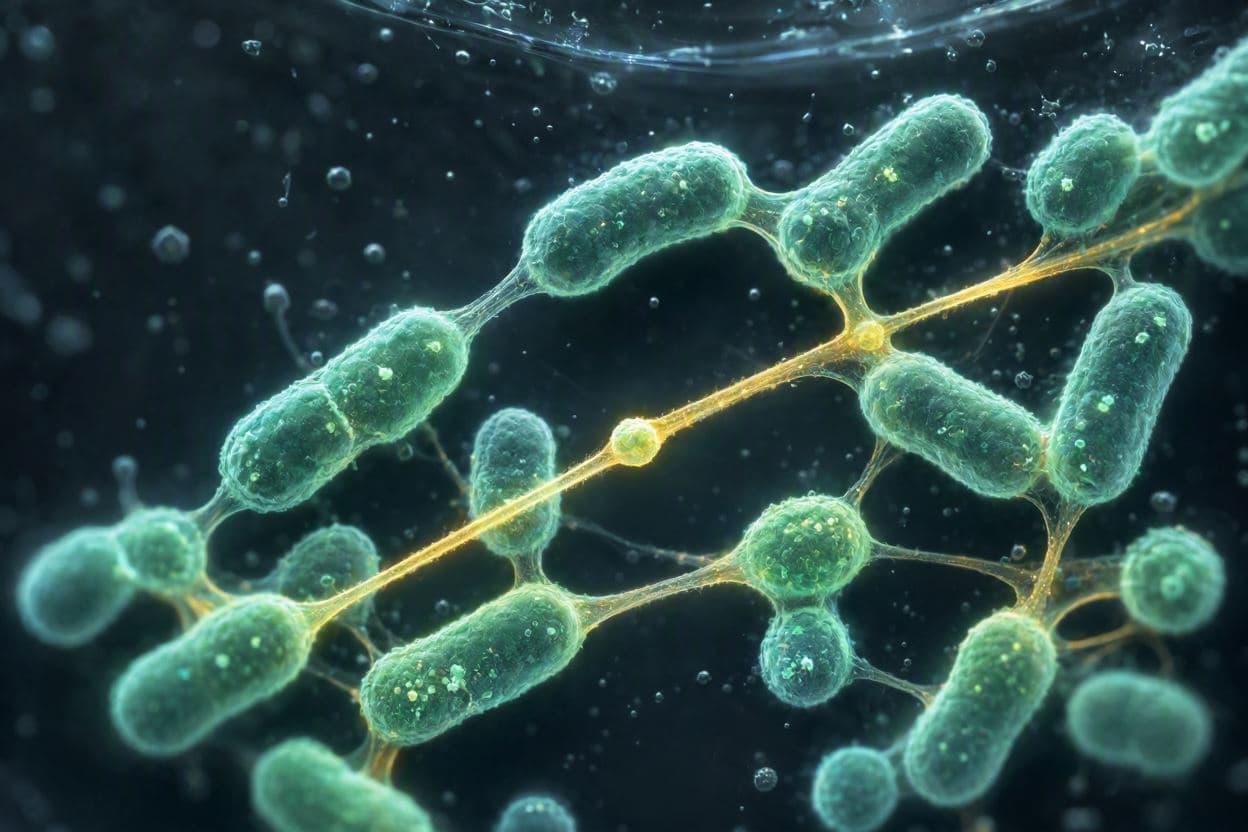
AI Image Disclaimer: The images associated with this piece are AI-generated visualizations intended to illustrate the interplay of primary colors in natural settings.
Sources: Scientific American Journal of Experimental Biology National Geographic
Published by Banx Network. This article is part of the Banx decentralized media programme, powered by the BXE token on the XRP Ledger.