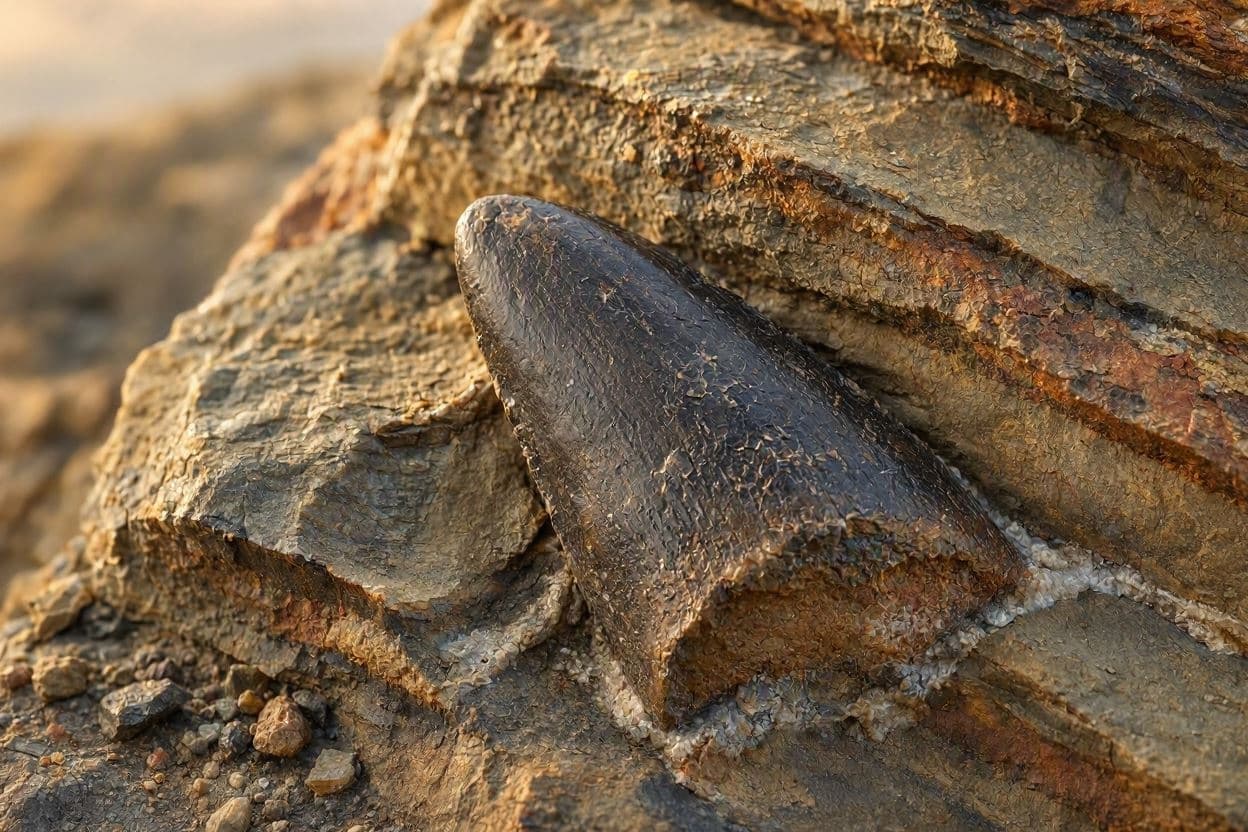
Long after the last dinosaur breathed its final breath, their teeth remain as silent storytellers, embedded in rock and time. These fossilized fragments, often overlooked in favor of massive bones, hold intricate clues about the lives of these ancient giants. Through careful analysis, paleontologists can decipher what these creatures ate, how they processed their food, and how their diets influenced their evolutionary paths. It is a detective story written in enamel and dentin, revealing the intimate details of a lost world.
The study of dinosaur teeth is not just about identifying species; it is about reconstructing ecosystems and understanding the dynamics of survival. Each tooth shape, wear pattern, and chemical signature offers a piece of the puzzle, allowing us to visualize the forests and plains of the Mesozoic era. It invites us to look closer at the small details that define big histories.
Teeth are among the most durable parts of an animal’s skeleton, making them common finds in the fossil record. Their morphology—shape and structure—is directly linked to function. Sharp, serrated teeth indicate a carnivorous diet, designed for slicing flesh, while flat, grinding surfaces suggest herbivory, adapted for processing tough plant material. By comparing these shapes across different species, scientists can map out the dietary niches occupied by various dinosaurs.
Wear patterns provide further insight. Microscopic scratches and pits on the tooth surface reveal the texture of the food consumed. For example, heavy grazing on abrasive grasses leaves different marks than browsing on soft leaves. These traces allow researchers to infer not just what dinosaurs ate, but how they ate it, offering a glimpse into their feeding behaviors and daily routines.
Chemical analysis adds another layer of depth. Isotopes preserved in the tooth enamel can indicate the types of plants consumed and even the climate conditions of the time. Carbon isotopes, for instance, can distinguish between different photosynthetic pathways in plants, helping to reconstruct the ancient vegetation. This chemical fingerprinting connects the biology of the dinosaur to the broader environmental context.
Evolutionary trends become apparent when studying teeth across geological time. Changes in tooth shape and size often correlate with shifts in available food sources or competition with other species. For instance, the development of complex dental batteries in hadrosaurs allowed them to process large quantities of low-nutrient plants efficiently, contributing to their success and diversity. These adaptations highlight the power of natural selection in shaping form and function.
The Q&A format of recent discussions highlights public curiosity about these findings. People are fascinated by the idea that a simple tooth can tell such a rich story. It demystifies the scientific process, showing how careful observation and logical deduction can bring the past to life. This engagement fosters a deeper appreciation for paleontology and the natural world.
Moreover, studying dinosaur teeth helps us understand the evolution of modern animals. Birds, the living descendants of dinosaurs, share many dental and dietary traits with their ancestors. By tracing these connections, we gain insights into the continuity of life and the enduring legacy of the Mesozoic era. It reminds us that we are part of a long and interconnected history.
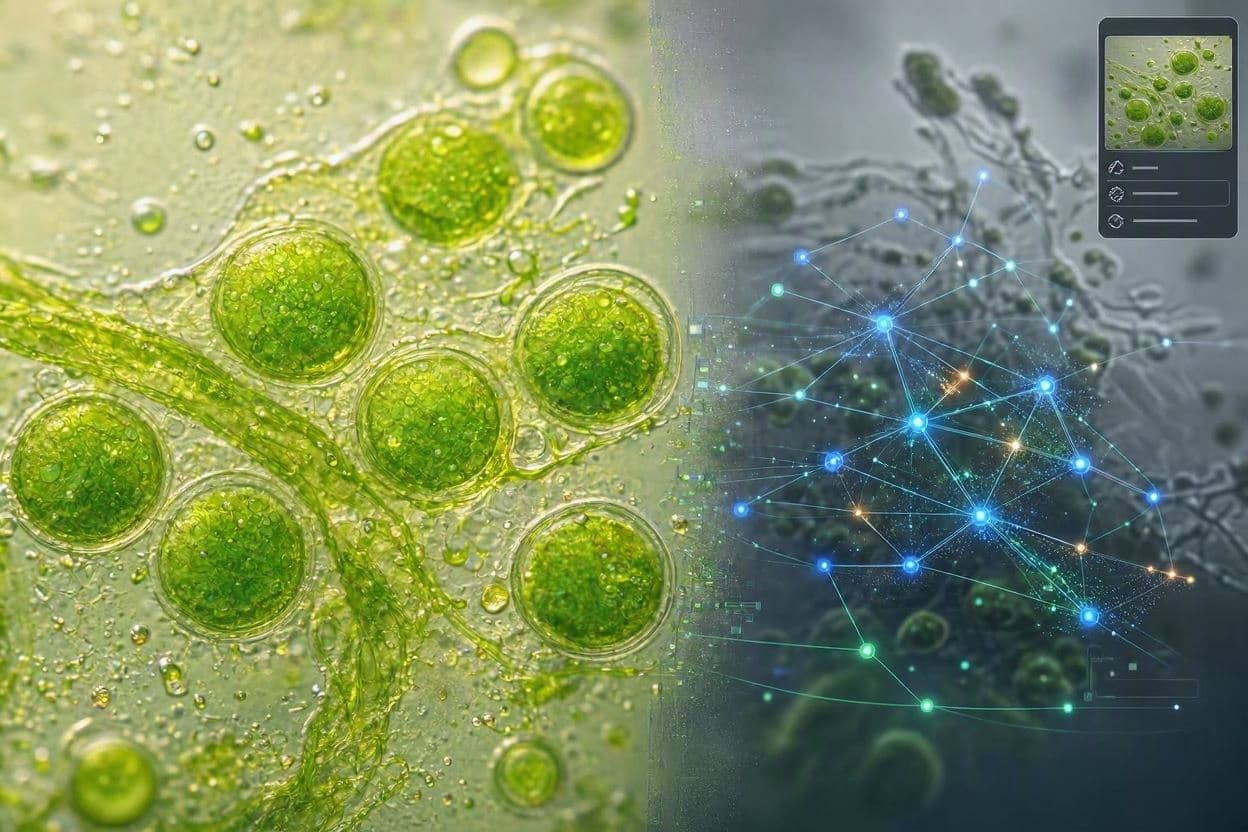
As techniques improve, such as high-resolution imaging and advanced spectroscopy, our ability to extract information from teeth grows. Each new discovery refines our understanding, correcting previous assumptions and revealing new complexities. The story of dinosaurs is far from complete, and their teeth continue to guide the narrative.
Dinosaur teeth are more than just fossils; they are keys to unlocking the secrets of ancient lives. By studying them, we gain a deeper understanding of diet, behavior, and evolution. It is a humble yet powerful reminder that even the smallest remnants can speak volumes about the grand sweep of history.
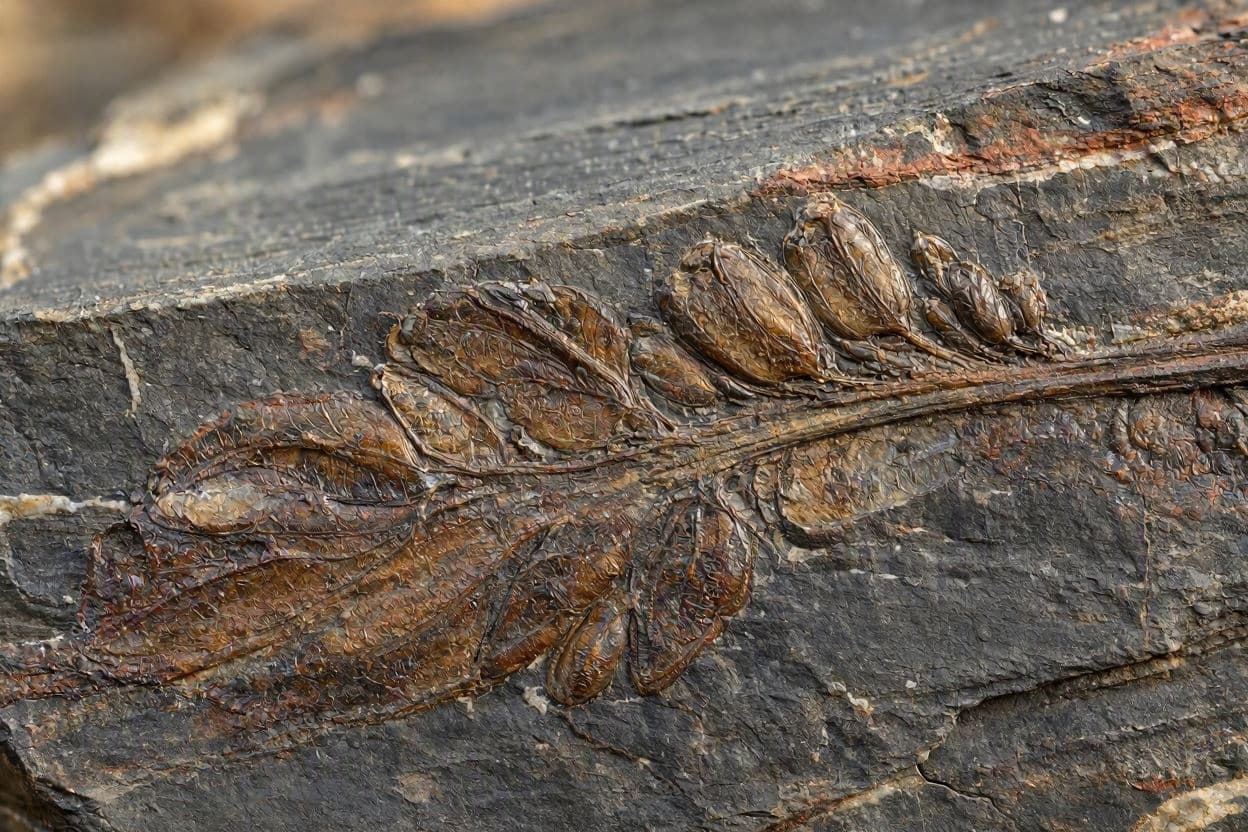
AI Image Disclaimer: Please be aware that images used in this context are AI-generated artistic renderings meant to evoke the scientific exploration of fossils, not actual photographs of specific specimens.
Sources:
• Paleobiology Journal
• National Geographic
• Smithsonian Magazine
• BBC Earth
Published by Banx Network. This article is part of the Banx decentralized media programme, powered by the BXE token on the XRP Ledger.