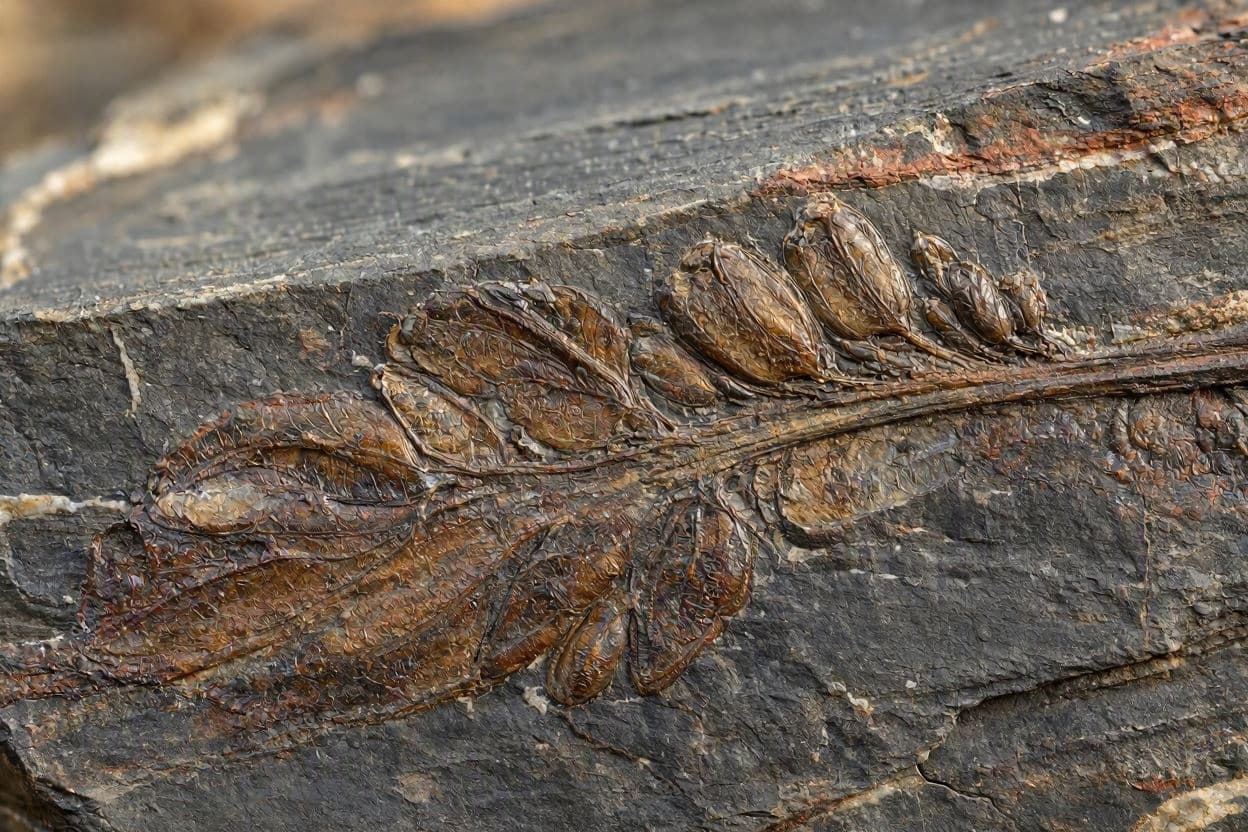
Time has a way of hiding its secrets in layers of stone, waiting for the right moment to be uncovered. In the quiet halls of paleontology, a single fossil can rewrite chapters of history, challenging our understanding of when and how life evolved. The recent examination of a Permian-era specimen suggests that the origins of flowering plants may stretch further back than previously thought, inviting us to reconsider the timeline of botanical evolution.
Flowering plants, or angiosperms, are often regarded as a relatively recent innovation in the history of life, dominating landscapes only after the decline of the dinosaurs. However, this new fossil evidence hints at a much earlier emergence, potentially pushing the origin of these complex structures back by tens of millions of years. The specimen, preserved in exquisite detail, displays features that closely resemble those of modern flowers.
The discovery centers on a reproductive structure that exhibits characteristics typical of angiosperms, such as enclosed ovules and specialized pollen mechanisms. These traits are significant because they suggest a level of evolutionary sophistication that was not believed to exist during the Permian period. If confirmed, this finding would require a substantial revision of current models regarding plant evolution.
Scientists are approaching this discovery with cautious optimism, recognizing the need for rigorous verification. The interpretation of fossilized structures can be challenging, as preservation processes may alter or obscure original features. However, the consistency of the observed traits with known angiosperm characteristics provides a compelling case for further investigation.
This potential pushback in the timeline of flowering plants has broader implications for our understanding of ancient ecosystems. Angiosperms play a crucial role in supporting diverse animal life, including insects and birds. An earlier origin would suggest that these complex ecological relationships may have developed sooner than previously assumed, reshaping our view of Permian biodiversity.
The fossil also raises questions about the environmental conditions that may have favored the early evolution of flowering plants. The Permian period was marked by significant climatic changes, including periods of extreme heat and drought. It is possible that the adaptive advantages of flowers, such as efficient reproduction and seed dispersal, emerged in response to these challenging conditions.
As researchers continue to analyze the specimen and compare it with other fossils from the era, the scientific community remains engaged in a lively debate. This discourse is a vital part of the scientific process, ensuring that conclusions are robust and well-supported by evidence. It is through such scrutiny that our understanding of the past becomes clearer.
Ultimately, this discovery serves as a reminder of the gaps that still exist in our knowledge of Earth’s history. Each fossil found is a piece of a larger puzzle, offering glimpses into a world that existed long before humans walked the planet. It invites us to look at the natural world with renewed curiosity and respect.
While further research is needed to confirm the identity of this Permian fossil, its potential significance cannot be overstated. It challenges established timelines and opens new avenues for exploring the early evolution of flowering plants. As science progresses, we may find that the roots of today’s vibrant flora extend deeper into the past than we ever imagined.
AI Image Disclaimer: Visuals accompanying this piece are AI-generated representations intended to evoke the ancient context of the Permian period and the delicate structure of early plant life.
Sources: Science Advances Paleobiology The Conversation
Published by Banx Network. This article is part of the Banx decentralized media programme, powered by the BXE token on the XRP Ledger.